Astronomy Magazine Astrophotography Contest Now accepting entries!
Learn more
Skip to content
Astronomy Magazine logo
  • Login / Register
  • Logout
  • Shop
  • Subscribe

  • News
  • Science
    • Solar System
    • Exoplanets
    • Stars
    • Milky Way
    • Galaxies
    • Exotic Objects
    • Cosmology
  • Observing
    • In The Sky
    • Upcoming Events
    • The Sun
    • The Moon
    • Planets
    • Comets
    • Deep-Sky Objects
    • Observing Basics
    • Telescopes and Equipment
    • Astrophotography
    • Gear Guide
    • This Week in Astronomy
  • Space Exploration
    • What’s Launching This Week
    • Human Spaceflight
    • Robotic Spaceflight
  • The Magazine
  • Ask Astro
  • Star Products
  • News
  • Science
    • Solar System
    • Exoplanets
    • Stars
    • Milky Way
    • Galaxies
    • Exotic Objects
    • Cosmology
  • Observing
    • In The Sky
    • Upcoming Events
    • The Sun
    • The Moon
    • Planets
    • Comets
    • Deep-Sky Objects
    • Observing Basics
    • Telescopes and Equipment
    • Astrophotography
    • Gear Guide
    • This Week in Astronomy
  • Space Exploration
    • What’s Launching This Week
    • Human Spaceflight
    • Robotic Spaceflight
  • The Magazine
  • Ask Astro
  • Star Products
  • Login / Register
  • Logout
  • Shop
  • Subscribe
June 2026 cover of Astronomy magazine, featuring an image of the cosmic web in purple, pink, yellow, and orange

June 2026

The world's best-selling astronomy magazine offers you the most exciting, visually stunning, and timely coverage of the heavens above. Each monthly issue includes expert science reporting, vivid color photography, complete sky coverage, spot-on observing tips, informative telescope reviews, and much more! All this in an easy-to-understand, user-friendly style that's perfect for astronomers at any level.
Buy this Issue
Already a subscriber? Login to view my digital editions.
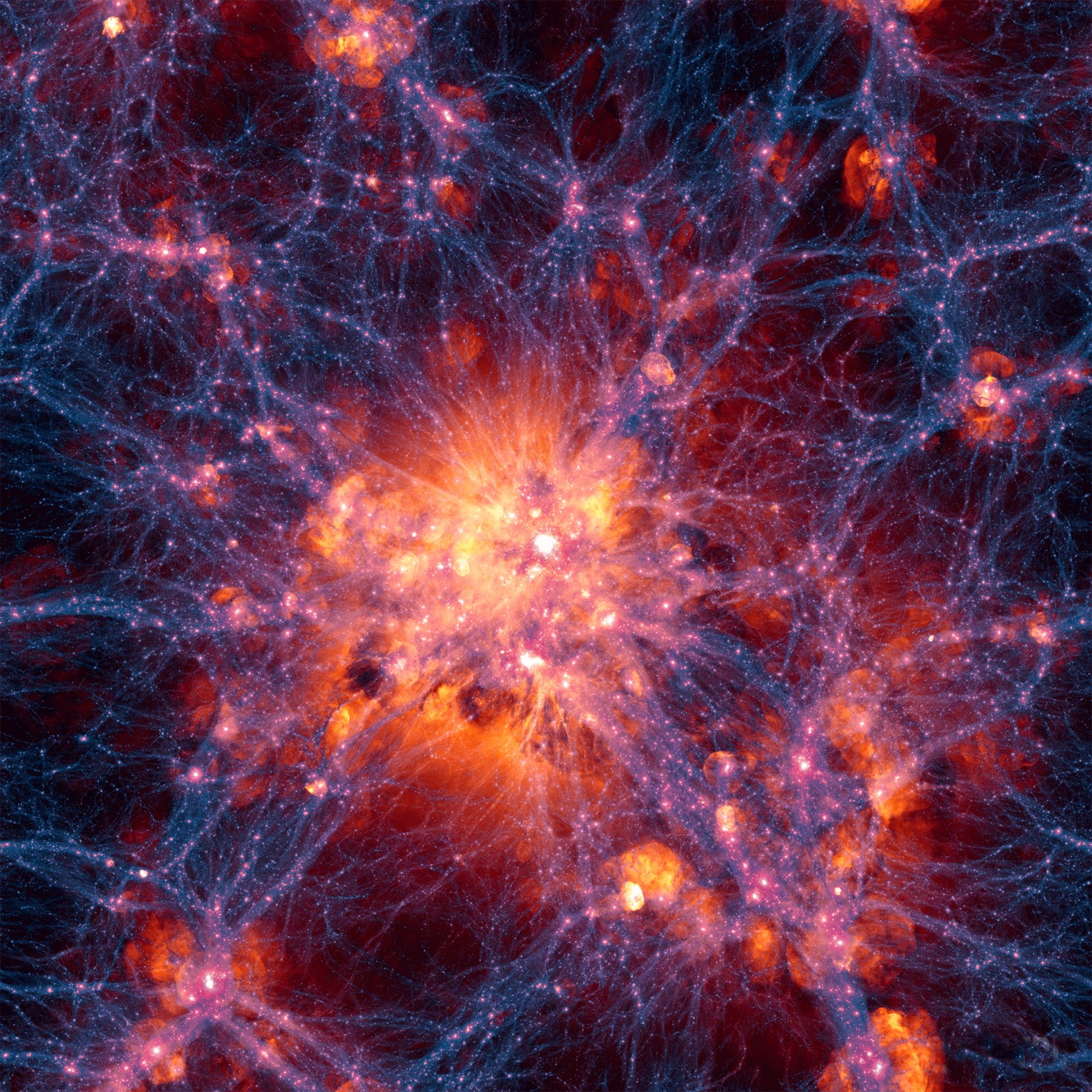
A dense web of thin blue-purple filaments spans the entire frame, threading through deep red and maroon voids to converge on a blazing central cluster of orange, yellow, and white gas. Scattered across the field, smaller orange and gold clumps glow at the intersections of the filaments. The overall effect resembles a three-dimensional cosmic spiderweb
Cosmology, Features

Untangling the cosmic web

Telescopes and Equipment

Kickstart summer with these new astronomy products

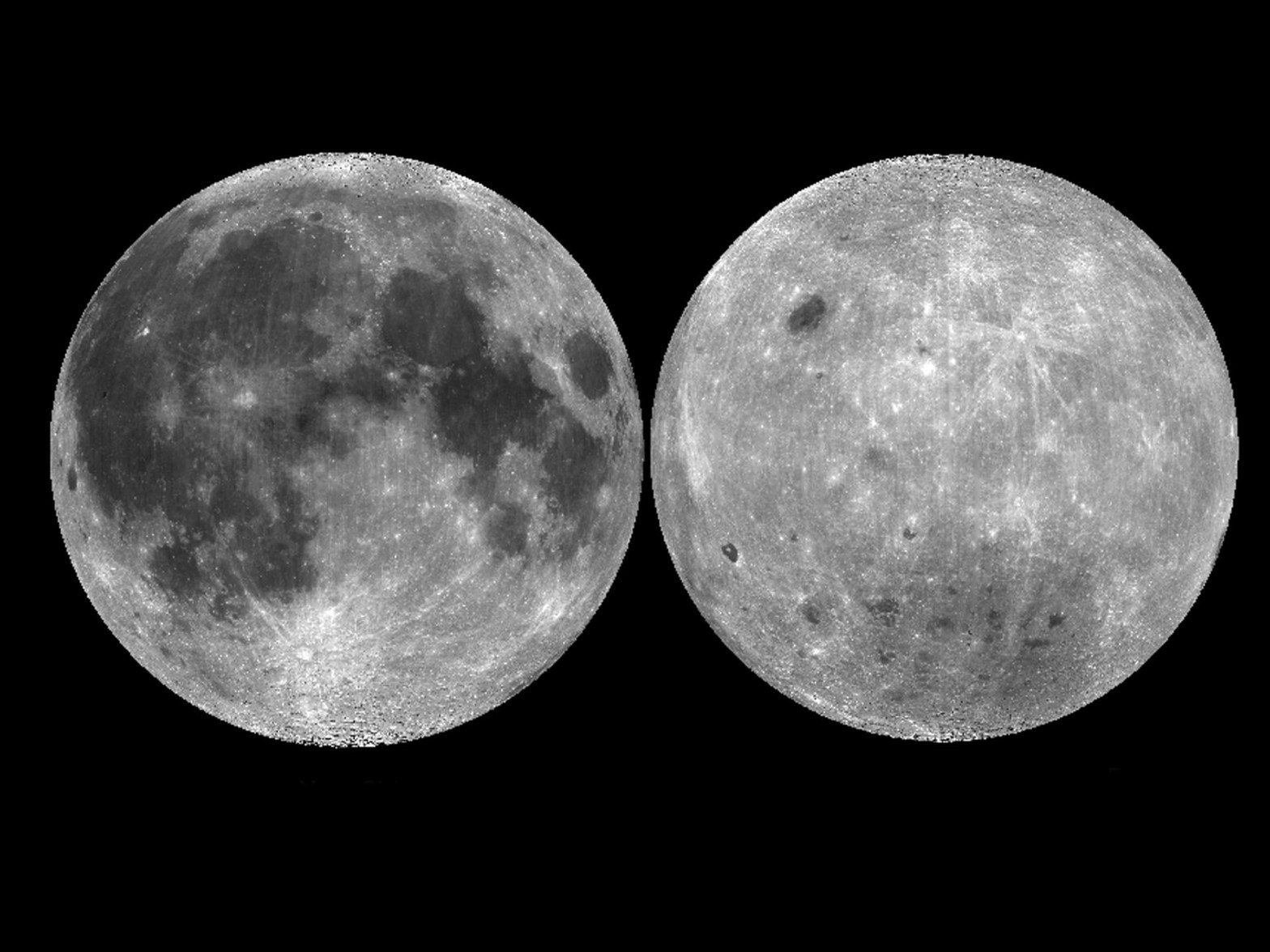
Side-by-side grayscale comparison of the Moon's two hemispheres. The left image shows the familiar near side of the Moon, featuring large dark volcanic plains called maria that give it a distinctive mottled appearance. The right image shows the far side of the Moon, which lacks significant maria and instead appears more uniformly cratered and bright, with prominent crater ray systems radiating outward from impact sites.
Science, Solar System

Why does one side of the Moon have a lot of craters, while the other does not?

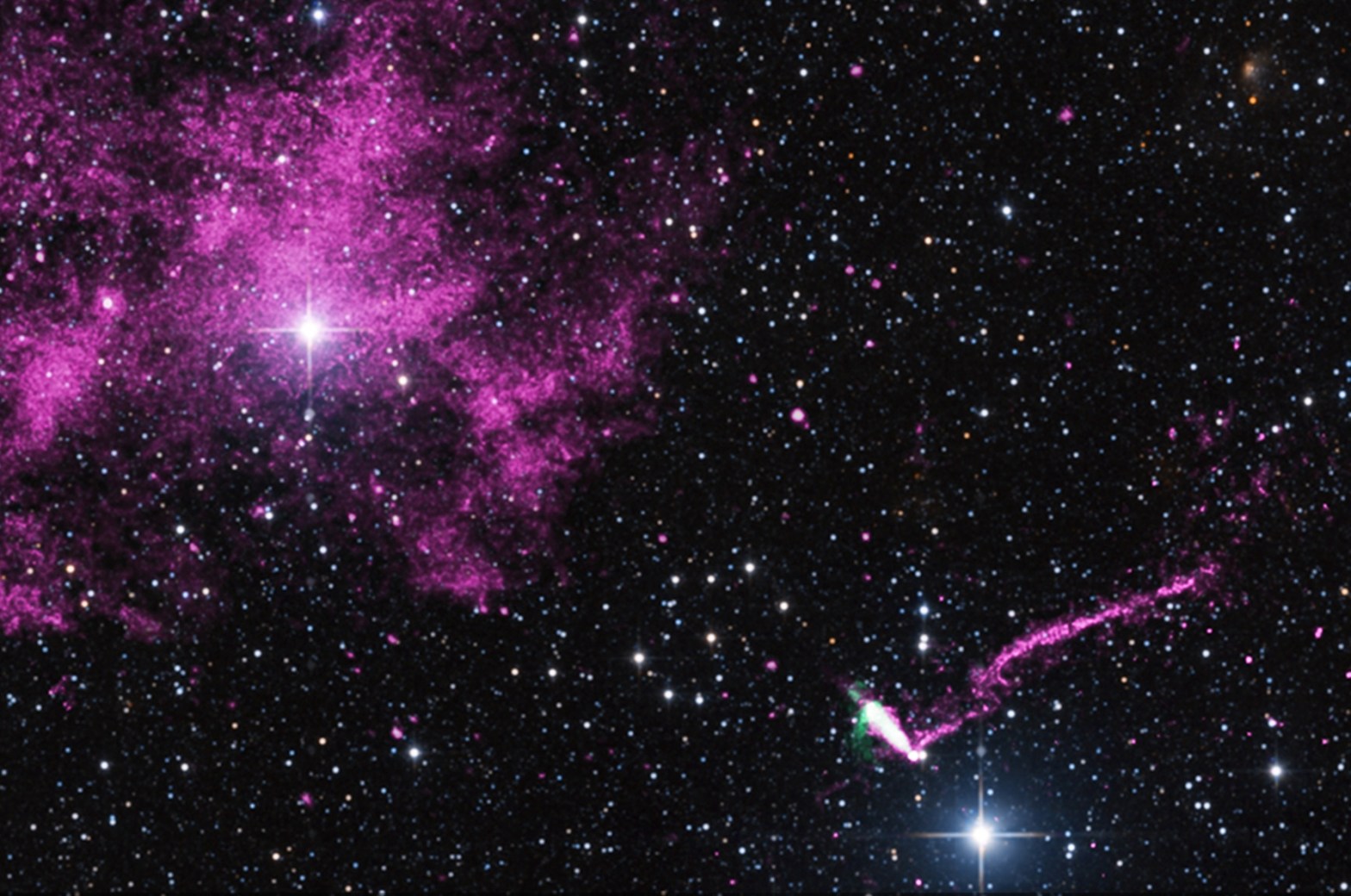
X-ray and optical composite image of IGR J11014-6103, a pulsar wind nebula, from the Chandra X-ray Observatory. A large, diffuse cloud of magenta/pink X-ray emission dominates the upper left, representing a supernova remnant. To the lower right, a smaller bright green and pink structure shows a pulsar with jets and a curved tail of X-ray emission trailing behind it, indicating rapid motion through space. Background stars are visible throughout. Credit: Chandra X-ray Center (chandra.si.edu).
Science

What does the term ‘supersonic’ mean in astronomy?

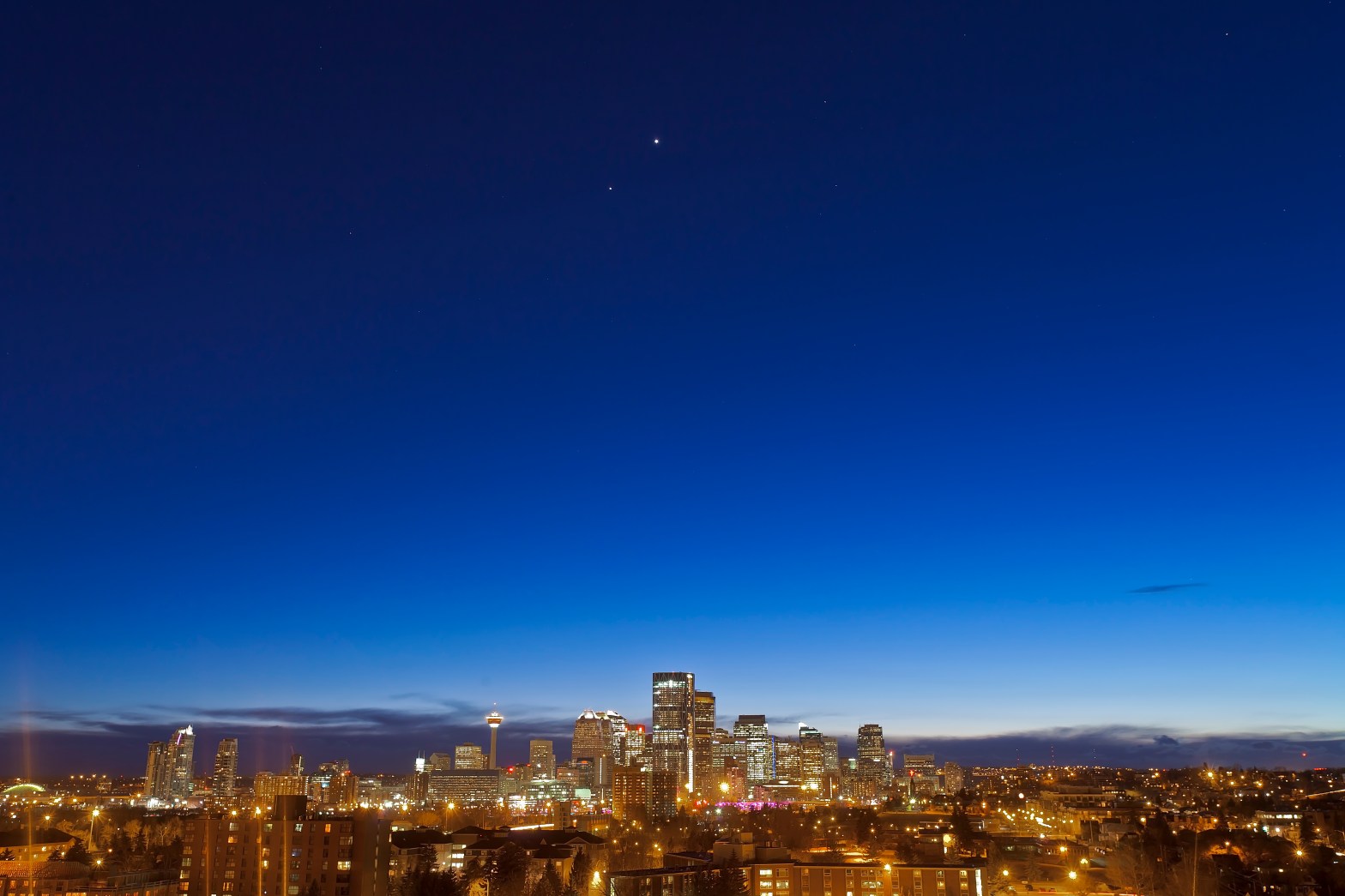
Two bright planets — Venus and Jupiter — shine as close points of light in a deep blue twilight sky above an illuminated city skyline at dusk. The city's skyscrapers, tower, and sprawling lights glow against a gradient sky that fades from deep blue above to lighter blue near the horizon, with low clouds hugging the rooftops.
Observing

June 2026: What’s in the sky this month? Venus and Jupiter have a spectacular conjunction, and the Moon occults Venus

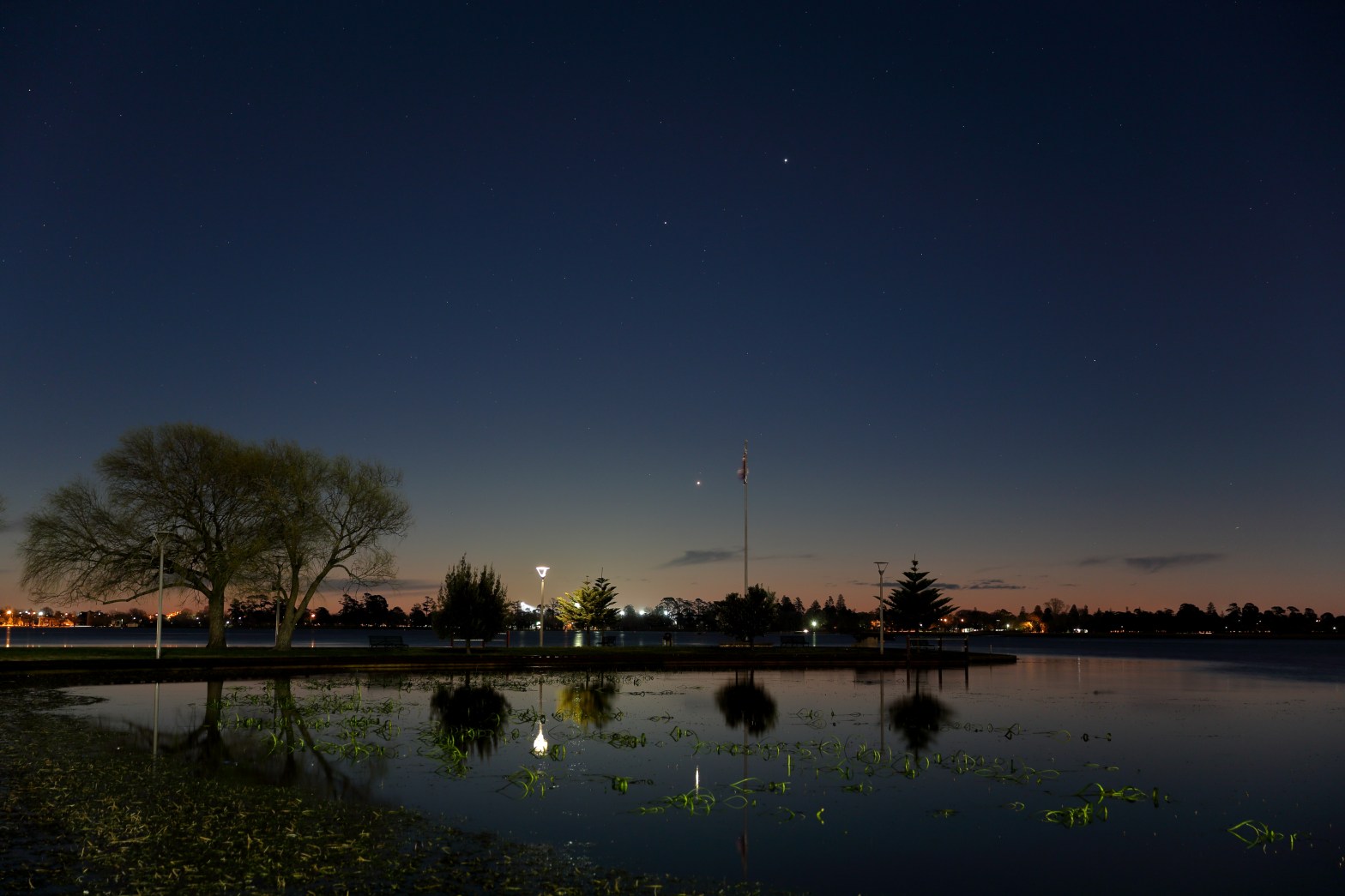
A twilight photograph taken from the shore of a calm lake, looking toward a park with trees, streetlights, and a tall flagpole silhouetted against a deep blue and orange dusk sky. Three planets — Venus, Mercury, and Jupiter — are visible as bright points of light in the sky, with two clustered close together near the horizon and one higher up. Their reflections shimmer faintly in the still water below, which is dotted with aquatic plants.
Observing

June 2026: What’s in the Southern Hemisphere sky this month?

Astronomy Newsletter

Get newsletters, updates and special offers via email from Astronomy.com!

Please enter a valid email address.
Astronomy Magazine logo
  • Facebook
  • LinkedIn
  • YouTube
  • Instagram
  • Twitter
  • About Us
  • Contact Us
  • Subscribe
  • Customer Service
  • Advertising
  • Terms of Use
  • Privacy Policy
  • Do Not Sell

@ 2025 Firecrown Media. All Rights Reserved.

More Sites from Firecrown Media Publisher logo
Scroll to Top

Sign In

New User? Create an Account

Why Sign In? Subscribers can access their digital magazine issues, and registered users can participate in our Community forums and galleries.

Please enter your email.
Please enter your password.

Lost your password?

Manage My AccountCustomer Support