Rocket launches this week
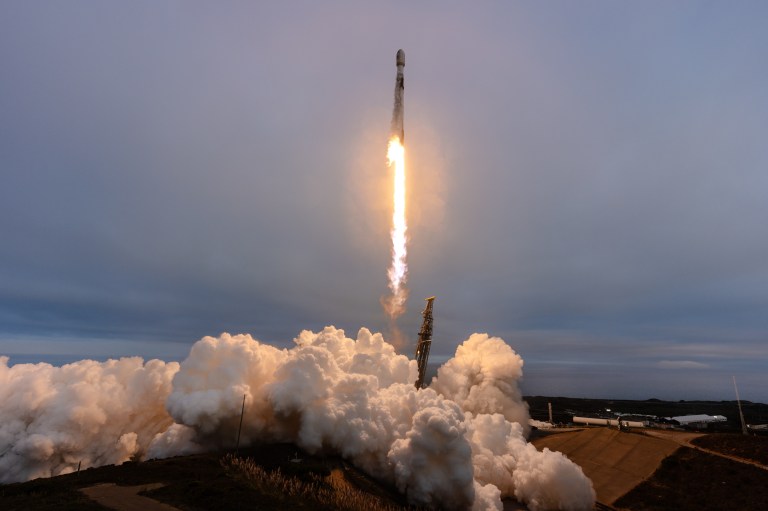
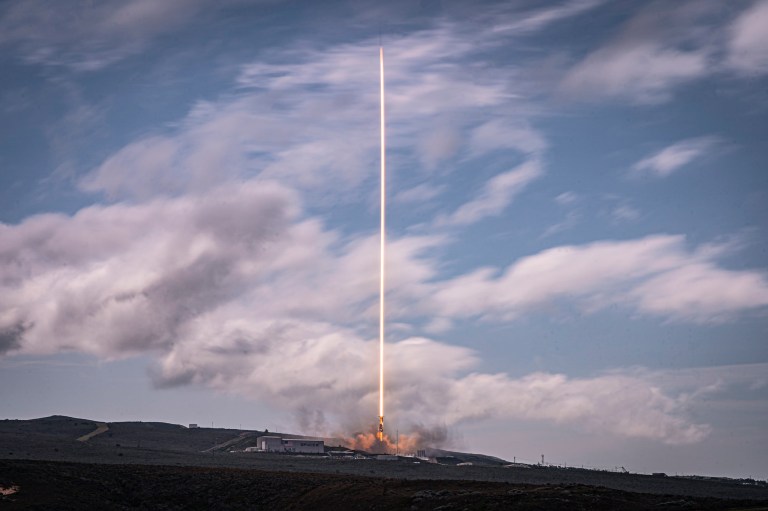
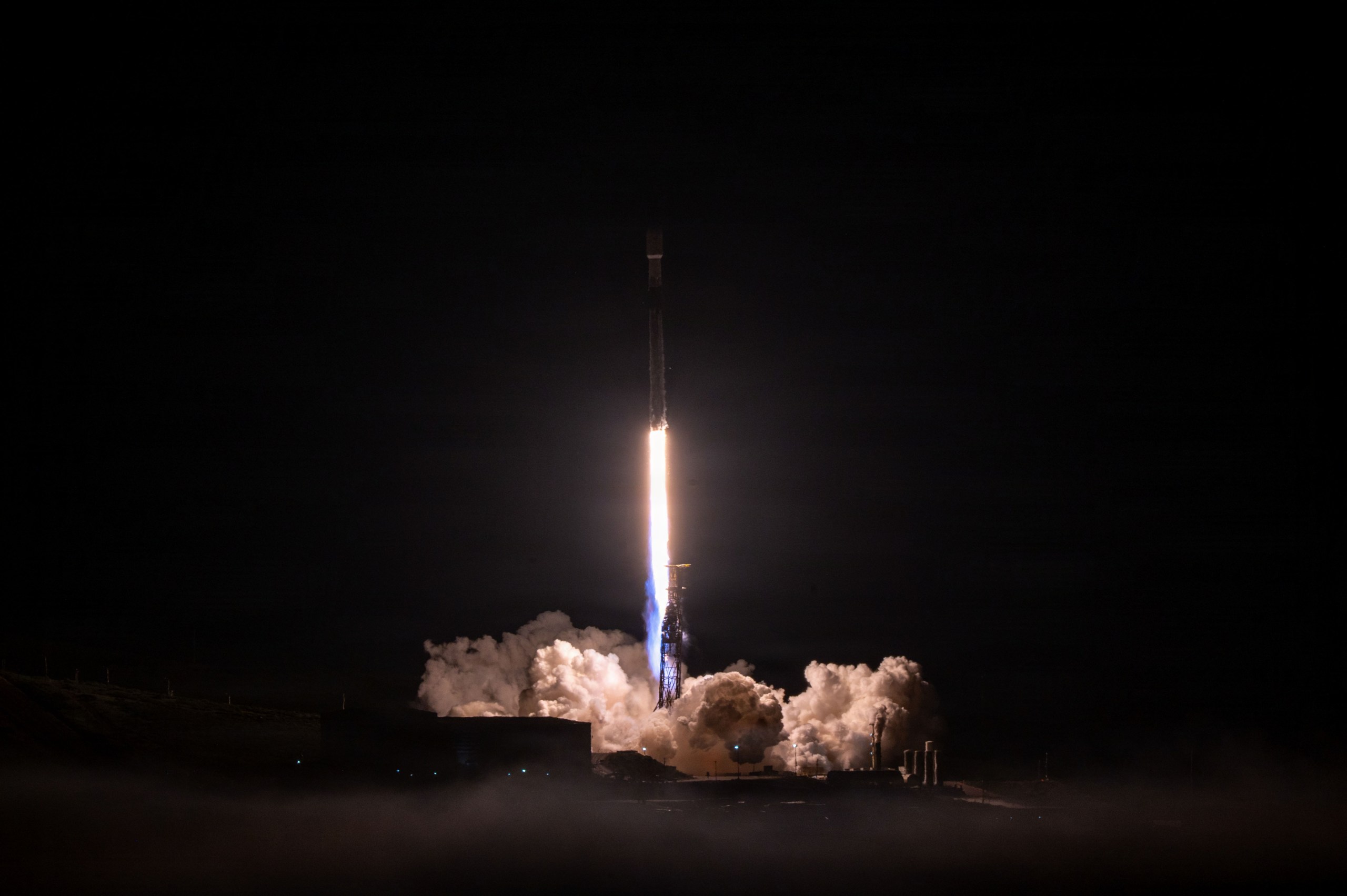
On Tuesday, July 7, at 3:10 a.m. EDT, SpaceX is targeting the launch of its Transporter 17 rideshare mission from Vandenberg Space Force Base in California. Flying on a Falcon 9 Block 5, the mission carries a mix of small satellites from multiple commercial and government customers under SpaceX’s dedicated smallsat rideshare program. The booster is expected to land on the droneship Of Course I Still Love You in the Pacific Ocean. Watch it here.
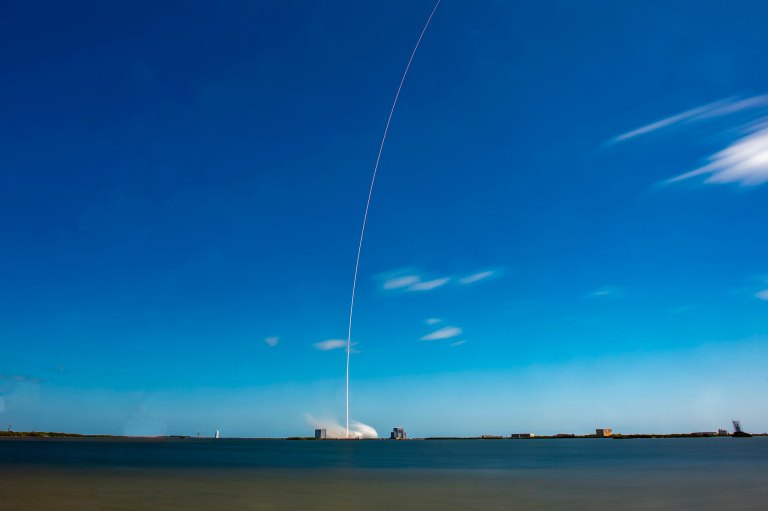
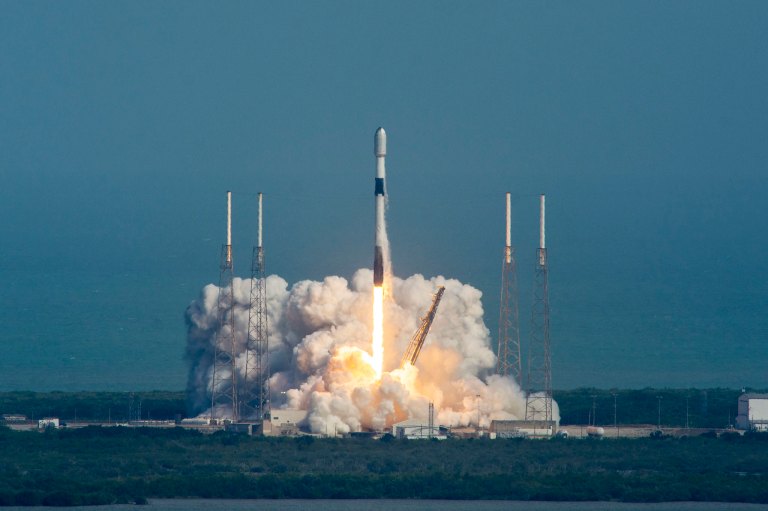
On Thursday, July 9, at 5:05 a.m. EDT, SpaceX heads to Cape Canaveral Space Force Station in Florida for the Starlink Group 10-42 mission, adding another batch of satellites to its broadband internet constellation. The Falcon 9 booster is targeting a landing on the droneship A Shortfall of Gravitas. Watch it here.
Friday, July 10 brings two launches. At 1:20 a.m. The China Aerospace Science and Technology Corporation (CASC) is set to fly a Long March 10B rocket on a demonstration flight from the Wenchang Space Launch Site on the island of Hainan in the South China Sea per tracking from Next Spaceflight; the payload has not been disclosed. Both burn kerosene and liquid oxygen, and both are designed around a reusable first stage. China has tried this twice before and come up empty both times — a Long March 12A and a Zhuque rocket each failed to stick their booster landings — as the country races to match SpaceX’s rapid-reusability model.
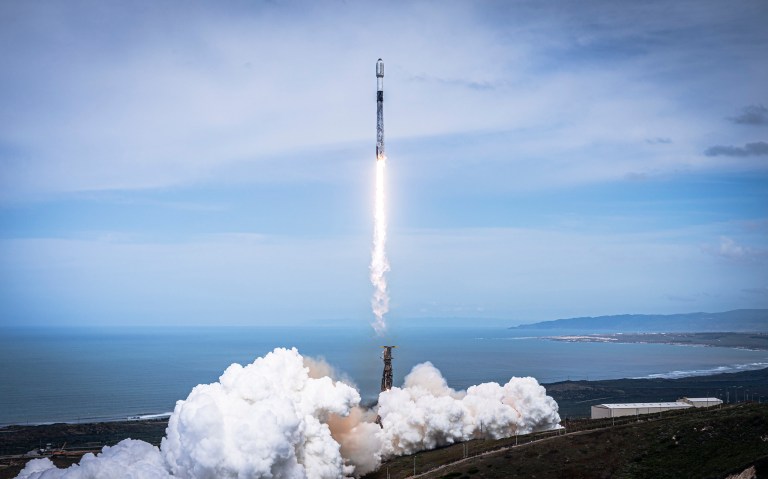
Later that day, at 10 p.m. EDT, SpaceX launches Starlink Group 17-48 from Vandenberg, with the booster targeting a landing on Of Course I Still Love You. Watch it here.
On Saturday, July 11, at 10 p.m. EDT, Chinese launch startup Orienspace is scheduled to fly its Gravity 1 rocket from the Haiyang Oriental Spaceport, carrying an unknown payload, per tracking from Next Spaceflight.
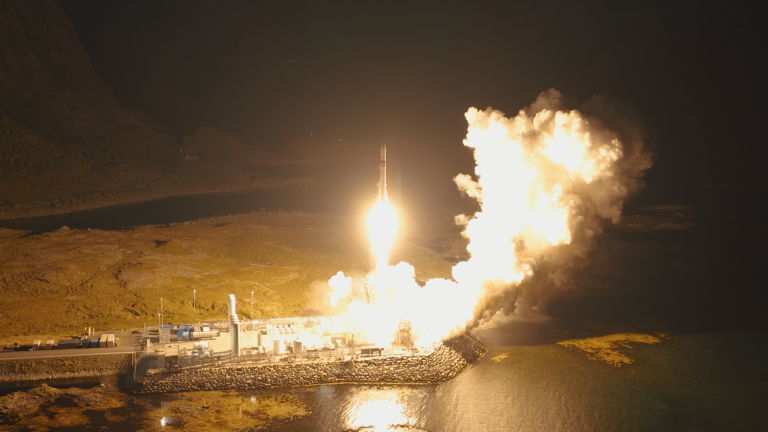
On Sunday, July 12, at 1 a.m. EDT, Indian startup Skyroot Aerospace targets a demonstration flight of its Vikram-I rocket, dubbed “Aagaman,” from the Satish Dhawan Space Centre on the island of Sriharikota in the Bay of Bengal.
Rocket launches last week
China launched twice to build out SpaceSail’s polar broadband constellation: a Long March 6A carried the Polar Group #13 satellites from Taiyuan Satellite Launch Center on July 4, followed by a Long March 8A carrying Polar Group #14 from Wenchang on July 5.
SpaceX also added to its own constellation on July 5, launching Starlink Group 10-50 from Cape Canaveral.
On July 3, Katalyst’s Swift Boost Mission finally lifted off aboard a Northrop Pegasus XL from the Ronald Reagan Ballistic Missile Defense Test Site, following months of delays. The flight carries Katalyst’s LINK spacecraft, a robotic servicer built to grab ahold of NASA’s aging Neil Gehrels Swift Observatory and boost it into a higher, longer-lasting orbit. NASA confirmed on July 3 that ground teams had made first contact with LINK following separation.
RELATED: NASA launches Swift Boost mission to rescue space telescope
Upcoming rocket launches
On July 13, SpaceX launches Starlink Group 15-14 from Vandenberg at 6:38 p.m. EDT. The next day, July 14, brings a busy schedule: SpaceX targets another Starlink mission from Cape Canaveral at 3:15 a.m. EDT, and Roscosmos launches Soyuz MS-29 from Baikonur Cosmodrome at 10:47 a.m. EDT, carrying NASA’s Anil Menon and Roscosmos cosmonauts Pyotr Dubrov and Anna Kikina to the International Space Station. On July 17, CASC plans a Long March 7A launch from Wenchang carrying an undisclosed payload according to tracking from Next Spaceflight.