Rocket launches this week
On Thursday, Sept. 10 at 5:00 a.m. EST, a Long March 2D rocket is set to lift off from Jiuquan Satellite Launch Center in northern China’s Gobi Desert carrying an undisclosed payload, according to tracking from Next Spaceflight. The rocket is operated by the state-owned space contractor China Aerospace Science and Technology Corporation (CASC).
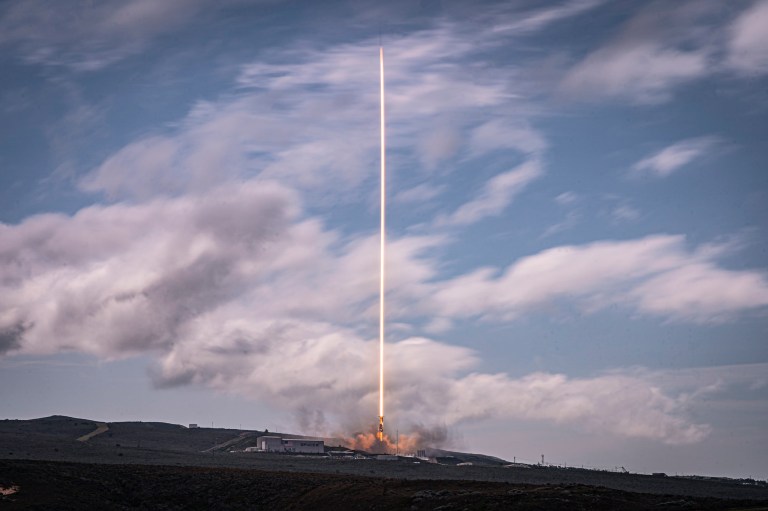
Later that day, on Thursday, Sept. 10 at 11:37 a.m. EST, SpaceX will launch the USSF-153 mission for the U.S. Space Force aboard a Falcon 9 from Vandenberg Space Force Base in California. As with most national security launches, the specifics of the payload have not been disclosed. The booster is expected to land on the droneship Of Course I Still Love You, stationed in the Pacific Ocean.
On Friday, Sept. 11 at 12:00 p.m. EST, CASC is scheduled to launch a Long March 8A rocket from the Wenchang Space Launch Site on the coast of Hainan Island in the South China Sea, carrying another undisclosed payload, according to tracking from Next Spaceflight.
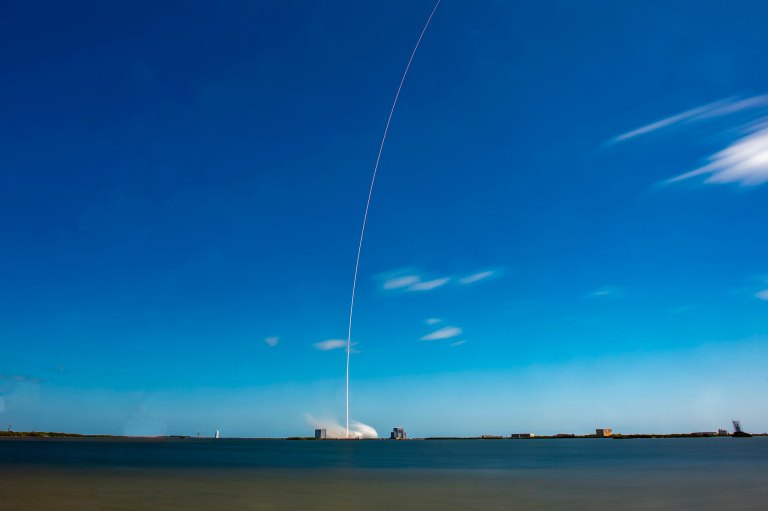
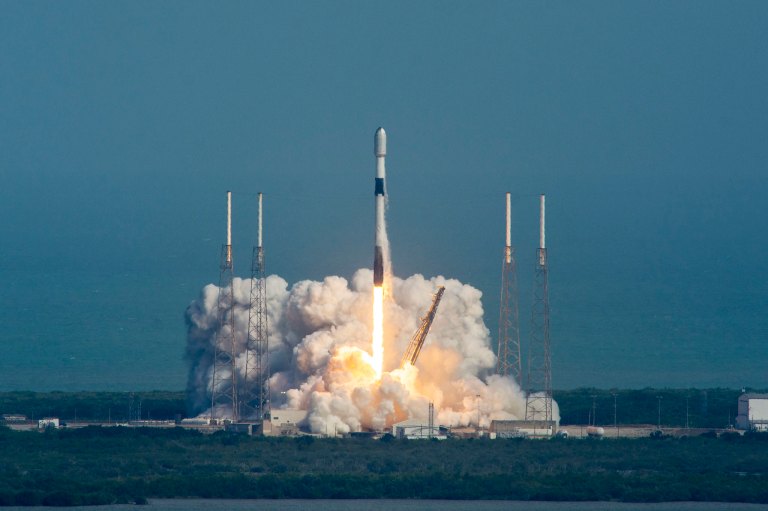
On Sunday, Sept. 13 at 2:50 p.m. EST, SpaceX is targeting the launch of the O3b mPower 11, 12 & 13 mission from Cape Canaveral Space Force Station in Florida. The three satellites, built by Boeing for SES, a space solutions company based in Luxembourg, are the final additions to the O3b mPower constellation, a fleet of satellites in medium Earth orbit that provides broadband connectivity for government and commercial customers. The Falcon 9 booster will target a landing on the droneship A Shortfall of Gravitas.
Last week’s recap
The week began on Monday, Aug. 31, with Chinese company Galactic Energy conducting the demo flight of its new Pallas-1 rocket from Jiuquan Satellite Launch Center. The mission, dubbed “Riding the Green Dragon, Sailing the Starry River,” was successful; the medium-lift, partially reusable rocket successfully reached orbit, though the company did not attempt to recover the booster.
On Wednesday, Sept. 2, Rocket Lab launched its “Owl Around The World” mission on an Electron rocket from Māhia Peninsula, New Zealand, deploying a StriX synthetic aperture radar satellite for Japanese Earth-observation company Synspective. Watch the launch. That same day, SpaceX launched the Starlink Group 15-23 mission from Vandenberg.
On Thursday, Sept. 3, the Indian Space Research Organization (ISRO) launched the EOS-05 Earth-observation satellite aboard a GSLV Mk II rocket from the Satish Dhawan Space Centre. Watch the launch.
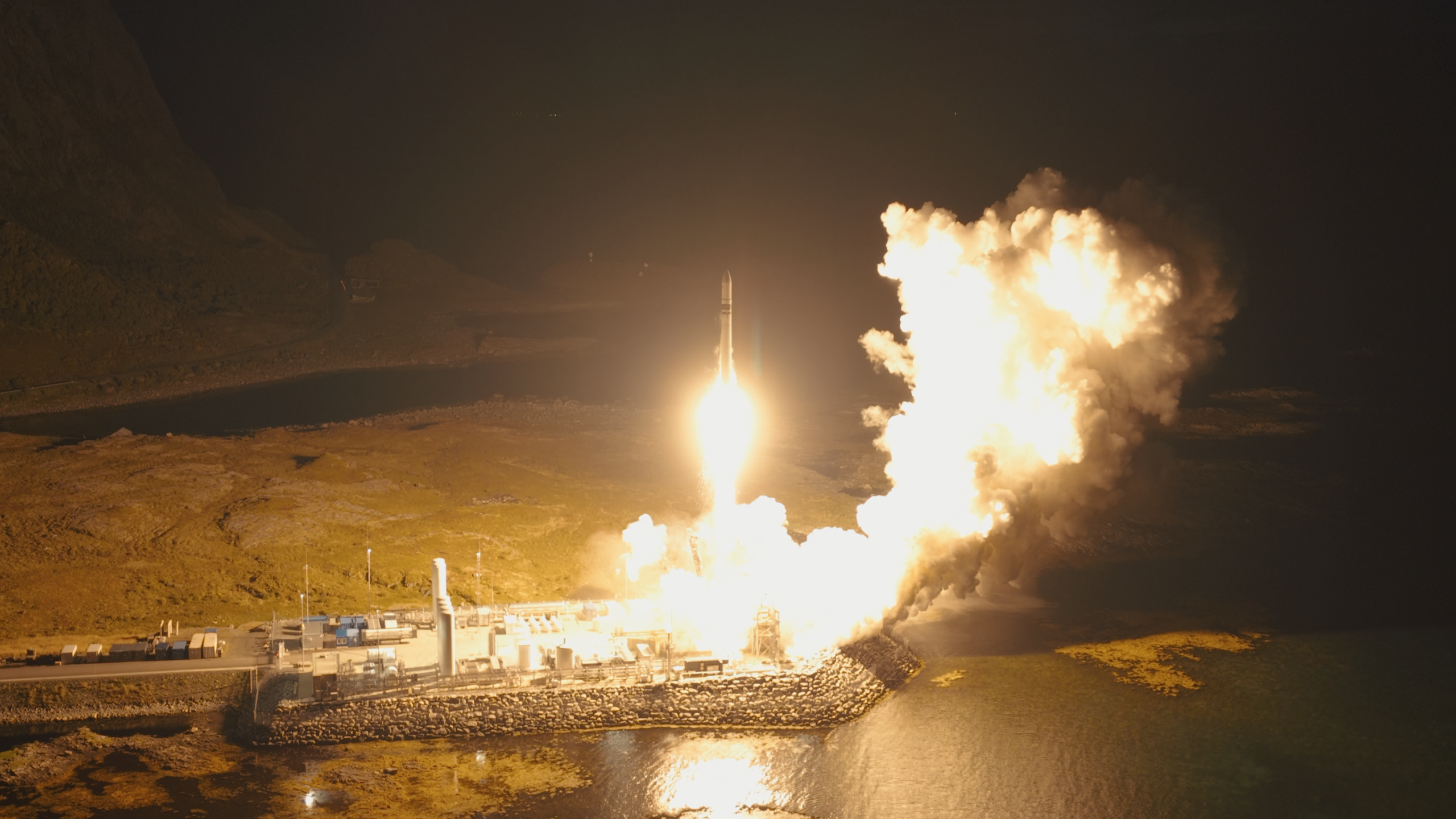
On Saturday, Sept. 5, the German company Isar Aerospace launched the “Onward and Upward” mission from Andøya Spaceport in Norway, successfully reaching orbit and becoming the first company to launch an orbital rocket from continental Europe. The two-stage, 92-foot-tall (28 meters) Spectrum carried carrying five cubesats under the European Space Agency’s “Boost!” program, which supports emerging European launch providers. The flight followed Spectrum’s first test launch in March 2025, which ended after just 30 seconds when the rocket lost control shortly after clearing the pad.
The mission was supported by the European Space Agency’s Boost! program and also fulfilled an important milestone for ESA’s European Launcher Challenge, which requires competing launch providers to reach orbit by 2027 — a bar Isar Aerospace is now the first to clear. “All launches are special,” said ESA’s Director of Space Transportation Géraldine Naja in a statement, “but what Isar Aerospace achieved today is historic: the first European company to reach orbit with their own launch vehicle.” Watch the launch.
On Sunday, Sept. 6, SpaceX launched the Starlink Group 15-24 mission from Vandenberg Space Force Base, adding another batch of satellites to its broadband megaconstellation.
Looking ahead
On Wednesday, Sept. 16, CASC is expected to launch a Long March 12 rocket from the Wenchang Space Launch Site carrying an undisclosed payload, according to tracking from Next Spaceflight.
On Saturday, Sept. 19, SpaceX is slated to launch the Starlink Group 15-27 mission from Vandenberg Space Force Base.