NASA successfully launched its mission to save the Neil Gehrels Swift Observatory on July 3, just over nine months after awarding the rescue contract to Katalyst Space Technologies — a turnaround that left almost no room for error.
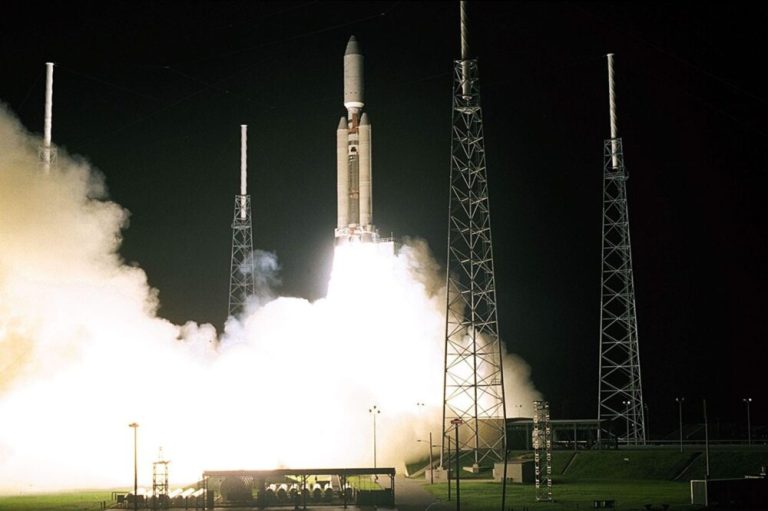
Northrop Grumman’s Pegasus XL rocket dropped from the belly of the L-1011 aircraft Stargazer at roughly 40,000 feet (12,200 meters) above the Marshall Islands at 4:36 a.m. EDT Friday, delivering Katalyst’s LINK spacecraft to orbit. Teams then established communications with LINK, confirming its power systems and solar panels had come online.
The launch followed two scrubbed attempts. Weather delays on Wednesday, July 1, pushed the launch back a day. Then a software issue with Pegasus’s navigation system canceled the Thursday, July 2, attempt.
What is Swift Boost?
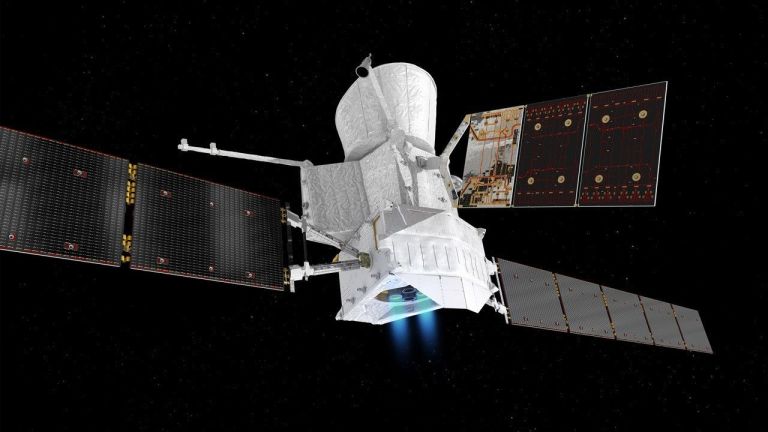
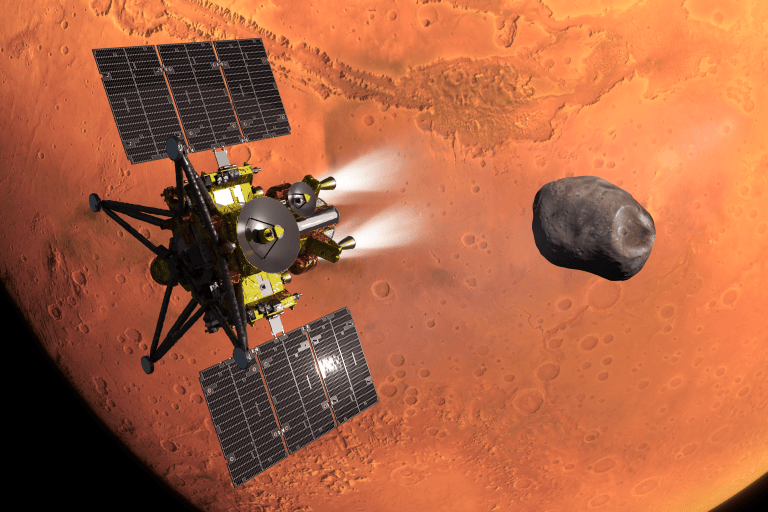
Swift Boost is NASA’s attempt to keep the aging Neil Gehrels Swift Observatory from burning up in the atmosphere. Increased solar activity has intensified drag on the spacecraft as it orbits the outer edges of Earth’s atmosphere, dragging it down faster than expected. Swift was designed without any thrusters of its own, making it incapable of boosting its own orbit. Rather than let the observatory fall, NASA hired Katalyst to build a robotic spacecraft capable of grabbing Swift and hauling it back into a stable orbit.
What is the Swift Observatory?
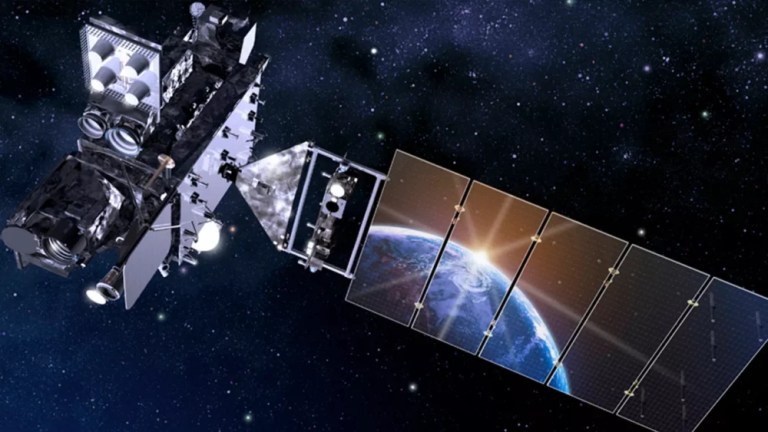
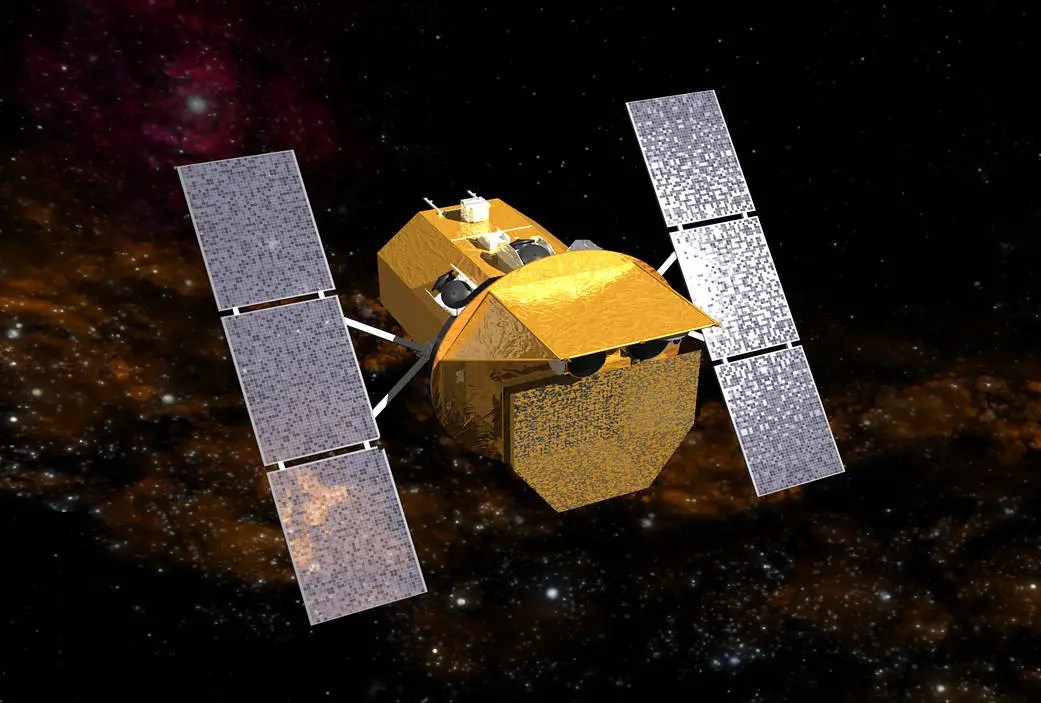
Swift is a space telescope capable of quickly observing a wide range of cosmic events in visible, ultraviolet, X-ray, and gamma-ray light. Launched in 2004 as the Swift Gamma-ray Burst Explorer and later renamed for gamma-ray astronomer Neil Gehrels, the telescope has spent two decades detecting gamma-ray bursts — the universe’s most violent explosions — often within seconds of their occurrence, alerting other observatories to follow up on the phenomenon.
In May 2005, the observatory achieved something no telescope had managed before: catching the afterglow from a short gamma-ray burst, confirming that these flashes come from colliding neutron stars. Four years later, Swift spotted GRB 090423, a burst whose light had traveled more than 13 billion years to reach Earth, telling a tale of the death of a star and the birth of a black hole from the earliest days of the universe.
What is Katalyst Space Technologies?
Katalyst Space Technologies is a small Flagstaff, Arizona-based company that builds autonomous robotic spacecraft designed to service, repair, and extend the lives of satellites already in orbit. In September 2025, NASA awarded the company a $30 million contract to build the rescuer and get it to Swift within a year, a tight timeline that Katalyst executed flawlessly. “In under a year, we’re going from identification of a problem, proposal, contract award to launch,” said Kieran Wilson, Katalyst LINK lead, in a NASA promo video for the mission.
How will LINK boost Swift?
Because Swift was not built with docking hardware, Katalyst engineered a custom capture mechanism that will use three LiDAR-guided robotic arms to latch onto a structural feature without disturbing Swift’s instruments. Over the coming weeks, Katalyst will run LINK through checkouts of its navigation and propulsion systems before the spacecraft approaches Swift, surveys it to determine the best point of contact, and eventually captures and lifts the observatory.
The capture itself will be especially tricky because Swift was never meant to be touched again once it reached orbit. “Nobody took a picture of the backside of Swift before it launched,” Katalyst CEO Ghonhee Lee told Aerospace America. Katalyst’s engineers had to spend months studying any pre-launch photos of Swift that existed. According to Tech Times, they identified small metal rings originally used during ground handling before Swift’s launch as potential targets. No spacecraft has ever attempted to use these flanges as docking points in orbit before. LINK has primary, backup, and secondary backup grapple points identified, giving the team room to adapt once its survey confirms which spots have held up after two decades in orbit.
Swift will actually help in its own rescue. “Swift is an unprepared but cooperative partner in the rendezvous,” said Wilson, as reported by Tech Times. While the observatory can’t boost its orbit, it can control its own orientation. Swift will be able to assist LINK in the proximity operations by maintaining the appropriate orientation. Once the two spacecraft dock, LINK will fire its thrusters to slowly raise the pair’s orbit over several months — a gradual climb back toward Swift’s original altitude. If LINK succeeds, Swift will resume its post, ready to swing toward the next gamma-ray burst the instant its light reaches Earth.
Brooks Mendenhall is a staff writer for Astronomy and is based in Chattanooga, Tennessee.