Rocket launches this week
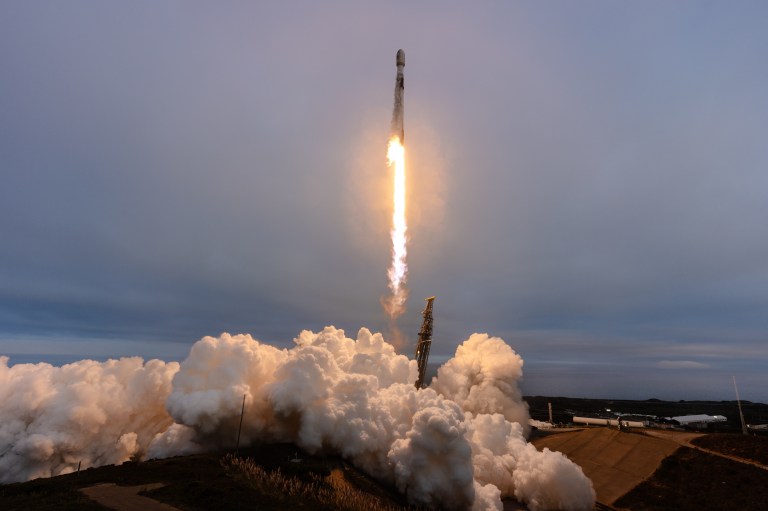
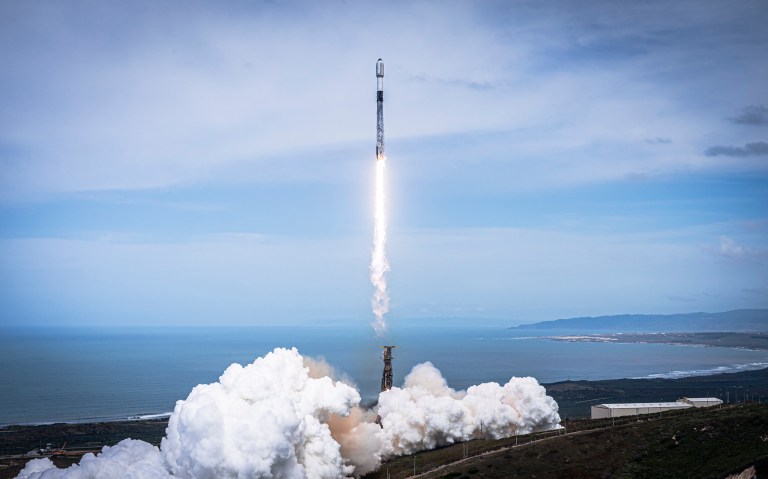
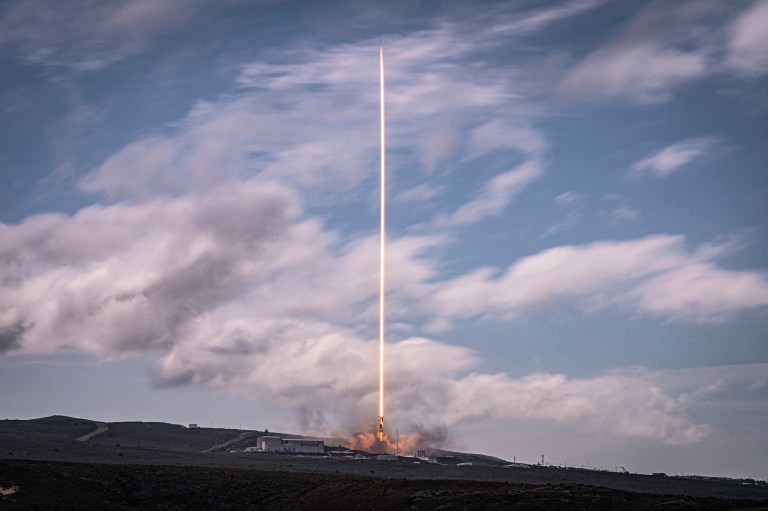
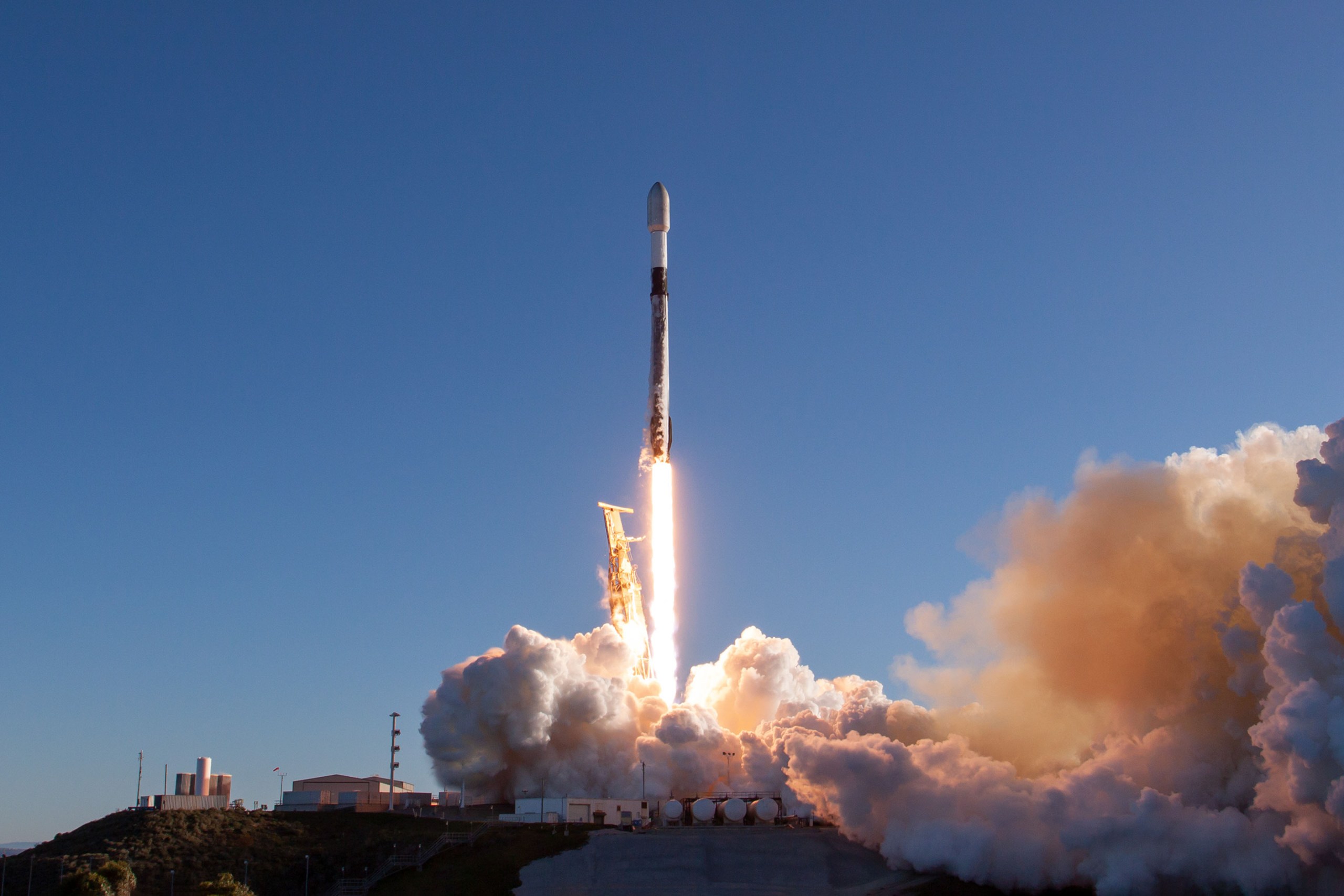
On Tuesday, Oct. 27, SpaceX will launch the Starlink Group 15-16 mission from Vandenberg Space Force Base in California at 12:45 a.m. EDT. The Falcon 9 will carry a batch of satellites for Starlink, SpaceX’s broadband internet constellation, and its first-stage booster is expected to land on the droneship Of Course I Still Love You in the Pacific Ocean.
On Friday, Oct. 30, SpaceX returns to the pad at Vandenberg for the Starlink Group 15-18 mission at 12:02 a.m. EDT. The booster will again target a landing on Of Course I Still Love You.
Later on Friday, Oct. 30, the Indian Space Research Organisation (ISRO), India’s national space agency, will launch the NVS-03 navigation satellite aboard a GSLV Mk II rocket from the Satish Dhawan Space Centre in Sriharikota at 2:21 p.m. EDT. NVS-03 is the third of five second-generation satellites for NavIC (Navigation with Indian Constellation), India’s regional satellite navigation system.
The first of the second-gen satellites, NVS-01, reached orbit in May 2023. But NVS-02, launched in January 2025, failed to reach its designated orbit after a thruster issue. A successful NVS-03 launch would bring NavIC back to the minimum of four working satellites needed to deliver its positioning service.
Closing out the week on Sunday, Nov. 1, SpaceX will launch the USSF-432 mission for the U.S. Space Force from Space Launch Complex 4 East at Vandenberg. SpaceX has not released details about the payload. The Falcon 9 booster will land on Of Course I Still Love You.
Rocket launches last week
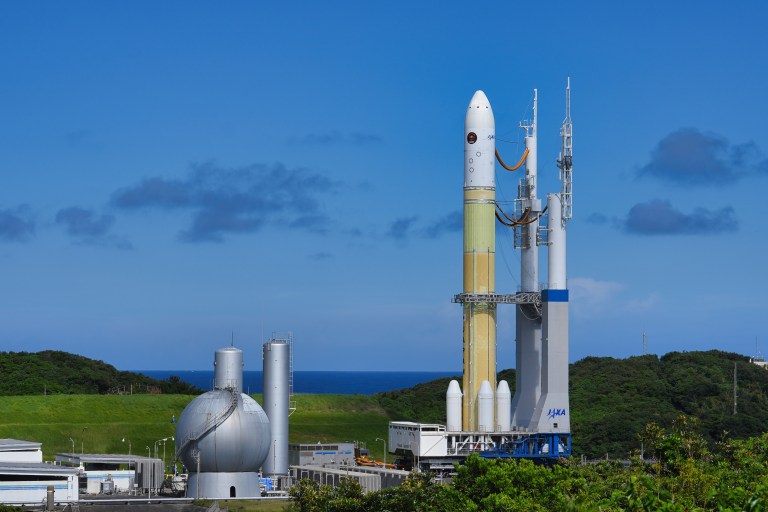
On Monday, Oct. 19, the Japan Aerospace Exploration Agency (JAXA) launched its Martian Moons eXploration (MMX) mission aboard an H3-24L rocket from Tanegashima Space Center at 3:41 p.m. EDT. MMX aims to be the first spacecraft to land on the martian moon Phobos, collect samples from its surface, and return them to Earth. It is scheduled to reach Mars in August 2027. The mission is led by JAXA in collaboration with NASA, the French space agency (CNES), the German Aerospace Center (DLR), and the European Space Agency (ESA).
On Tuesday, Oct. 20, SpaceX launched its Bandwagon-5 rideshare mission from Cape Canaveral Space Force Station at 7:04 a.m. EDT, with the booster landing on A Shortfall of Gravitas. That night at 11:39 p.m. EDT, Chinese company Galactic Energy launched the Xiguang-4 01 satellite aboard a Ceres-1S rocket from the Haiyang Oriental Spaceport, a sea-launch facility off China’s Shandong Province.
Friday, Oct. 23, was the week’s busiest day. Rocket Lab kicked it off at 3:11 a.m. EDT with “We’re Not Hawking Around,” an Electron launch from Launch Complex 1 on New Zealand’s Māhia Peninsula carrying three satellites for HawkEye 360, a company that tracks radio signals from orbit to monitor ships, aircraft, and other activity. The China Aerospace Science and Technology Corporation (CASC), the country’s main state-owned space contractor, followed with two launches: a Long March 6A carried Yaogan 50-03 from the Taiyuan Satellite Launch Center at 6:15 a.m. EDT, and a Long March 4B carried six more Yaogan satellites from the Jiuquan Satellite Launch Center at 3:25 p.m. EDT. That evening at 6:48 p.m. EDT, SpaceX launched Starlink Group 15-15 from Vandenberg, with the booster landing on Of Course I Still Love You.
The week closed on Saturday, Oct. 24, when CASC launched SatNet LEO Group 28 aboard a Long March 8A from the Wenchang Space Launch Site on Hainan Island at 10:03 p.m. EDT. The satellites are part of Guowang, China’s state-run broadband megaconstellation.
Upcoming rocket launches
On Thursday, Nov. 5, SpaceX is slated to launch the Starlink Group 15-21 mission from Vandenberg at 12:14 a.m. EST, with the booster landing on Of Course I Still Love You.
Brooks Mendenhall is a staff writer at Astronomy, based in Chattanooga, Tennessee, fueled by an unending curiosity about the universe. A former classroom teacher, he has a knack for breaking down complex concepts for a wide audience.