Rocket launches this week
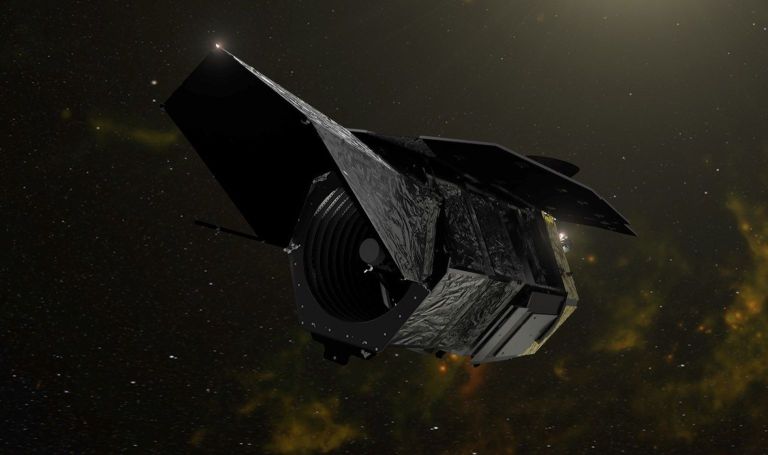
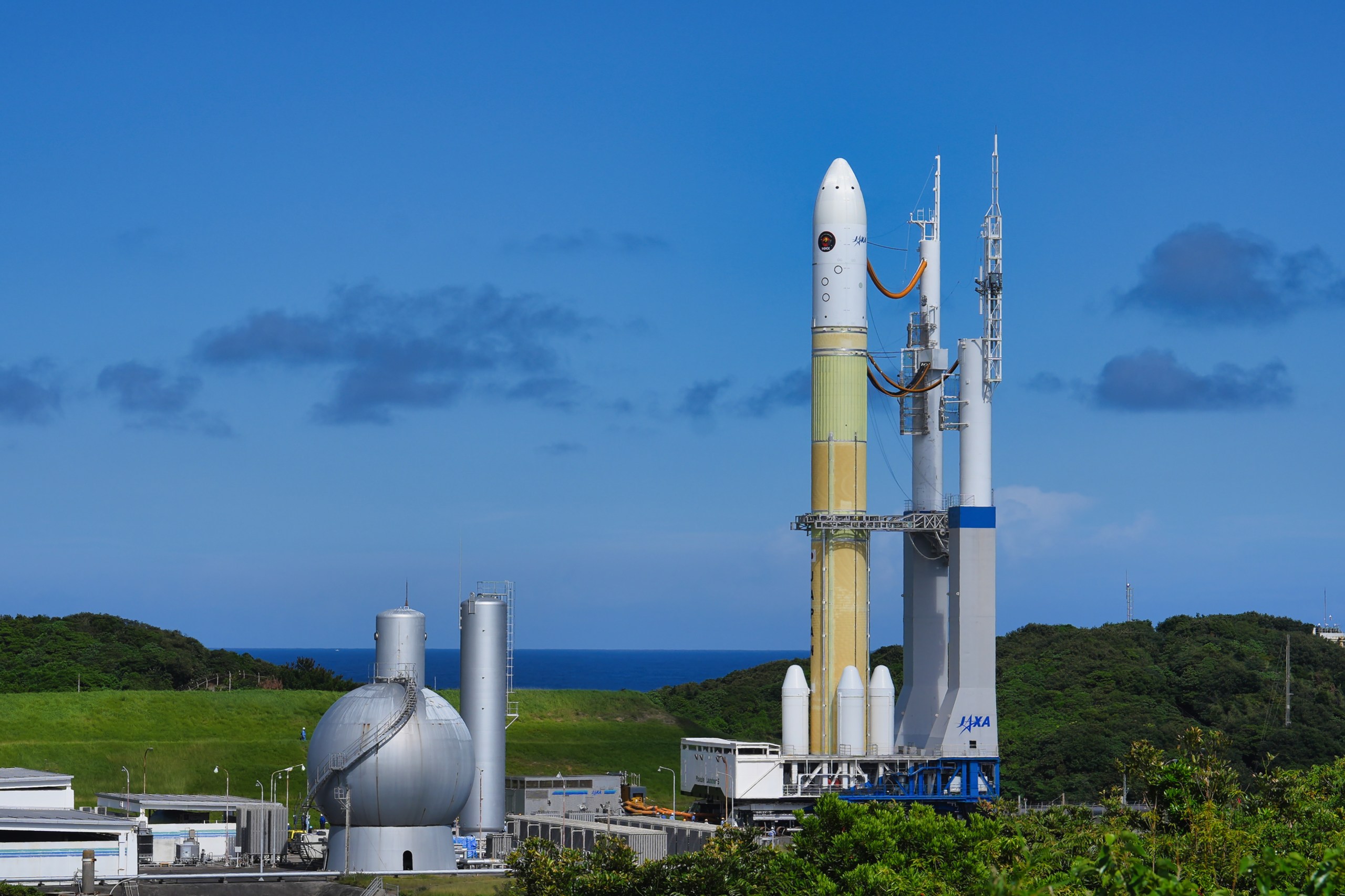
On Monday, Oct. 19, the Japan Aerospace Exploration Agency (JAXA) successfully launched its Martian Moons eXploration (MMX) mission aboard an H3-24L rocket from Tanegashima Space Center in southern Japan at 3:41 p.m. EDT. MMX will study the martian moons Phobos and Deimos and is designed to return a sample from Phobos by 2031.
RELATED: Japan prepares to launch sample return mission to Phobos
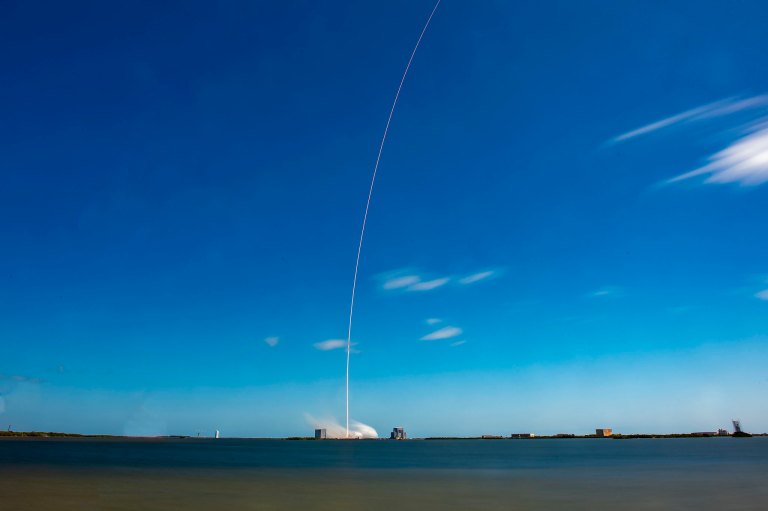
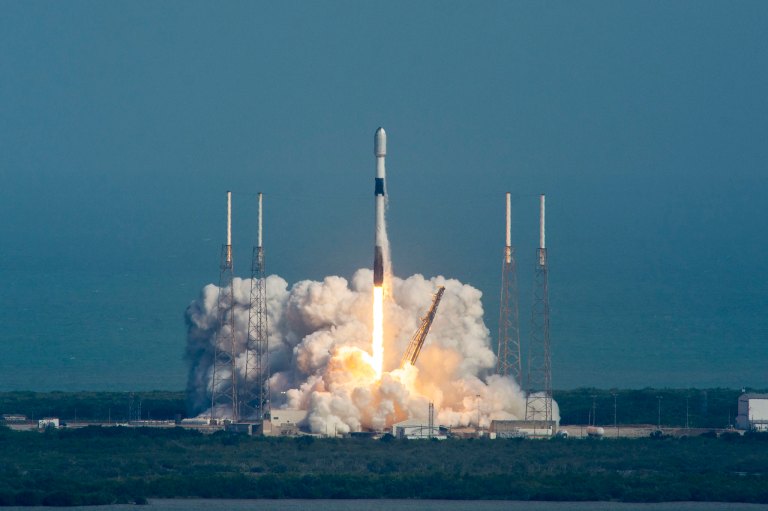
On Tuesday, Oct. 20, SpaceX will launch its Bandwagon-5 rideshare mission from Cape Canaveral Space Force Station in Florida at 6:30 a.m. EDT. Bandwagon flights carry customer satellites to mid-inclination orbits tilted partway between the equator and the poles, which SpaceX says offer “higher revisit rates” for satellites, meaning they pass over the same point on Earth more frequently. The Falcon 9 booster is expected to land on the droneship A Shortfall of Gravitas in the Atlantic Ocean.
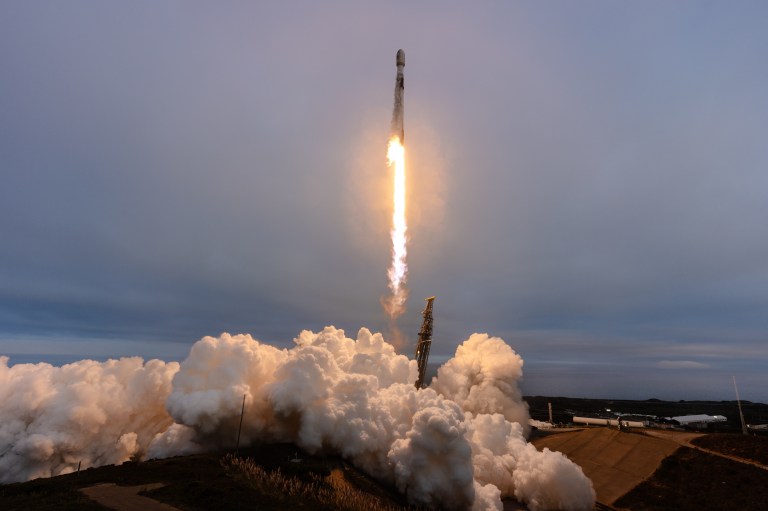
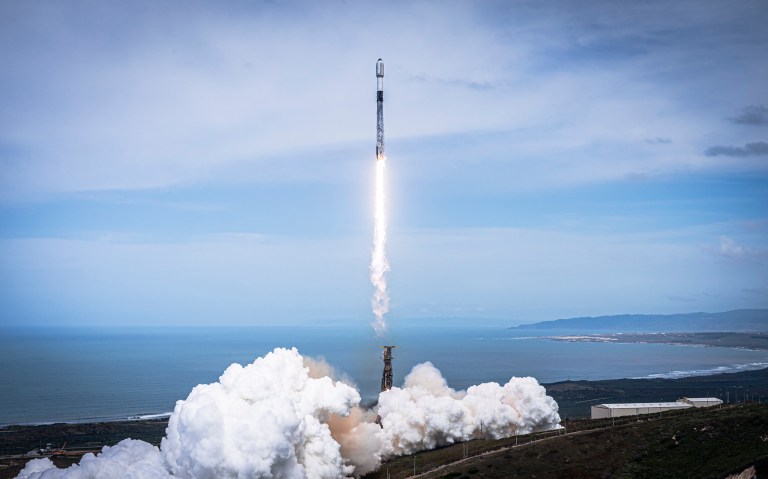
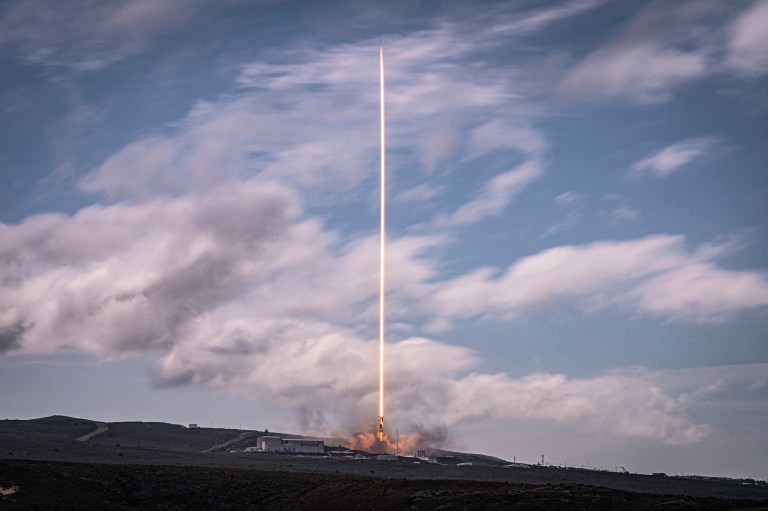
Later on Tuesday, Oct. 20, SpaceX will launch the Starlink Group 15-15 mission from Vandenberg Space Force Base in California at 6:14 p.m. EDT, adding another batch of broadband internet satellites to the company’s Starlink constellation. The booster is slated to land on the droneship Of Course I Still Love You in the Pacific Ocean.
Closing out Tuesday, Oct. 20, Chinese commercial launch company Galactic Energy is scheduled to fly a Ceres-1S — the sea-launched version of its small Ceres-1 rocket — from the Haiyang Oriental Spaceport off China’s eastern coast at 11:35 p.m. EDT. The payload has not been publicly identified, according to NextSpaceflight.
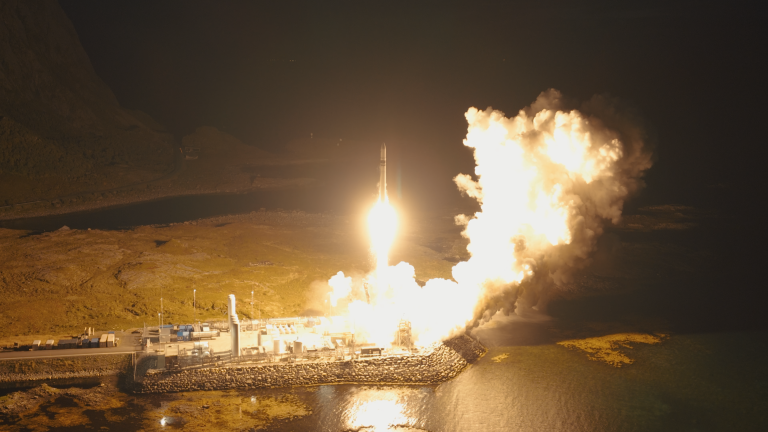
On Wednesday, Oct. 21, Rocket Lab is targeting 1:00 a.m. EDT for “We’re Not Hawking Around” aboard an Electron rocket from Launch Complex 1 on New Zealand’s Māhia Peninsula. The rocket will carry three satellites for Virginia-based private defense firm HawkEye 360’s satellite constellation — a radio-frequency spectrum monitoring system that collects data for national defense interests.
Late on Wednesday, Oct. 21, the China Aerospace Science and Technology Corporation (CASC), the country’s main state-owned space contractor, will launch a Long March 8A from the Wenchang Space Launch Site on Hainan Island at 10:57 p.m. EDT. The payload is undisclosed, according to NextSpaceflight.
On Friday, Oct. 23, CASC plans a doubleheader. A Long March 6A is scheduled to lift off from the Taiyuan Satellite Launch Center in northern China at 6:15 a.m. EDT, followed by a Long March 4B from the Jiuquan Satellite Launch Center in the Gobi Desert at 3:25 p.m. EDT. Neither payload has been identified, according to NextSpaceflight.
Wrapping up the week on Saturday, Oct. 24, SpaceX will launch the Starlink Group 15-16 mission from Vandenberg at 1:29 a.m. EDT. The booster is expected to land on Of Course I Still Love You.
Rocket launches last week
On Monday, Oct. 12, SpaceX launched the Starlink Group 15-25 mission from Vandenberg Space Force Base at 8:28 p.m. EDT, with the booster landing on Of Course I Still Love You. The next morning, Tuesday, Oct. 13, SpaceX flew CRS SpX-35 from Cape Canaveral Space Force Station at 6:33 a.m. EDT, sending a Cargo Dragon on a commercial resupply run to the International Space Station. The Falcon 9 booster returned to Landing Zone 40 at Cape Canaveral.
On Wednesday, Oct. 14, Chinese commercial company Landspace launched a ZhuQue-2E Block 2 rocket carrying 10 satellites from the Jiuquan Satellite Launch Center at 7:40 a.m. EDT. The week closed on Thursday, Oct. 15, when SpaceX launched USSF-481 for the U.S. Space Force from Vandenberg at 8:01 p.m. EDT, with the booster again landing on Of Course I Still Love You.
Upcoming rocket launches
On Oct. 28, SpaceX is slated to launch the Starlink Group 15-18 mission from Vandenberg Space Force Base at 12:31 a.m. EDT.
Brooks Mendenhall is a staff writer at Astronomy, based in Chattanooga, Tennessee, fueled by an unending curiosity about the universe. A former classroom teacher, he has a knack for breaking down complex concepts for a wide audience.