Rocket launches this week
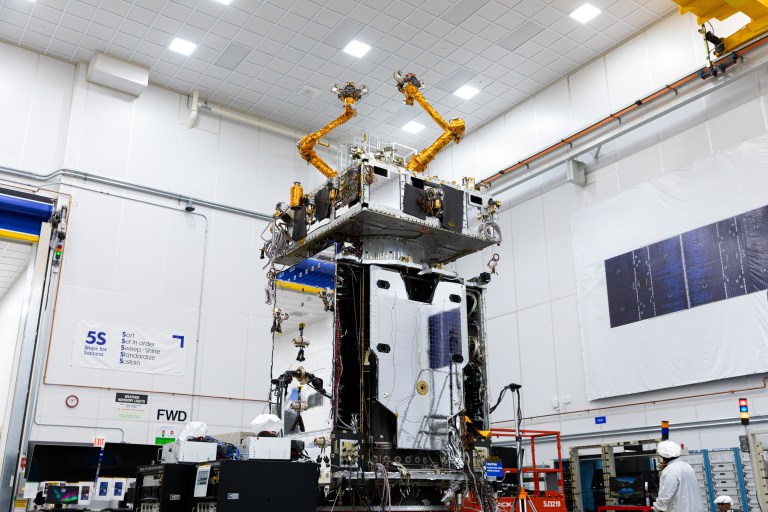
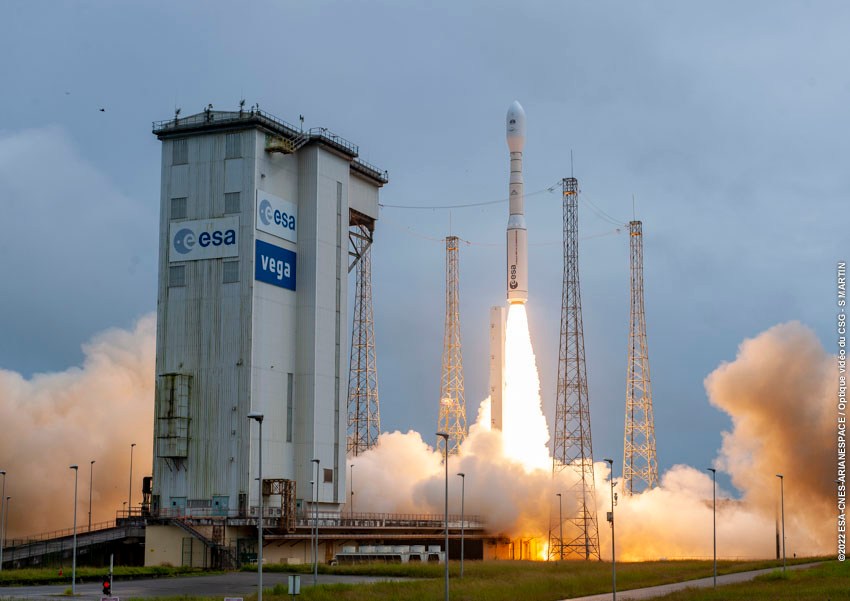
On Monday, Sept. 14 at 9:21 p.m. EST, Avio — a publicly traded Italian aerospace company headquartered near Rome — is set to launch a Vega C rocket from the Guiana Space Centre in French Guiana, carrying two Earth-observation satellites for the European Space Agency (ESA). The first, Sentinel-3C, is the third of four planned Sentinel-3 Earth-observation satellites in ESA’s Copernicus program – a constellation designed for monitoring Europe’s oceans, land, ice, and atmosphere. FLEX, the other satellite on board, will map the fluorescence of plants around the world, a signal of vegetation health invisible to the naked eye.
Early Tuesday, Sept. 15 at 2:25 a.m. EST, Beijing-based private aerospace firm Landspace is scheduled to launch a ZhuQue-2E Block 2 rocket carrying an undisclosed payload from Jiuquan Satellite Launch Center in northern China’s Gobi Desert, according to tracking from Next Spaceflight.
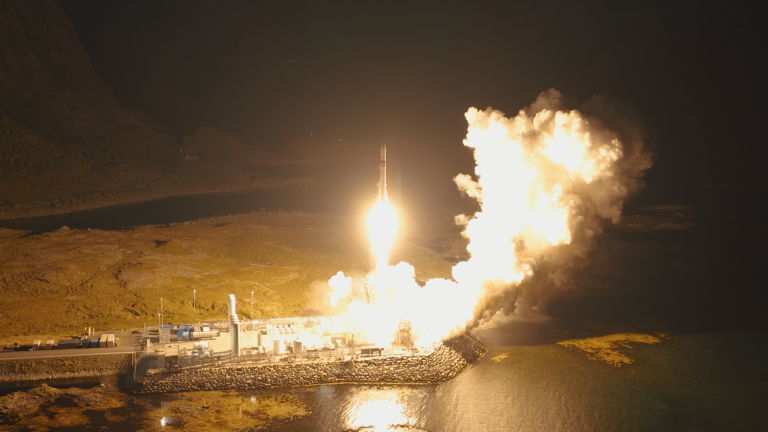
Later Tuesday, Sept. 15 at 5:55 p.m. EST, the privately held Chinese launch startup Orienspace is set to fly a Gravity 1 rocket — the world’s most powerful solid-fuel rocket — from the Haiyang Oriental Spaceport on China’s eastern seaboard, with an undisclosed payload, according to tracking from Next Spaceflight.
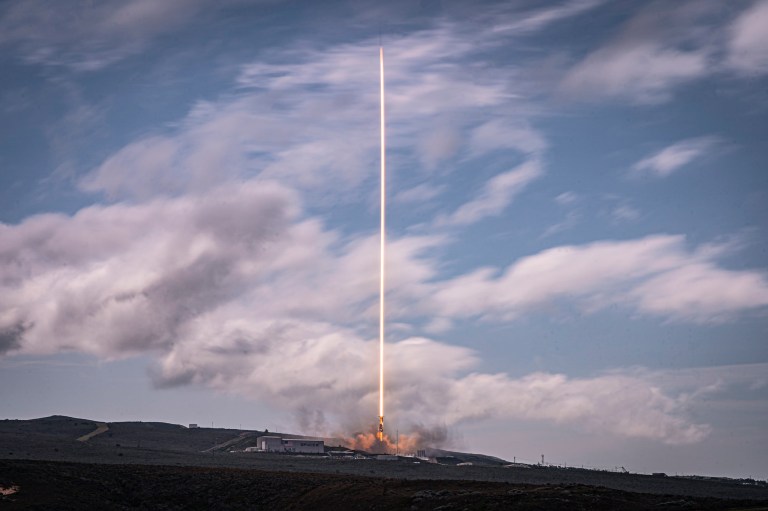
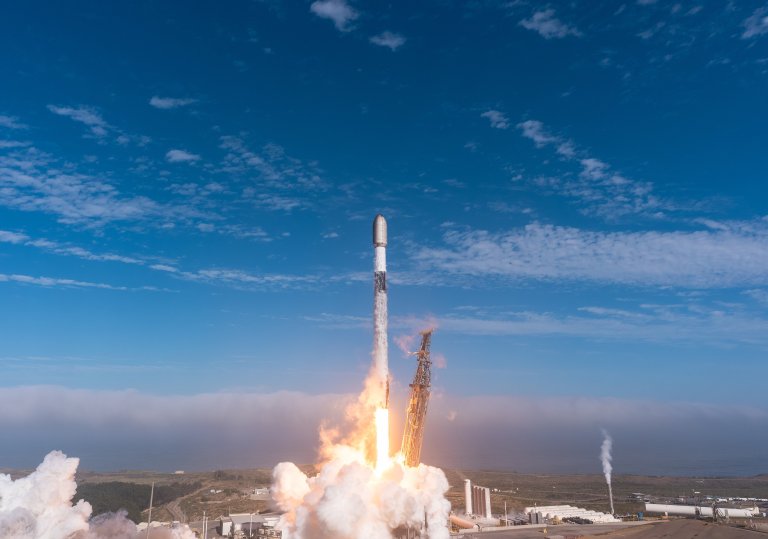
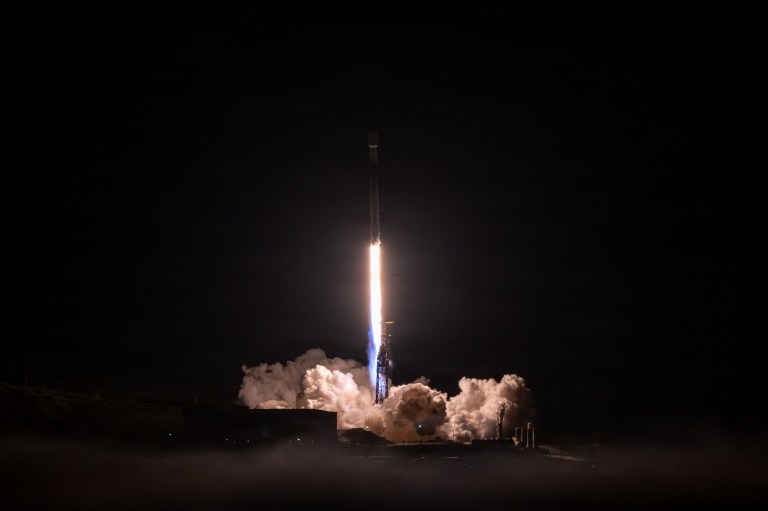
Closing out Tuesday, Sept. 15 at 9:00 p.m. EST, SpaceX will launch the USSF-259 mission for the U.S. Space Force aboard a Falcon 9 from Vandenberg Space Force Base in California. Payload details have not been publicly disclosed. The booster will target a landing on the droneship Of Course I Still Love You in the Pacific Ocean.
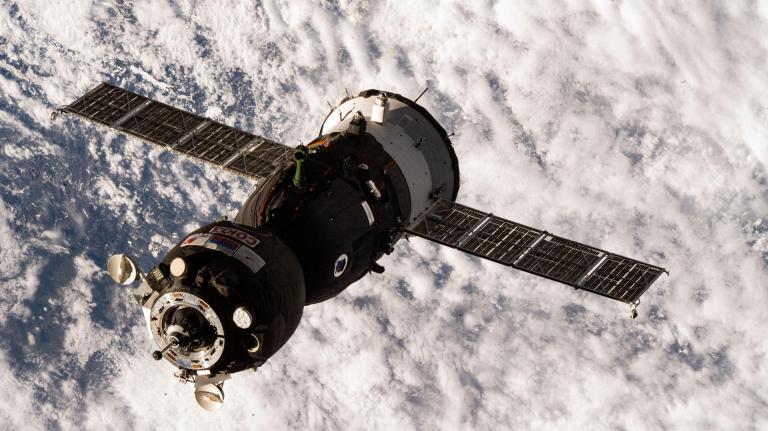
On Wednesday, Sept. 16 at 9:33 a.m. EST, Roscosmos is scheduled to launch the Progress MS-35 cargo mission to the International Space Station aboard a Soyuz 2.1b rocket from the Baikonur Cosmodrome in Kazakhstan. The launch was originally scheduled for Sept. 9, but was scrubbed after an issue with the rocket’s third stage. The mission will carry around 3 tons of fuel, food, water, and other supplies for the ISS crew. Watch the launch.
Later on Wednesday, Sept. 16 at 8:30 p.m. EST, the China Aerospace Science and Technology Corporation (CASC), the state-owned contractor and primary builder of China’s Long March rocket family, is expected to launch a Long March 12 rocket from the Wenchang Space Launch Site on the coast of Hainan island in the South China Sea, carrying an undisclosed payload, according to tracking from Next Spaceflight.
Closing out Wednesday, Sept. 16 at 10:35 p.m. EST, state-owned Chinese commercial launch company ExPace is scheduled to launch a medium-lift, solid-fuel Kuaizhou 11 rocket from Jiuquan Satellite Launch Center, carrying an undisclosed payload, according to tracking from Next Spaceflight.
On Saturday, Sept. 19 at 6:50 a.m. EST, CASC is set to launch a Long March 2D rocket from the Taiyuan Satellite Launch Center in northeastern China’s Shanxi province carrying an undisclosed payload, according to tracking from Next Spaceflight.
Closing out the week, on Saturday, Sept. 19 at 9:47 p.m. EST, SpaceX will launch the Starlink Group 15-27 mission from Vandenberg Space Force Base, adding another batch of satellites to its broadband megaconstellation.
Rocket launches last week
On Wednesday, Sept. 10, CASC launched a Long March 4B rocket from Jiuquan Satellite Launch Center carrying six military reconnaissance satellites — Yaogan 53-01, 02, and 03 along with Yaogan 56-01, 02, and 03.
Later that day, SpaceX launched the USSF-153 mission for the U.S. Space Force aboard a Falcon 9 from Vandenberg Space Force Base, with the booster landing on the droneship Of Course I Still Love You.
Closing out the day, Rocket Lab launched its “Happily Ever Faster” mission on an Electron rocket from Māhia Peninsula, New Zealand, deploying a single Earth-observation satellite for an undisclosed customer — the company’s 16th Electron launch of the year.
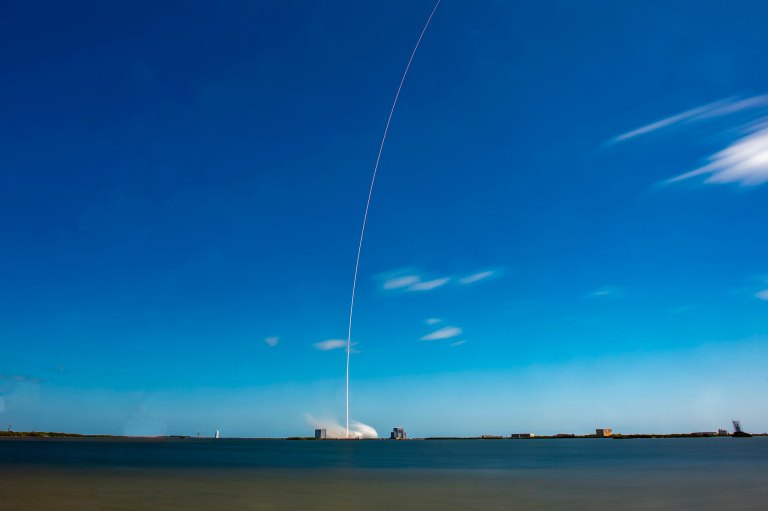
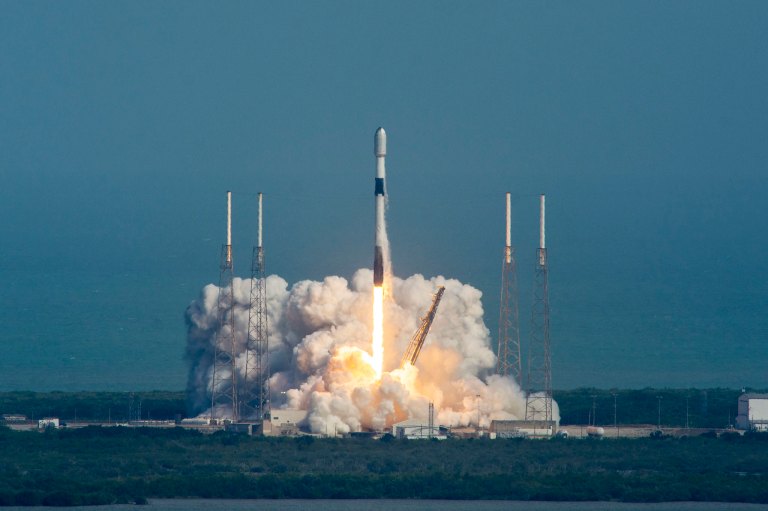
On Sunday, Sept. 13, SpaceX wrapped up the week by launching the final three satellites in SES’s O3b mPOWER medium-Earth-orbit broadband constellation from Cape Canaveral Space Force Station in Florida.
Upcoming rocket launches
Starship Flight 14, the next test of SpaceX’s fully and rapidly reusable Starship-Super Heavy system, is tentatively targeting launch on Sept. 22 according to an FAA Operations Plan Advisory. The tallest and most powerful rocket ever built, NASA has selected the vehicle to land astronauts on the Moon under the Artemis program. Every Starship flight to date has followed a suborbital arc, reentering the atmosphere shortly after launch, but SpaceX CEO Elon Musk has indicated that Flight 14 is targeting the vehicle’s first true orbital flight.
Brooks Mendenhall is a staff writer at Astronomy, based in Chattanooga, Tennessee, fueled by an unending curiosity about the universe. A former classroom teacher, he has a knack for breaking down complex concepts for a wide audience.