Rocket launches this week
On Monday, Aug. 31, Chinese commercial launch company Galactic Energy is targeting 10:00 p.m. EDT for the debut test flight of its Pallas-1 rocket from Jiuquan Satellite Launch Center in northern China’s Gobi Desert according to tracking from Next Spaceflight. Pallas-1 is a partially reusable, medium-lift rocket designed to land vertically, like SpaceX’s Falcon 9, up to 25 times.
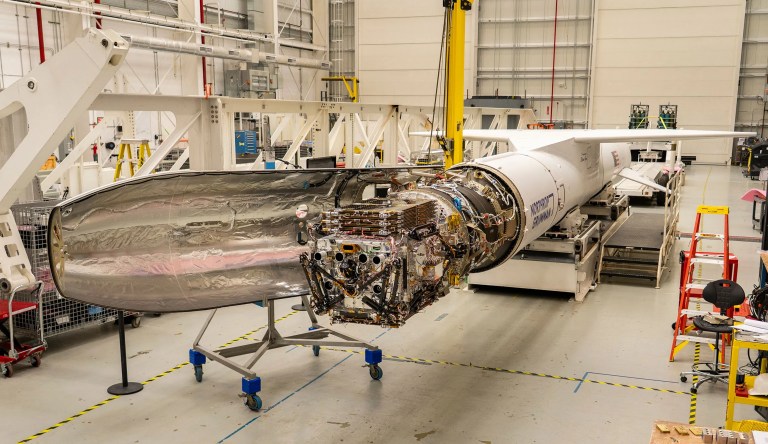
On Tuesday, Sept. 1, Rocket Lab is targeting 7:38 a.m. EDT for an Electron launch dubbed “Owl Around The World” from Launch Complex 1 on New Zealand’s Māhia Peninsula. The mission will deploy a single StriX synthetic aperture radar satellite to low Earth orbit for Synspective, a Japan-based Earth-observation constellation operator.
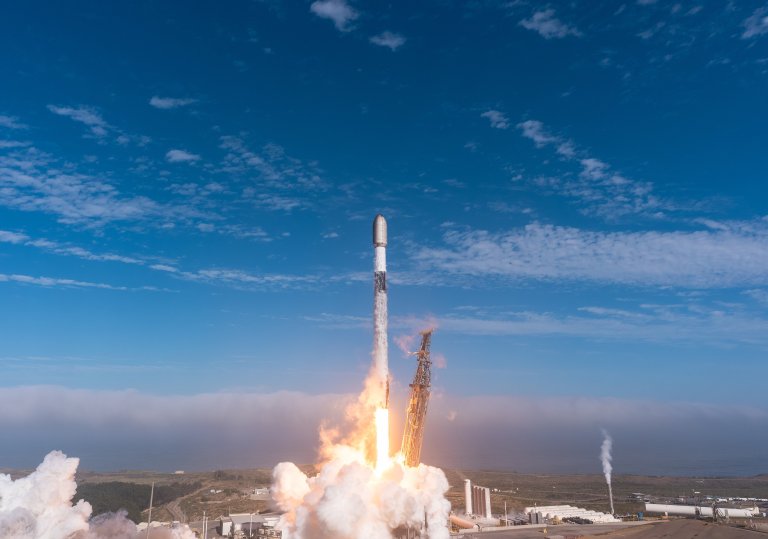
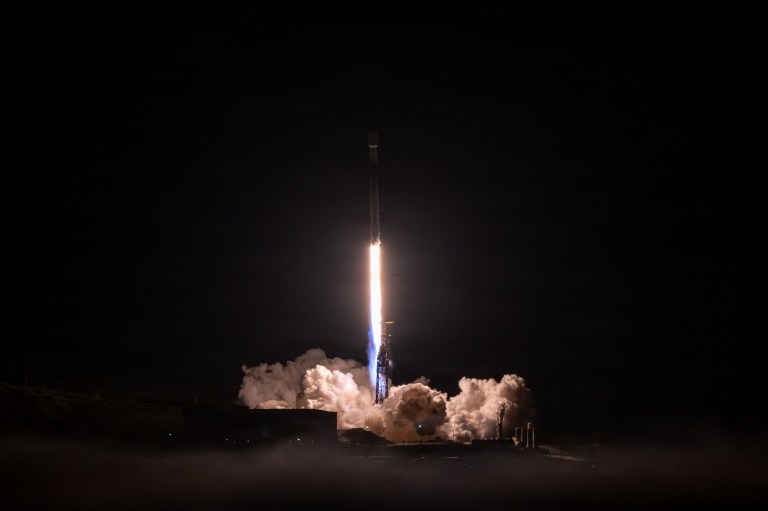
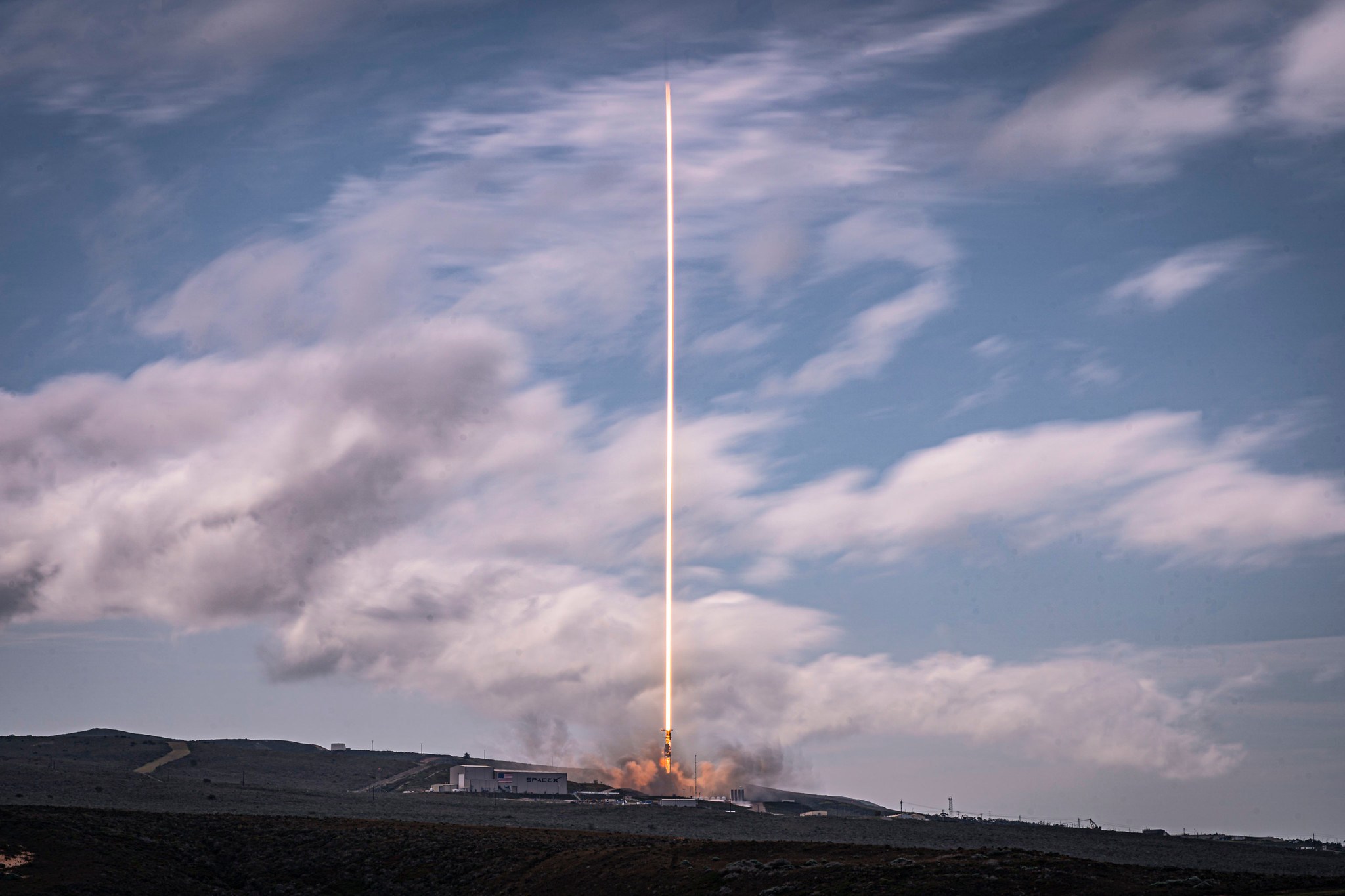
On Wednesday, Sept. 2, SpaceX is targeting 3:46 a.m. EDT for the Starlink Group 15-23 mission from Vandenberg Space Force Base, California. The Falcon 9 booster is expected to land on the droneship Of Course I Still Love You in the Pacific. Watch it here.
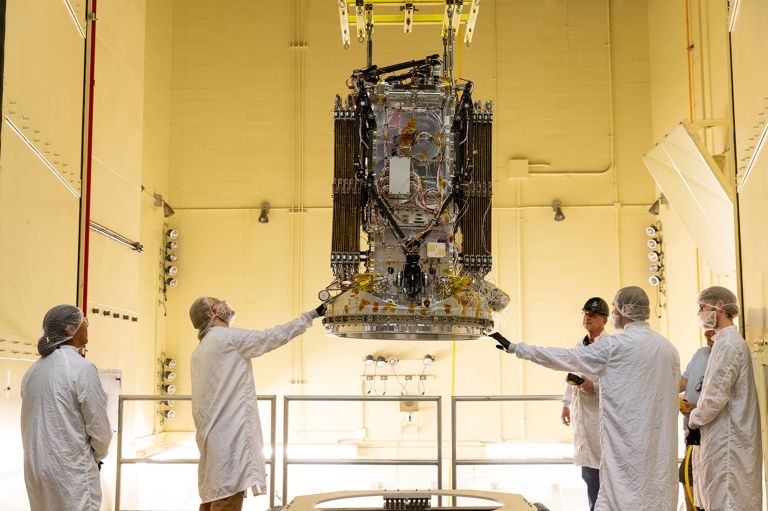
On Thursday, Sept. 3, the Indian Space Research Organization (ISRO) is targeting 5:25 p.m. EDT for the launch of its GSLV-F17 mission, carrying the EOS-05 Earth-observation satellite, from the Satish Dhawan Space Centre on India’s east coast. EOS-05 is the agency’s first imaging satellite operating from geosynchronous orbit.
On Friday, Sept. 4, German aerospace company Isar Aerospace is targeting 4:00 p.m. EDT for “Onward and Upward,” the second flight of its Spectrum rocket from Andøya Spaceport in Norway according to tracking from Next Spaceflight. The mission is both a qualification flight and Spectrum’s first with paying customers aboard, carrying five cubesats under the European Space Agency’s “Boost!” program, which supports emerging European launch providers. The mission has been repeatedly scrubbed since early this year, and comes after Spectrum’s debut flight failed shortly after liftoff in March 2025.
RELATED: Debut flight of Isar Aerospace Spectrum rocket ends in explosion
On Sunday, Sept. 6, SpaceX closes out the week with the Starlink Group 15-24 mission from Vandenberg at 6:59 a.m. EDT, with the booster again targeting the droneship Of Course I Still Love You. Watch it here.
Rocket launches last week
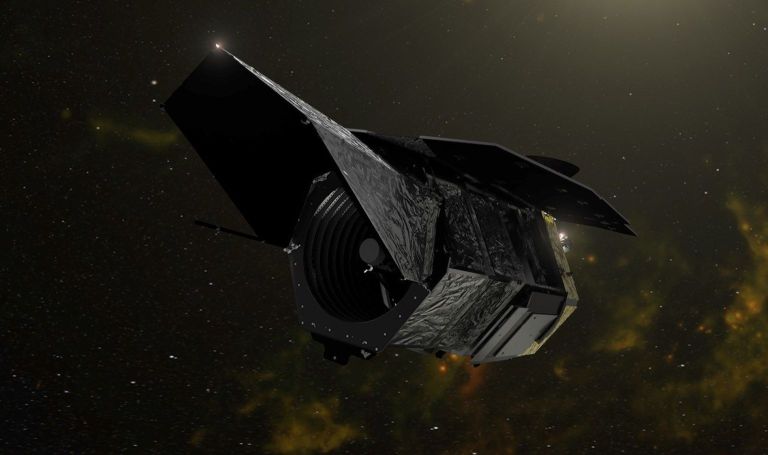
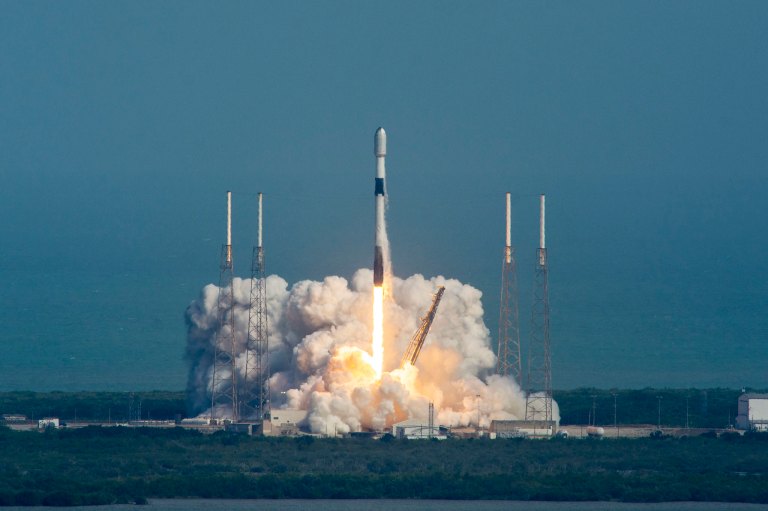
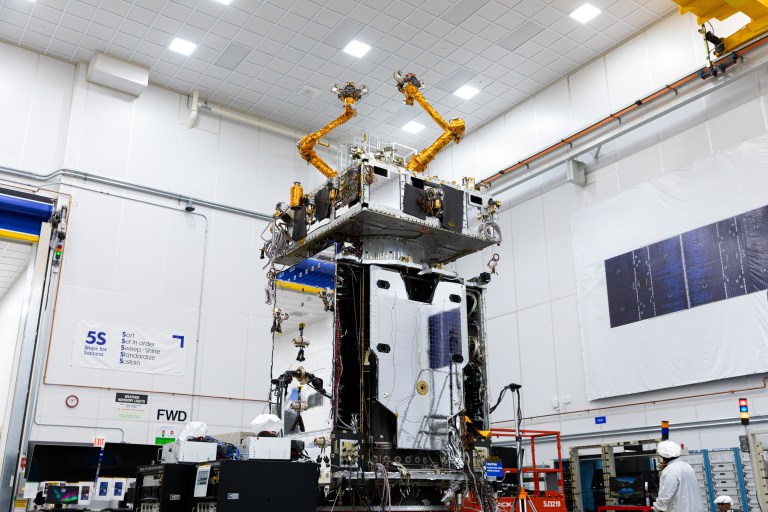
NASA’s Nancy Grace Roman Space Telescope was the big launch news last week. The observatory launched Sunday, Aug. 30, at 7:26 a.m. EDT aboard a SpaceX Falcon Heavy from Kennedy Space Center’s Launch Complex 39A, with both side boosters returning for a landing back at the Cape. Roman separated from the Falcon Heavy’s second stage about 31 minutes after liftoff, and within the next hour deployed its solar panels and lower instrument Sun shade. The telescope is now on a roughly 1 million-mile journey (1.5 million kilometers) to the Sun-Earth L2 point. In about a month, Roman will arrive and begin surveying the sky at a pace about 1,000 times faster than Hubble, helping scientists to discover exoplanets and unlock the mysteries of dark energy and dark matter.
Earlier in the week, Arianespace launched the MTG-I2 weather satellite Aug. 27 aboard an Ariane 62 from French Guiana. The launch completed The European Organisation for the Exploitation of Meteorological Satellites’ (EUMETSAT) three-satellite Meteosat Third Generation imaging constellation.
SpaceX also flew two Starlink missions during the week: Group 10-49 from Cape Canaveral on Aug. 25, with the booster landing on the droneship A Shortfall of Gravitas, and Group 15-22 from Vandenberg on Aug. 26, landing on Of Course I Still Love You.
Upcoming rocket launches
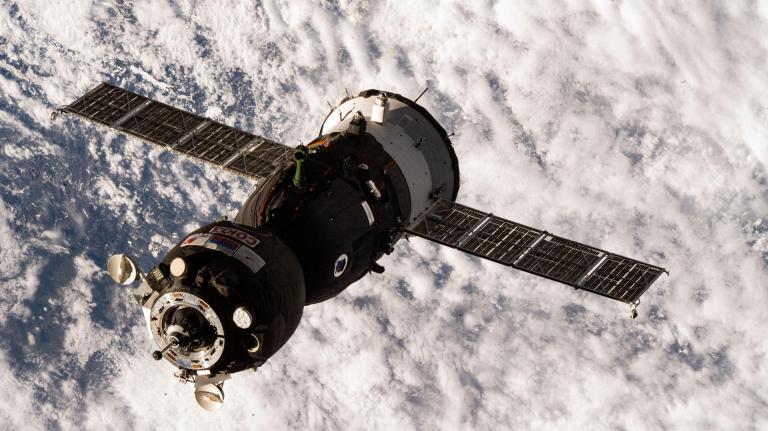
On Wednesday, Sept. 9, Roscosmos is targeting 12:15 p.m. EDT for the launch of the Progress MS-35 cargo spacecraft aboard a Soyuz 2.1b from Baikonur Cosmodrome, delivering supplies to the International Space Station.
On Friday, Sept. 11, the state-owned China Aerospace Science and Technology Corporation (CASC) is targeting 12:00 p.m. EDT for a Long March 8A launch from Wenchang Space Launch Site on the coast of Hainan Island in the South China Sea, carrying an undisclosed payload, according to tracking from Next Spaceflight.
Brooks Mendenhall is a staff writer at Astronomy, based in Chattanooga, Tennessee, fueled by an unending curiosity about the universe. A former classroom teacher, he has a knack for breaking down complex concepts for a wide audience.