Rocket launches this week
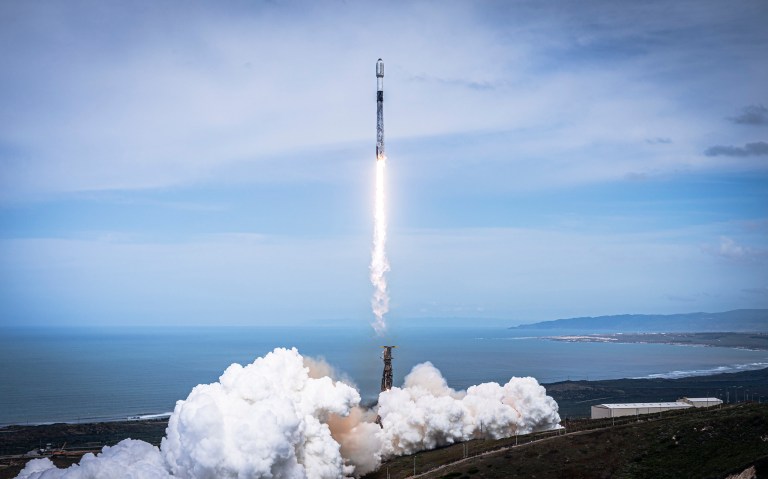
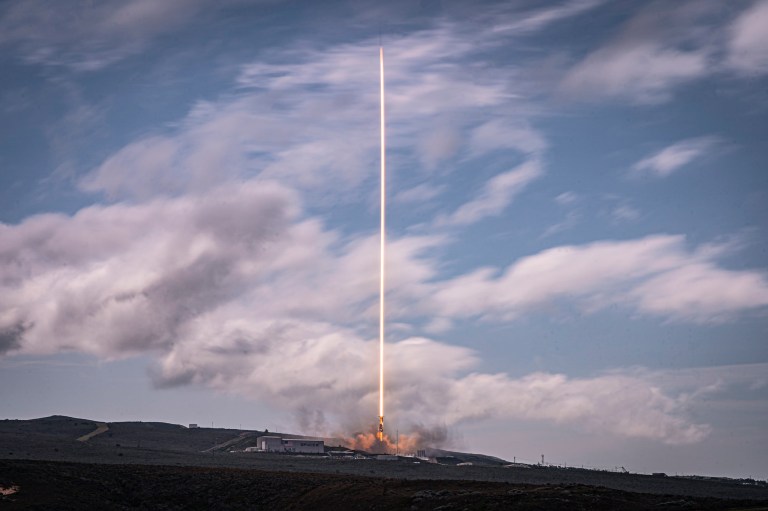
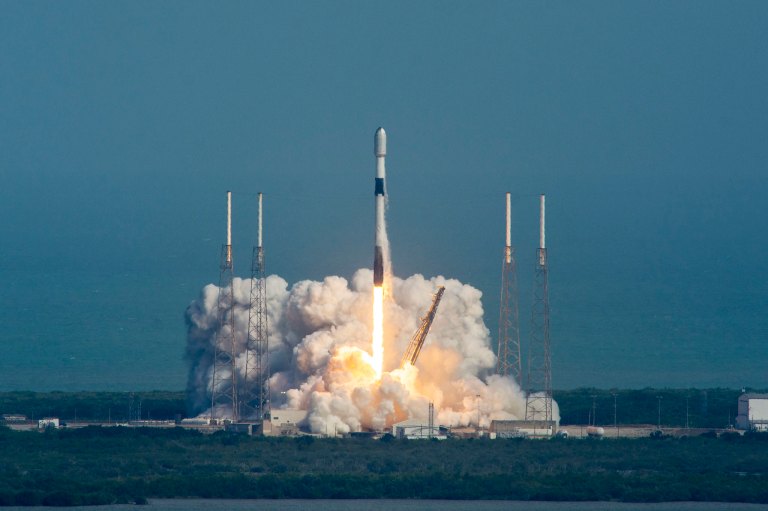
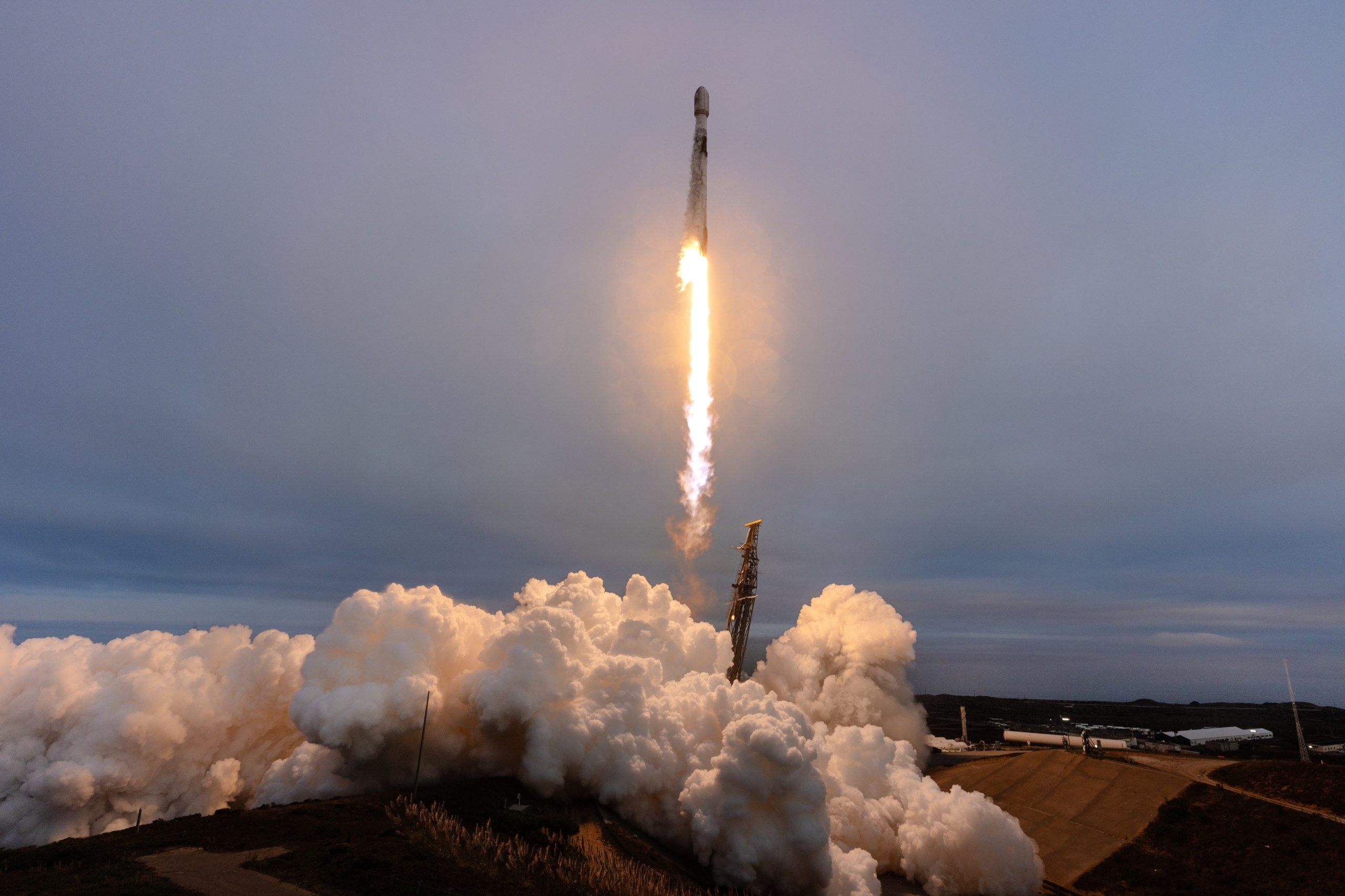
On Tuesday, Oct. 6, SpaceX will launch the Tranche 1 Transport Layer A mission for the U.S. Space Development Agency (SDA) from Vandenberg Space Force Base in California at 4:17 a.m. EDT. The Falcon 9 will carry satellites for SDA’s Transport Layer, a network of military satellites in low Earth orbit. The booster is expected to return to Landing Zone 4 at Vandenberg.
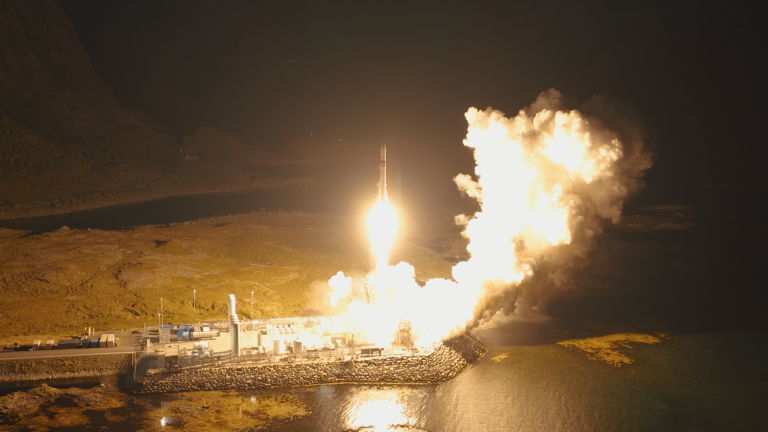
Later on Tuesday, Oct. 6, the Korea Aerospace Research Institute (KARI) will launch its KSLV-2 rocket, known as Nuri, from the Naro Space Center in South Korea at 11:23 p.m. EDT. The rocket carries NeonSat-2 through NeonSat-6, small Earth-observation satellites in a planned constellation to monitor the Korean Peninsula. It also carries 10 CubeSats. This will be Nuri’s fifth flight.
On Friday, Oct. 9, the China Aerospace Science and Technology Corporation (CASC) will launch a Long March 12 rocket from the Wenchang Space Launch Site on Hainan Island at 3:25 p.m. EDT, according to NextSpaceflight. The payload has not been disclosed.
On Saturday, Oct. 10, SpaceX will launch Starlink Group 15-25 from Vandenberg at 7:00 p.m. EDT. The booster is slated to land on the droneship Of Course I Still Love You in the Pacific Ocean.
Rocket launches last week
Last week brought Starship’s first trip to orbit, a fresh crew to the International Space Station, and a SpaceX tripleheader.
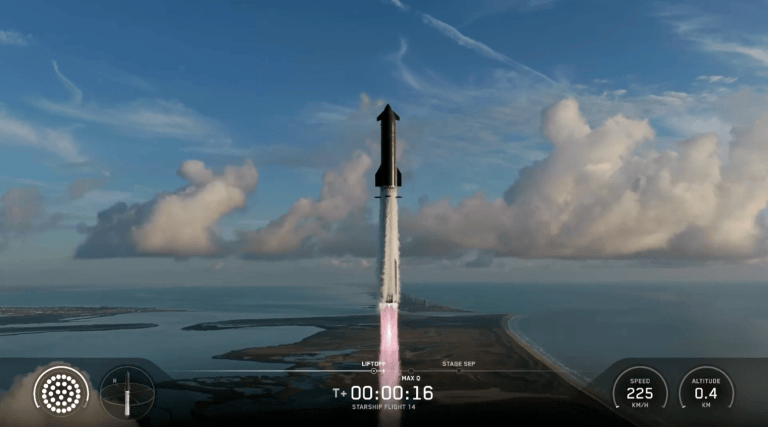
On Monday, Sept. 28, SpaceX’s Starship reached orbit for the first time on Flight 14, lifting off at 8:46 a.m. EDT from Starbase, Texas. The flight met both of its primary goals, reaching orbit and adding Starlink satellites to SpaceX’s constellation, though the mission ended about seven hours early. Ship 41 deployed 26 V3 Starlink satellites. SpaceX cut the flight short in part due to an engine issue during ascent, bringing Starship down in the northern Pacific Ocean.
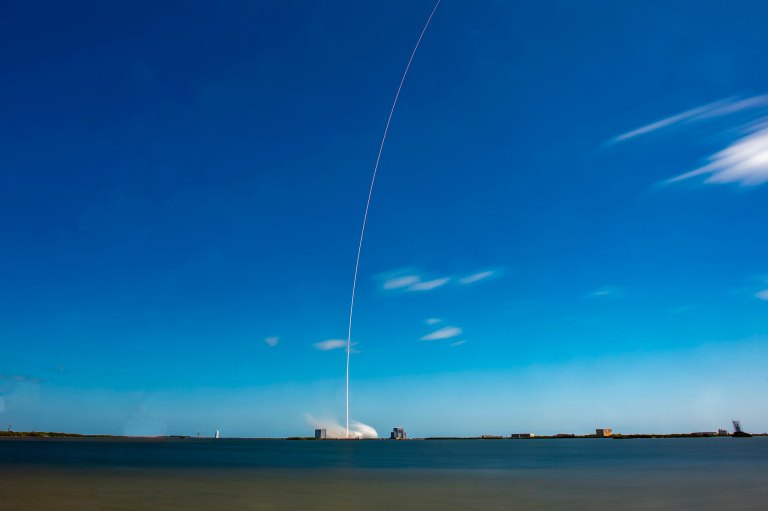
On Thursday, Oct. 1, SpaceX launched three missions in one day. First came NASA’s Crew-13 mission. A Falcon 9 lifted off from Space Launch Complex 40 at Cape Canaveral Space Force Station at 11:10 a.m. EDT carrying Crew Dragon Grace. NASA astronauts Jessica Watkins and Luke Delaney, Canadian Space Agency astronaut Joshua Kutryk, and Roscosmos cosmonaut Sergey Teteryatnikov docked to the station’s Harmony module at 7:05 p.m. EDT. The booster landed at Landing Zone 40.
At 2:32 p.m. EDT, SpaceX launched its Transporter-18 rideshare mission from Vandenberg. The flight carried 130 payloads, including Planet Labs satellites carrying Google’s tensor processing units, the first in-orbit test for Project Suncatcher effort to develop AI computing in space. The booster returned to Landing Zone 4.
The day closed at 11:54 p.m. EDT with the classified NROL-97 mission, which a Falcon Heavy launched for the National Reconnaissance Office from Launch Complex 39A at Kennedy Space Center. The rocket’s two side boosters landed at Landing Zones 1 and 2 at Cape Canaveral Space Force Station. It was the NRO’s first mission on a Falcon Heavy after 22 on Falcon 9.
Upcoming rocket launches
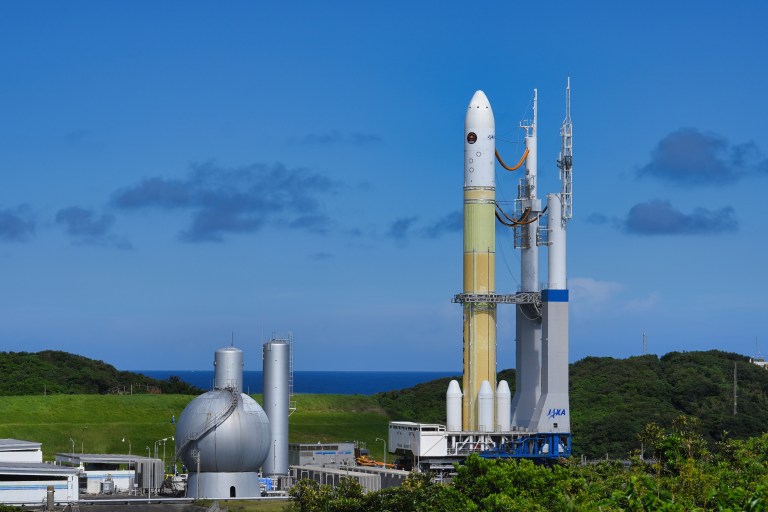
On Monday, Oct. 19, JAXA is targeting 3:41 p.m. EDT to launch its Martian Moons eXploration (MMX) mission on an H3-24L rocket from Tanegashima Space Center in Japan. MMX will survey both of Mars’ moons, Phobos and Deimos, and collect a sample from Phobos to return to Earth.
Brooks Mendenhall is a staff writer at Astronomy, based in Chattanooga, Tennessee, fueled by an unending curiosity about the universe. A former classroom teacher, he has a knack for breaking down complex concepts for a wide audience.