One night, out at the Miami Valley Astronomical Society’s observatory near Dayton, Ohio, I saw a bright light hovering in the sky to the southeast. It appeared stationary, just hanging there. Watching closely, I saw it drift to the side … and then came the sound of jet engines as it flew overhead, nothing more than a commercial airliner on approach to the Dayton International Airport with its landing lights on. The observatory is in just the right position that incoming aircraft appear to hover in place as they head in our direction.
Many of us have seen an unexpected light in the sky, but essentially every case is likely explainable. Let’s break down how to turn unidentified flying objects into identified ones.
How to identify unknown objects
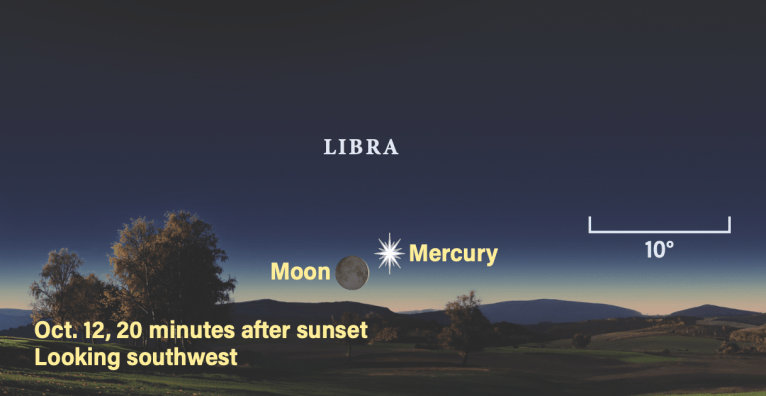
There are many reasons you might see a light in the sky that’s not the usual set of stars: airplanes, satellites, meteors, balloons, rocket launches, reentry of space debris, recently launched Starlink satellites. To the average nonastronomer, even planets can sometimes be a surprise.
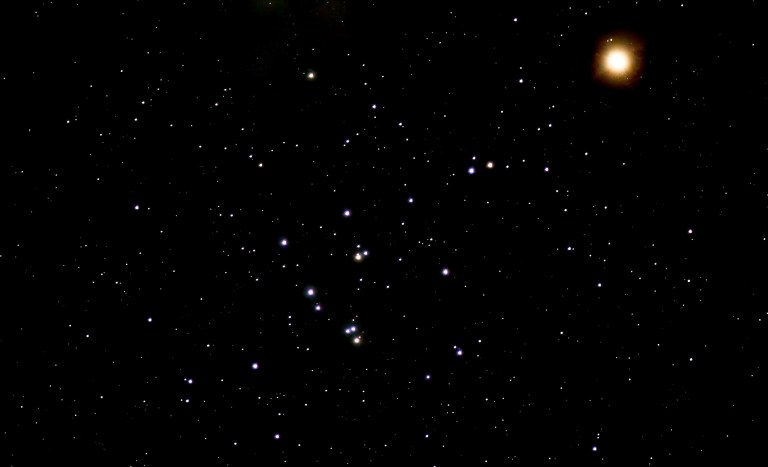
The first step is to check whether the object is moving. As my experience near the airport shows, it can be hard to tell. Use the distances between the object and nearby stars to keep track. If it’s not moving, it’s a bright star or planet. Next, observe whether it is blinking. If it’s moving relatively slowly in a continuous line and blinking, it’s an airplane; look for red and green lights on the wingtips. If it’s not blinking, then it’s a satellite.
Satellites can be unexpectedly bright when the flat surface happens to reflect the Sun in your direction, or if the International Space Station is on a particularly high-elevation pass. Depending on the time of night and the satellite’s location, you may see it vanish as it crosses into Earth’s shadow.
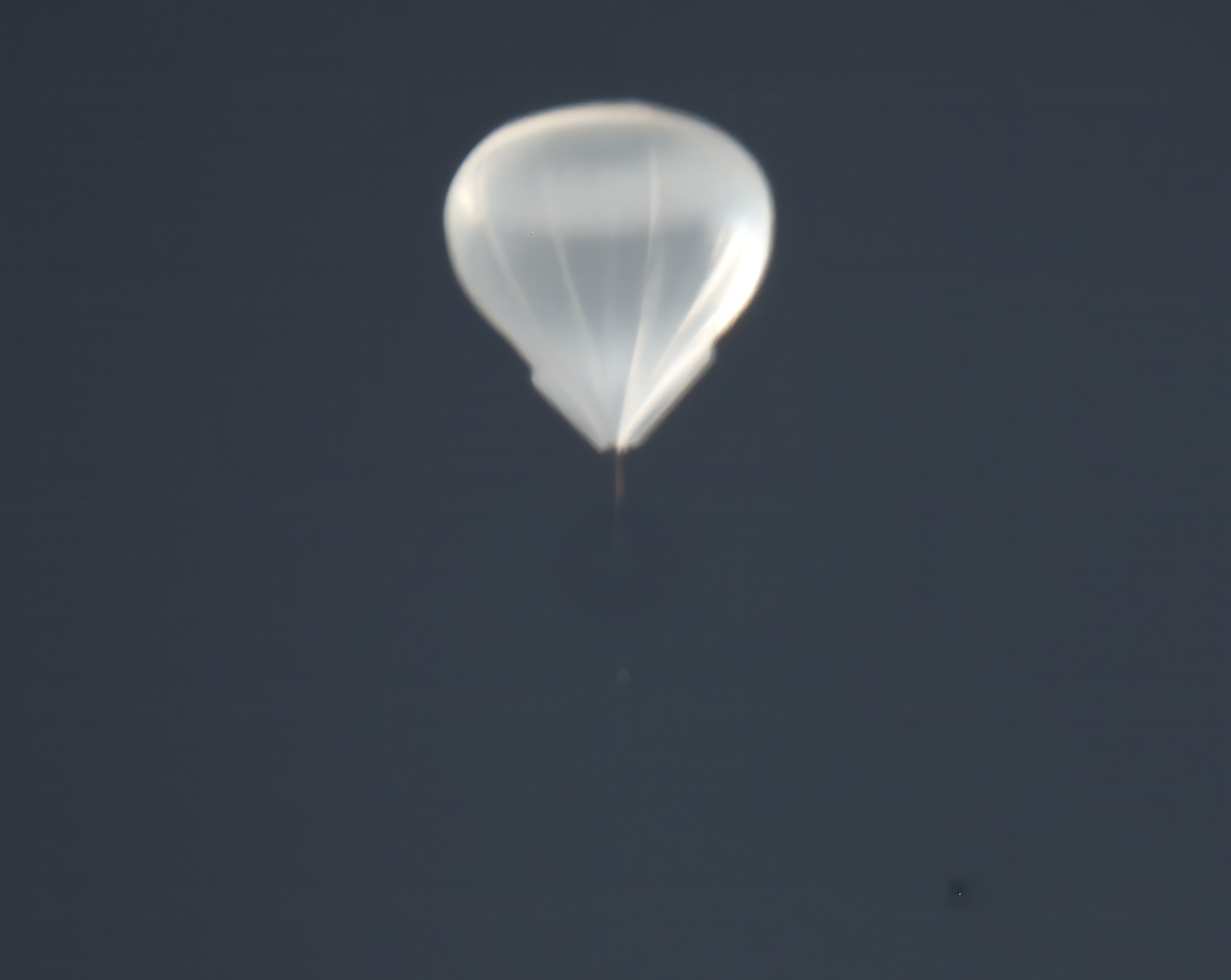
A slow-moving bright light in the sky in the evening or morning might be a balloon. I spotted a very bright light in the southwestern sky after sunset last September from my backyard in Albuquerque, but a look through my binoculars quickly confirmed that it was a weather balloon.
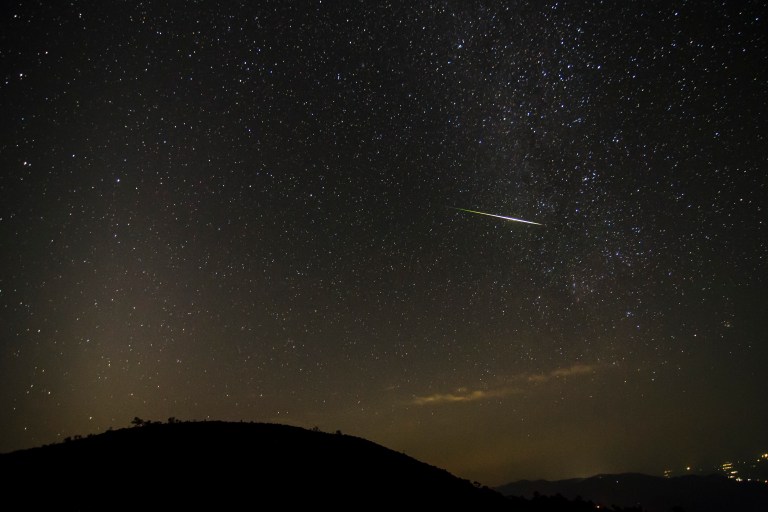
If one or more lights are moving quickly, then it’s a meteor or space debris entering the atmosphere. Meteors usually create white streaks, but bright ones can glow green, and space debris often breaks apart into multiple pieces. If you’re lucky, you may catch a bolide, a bright meteor that explodes in the sky.
And roughly 300 pieces of tracked space junk reenter the atmosphere every year, with larger debris (rocket bodies or failed satellites) entering about once a week.
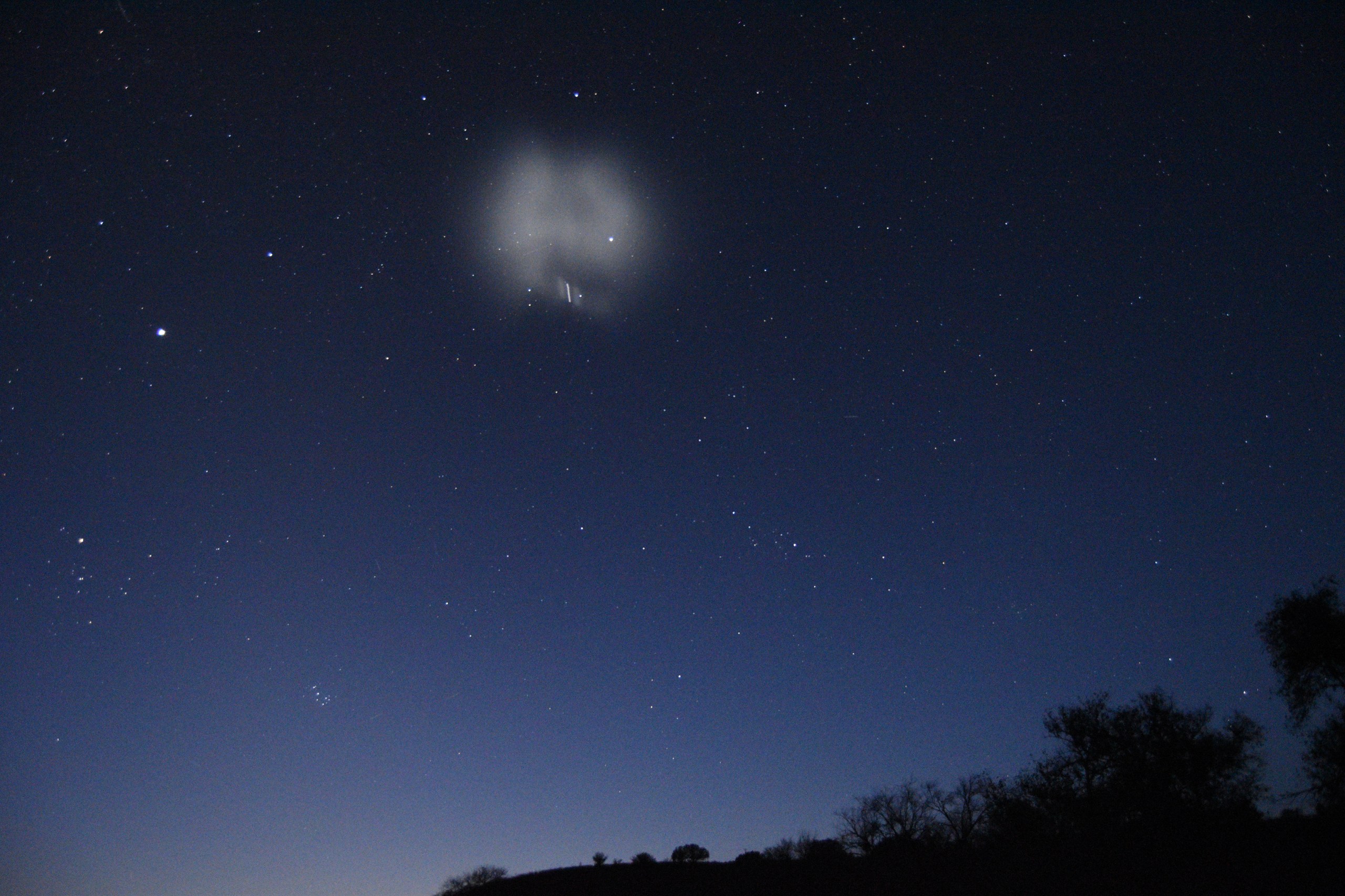
If you spot a long string of lights moving in a line across the sky, you’re seeing a recently launched Starlink train before the dozens of satellites spread out and ascend to higher orbits. Another strange phenomenon you may spot is the fuel dump from a rocket launch. These can appear as spirals or balloon-shaped clouds, and you might even see the rocket it originates from. One night at the 2025 Texas Star Party, we spotted a large, bi-lobed cloud ascending from the west, trailed by a pair of lights. It quickly became clear to the field of observers that this was from a rocket launch. A quick Google search revealed that a SpaceX Falcon 9 rocket had launched out of Cape Canaveral at 7:48 p.m. Central time and made its way around Earth to be seen by us at 9:30 p.m. That was my first time actually seeing a fuel dump, which was quite eerie and exciting.
There are many sources of puzzling lights in the sky, but a little time spent observing them and a little knowledge can quickly solve their mysteries.