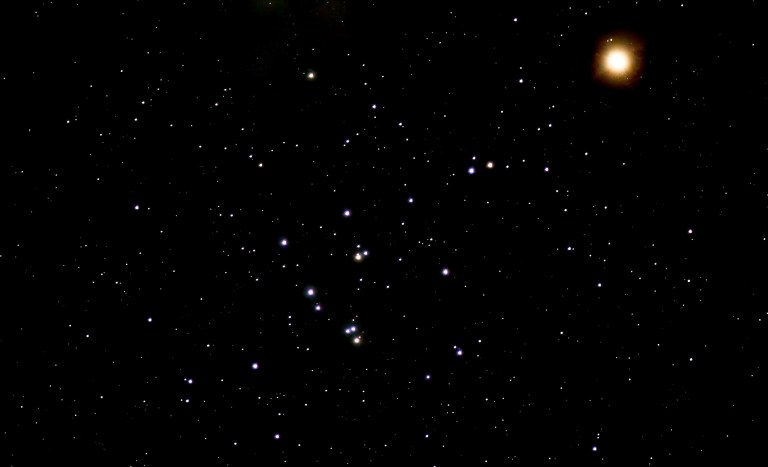
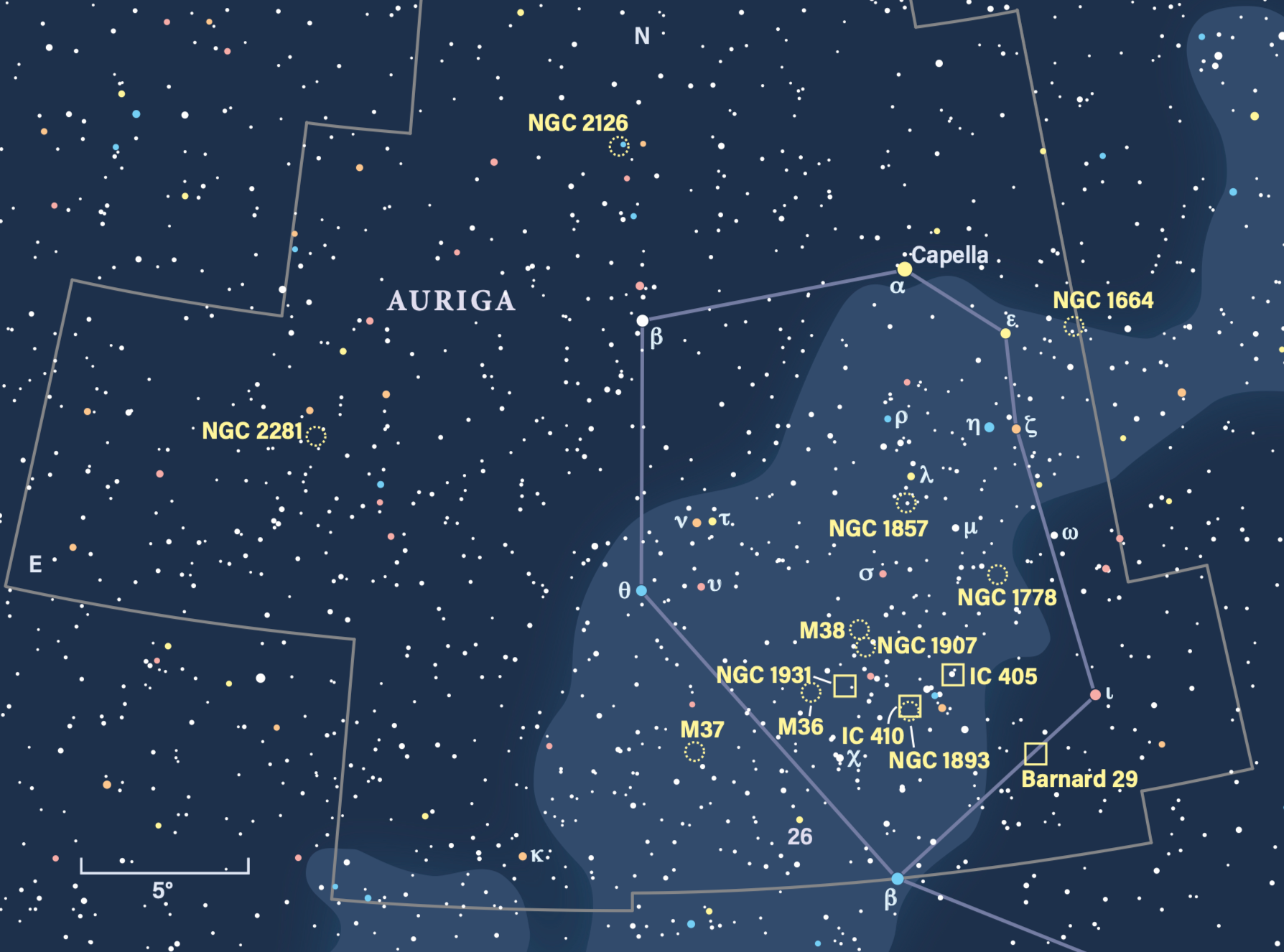
The constellation Auriga (pronounced or-EYE-guh) the Charioteer, a star pattern known by this name for several thousand years, is easy to recognize primarily because of its brightest star, Capella (Alpha [α] Aurigae). This luminary is the sixth-brightest nighttime star and shines with an intense yellow light. The constellation’s Beta star, magnitude 1.9 Menkalinan, is 40th brightest.
The Charioteer is visible in the evening from mid-autumn through winter in the Northern Hemisphere. Its center lies at R.A. 6h01m and Dec. 42° north. Auriga ranks 21st in size out of the 88 constellations, covering 657.44 square degrees (1.59 percent) of the sky. Its size is a bit of a hindrance to its visibility, however. It lies in the middle of the constellation ladder (43rd) in terms of overall brightness.
The best date each year to see Auriga is December 21, when it stands opposite the Sun in the sky and reaches its highest point at local midnight. With respect to visibility, anyone living north of latitude 34° south can see the entire figure at some time during the year. And it’s completely invisible only to those who live at latitudes south of 62° south.
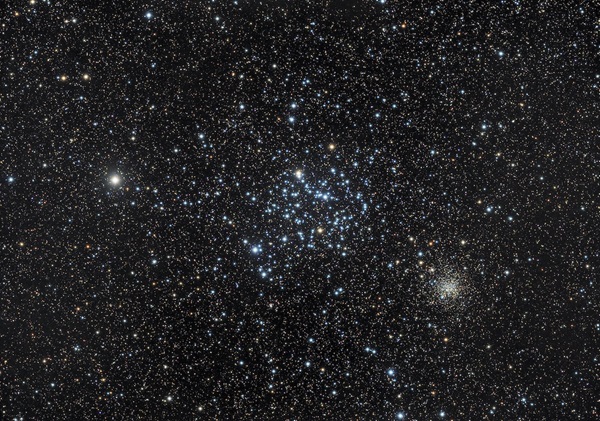
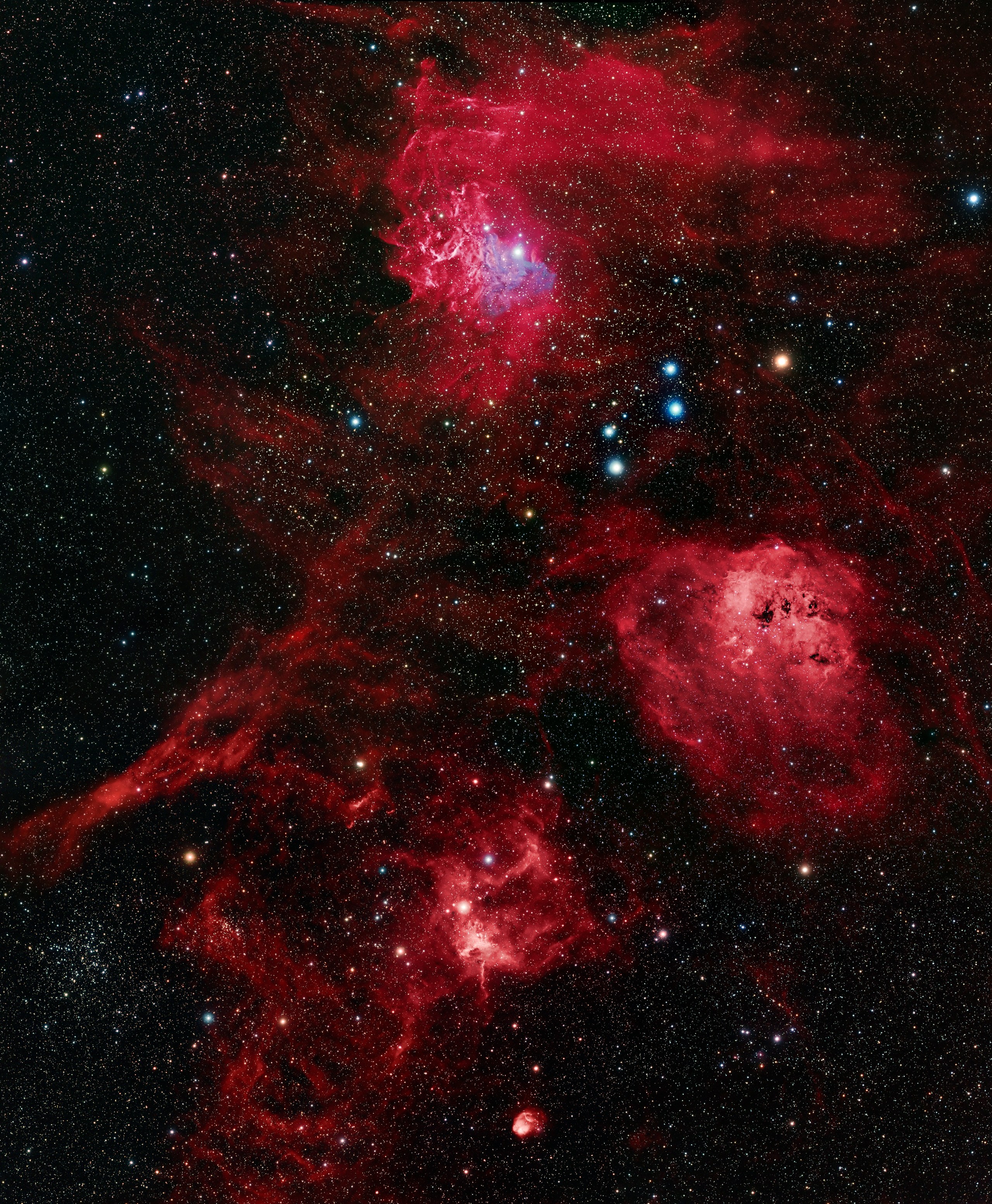
Auriga contains three Messier objects (all open clusters) and several other open clusters and emission nebulae. Because it lies along the Milky Way, it doesn’t contain any galaxies. As you can see, however, lots of targets lie within its borders for you to point a telescope at. Good luck!
Explore Auriga
Select a target to discover the treasures of the Charioteer.
Explore more of the night sky with our other interactive deep-sky tours:
Wander the Queen’s starry court
Discover deep-sky gems in Ophiuchus
Michael Bakich has spent his life immersed in astronomy, earning two degrees in the field, authoring seven books, and joining Astronomy magazine in 2003. When not writing or leading tours to eclipses and historical astronomy sites worldwide, he enjoys woodworking, science-fiction movies, and collecting rare 19th-century astronomy books from his home in Tucson.