Looking for a sky event this week? Check out our full Sky This Week column.
October 27: Follow Kemble’s Cascade
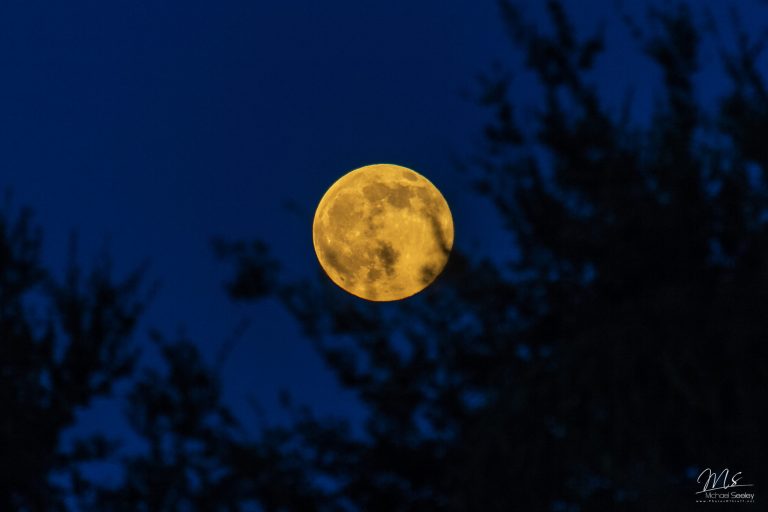
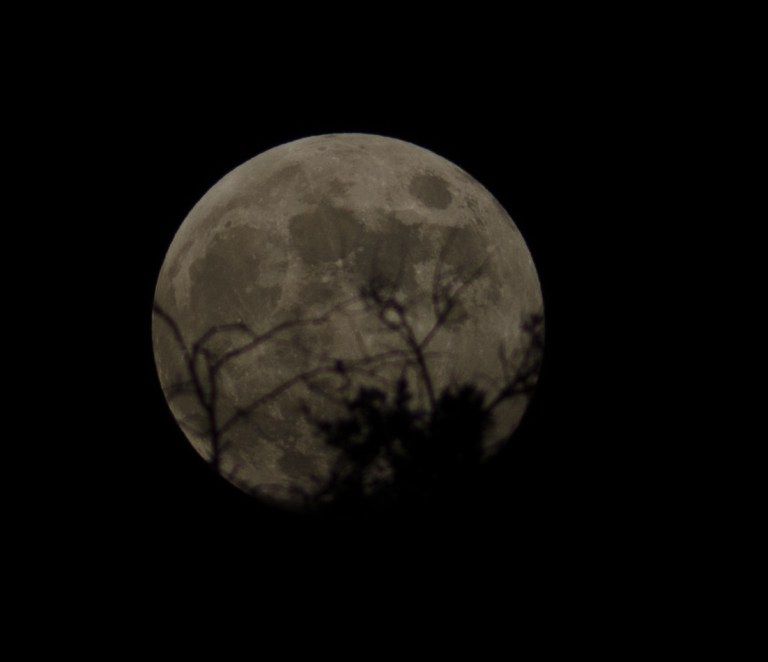
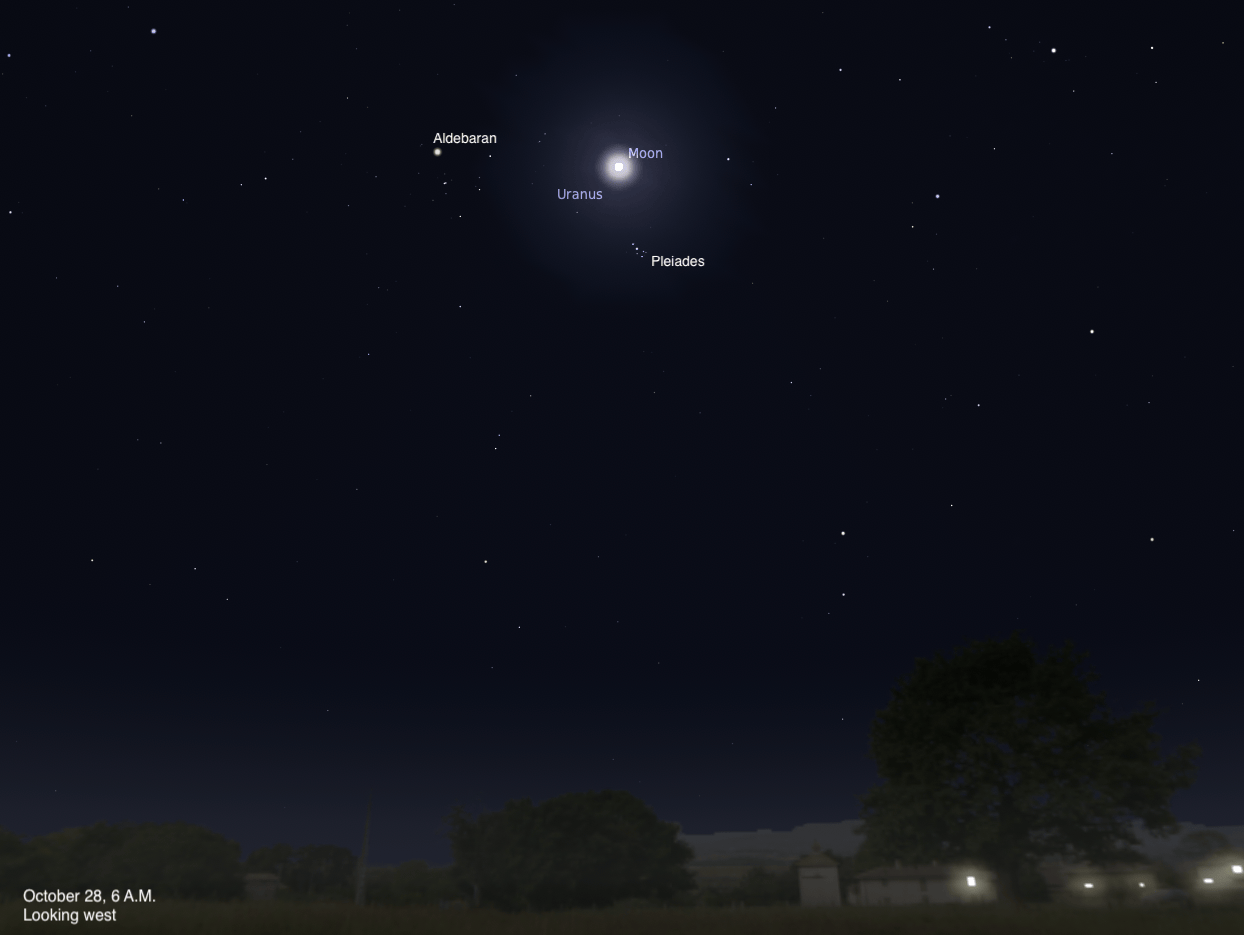
The Moon passes 5° north of Uranus at 6 A.M. EDT this morning. You’ll find our satellite hanging above the Pleiades (M45) in Taurus, roughly 45° high in the west around 6 A.M. local daylight time. Together with Uranus, the Moon and Pleiades form a triangle in the sky that slowly sets as twilight approaches.
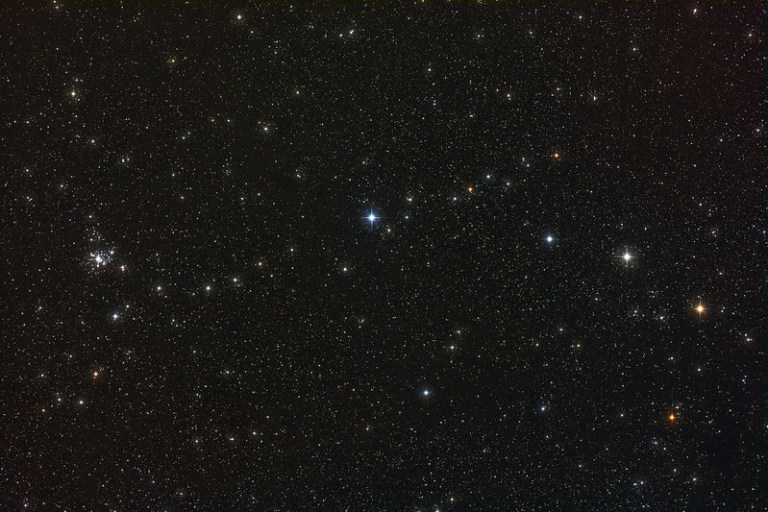
If you want to view Uranus, you’ll need some optical aid — technically its magnitude of 5.6 puts it within naked-eye range, but the bright Moon nearby will wash it out. You can find the ice giant 5° to the lower left of the Moon as they sink, or about halfway along a line drawn from the Pleiades toward the upper left and ending at the bright star Aldebaran.
Magnitude 0.9 Aldebaran (Alpha [α] Tauri) is typically envisioned as the eye of Taurus the Bull. The red giant is the 14th brightest star in the sky, shining with a luminosity more than 400 times that of the Sun from a distance of roughly 67 light-years. Despite its brightness, its surface temperature is quite cool, which results in the reddish color. Compare its orangey-red hue to that of Mars in the east.
Sunrise: 7:25 A.M.
Sunset: 6:02 P.M.
Moonrise: 7:39 P.M.
Moonset: 10:36 A.M.
Moon Phase: Waning gibbous (88%)
*Times for sunrise, sunset, moonrise, and moonset are given in local time from 40° N 90° W. The Moon’s illumination is given at 10 P.M. local time from the same location.
Alison Klesman is senior editor of Astronomy magazine. She holds a Ph.D. in astronomy and has studied a variety of topics, from minor planets to supermassive black holes.