Rocket launches this week
On Monday, Aug. 10, a Long March 7A rocket carrying an undisclosed payload broke apart roughly one minute and 27 seconds after lifting off from Wenchang Space Launch Site at 8:02 a.m. EST. Footage from online livestreams captured the failure in real time; Chinese state media had not released any information on the incident as of this writing.
Later on Monday, Aug. 10, Japan’s Mitsubishi Heavy Industries is scheduled to launch an H3-22S rocket carrying the Michibiki 7 satellite from Tanegashima Space Center, Japan’s largest rocket complex located on the southeastern corner of the island Tanegashima, at 3:23 p.m. EST. Michibiki 7 is the seventh and final satellite in Japan’s Quasi-Zenith Satellite System, a navigational satellite network offering positioning data for Japan and the Asia-Pacific region designed to complement the American GPS network. Watch it here.
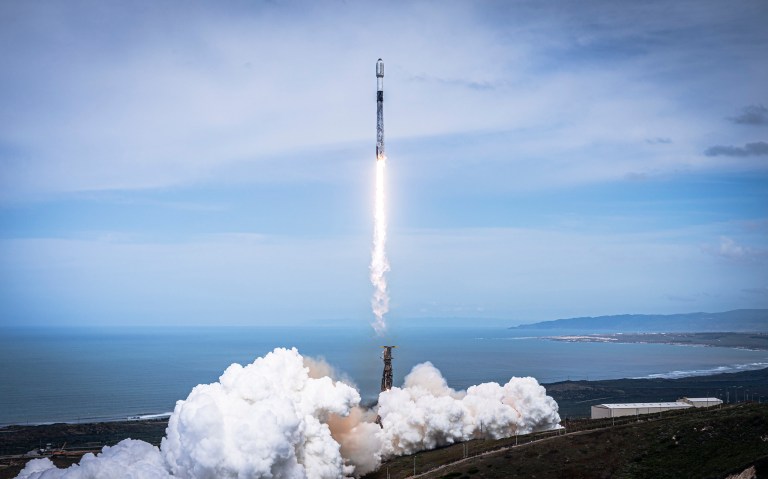
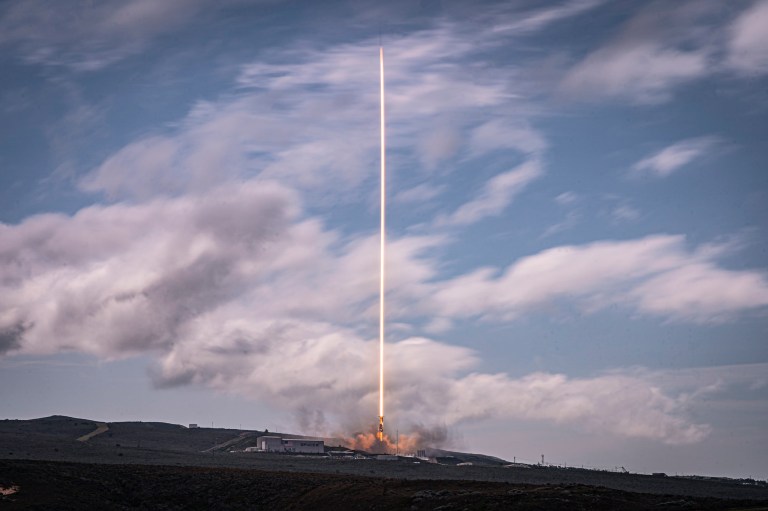
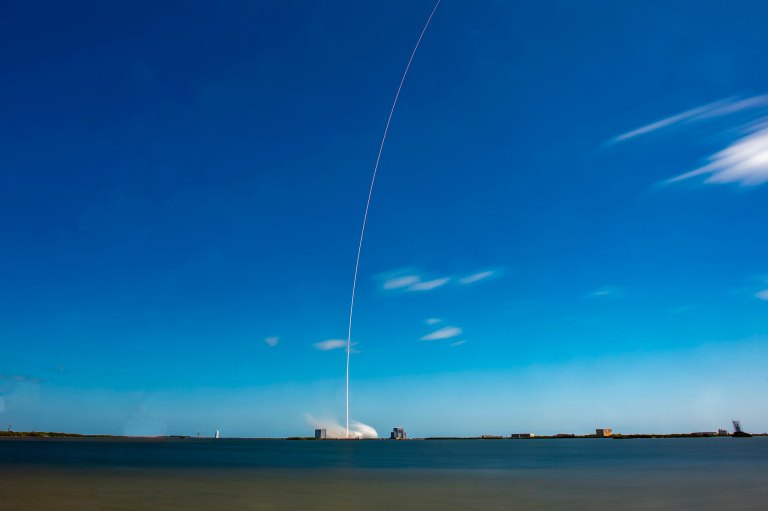
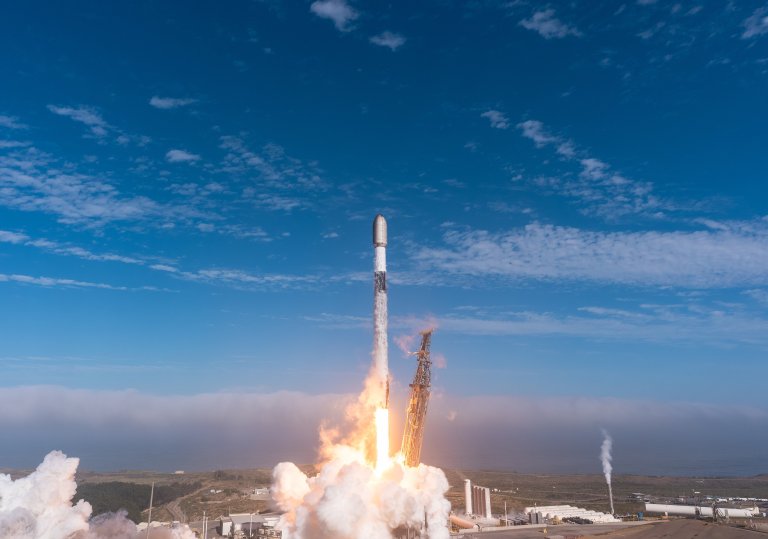
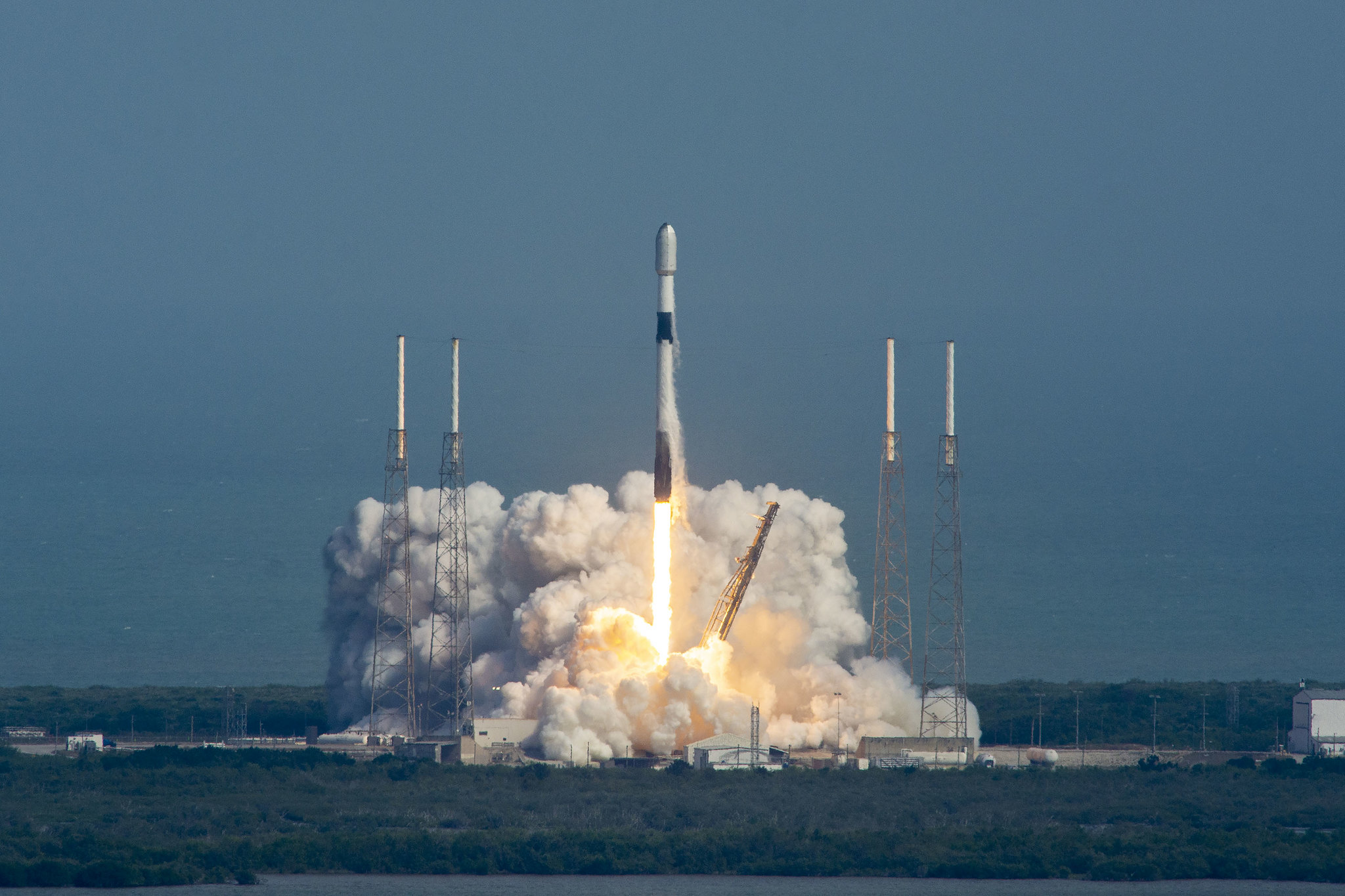
On Tuesday, Aug. 11, SpaceX launches the Starlink Group 10-19 mission from Florida’s Cape Canaveral Space Force Station at 10:26 a.m. EST, with the booster landing on the droneship A Shortfall of Gravitas. Watch it here. SpaceX followed that evening with the Starlink Group 17-49 mission from California’s Vandenberg Space Force Base at 10:00 p.m. EST, targeting a booster landing on Of Course I Still Love You. Watch it here.
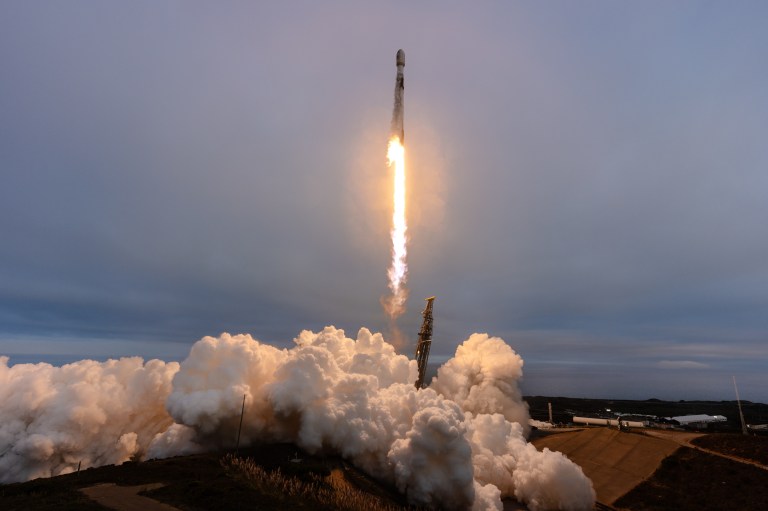
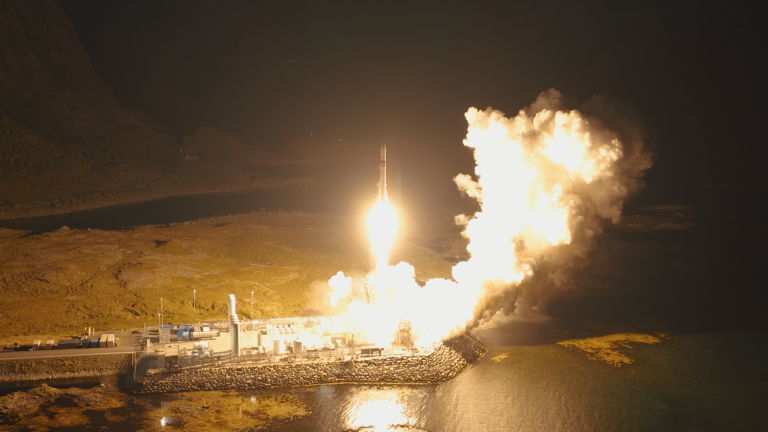
On Saturday, Aug. 15, SpaceX returns to Vandenberg’s Space Launch Complex-4E for a covert mission designated R-1, launching at 5:52 p.m. EST according to tracking from Next Spaceflight. Few details about the mission have been made public, with Next Spaceflight speculating the payload includes government satellites for low-Earth orbit. Later in the evening of Aug. 15, SpaceX launches the Globalstar 2-R mission from Cape Canaveral Space Force Station at 9:12 p.m. EST, with the booster targeting a landing at Landing Zone 40. The mission carries updated communications satellites for the constellation that has been in orbit since the 1990s.
Closing out the week on Sunday, Aug. 16, China plans to launch a Long March 12 rocket carrying an undisclosed payload from Wenchang Space Launch Site on the island of Hainan in the South China Sea at 10:00 p.m. EST according to tracking from Next Spaceflight.
Rocket launches last week
On Monday, Aug. 4, China opened the week with a Long March 8A carrying the SatNet LEO Group 23 satellites from Wenchang Space Launch Site, followed later in the day by SpaceX’s Starlink Group 17-53 mission from Vandenberg Space Force Base, with its booster landing on Of Course I Still Love You. Chinese launch provider Chinarocket closed out the day with a Jielong 3 rocket carrying the OSE HS-01 and HS-02 satellites from Haiyang Oriental Spaceport in Shandong Province.
SpaceX launched twice more during the week. The BlueBird 11-13 mission carried next-generation broadband satellites for AST SpaceMobile’s communications network from Cape Canaveral Space Force Station on Tuesday, Aug. 5, with the booster landing on A Shortfall of Gravitas. The Starlink Group 17-38 mission from Vandenberg on Friday, Aug. 8, with the booster again landing on Of Course I Still Love You.
Rocket Lab also flew during the week, launching an Electron rocket on a mission dubbed “The Grain Goddess Provides” from Māhia Peninsula, New Zealand, on Wednesday, Aug. 6. The mission deployed an Earth-imaging satellite for the Japanese company iQPS’ synthetic aperture radar (SAR) constellation.
Upcoming rocket launches
On Tuesday, Aug. 18, SpaceX is scheduled to launch the Starlink Group 17-50 mission from Vandenberg Space Force Base at 10:00 p.m. EST, with the booster targeting a landing on Of Course I Still Love You.
Later in the week, on Sunday, Aug. 23, China is targeting 8:00 p.m. EST for the launch of Chang’e 7 aboard a Long March 5 rocket from Wenchang Space Launch Site. The latest in a series of robotic lunar exploration missions. Chang’e 7 is bound for the Moon’s south pole, where it will search for water ice. The payload includes an orbiter, lander, rover, and a unique probe designed to hop across the lunar surface and access areas like crater floors that rovers cannot.
Brooks Mendenhall is a staff writer for Astronomy magazine and is based in Chattanooga, Tennessee.