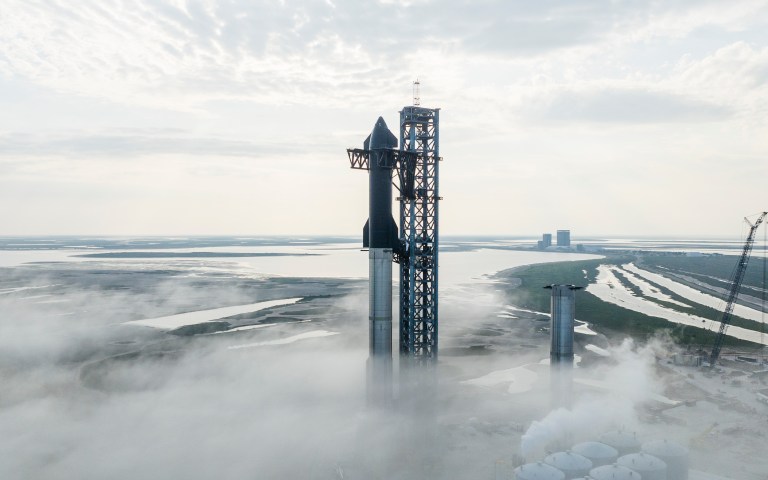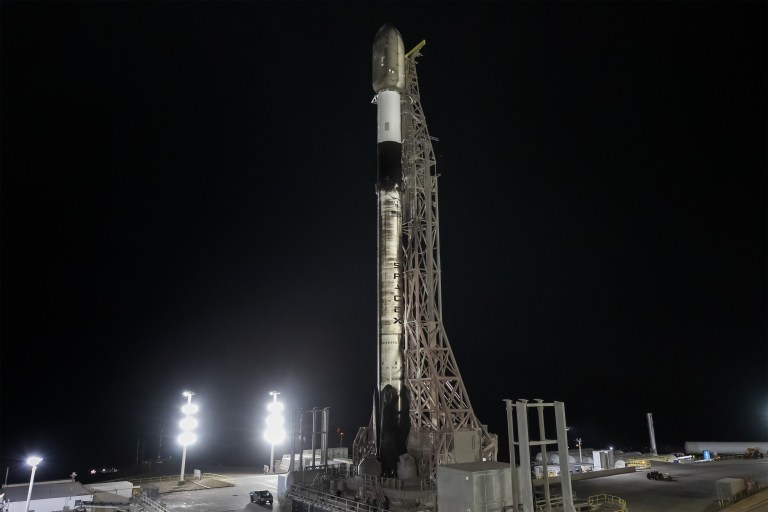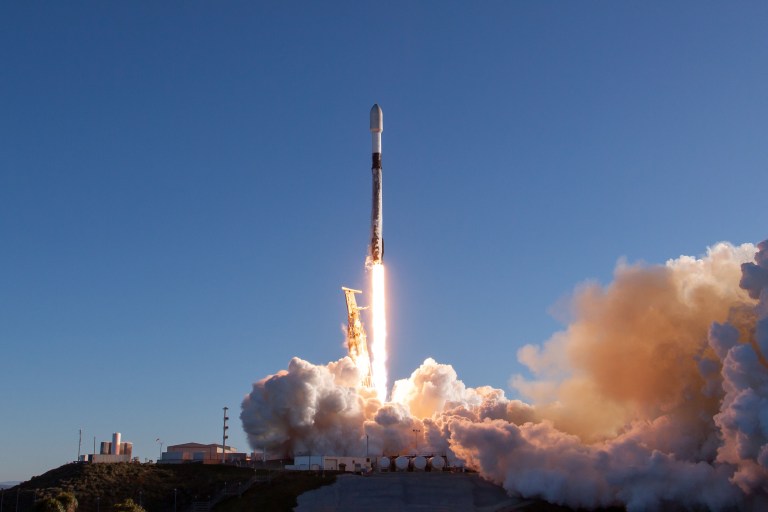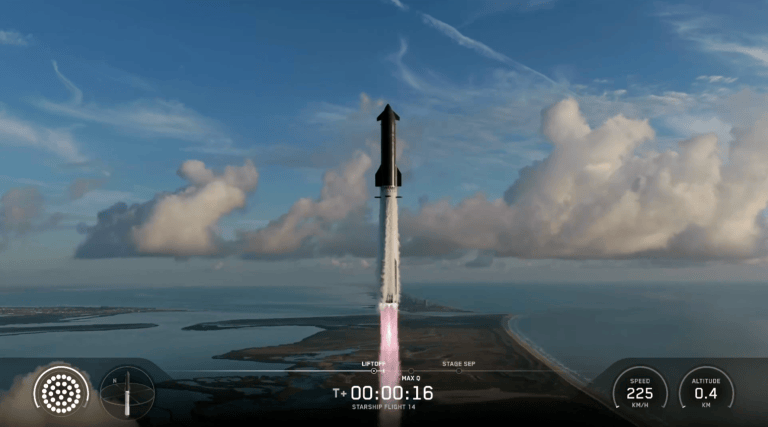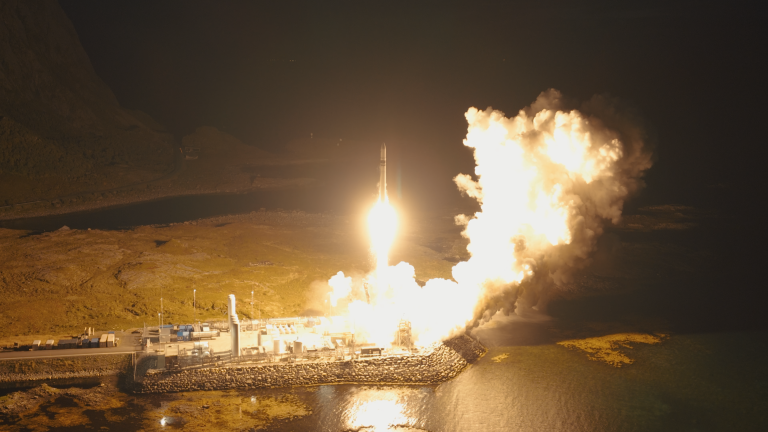
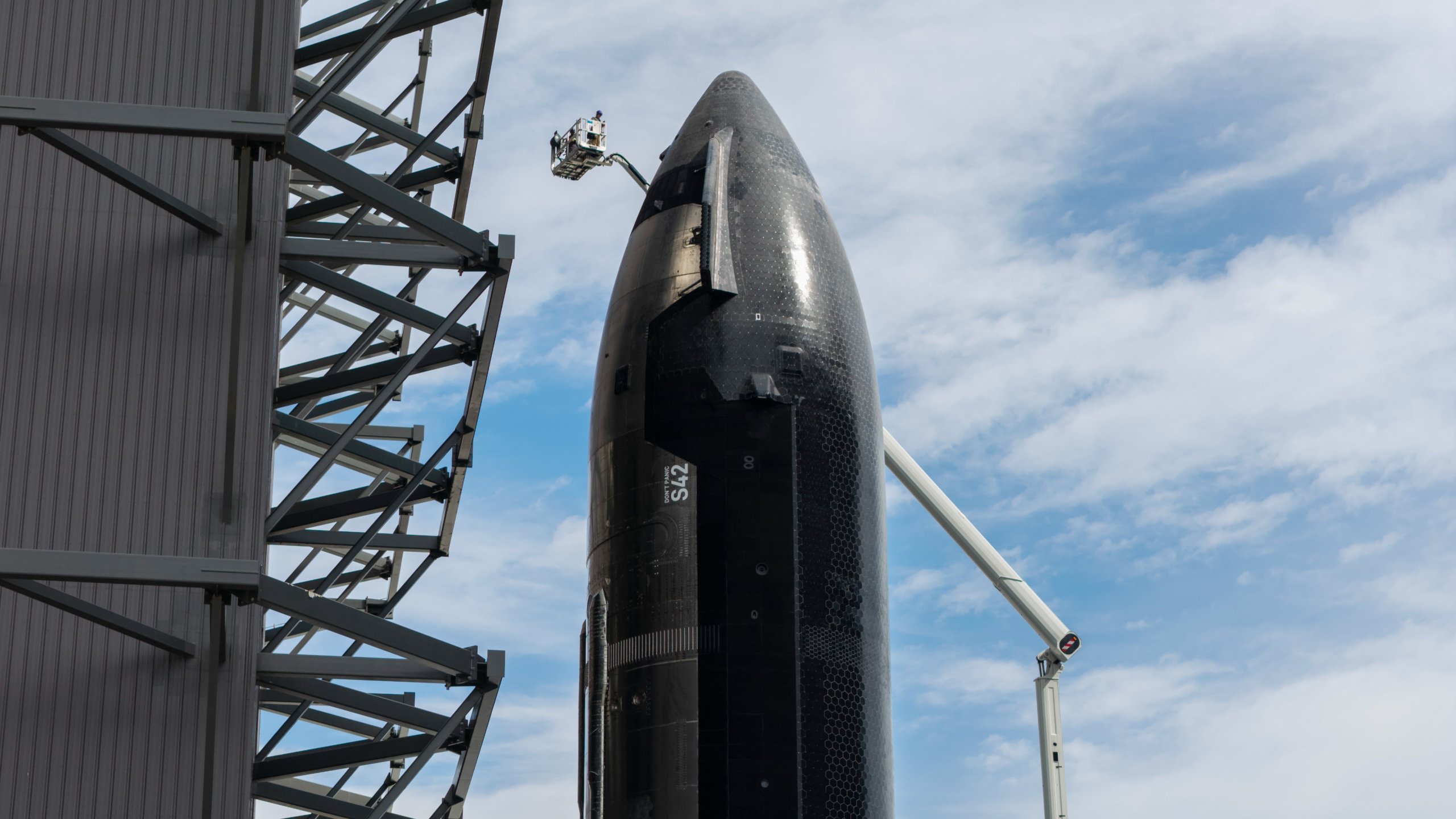
SpaceX is set to launch its 15th test flight of Starship on Friday, Nov. 13. For the first time, the company will try to catch both stages of the rocket — the Super Heavy booster and the upper stage, which SpaceX calls “Ship” — with the arms of its launch tower. If it works, Starship will become the first orbital rocket ever recovered in full.
When is the launch?
SpaceX is targeting a 75-minute window that opens at 5:45 p.m. EST (4:45 p.m. CST) Friday from Pad 2 at Starbase, Texas, pending regulatory approval. Starship launch dates often slip, so check the company’s Flight 15 mission page for the latest.
How to watch
SpaceX’s live webcast begins about 30 minutes before liftoff — around 5:15 p.m. EST if the launch holds at the start of the window. You can stream it on the Flight 15 mission page or on SpaceX’s X account.
If you’re near the Texas-Mexico border, crowds typically gather on South Padre Island, across the bay from the launch site. On the Mexican side, the public beach at Playa Bagdad offers a head-on view of the launch tower.
What to watch for
About six and a half minutes after liftoff, Super Heavy should fly back to Starbase and be plucked from the air by the tower’s “chopstick” arms, a catch SpaceX has made three times before. Ship will continue to orbit and release 26 of SpaceX’s next-generation Starlink V3 satellites.
The real test comes the next day. Ship will circle Earth about 14 times at roughly 171 miles (275 kilometers) up before heading home. Until now, Ship’s test flights have ended with a practice landing at sea: it flips upright, and then fires its engines to set down gently on the water. This time, it will run that same maneuver over Starbase and hopefully settle into the tower’s arms instead. SpaceX’s flight timeline puts the catch about 22 and a half hours after launch — around 4:18 p.m. EST on Saturday, Nov. 14, if Starship lifts off on time.
SpaceX says Ship will head for the tower only if flight controllers confirm that every system it needs for reentry, the landing burn, and the final approach is healthy. If not, the company can bring Ship down at preplanned spots in the Pacific, with go/no-go checks built into the flight for splashdowns near Hawaii or off the coast of Chile.
Brooks Mendenhall is a staff writer at Astronomy, based in Chattanooga, Tennessee, fueled by an unending curiosity about the universe. A former classroom teacher, he has a knack for breaking down complex concepts for a wide audience.