Astronomy forum Connect with fellow astronomy enthusiasts!
Get started
Skip to content
Astronomy Magazine logo
  • Login / Register
  • Logout
  • Shop
  • Subscribe

  • News
  • Science
    • Solar System
    • Exoplanets
    • Stars
    • Milky Way
    • Galaxies
    • Exotic Objects
    • Cosmology
  • Observing
    • In The Sky
    • Upcoming Events
    • The Sun
    • The Moon
    • Planets
    • Comets
    • Deep-Sky Objects
    • Observing Basics
    • Telescopes and Equipment
    • Astrophotography
    • Gear Guide
    • This Week in Astronomy
  • Space Exploration
    • What’s Launching This Week
    • Human Spaceflight
    • Robotic Spaceflight
  • The Magazine
  • Ask Astro
  • Star Products
  • News
  • Science
    • Solar System
    • Exoplanets
    • Stars
    • Milky Way
    • Galaxies
    • Exotic Objects
    • Cosmology
  • Observing
    • In The Sky
    • Upcoming Events
    • The Sun
    • The Moon
    • Planets
    • Comets
    • Deep-Sky Objects
    • Observing Basics
    • Telescopes and Equipment
    • Astrophotography
    • Gear Guide
    • This Week in Astronomy
  • Space Exploration
    • What’s Launching This Week
    • Human Spaceflight
    • Robotic Spaceflight
  • The Magazine
  • Ask Astro
  • Star Products
  • Login / Register
  • Logout
  • Shop
  • Subscribe

August 2026

The world's best-selling astronomy magazine offers you the most exciting, visually stunning, and timely coverage of the heavens above. Each monthly issue includes expert science reporting, vivid color photography, complete sky coverage, spot-on observing tips, informative telescope reviews, and much more! All this in an easy-to-understand, user-friendly style that's perfect for astronomers at any level.
Buy this Issue
Already a subscriber? Login to view my digital editions.
Features, Science

The Michelson-Morley experiment: Finding light’s true nature

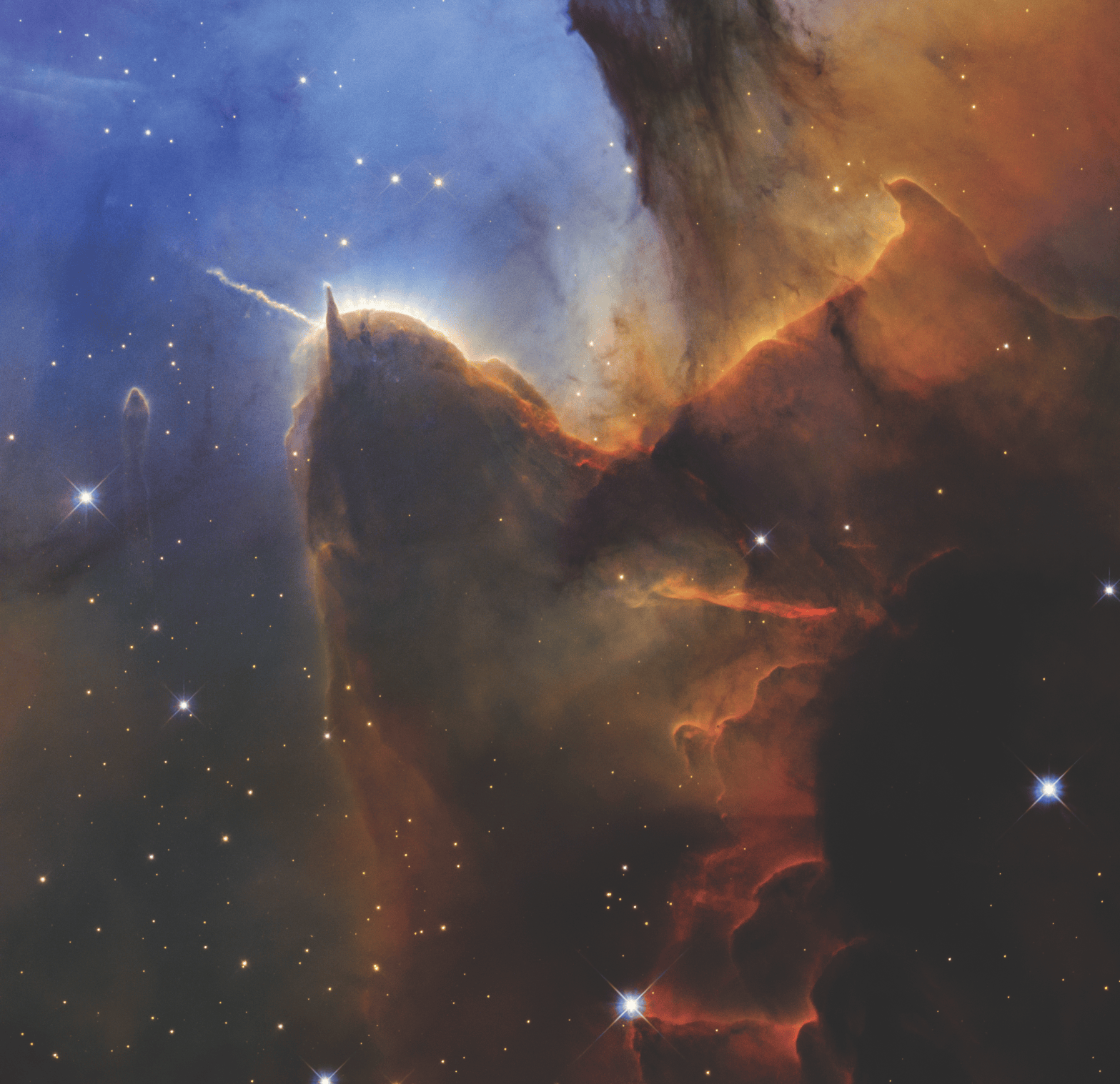
A detailed telescope image of a star-forming region, showing dramatic pillars and billowing clouds of gas and dust in vivid shades of orange, red, and brown, contrasting with cooler blue nebulosity in the upper left. A tall, dark pillar dominates the center with a bright jet of material streaming from its tip, illuminated by nearby stars. Smaller pillars and sculpted gas structures are visible throughout, and several bright foreground stars with diffraction spikes are scattered across the scene.
Science

Still going strong: Hubble’s 36th anniversary image

Science

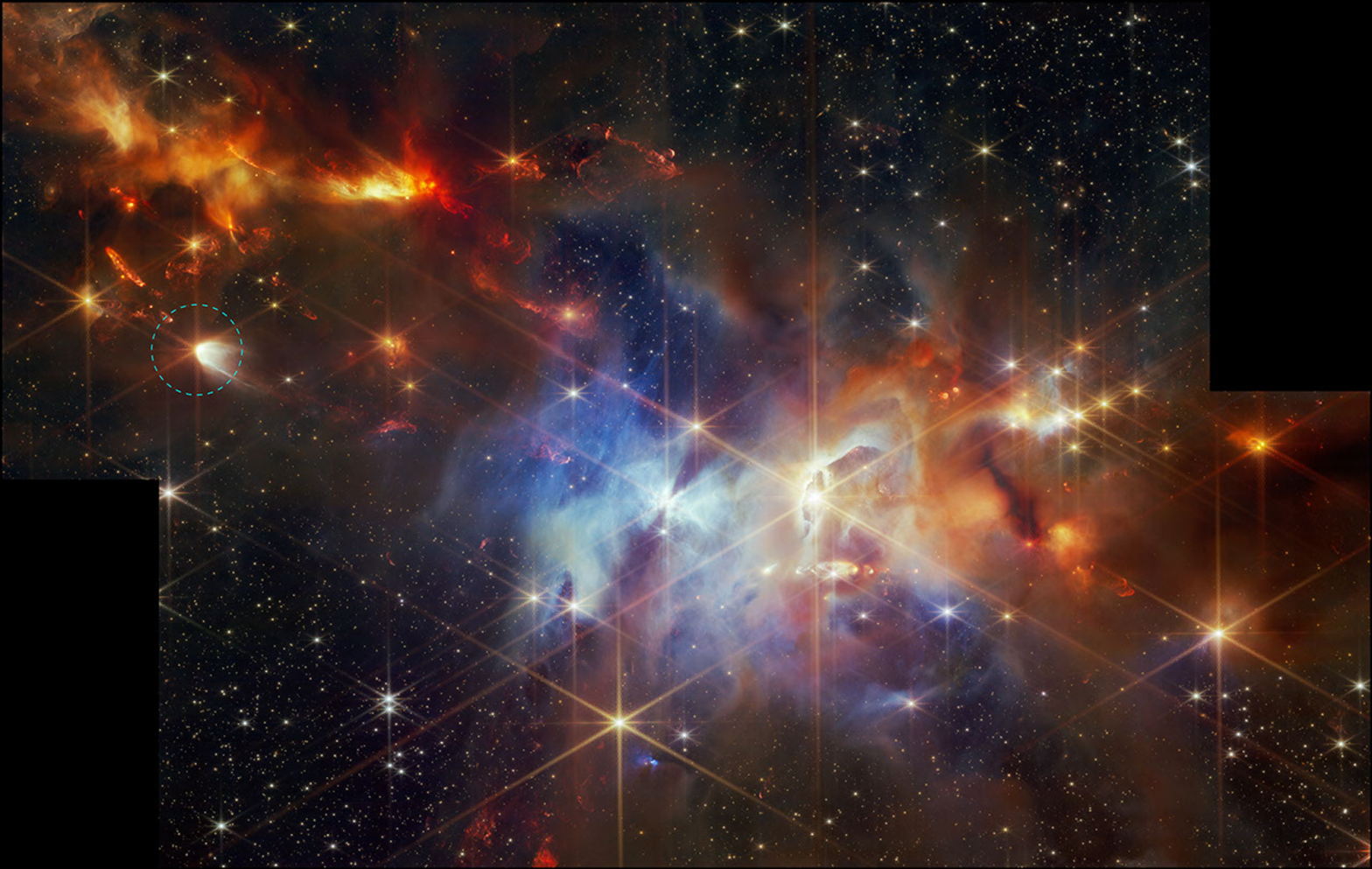
JWST shows astronomers how to make a comet

Astrophotography, Telescopes and Equipment

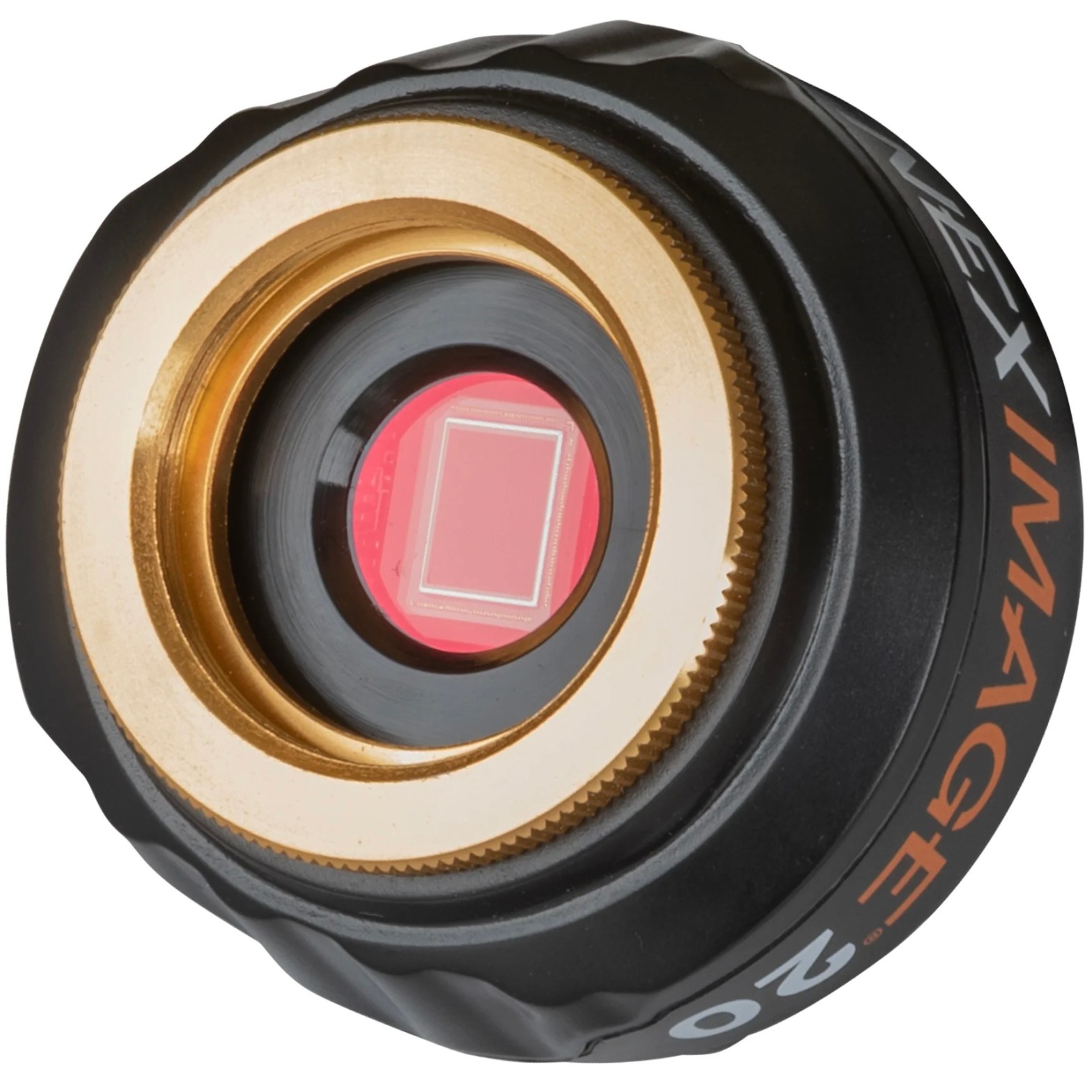
Celestron’s NexImage 20 makes planetary imaging affordable and fun

Astrophotography

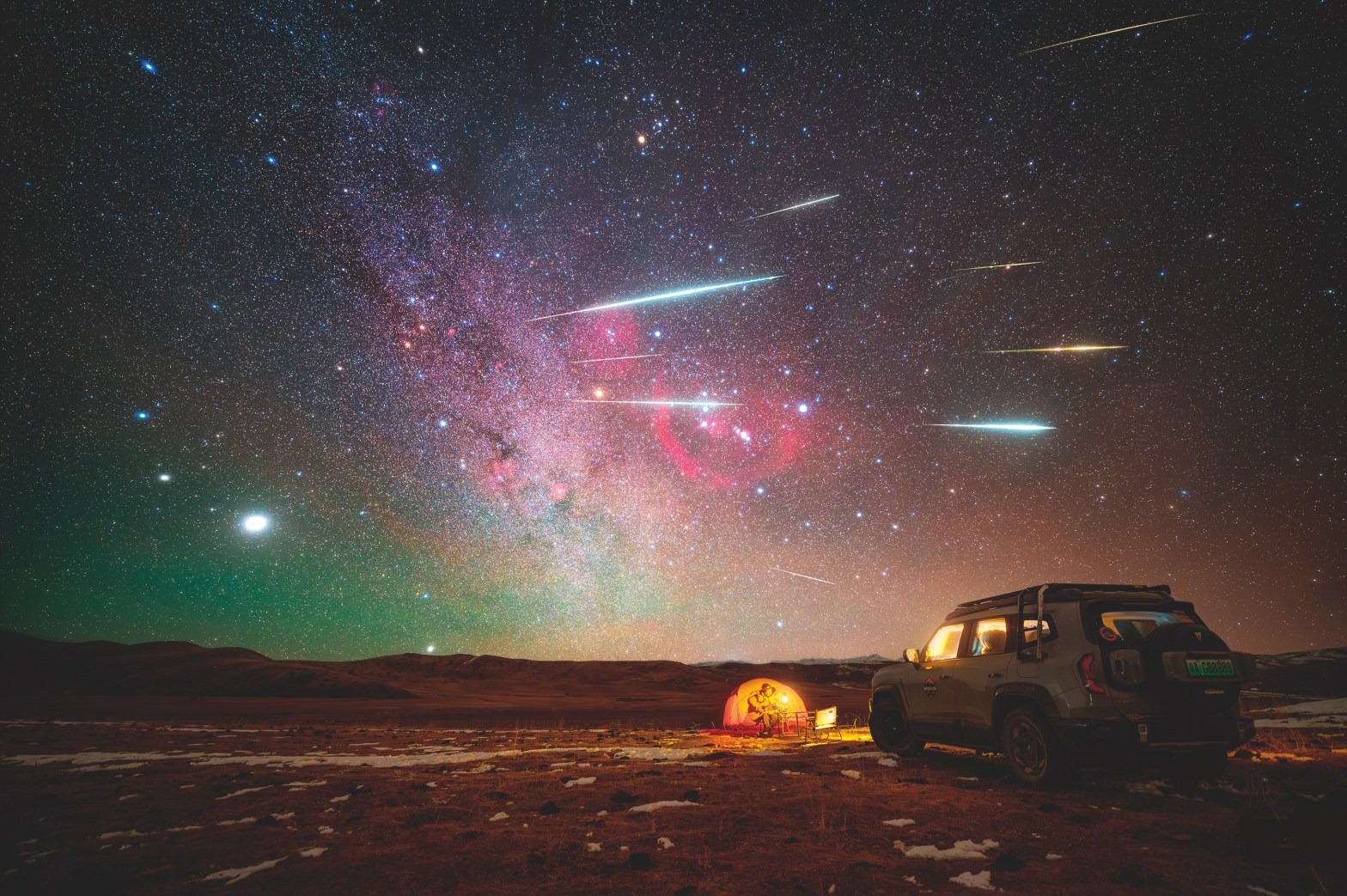
Geminid melodies

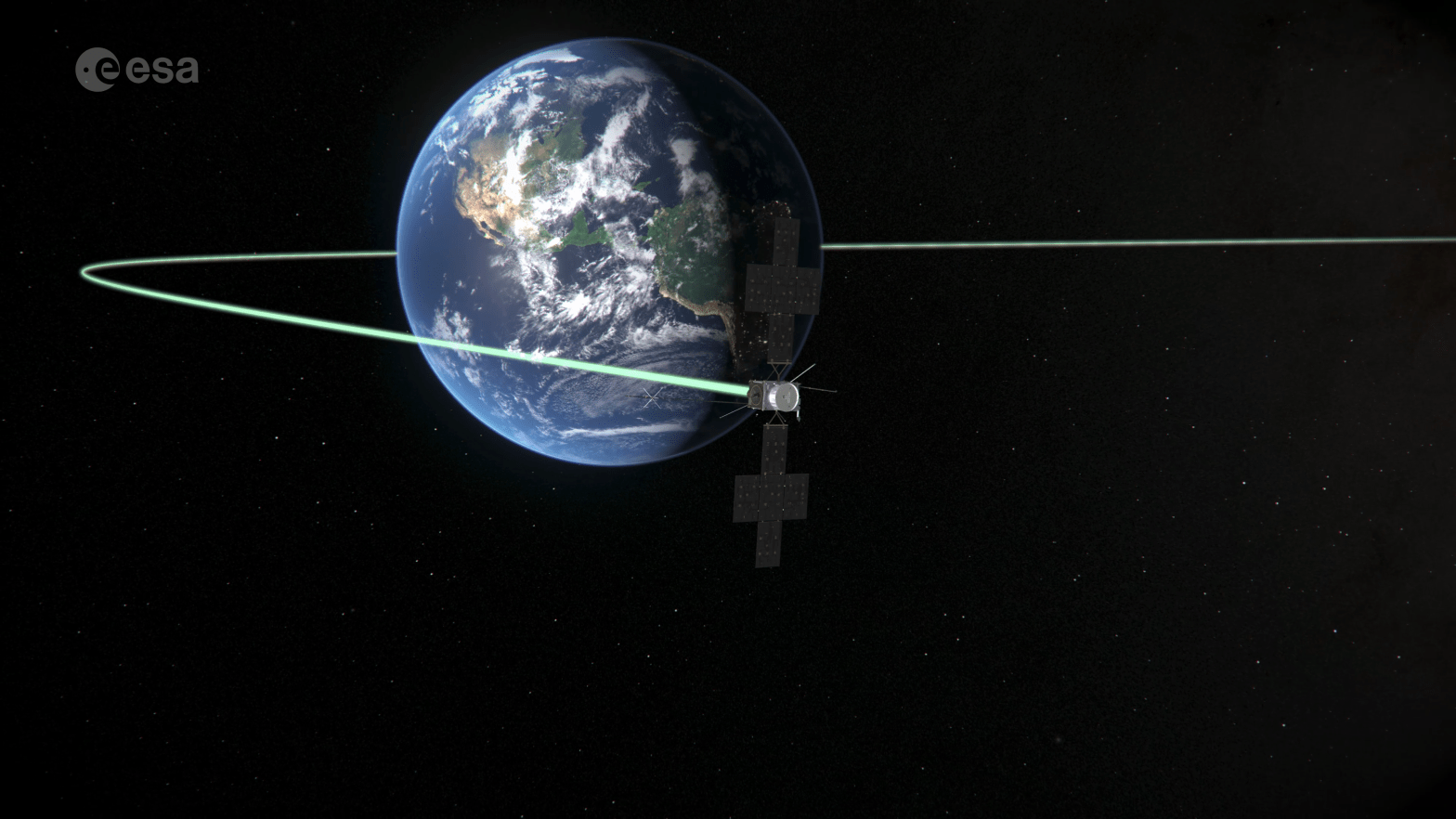
An ESA artist's illustration showing the JUICE spacecraft performing a gravitational slingshot maneuver around Earth. The spacecraft, with its distinctive cross-shaped solar panels, is shown close to Earth with a bright green line tracing its curved orbital trajectory looping around the planet. Earth is shown from space with North and South America visible beneath cloud cover.
Space Exploration

How do slingshot maneuvers work to propel spacecraft?

Features, Science

AI outgrows Earth

Features, Science

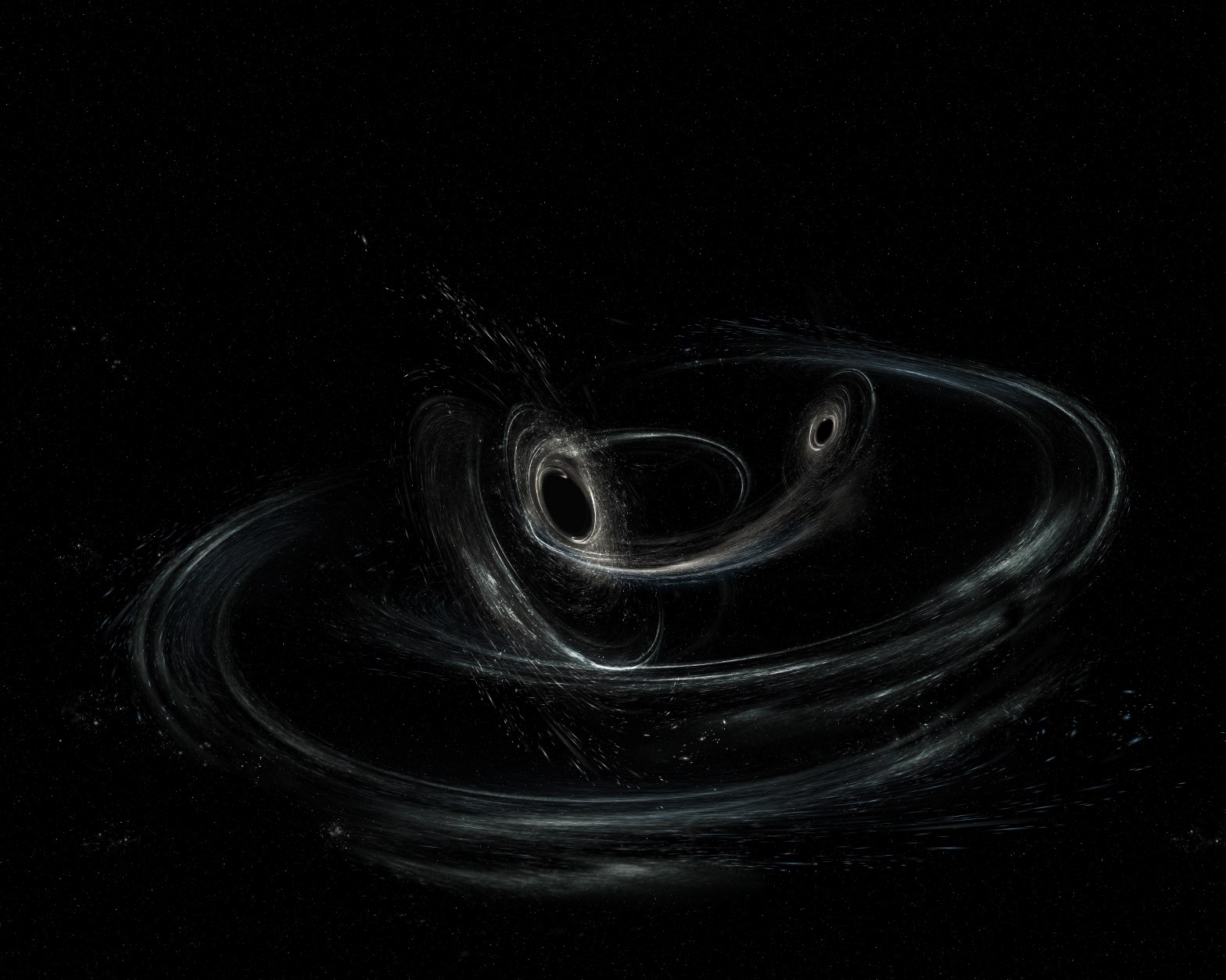
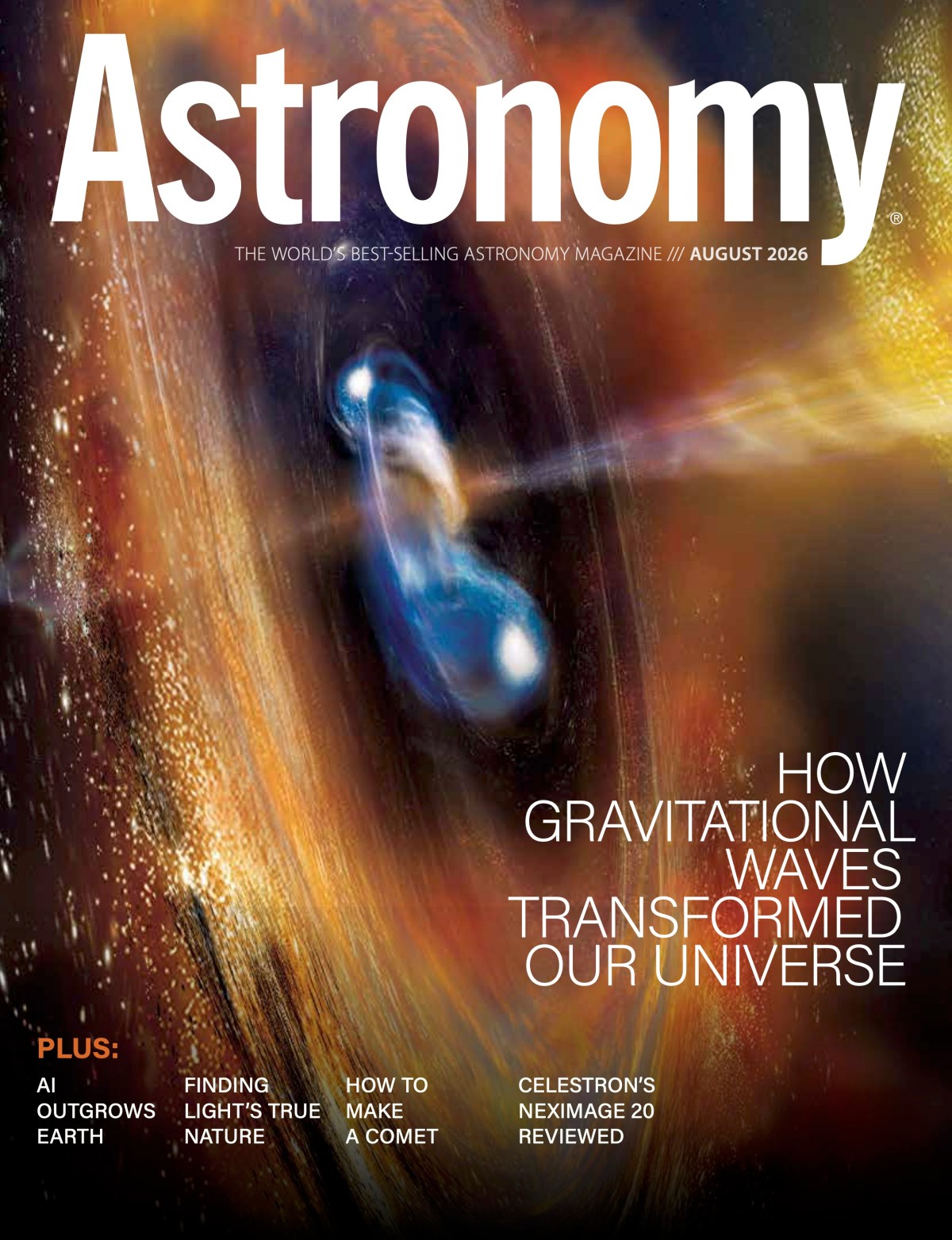
How gravitational waves transformed our universe

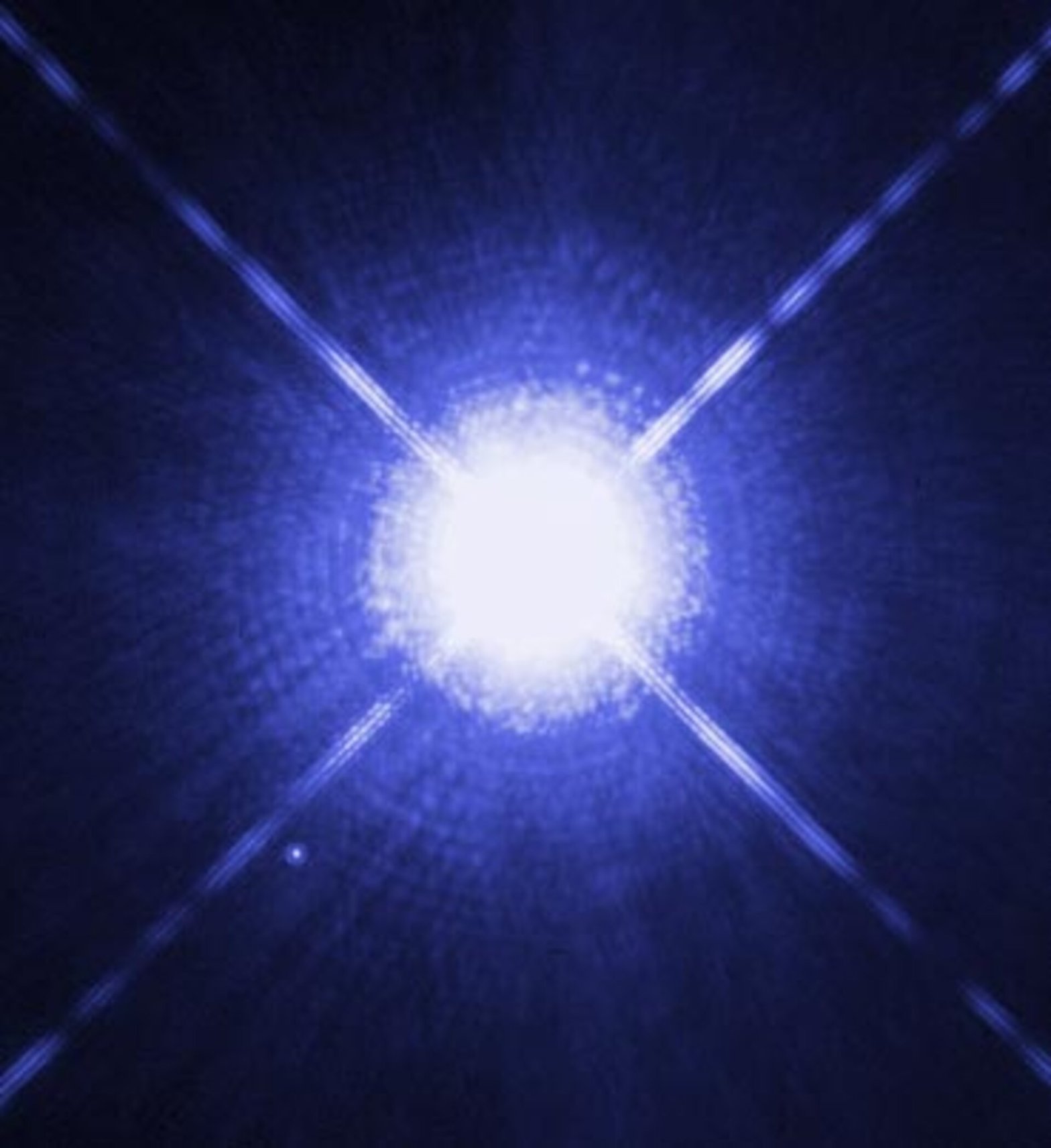
A Hubble Space Telescope image of Sirius A, the brightest star in the night sky, appearing as an intensely bright white-blue point of light with four prominent diffraction spikes extending diagonally across the dark blue background. Sirius B, its much fainter white dwarf companion, is visible as a small distinct point of light in the lower left of the frame.
Observing, Science, Stars

Which naked-eye star is richest in metals?

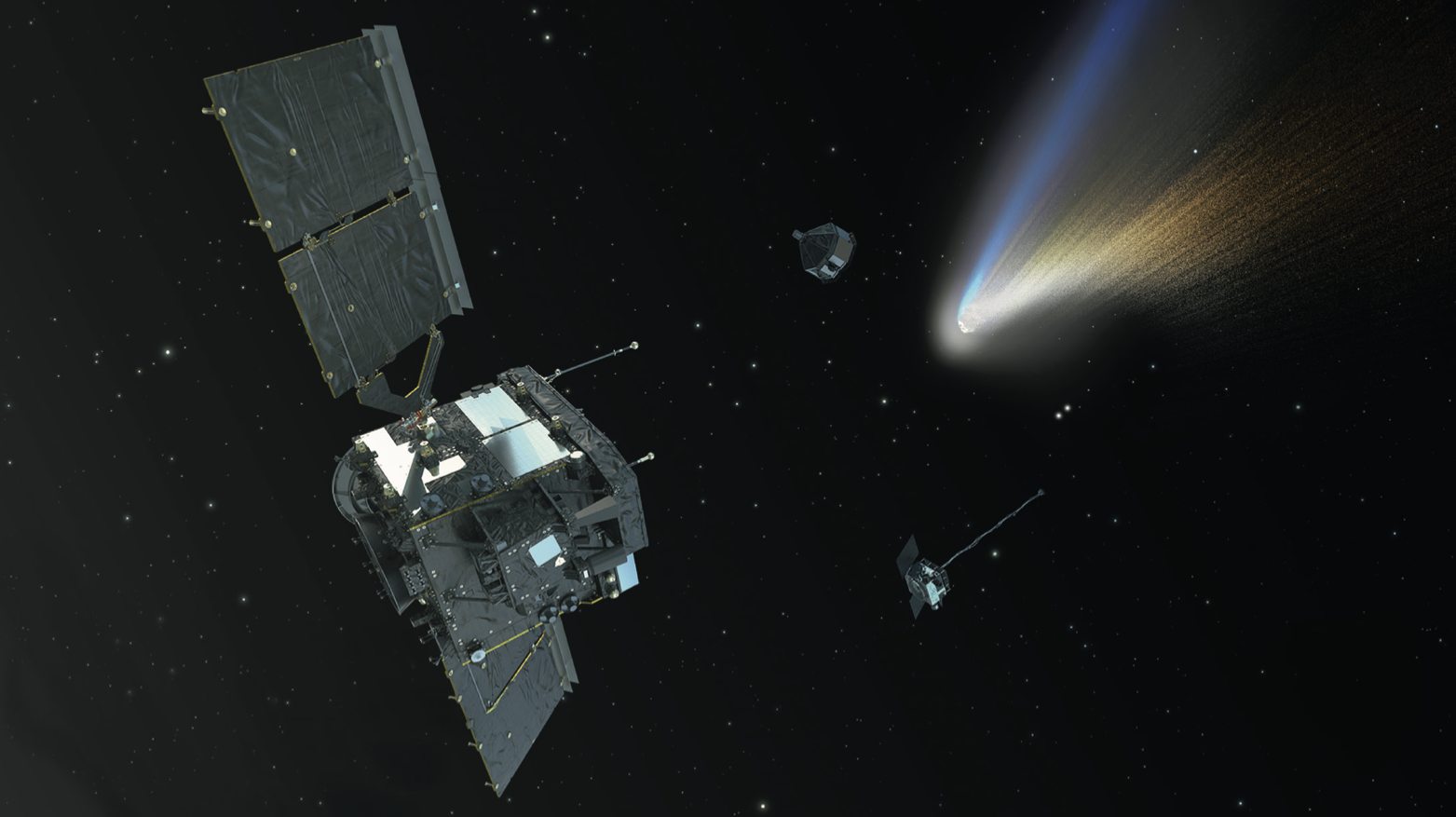
An artist's illustration of the ESA Comet Interceptor mission, showing the large main spacecraft in the foreground with its deployed solar panels, flanked by two smaller sub-probes, all approaching a comet whose bright white nucleus and two-toned tail — blue ion tail and golden dust tail — dominate the upper right of the image against a starry black background.
Science, Solar System

Could we send a spaceship to Comet 3I/ATLAS to collect samples and bring them back for analysis?

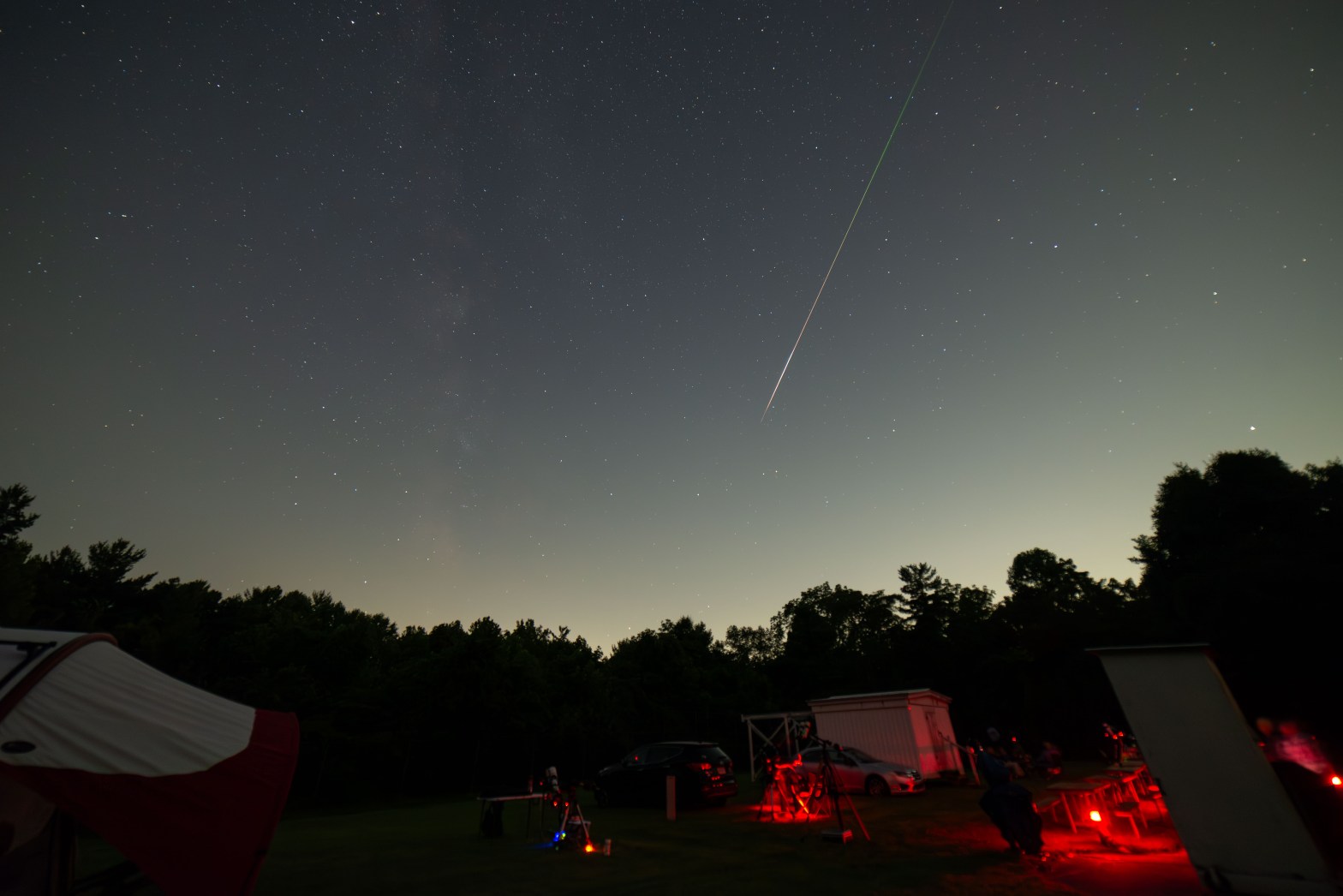
A wide-angle night sky photograph taken at a star party, showing a bright Perseid meteor streaking diagonally across the upper portion of the frame with a vivid green and white trail. The foreground shows an open field with several telescopes set up, observers lit by red lights to preserve night vision, cars, a small white building, and a treeline silhouetted against a faint twilight glow on the horizon. A red tent is partially visible in the lower left.
Observing

How to watch a meteor shower

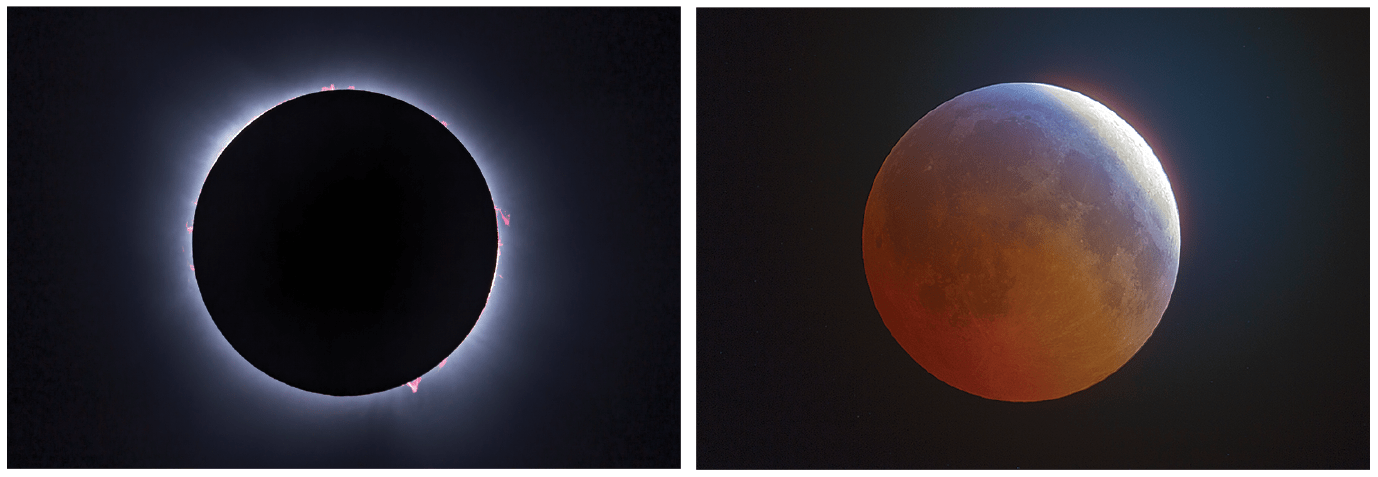
A side-by-side pair of lunar eclipse images. On the left, a total solar eclipse shows the Moon as a black disc surrounded by the Sun's white corona, with several pink solar prominences visible along the edge. On the right, a total lunar eclipse shows the Moon glowing in deep red and orange hues — a "blood moon" — with a bright sliver of normal white moonlight still visible along the upper right edge.
Observing

August 2026: What’s in the sky this month?

Posts pagination

1 2 Older posts

Astronomy Newsletter

Get newsletters, updates and special offers via email from Astronomy.com!

Please enter a valid email address.
Astronomy Magazine logo
  • Facebook
  • LinkedIn
  • YouTube
  • Instagram
  • Twitter
  • About Us
  • Contact Us
  • Subscribe
  • Customer Service
  • Advertising
  • Terms of Use
  • Privacy Policy
  • Do Not Sell

@ 2025 Firecrown Media. All Rights Reserved.

More Sites from Firecrown Media Publisher logo
Scroll to Top

Sign In

New User? Create an Account

Why Sign In? Subscribers can access their digital magazine issues, and registered users can participate in our Community forums and galleries.

Please enter your email.
Please enter your password.

Lost your password?

Manage My AccountCustomer Support