Light exhibits some of the strangest properties in our cosmos. It manifests as both a wave and a particle, and its speed in a vacuum is invariant. While physicists now fully grasp the way light interacts with the universe, this understanding has not always been so solid. Untangling its peculiar behavior has led to the formulation — and discarding — of several bizarre theories, all of which once seemed reasonable. One such theory is that of a weightless, transparent, rigid, frictionless, and ubiquitous substance, “luminiferous ether,” which scientists thought necessary for the transmission of light waves.
To detect this elusive ether, Albert A. Michelson and Edward W. Morley, working at what is now Case Western Reserve University in Cleveland, performed a comprehensive set of experiments between April and October 1887 using an ingenious apparatus in an effort to measure the effects of Earth’s motion through this medium. But despite numerous adjustments and modifications, every attempt failed to detect any ether. With these experiments, Michelson and Morley unwittingly placed the final nail in the coffin of the widely held idea. Today, their findings are considered possibly the most significant negative result in the history of science: By killing off the idea of the ether, their work paved the way for Albert Einstein and the ideas that would define modern physics.
The nature of light
The concept of ether has been hypothesized since antiquity. The ancient Greeks portrayed it as an all-encompassing element breathed out by the gods and filling the space beyond our terrestrial sphere, complementing our physical elements of air, water, fire, and earth. Much later, in the mid-1600s, French philosopher, scientist, and mathematician René Descartes suggested space could not be empty; he argued that at a metaphysical level, “empty” space was no different from “corporeal substance.” His physics also required motion to be transmitted by contact. Thus to explain the motions of heavenly bodies, the cosmos must be filled with particles comprising an ether.
The case for ether gathered momentum in 1660, with Robert Boyle’s demonstration that sound waves required a medium to propagate. So when Dutch polymath Christiaan Huygens proposed in 1678 that light was made of waves, he suggested these traveled through an all-pervading ether. He envisioned light waves propagating through a substance he called luminiferous (light-bearing) ether like ripples in water, publishing his ideas in 1690 in his book A Treatise on Light.
Not long after, in his 1704 book Opticks, Isaac Newton outlined his “corpuscular” theory of light, in which he asserted that light consisted of small single particles moving in straight lines and possessing properties such as color and shape. However, Newton recognized that while his light corpuscles could explain why light reflects off surfaces and refracts through transparent materials, they could not explain diffraction — the way light spreads out after encountering an obstacle. (Diffraction is why shadows are not razor sharp and lenses do not have perfect resolution.) He thus acknowledged the possible existence of an “aethereal medium,” in which differences in density created an attractive force that caused the path of light corpuscles to diffract.
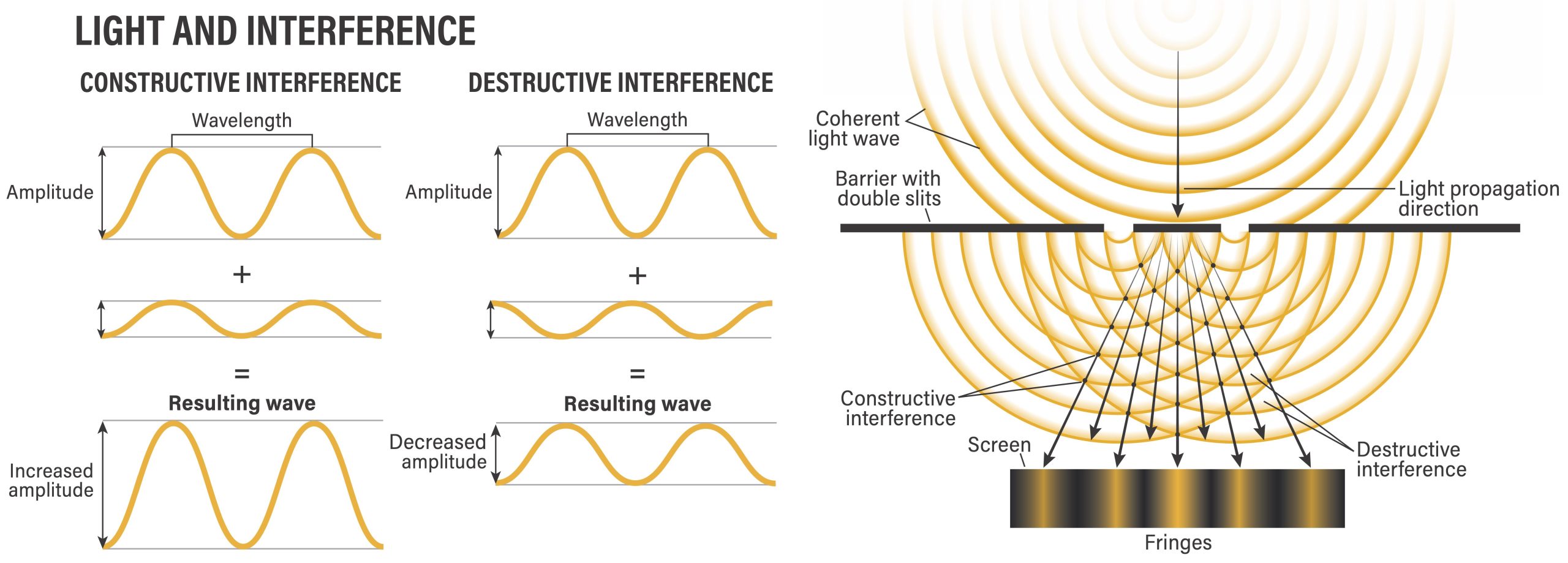
Newton’s theory gained more support than Huygens’, but things changed just after the turn of the century. In 1801, Thomas Young’s double slit experiment showed that when light is shined through a pair of slits, the result is an interference pattern of fringes. This is wave behavior: Bright regions of constructive interference arise where the peaks of light waves coincide, reinforcing each other, while dark areas of destructive interference occur where peaks and troughs of light waves overlap, canceling each other out. Later, in the 1860s, James Clerk Maxwell formulated mathematical equations that describe light as electromagnetic waves.
The nature of ether
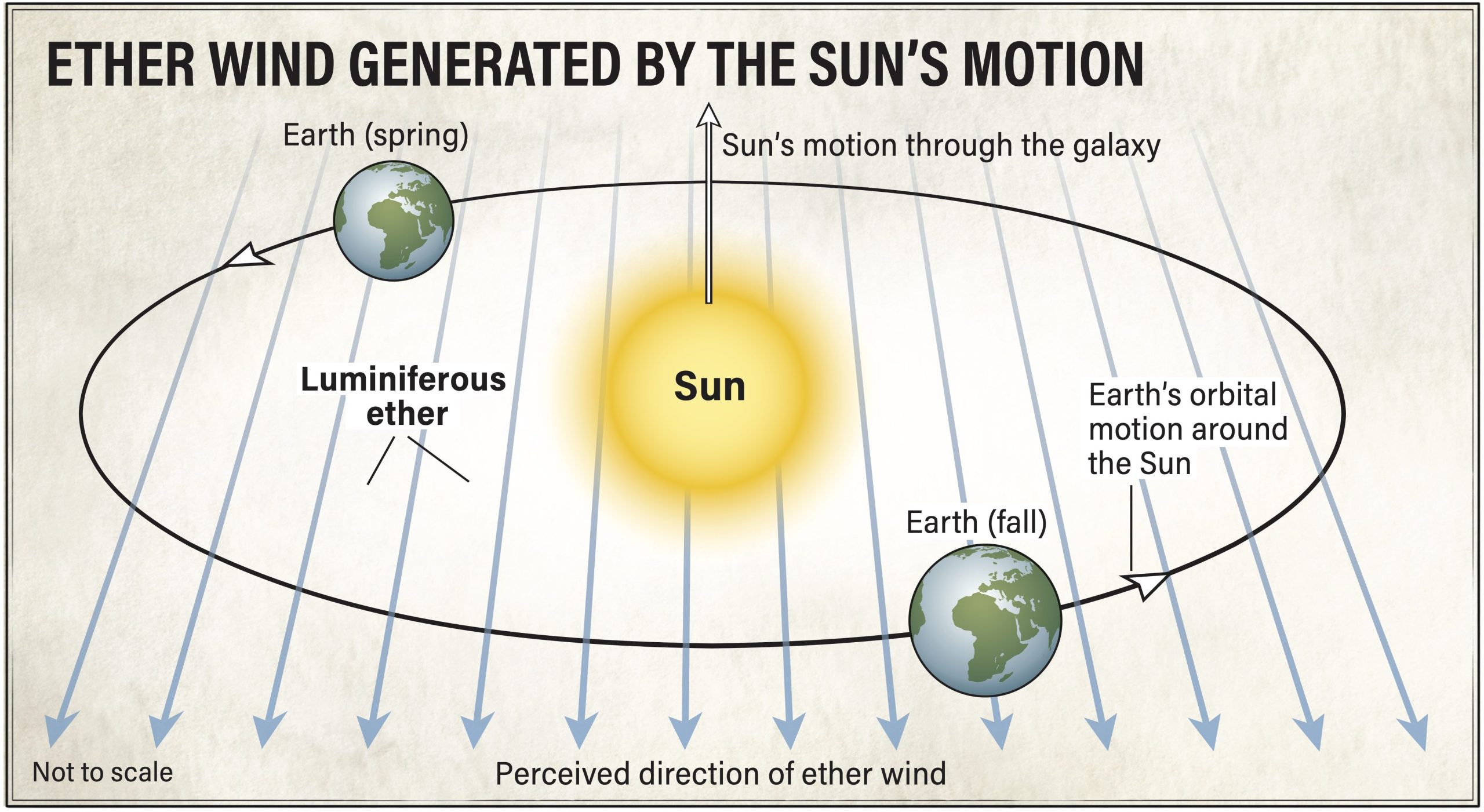
Scientists assumed that ether was necessary to carry light through the apparent vacuum of space, even though it had not been detected experimentally. In the mid-1800s, the nature of this ether and how it interacted with matter was one of the hottest debates in physics. The first camp was led by the French optics expert Augustin-Jean Fresnel. He argued in 1818 that ether was a stationary ghostlike substance that simply passed through most matter, with the exception of materials that transmit light, like glass and water; these media partially dragged the ether as it passed through them, explaining why they bend (refract) light. The second camp was led by George Stokes, a pioneer in fluid mechanics, who in 1845 proposed that ether was more like a viscous fluid — something that Earth plowed through and dragged along with it.
The debate had major consequences for experimentalists: If the first scenario was true, it meant that Earth’s movement through the ether as it orbited the Sun at approximately 67,100 mph (108,000 km/h) would generate an apparent “ether wind” that could be felt at Earth’s surface. If so, lab researchers thought they could finally prove the existence of ether by making a key measurement: Light ought to slow down when shined into this headwind, and be boosted in speed when shined in the opposite direction. On the other hand, if ether was completely dragged along by Earth in its vicinity, this would eliminate any difference in motion between the two. In this case, there would be no ether wind on Earth and no change in the speed of light to be measured.
To explore these ideas, in 1851, Hippolyte Fizeau devised an experiment to measure whether light would be slowed or boosted in speed when traveling through currents of water or air. His results were mixed: He did detect a change in speed when shining light through moving water, but it was much smaller than expected. And he detected no change at all when light traveled through moving air.
Though not exactly aligning with predictions, the variation of light’s speed in water helped convince most scientists of the partial ether dragging scenario, raising the tantalizing prospect that an ether wind existed. Attempts to detect and quantify the effects of this wind continued, including by a pair of scientists in Cleveland: Michelson and Morley.
Michelson and Morley
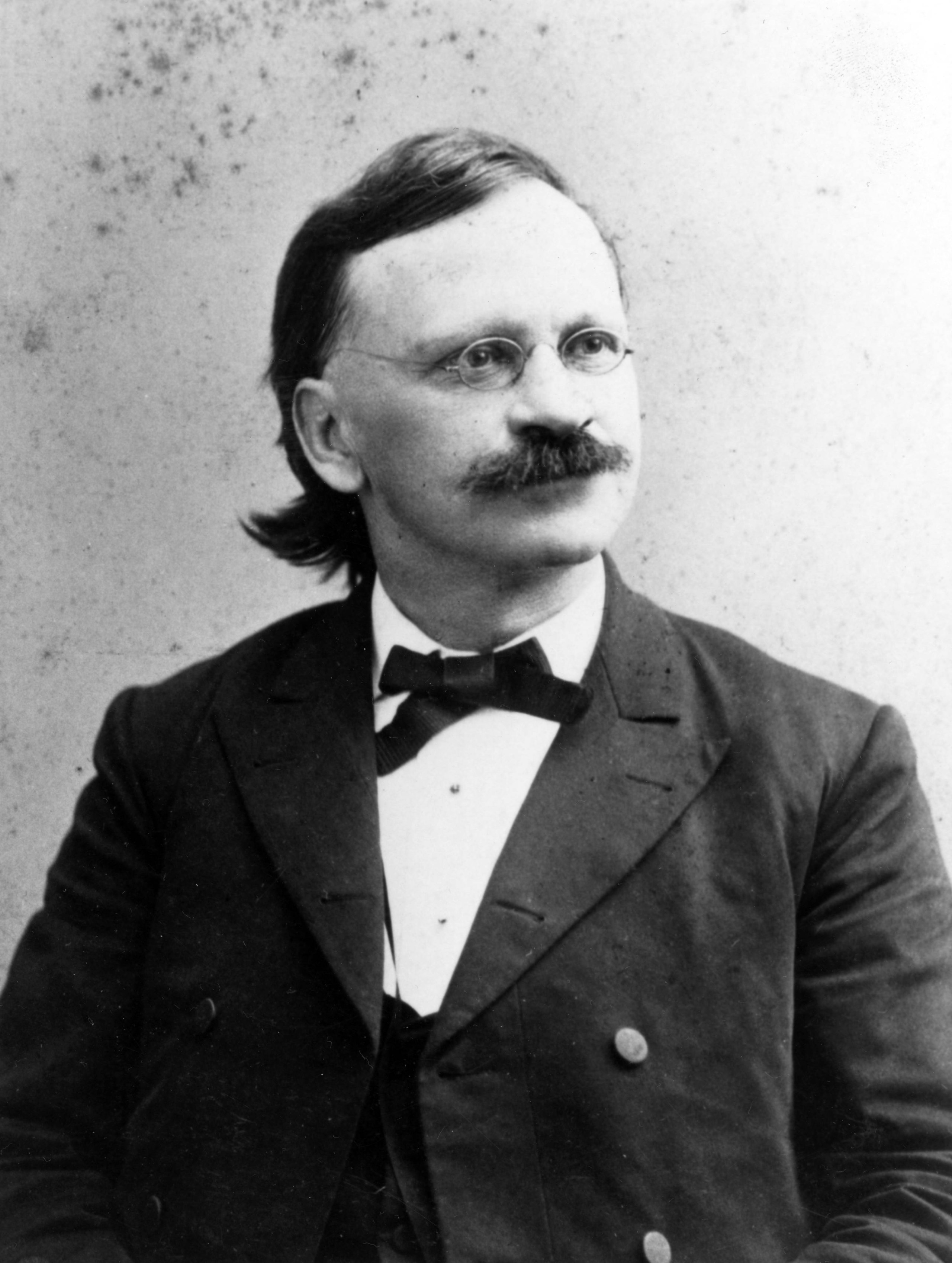
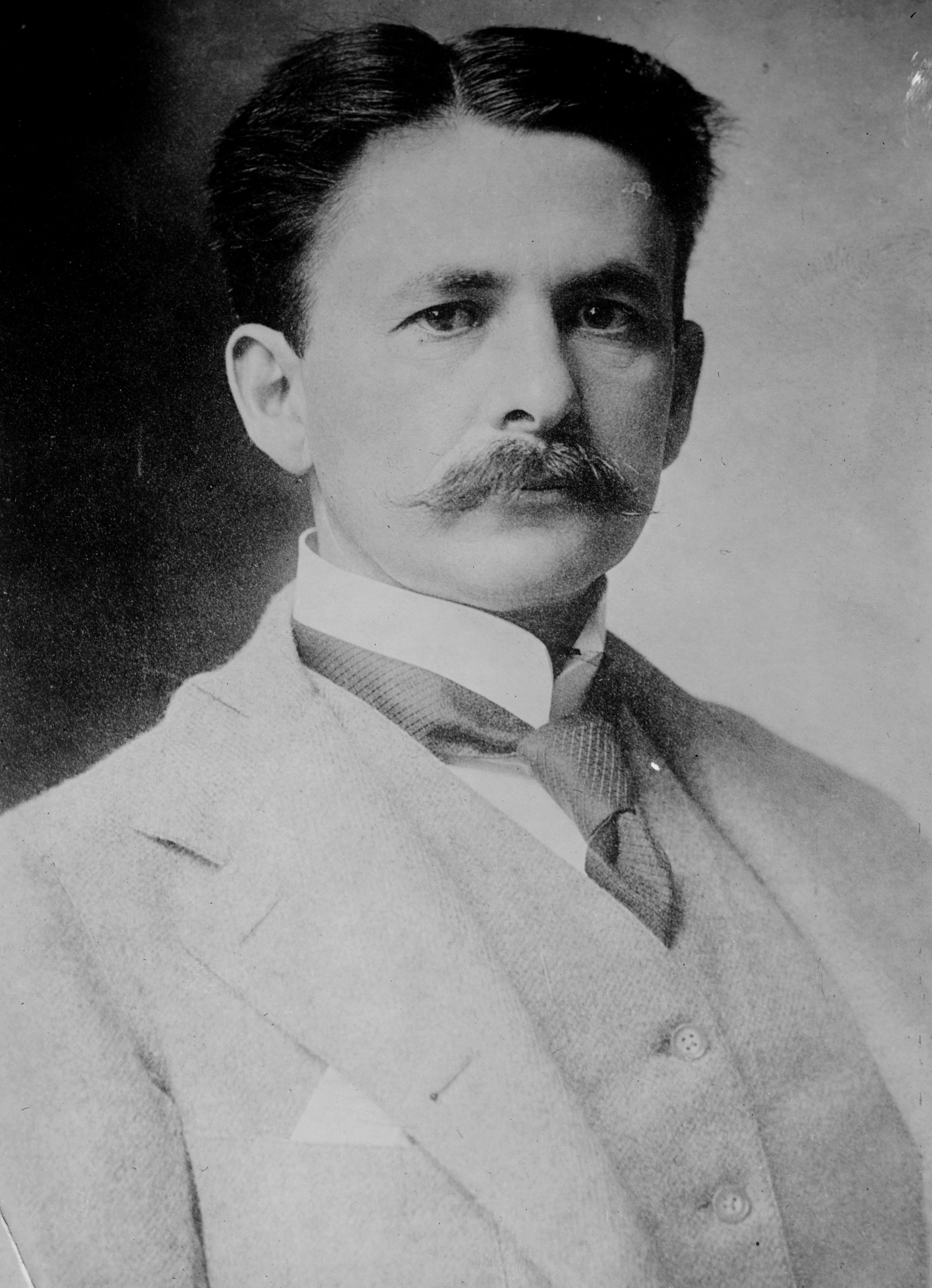
Albert Michelson graduated from the United States Naval Academy in 1873. Following two years of seafaring, he returned to that institution as a chemistry and physics instructor, and began performing measurements of light-speed, verifying previous work by Léon Foucault. In 1877 and again in 1881, Michelson endeavored to repeat Fizeau’s experimental results with higher accuracy. In 1883, after studying optics in Europe for two years, he took a position at the Case School of Applied Science in Cleveland, where he later began his collaboration with Edward Morley.
Fourteen years older than Michelson, Morley had earned a master’s degree in theology before pivoting to teach chemistry at Western Reserve College in Hudson, Ohio. Needing additional income, he also accepted a chemistry and toxicology professorship at the college’s medical school in Cleveland. Morley excelled in both chemistry and optics; he ultimately became the first to precisely measure the atomic weight of oxygen, in 1895.
Together, Michelson and Morley’s experimental skill and ingenuity were the right combination for tackling the nature of ether. In the late 1880s, the pair repeated Fizeau’s moving water experiment with similar results, confirming partial ether dragging and ruling out complete ether dragging. This strengthened their hope of finding the ether wind.
Key to the famous experiment that followed was Michelson’s 1881 invention of the interferometer, a precision instrument that splits a light beam into two parts and recombines them after they take different optical paths. Recombining the beams produces interference fringes, as in Young’s double slit experiment. The pattern changes if the two beams have traveled a different distance before recombining — or if one beam was moving at a different speed. The power of the instrument comes from exploiting light’s extremely short wavelength. White light peaks at a wavelength of around 550 nanometers, or roughly one-half of one-thousandth of a millimeter. But the resulting fringe pattern changes dramatically due to deviations in the beams’ paths — or corresponding speeds — that are even smaller than that. (Michelson was later awarded the 1907 Nobel Prize in physics in part for his “optical precision instruments” — the first American to capture the award for science.)
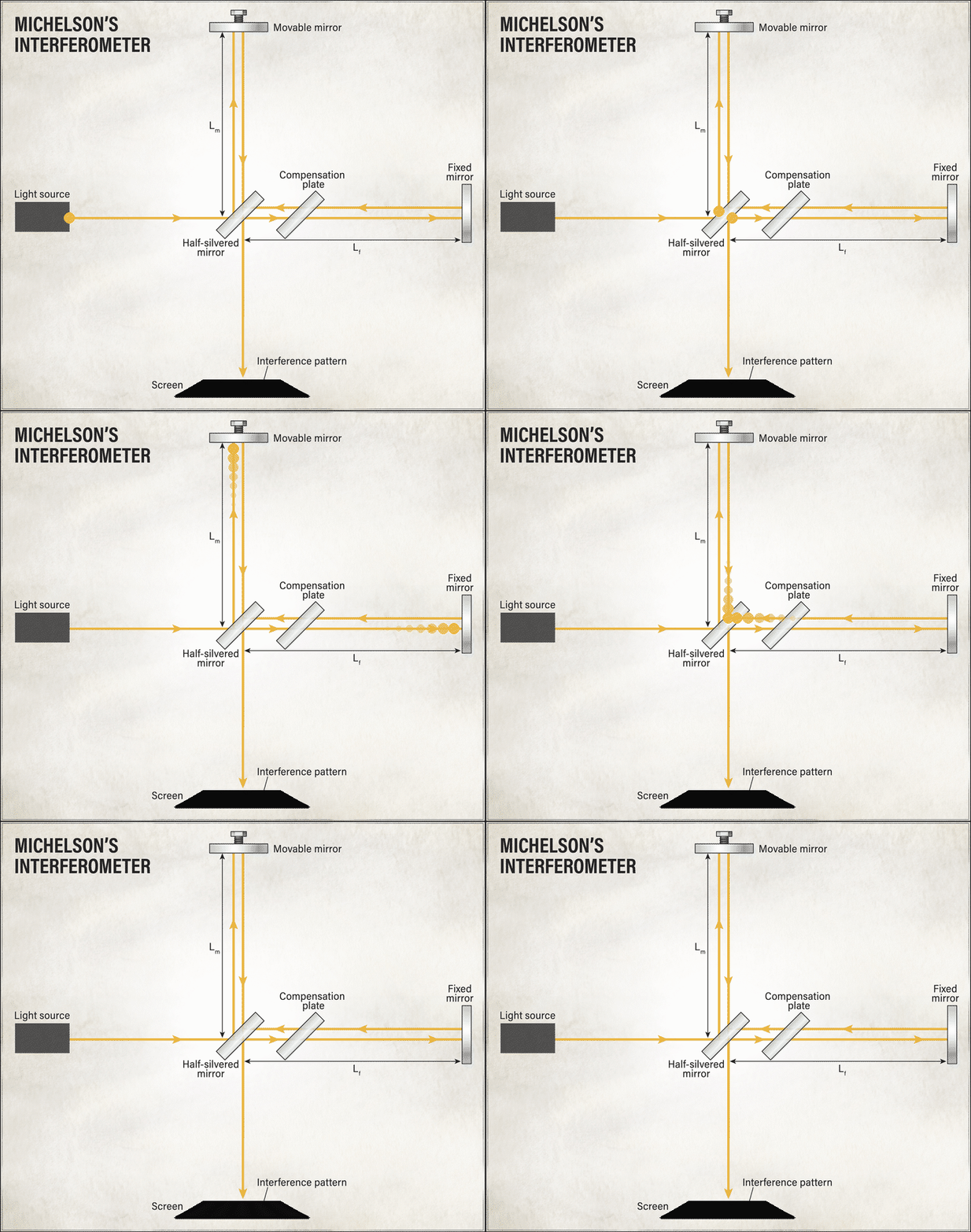
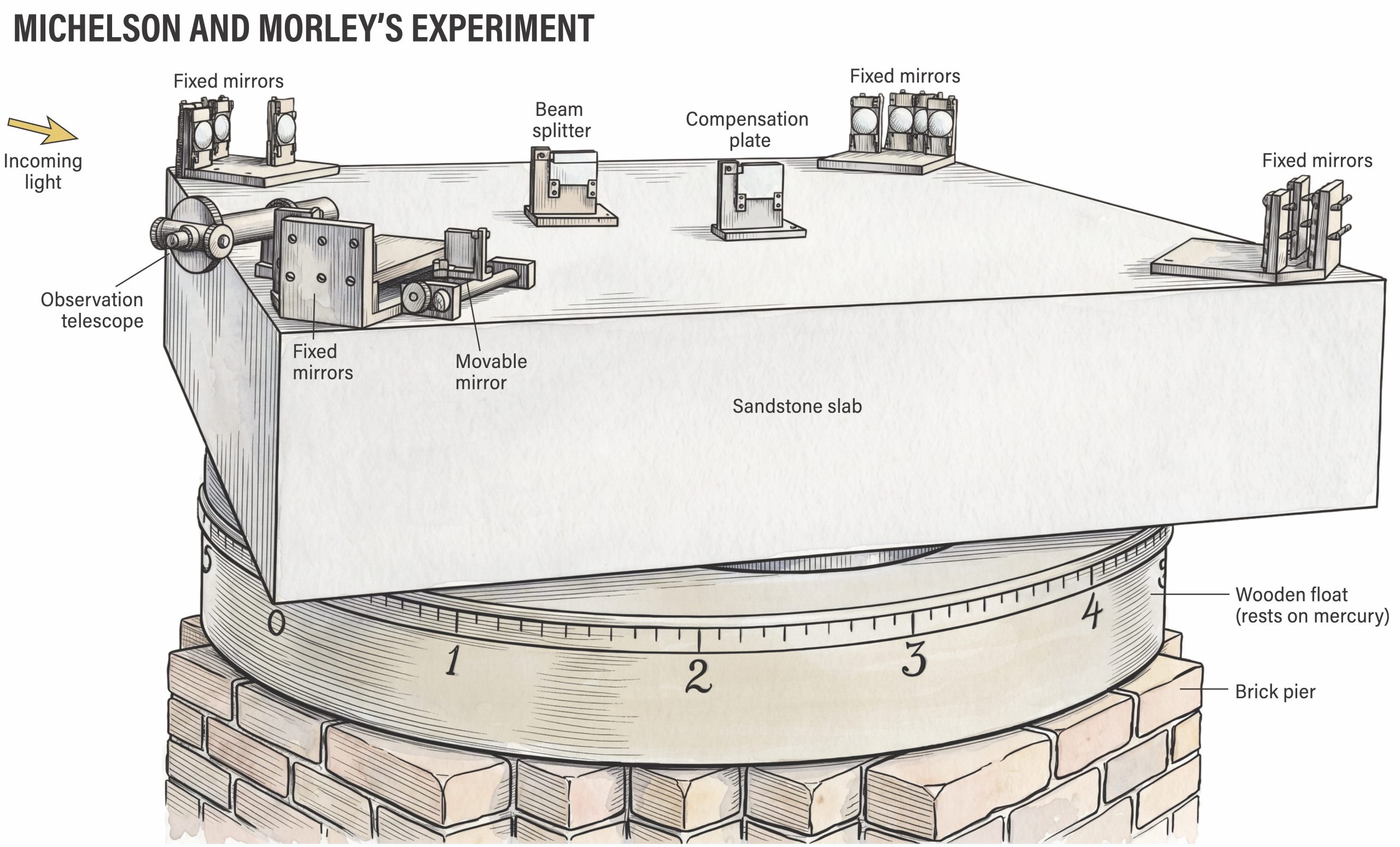
By 1887, Michelson had developed a more sophisticated and precise version of this apparatus for use in detecting the ether wind. The interferometer employed a light source traveling to a beam splitter — a half-silvered mirror that sent two streams of light in perpendicular directions and later redirected them to an eyepiece where the recombination of the beam could be observed. The mechanism was approximately 36 feet (11 meters) wide with adjustable components, built on a sandstone base in the basement of a solid stone building, and floating in a stabilizing trough of mercury to counteract any external vibration. The sandstone base could also rotate, allowing observation at any angle to the direction of the ether wind — whose direction of motion should be determined by the direction of Earth’s motion around the Sun — while keeping the arms perpendicular to each other.
Because Earth orbits the Sun, the relative motion of Earth with respect to the ether (the ether wind) should alter the velocity of light traveling along the arm oriented parallel to the direction of the wind. Of course, any difference in velocity would be very small, since Earth’s motion is only one-one-hundredth of one percent the speed of light. Additionally, just performing the experiment once in a single orientation couldn’t reveal information about the ether wind. This is where the two arms oriented perpendicular to each other as well as the movability of the entire experiment came into play. After taking initial measurements with the apparatus in one orientation, Michelson and Morley rotated the apparatus by 90°. If one arm had been affected by the ether wind previously, now the other arm would be affected, and the light beams would recombine with a different phase relationship to create an interference pattern shifted relative to the previous measurement.
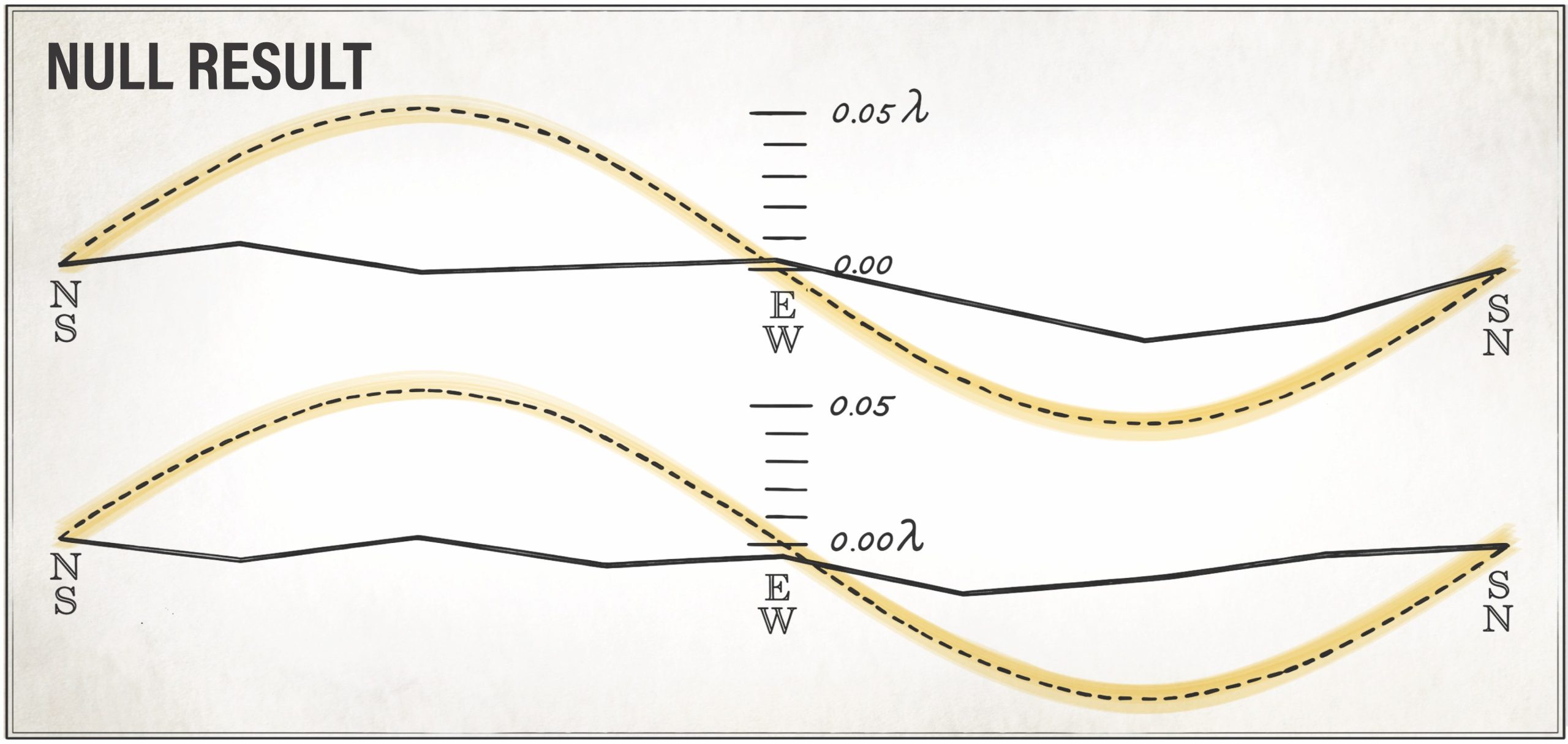
But this did not happen. Even after changes and improvements to the equipment, the pair observed no difference in the fringe pattern from any orientation. Repeating the experiment months later, to account for the possibility that Earth’s motion at the time of experimentation happened to exactly align with the ether, yielded no change in the fringe pattern.
A new cosmos
Michelson and Morley’s trials ultimately revealed no difference in the velocity of light regardless of the direction it was measured with respect to Earth’s motion, thus indicating the absence of ether as it had been envisioned as a medium for the propagation of light. Subsequent and more sensitive experiments in later years through the 1920s confirmed the result.
Although Michelson and Morley didn’t achieve their goal, their negative result bequeathed a new vision of the universe, in which the speed of light was constant regardless of the motion of its source or an observer — a fact that contradicted tenets of classical physics dating back to Galileo.
This vision was so disturbing that researchers did not immediately embrace it — including Michelson and Morley themselves. Others tried to reconcile Michelson and Morley’s results with the existence of ether, like George Fitzgerald and Hendrik Antoon Lorentz. In 1889 and 1892, respectively, they independently proposed the notion that moving objects are compressed in the direction of motion relative to the stationary ether. In such a case, even when Michelson and Morley rotated their interferometer by 90°, the fringe pattern would remain the same.
It was Einstein who eventually made sense of it all with his 1905 theory of special relativity. Working from the fact that the speed of light was the same for all observers regardless of motion and using simple algebra, he arrived at the astonishing conclusion that space and time are not absolute backdrops, but interwoven and observer‑dependent: Moving clocks tick more slowly, and moving rulers shrink along their direction of motion.
Under Einstein’s theory, no ether was necessary to explain Michelson and Morley’s results. The effect proposed by Lorentz and Fitzgerald is a key concept of special relativity, but it is not motion relative to a stationary ether that causes contraction, rather motion relative to an outside observer. Relativity even explained why more than 50 years earlier, Fizeau had measured a smaller-than-expected variation of light’s speed in moving water — it was a relativistic effect, not due to ether.
But even after relativity’s entrance, some scientists resisted dispensing with the ether — again, including Michelson and Morley. As late as 1925, physicist Dayton Miller of the Case School of Applied Science in Cleveland published a paper reporting evidence of ether drag using an interferometer. However, later analysis suggested significant issues in his work, including effects due to local temperature changes.
Ultimately, the concept of ether as a medium through which light could travel disappeared. Relativity’s foundational principle that the speed of light is invariant, alongside other work by Einstein that showed light could behave as a particle or a wave and thus needed no medium for propagation, did away with the need for it.
Modern interferometry
Despite the eventual downfall of ether, the efforts of Michelson and Morley were not in vain. Since their pioneering use of interferometry, the technique has become integral to several branches of astronomy.
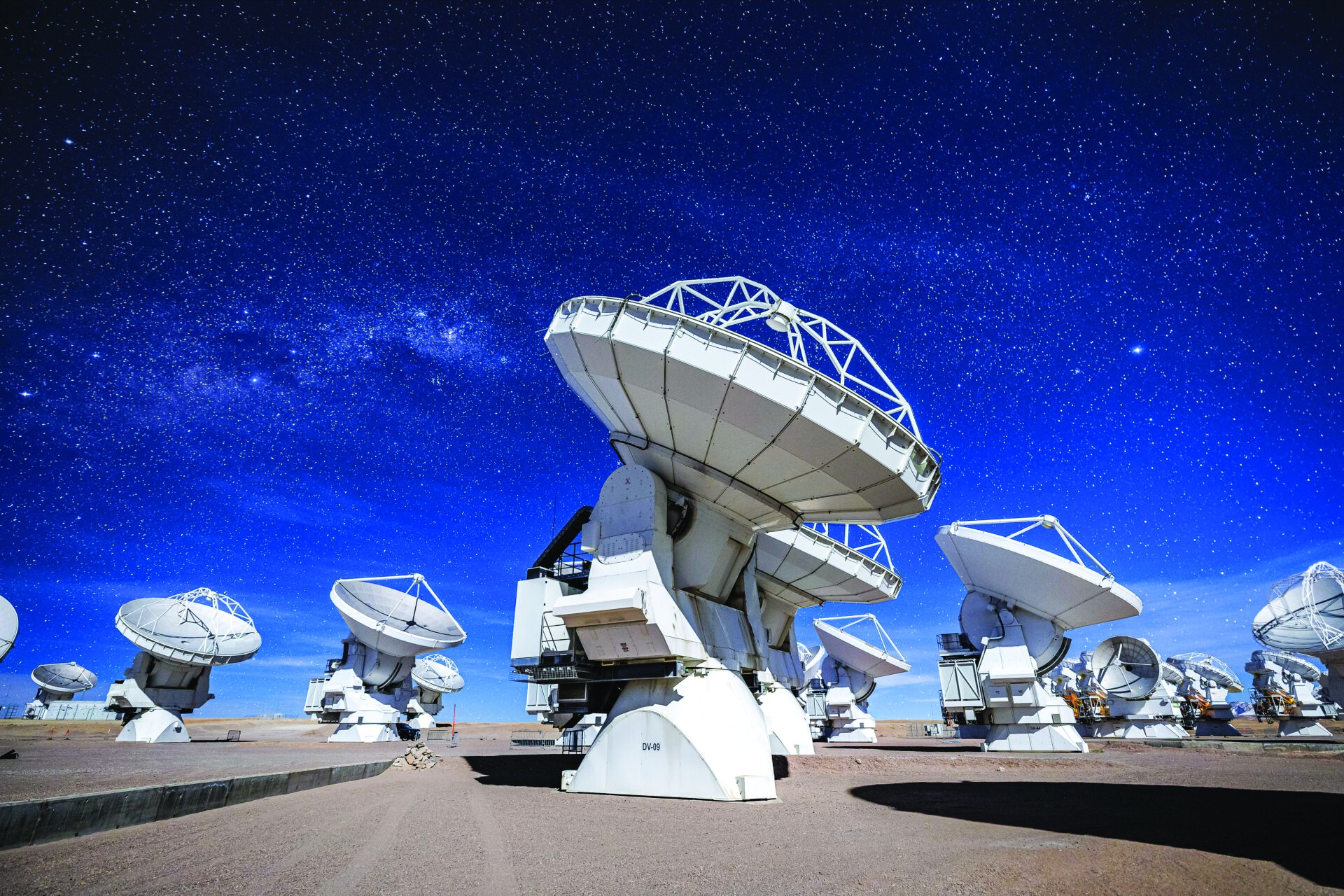
It is particularly useful in radio astronomy, where astronomers combine signals from detectors spaced far apart to achieve the same resolution as a single dish with the diameter equal to the distance of maximum separation of separate detectors. Arrays of radio telescopes around the world operate under these principles, like the Very Large Array in New Mexico, which employs twenty-eight 25-meter dishes in a Y-shaped formation, movable along railroad tracks and spread over approximately 13 miles (21 km). The Atacama Large Millimeter/submillimeter Array in Chile consists of 66 detectors. The technique can even be extended across the entire globe, using radio telescopes thousands of miles apart; the most famous example is the Event Horizon Telescope, which imaged the supermassive black holes in M87 and the Milky Way.
But perhaps the most impressive use of interferometry to date is in detectors such as the Laser Interferometer Gravitational-wave Observatory (LIGO), whose installations in Louisiana and Washington state house interferometers with 2.5-mile-long (4 km) arms. LIGO detects gravitational waves: ripples in the fabric of space-time, predicted by general relativity and generated as massive bodies like black holes spiral and smash together. These waves squeeze and stretch one arm relative to the other as they pass, effecting changes in their length of less than one-ten-thousandth the diameter of a proton. (See “How gravitational waves transformed our universe,” page 18, for more details.)
Although exceedingly more complex than Michelson’s 19th-century interferometer, LIGO is at its heart an identical instrument. The now-regular detection of gravitational waves represents a pinnacle of human technical achievement, made possible by the dedication of Michelson and Morley to measure with the highest precision the innate properties of our cosmos.
F. Michael Witkoski has contributed to Astronomy for many years. He also volunteers at Ryan Observatory at Muddy Run Park in southeastern Pennsylvania.