Looking for a sky event this week? Check out our full Sky This Week column.
September 21: Saturn passes a field star
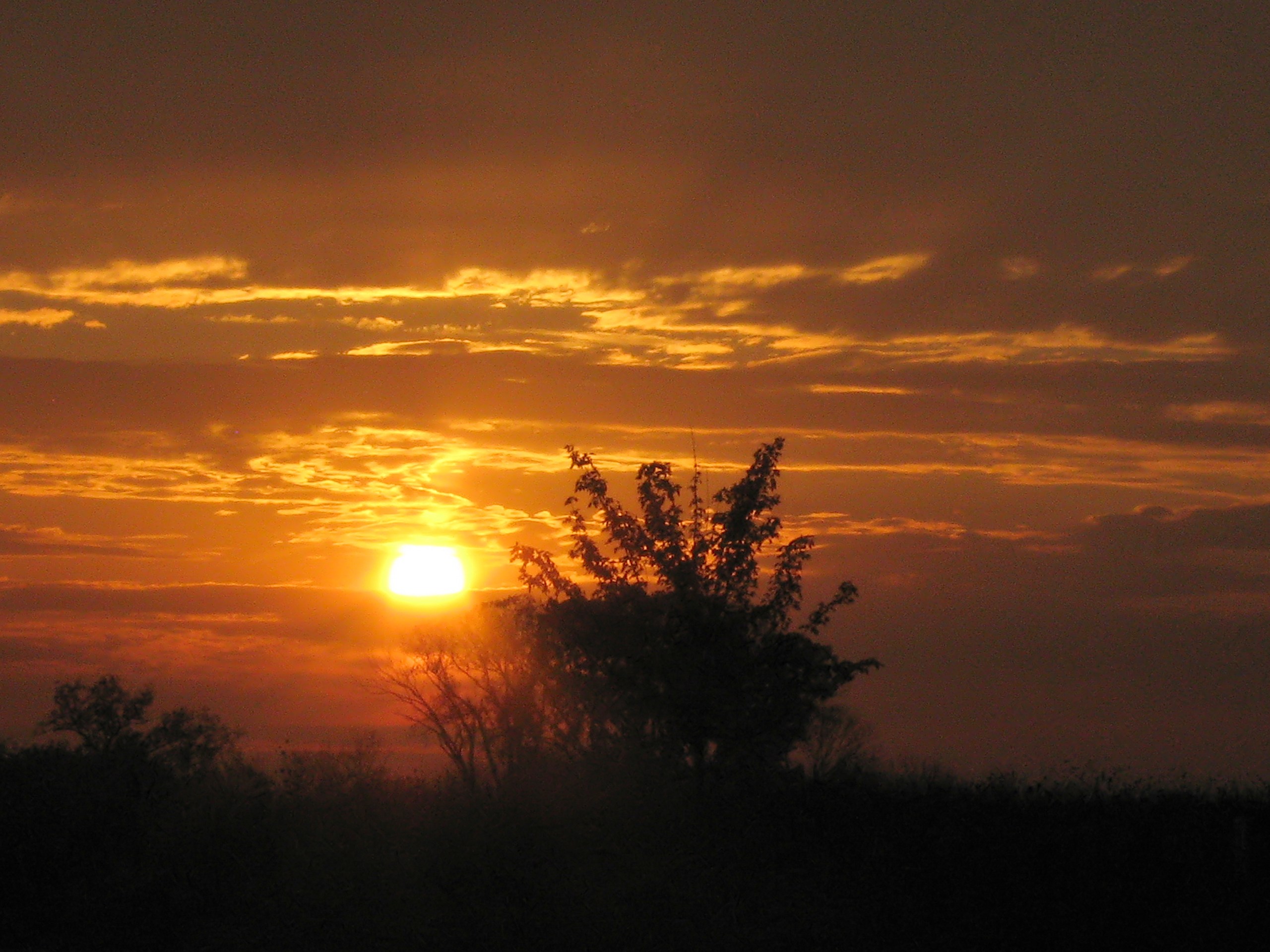
The autumnal equinox occurs at 8:05 P.M. EDT. This moment marks the changing of the astronomical seasons; for those in the Northern Hemisphere, this is when summer ends and autumn begins. However, meteorological fall began a few weeks ago, starting on September 1st.
On the equinox, the Sun appears directly above the equator, crossing the celestial equator (a projection of our planet’s equator out into space) from north to south. Day and night are roughly of equal length on this date, although they do not balance exactly. There are two reasons why. First, the Sun is not a single point in space, but a large disk spanning roughly 32’ on average. That means it takes time for the entire disk to appear or disappear at sunrise and sunset, respectively, offering a few extra minutes of daylight. Further, the air in our atmosphere refracts (or bends) sunlight the same way water can distort images, rendering the Sun visible for a short time even when it is physically below the horizon. This also adds a few more minutes of daylight, making the day slightly longer than the night even during the equinox, when the Sun rises and sets 12 hours apart.
Sunrise: 6:48 A.M.
Sunset: 6:57 P.M.
Moonrise: 5:06 P.M.
Moonset: 2:22 A.M.
Moon Phase: Waxing gibbous (87%)
*Times for sunrise, sunset, moonrise, and moonset are given in local time from 40° N 90° W. The Moon’s illumination is given at 10 P.M. local time from the same location.
Alison Klesman is senior editor of Astronomy magazine. She holds a Ph.D. in astronomy and has studied a variety of topics, from minor planets to supermassive black holes.