Looking for a sky event this week? Check out our full Sky This Week column.
September 25: Neptune at opposition
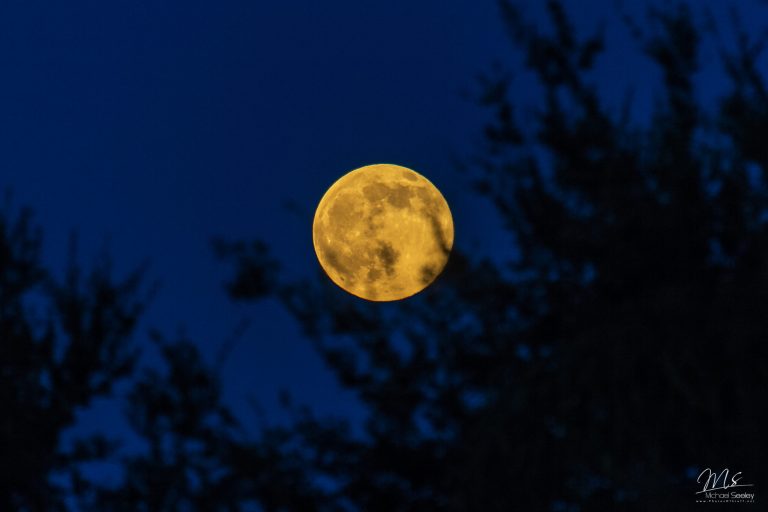
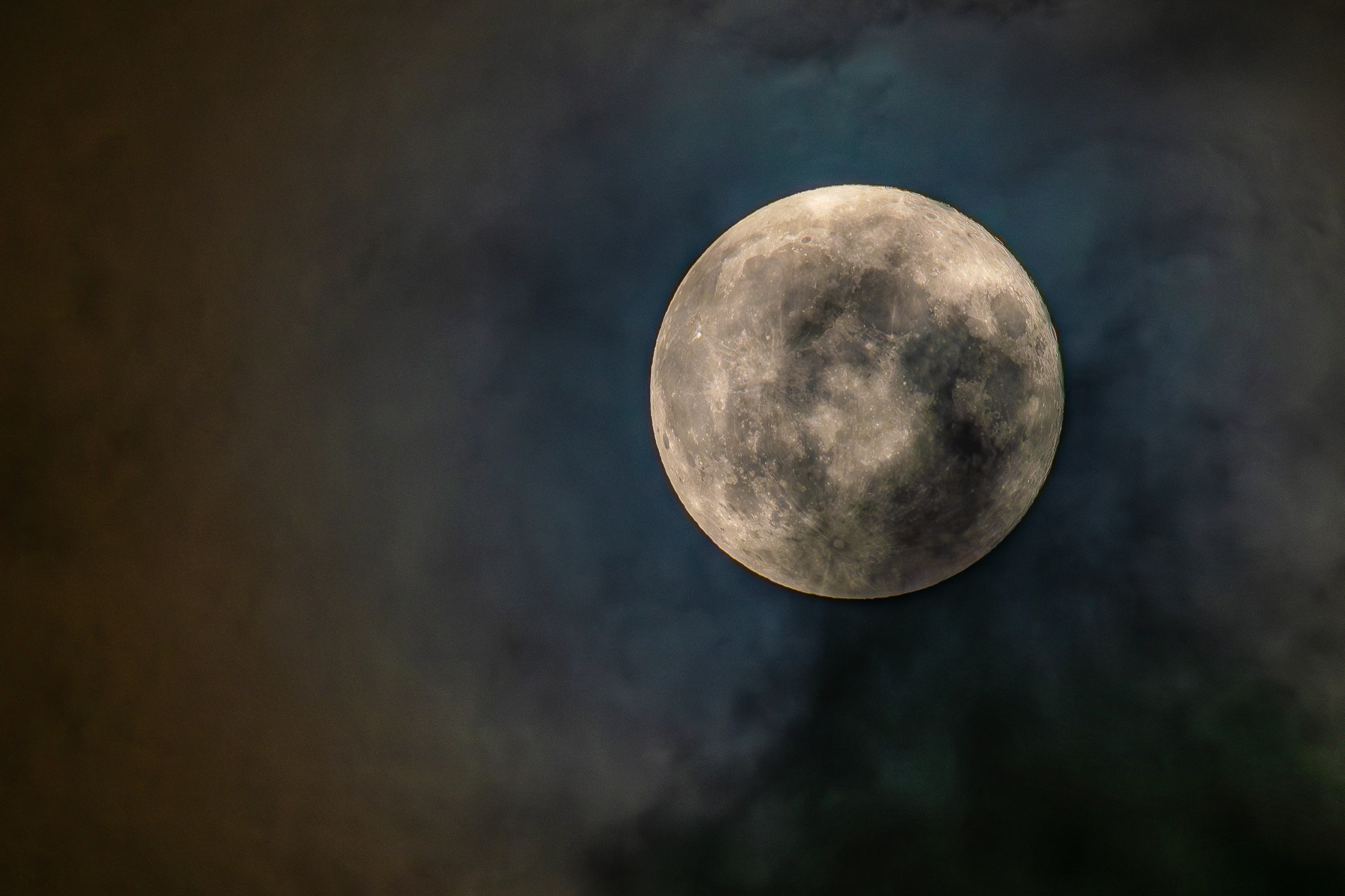
Full Moon occurs at 12:49 P.M. EDT. The Moon then passes 5° north of Neptune at 3 PM EDT.
Rising around sunset and setting around sunrise, the September Full Moon is traditionally called the Corn Moon, as it occurs at a time when corn is harvested. However, this year the Corn Moon is also the Harvest Moon, the name given to the Full Moon that takes place closest to the autumnal equinox, which was September 22. The Harvest Moon name supersedes the Corn Moon moniker.
On the days around the Harvest Moon, our satellite appears to rise and set at roughly the same time, with shorter-than-average intervals between one moonrise and the next. It also appears roughly Full for more than one day — this year, the Moon is more than 99% illuminated on the evenings of both September 25 and 26, and the phase shrinks only a few percent by the 27th. This is due to the tilt of the Moon’s orbit relative to Earth’s equator, as well as the position of the Sun (and Moon) in our sky around the autumnal equinox. This is often called the Harvest Moon effect.
The Full Moon is easy for anyone to enjoy, whether observing with unaided eyes or with optics. In fact, naked-eye observing can be easier and more comfortable during Full Moon, as lots of light streaming in your eyepiece can be a bit uncomfortable. If you do want to check out our satellite under magnification, consider using a Moon filter or even putting on a pair of sunglasses before observing. Increasing your magnification can help, too, as higher magnification means you’re looking at a smaller area of the lunar surface, which reduces glare.
Sunrise: 6:51 A.M.
Sunset: 6:50 P.M.
Moonrise: 6:40 P.M.
Moonset: 6:46 A.M.
Moon Phase: Full
*Times for sunrise, sunset, moonrise, and moonset are given in local time from 40° N 90° W. The Moon’s illumination is given at 10 P.M. local time from the same location.
Alison Klesman is senior editor of Astronomy magazine. She holds a Ph.D. in astronomy and has studied a variety of topics, from minor planets to supermassive black holes.