What’s launching this week
Early this morning, Monday, June 1, the state owned China Aerospace Science and Technology Corporation (CASC) successfully completed the maiden flight of the reusable Long March 12B — a two-stage, 236-foot (72-meter) rocket powered by nine liquid oxygen and kerosene engines with a 44,000-pound (20,000 kilogram) payload capacity. The mission launched from northwest China’s Jiuquan Satellite Launch Center at 4:40 a.m. EST, carrying a batch of satellites for the Qianfan constellation — a Chinese low-Earth orbit broadband megaconstellation targeting over 15,000 satellites, now at roughly 180 in orbit. Although the rocket is designed to be reusable, no recovery attempt was made on this launch.
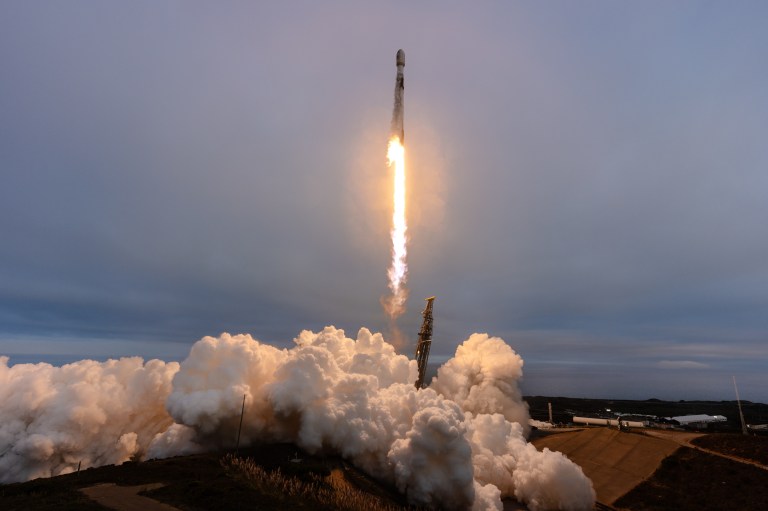
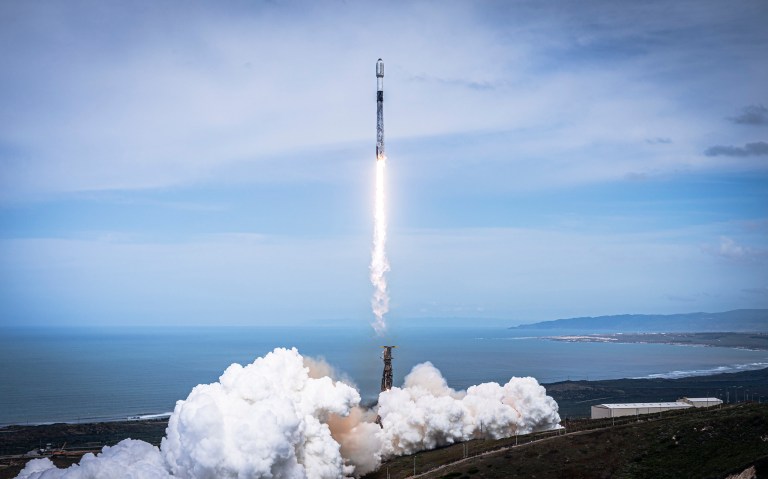
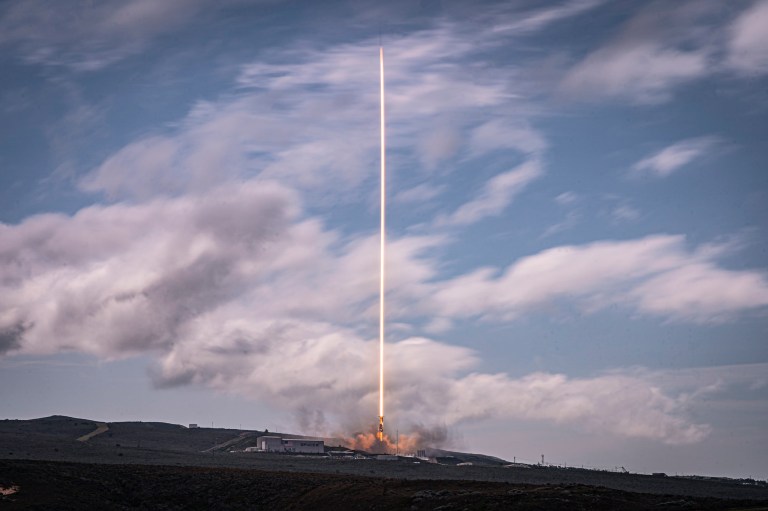
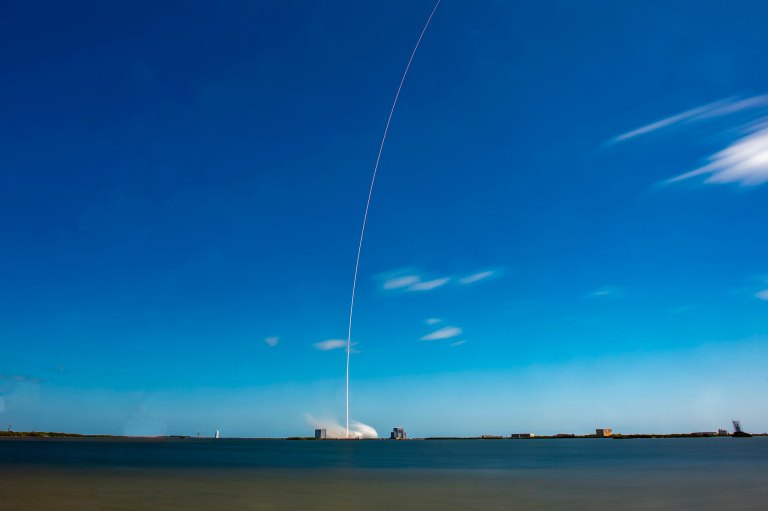
On Wednesday, June 3, SpaceX will launch Starlink Group 10-43 on a Falcon 9 from Florida’s Cape Canaveral at 4:02 a.m. EST, with the booster targeting a landing on the droneship A Shortfall of Gravitas. Later that morning at 10:00 a.m. EST, a second Falcon 9 carrying Starlink Group 17-47 will lift off from Vandenberg Space Force base in California, with the booster set to land on the droneship Of Course I Still Love You.
According to tracking from NextSpaceFlight and RocketLaunch.org, CASC has a Long March 6A carrying an undisclosed payload from northeast China’s Taiyuan Satellite Launch Center scheduled for Thursday, June 4 at 7:41 a.m. EST, followed by a Long March 8 with an undisclosed payload from Wenchang Satellite Launch Center located on the coast of Hainan Island in the South China Sea on Friday, June 5 at 1:00 a.m. EST.
On Sunday, June 7, SpaceX will launch Starlink Group 10-35 on a Falcon 9 from Cape Canaveral at 6:30 a.m. EST.
RELATED: Starlink interference threatens radio astronomy’s golden age
Last week’s recap
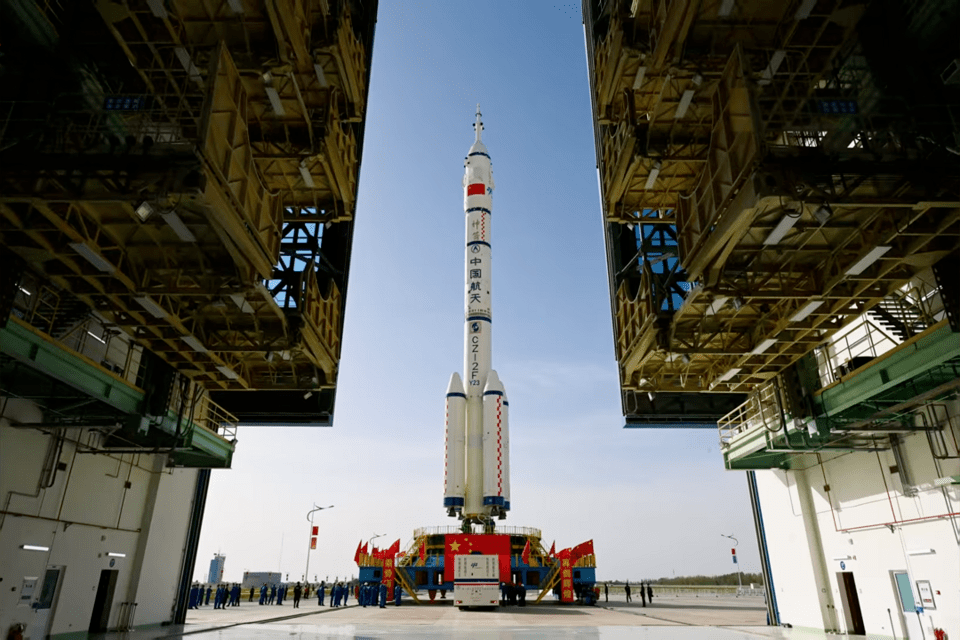
The week opened on Sunday, May 24, when China launched Shenzhou 23 on a Long March 2F from Jiuquan at 11:08 a.m. EST, sending three taikonauts to the Tiangong space station. The mission includes a crew member who will remain aboard for a year, a first for any Chinese astronaut.
On Monday, May 25, SpaceX launched Starlink Group 10-47 from Cape Canaveral at 7:48 a.m. EST. On Tuesday, May 26, CASC launched TJSW-24, a communications test satellite, on a Long March 7A from Wenchang at 12:16 p.m. EST. SpaceX also launched Starlink Group 17-37 from Vandenberg at 10:50 a.m. EST.
On Friday, May 29, SpaceX launched Starlink Group 10-53 from Cape Canaveral at 8:57 a.m. EST, and ULA flew Amazon’s LEO LA-07 satellite on an Atlas V 551 from Cape Canaveral at 7:53 p.m. EST. On Saturday, May 30, SpaceX launched Starlink Group 17-41 from Vandenberg at 11:25 a.m. EST, and CASC launched four direct-to-device satellite internet test satellites on a Long March 2D from Xichang at 2:07 p.m. EST.
Looking ahead
As reported by NextSpaceFlight, South Korea’s Agency for Defense Development (ADD) has a demo flight of a small satellite launch vehicle from Jeju Island scheduled for Monday, June 8 at 1:00 a.m. EST, and China’s Chinarocket has a Jielong 3 carrying an undisclosed payload from the Haiyang Oriental Spaceport on Tuesday, June 9 at 8:30 p.m. EST.
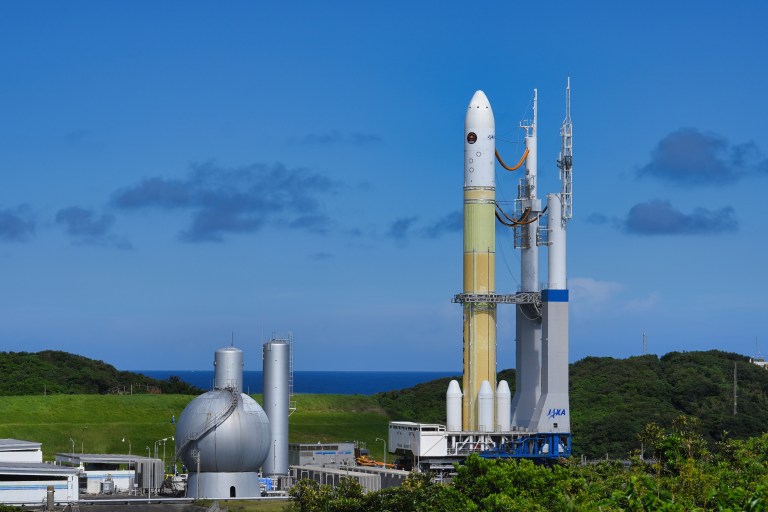
Also on June 9, Japan’s Mitsubishi Heavy Industries, in partnership with JAXA, is targeting 8:53 p.m. EST for the test flight of the H3-30S, a variant of the popular H3 rocket from Tanegashima Space Center. On Wednesday, June 10, SpaceX will launch Starlink Group 17-44 on a Falcon 9 from Vandenberg at 10:00 a.m. EST, with the booster landing on the droneship Of Course I Still Love You.