
Key Takeaways:
- Edward Emerson Barnard (1857-1923) emerged from poverty with minimal formal education, initiating his astronomical pursuits after a colleague introduced him to the field during his employment as a photographer's assistant.
- His early astronomical endeavors included the discovery of five comets in 1881, earning reward funds that facilitated his attendance and instruction at Vanderbilt University, where he received an honorary bachelor's degree in 1887.
- Joining the University of Chicago and Yerkes Observatory in 1895, Barnard's distinguished career encompassed the discovery of 17 comets, Jupiter's fifth moon Amalthea, and the eponymous Barnard's Star.
- Barnard also pioneered wide-field astrophotography for Milky Way structure investigation and was the first to theorize that dark regions in space represented clouds of gas and dust, known as dark nebulae.
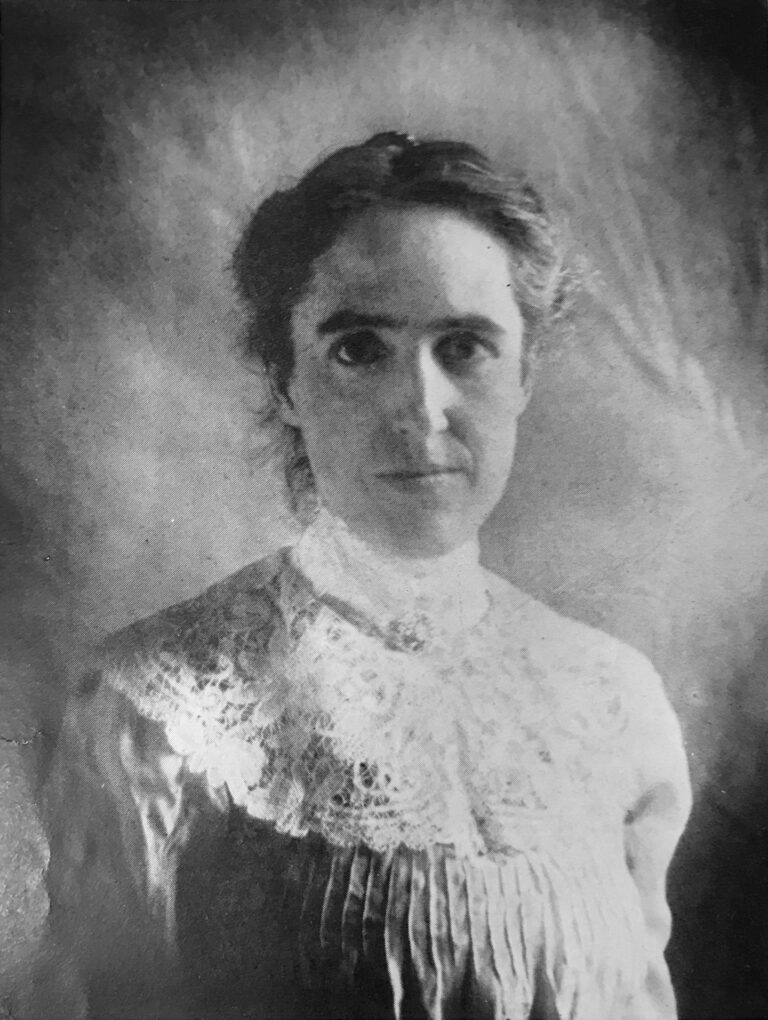
On Dec. 16, 1857, Edward Emerson Barnard was born in Nashville, Tennessee. His beginnings were humble. Raised in poverty, a condition exacerbated by the Civil War and the occupation of Nashville, Barnard survived cholera and received almost no education. Instead, it was the job he began at age 9, as a photographer’s assistant, that would put him on the path to his future career: A photo studio colleague introduced Barnard to astronomy and gave him a homemade telescope. Eventually, Barnard would purchase a 5-inch refractor for the massive sum of $400 – about two-thirds of his annual income.
In 1881, Barnard discovered five new comets in response to a $200 per comet reward offered by businessman Hulbert Harrington Warner; he purchased a house with his $1,000 reward. Offered a fellowship, he began attending Vanderbilt University in 1883. In addition to taking mathematics courses, he would become an instructor of practical astronomy there, and receive an honorary bachelor’s degree in 1887.
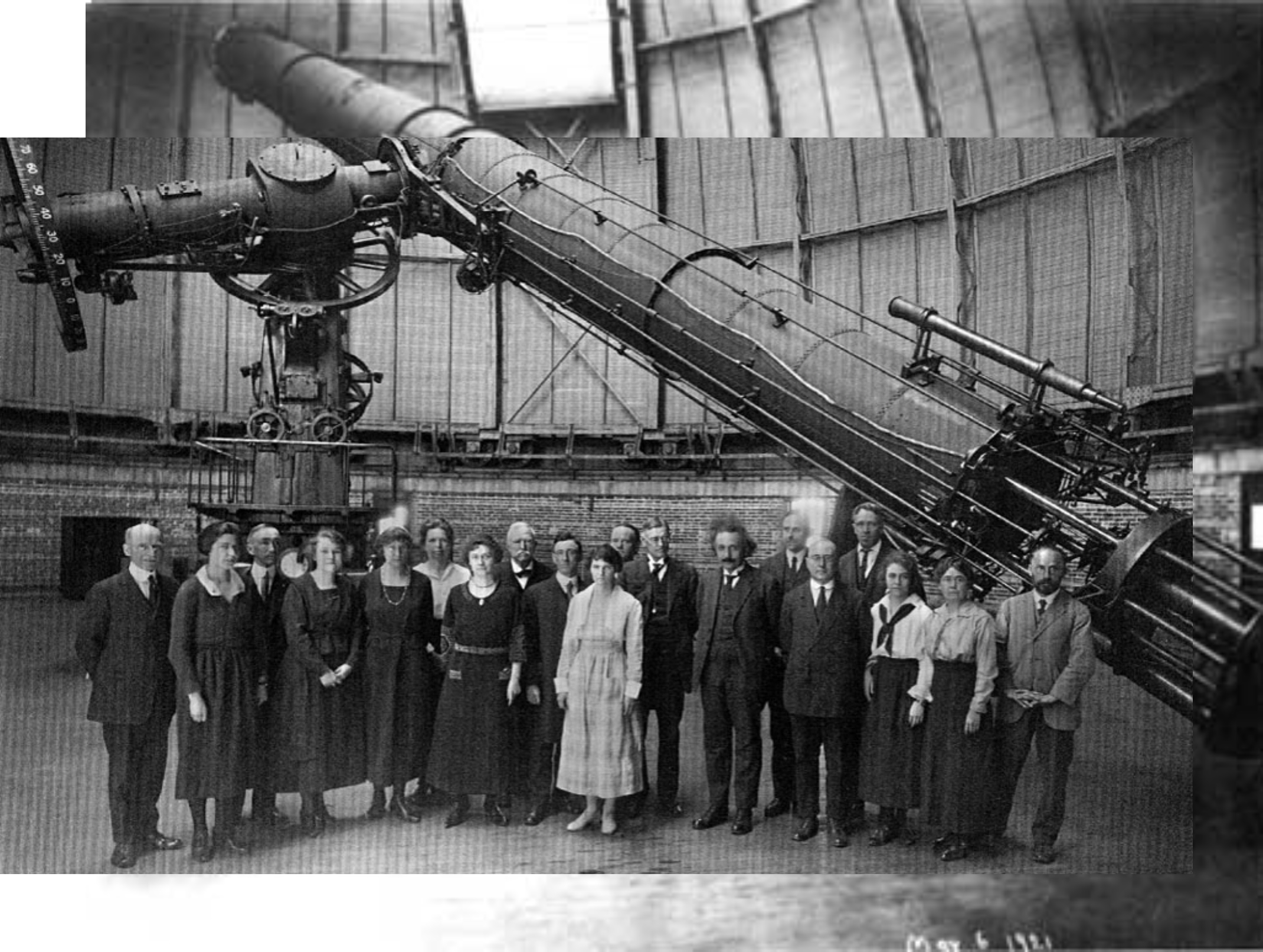
In 1895, Barnard joined the staff of the University of Chicago and Yerkes Observatory, remaining there until his death in 1923. A passionate observer, he discovered 17 comets over the course of his life, as well as Jupiter’s fifth moon, Amalthea, and the eponymous Barnard’s Star. He was also an innovator in wide-field photography (which allowed for better investigation of the structure of the Milky Way), and the first to propose that the dark, empty regions in space were clouds of gas and dust – i.e., dark nebula.