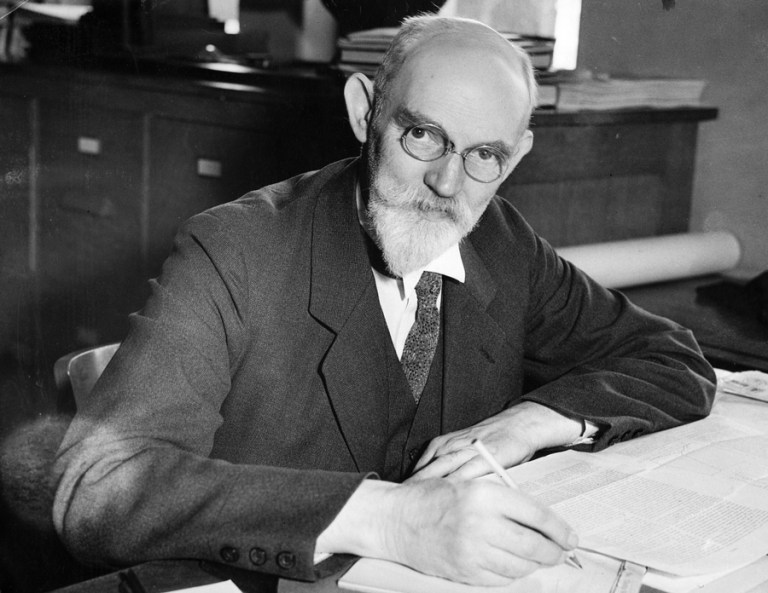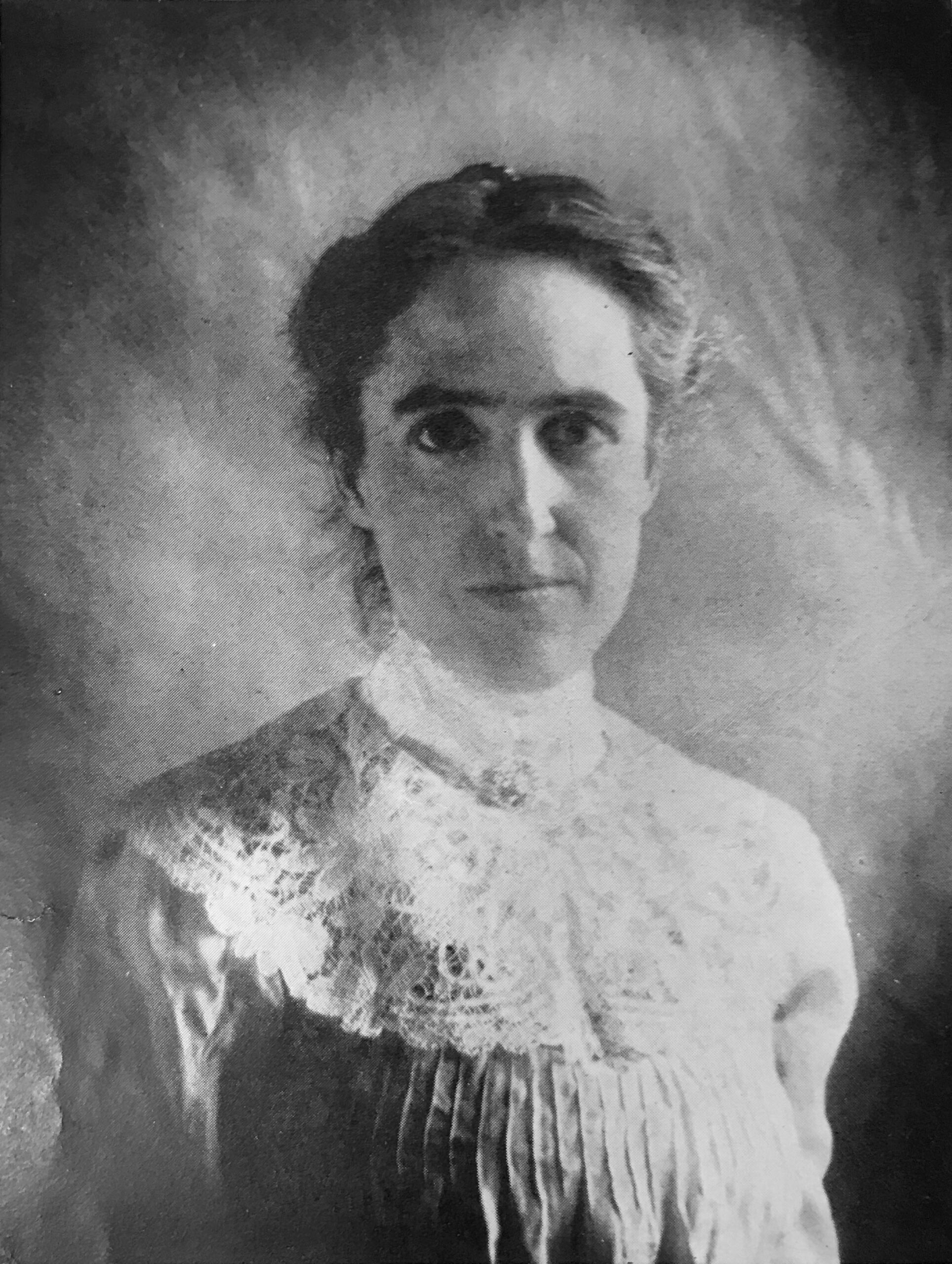
Born in Massachusetts on July 4, 1868, Henrietta Swan Leavitt attended the country’s first co-ed college, Oberlin, before completing her degree at the Society for Collegiate Instruction of Women (today, Radcliffe College). She studied astronomy only in her last year of school. But after she volunteered for a period at the Harvard College Observatory (HCO), Edward Pickering hired her as part of his permanent staff in 1903.
As one of the “Harvard computers,” the group of women who cataloged stars on photographic plates, Leavitt specialized in finding variable stars. For 30 cents an hour, Leavitt compared pairs of plates, searching for the fluctuations in brightness that would suggest variable stars. Despite the limitations on the work women were allowed to perform at the HCO, Leavitt excelled, finding more than 2,400 variable stars and becoming head of the photographic photometry department.
Leavitt’s most impactful contribution to astronomy was her discovery of the period-luminosity relationship: In short, the period of a variable star (the time it takes to go from bright to dim) is related to its luminosity (how bright it is). This breakthrough allowed Harlow Shapley and Edwin Hubble to determine the distance to stars, measure the size of the Milky Way, and confirm galaxies outside our own. Leavitt continued to work at the HCO until her death from cancer on Dec. 12, 1921, at only 53 years old.