As close as we astronomers love to feel to space, one thing stands between us and the outer reaches: Earth’s atmosphere. More than 60 miles (97 kilometers) of gases separate us from the cosmos, and it has an effect on our ability to photograph and observe. Astronomers speak of two measures of atmospheric quality: transparency and seeing. Astronomical League observing programs often require you to record estimates of those conditions. So what are they?
Transparency
Transparency is exactly what it sounds like: how clear the atmosphere is. Clouds, smoke, dust, and haze can obscure your view of celestial objects. You may decide not to attempt to observe or image on a given night if the transparency is poor enough.
Discerning transparency takes practice. The more you look up at your sky, the more you’ll start to notice the differences between nights. One way to gauge the level of transparency (including light pollution) is to look at the Little Dipper. Its stars will give you a rough estimate of your limiting magnitude.
In magnitude 1 (the least transparent) skies, no stars in the Little Dipper are visible, including Polaris, meaning that it’s probably cloudy. If you can only see Polaris (Alpha [α] Ursae Minoris), but no other stars of the Little Dipper, then your sky is at magnitude 2. If the two stars at the end of the Dipper’s scoop are visible, that’s magnitude 3. If you see any other stars in the handle, then your sky is at magnitude 4. If you can make out either of the other two stars that form the scoop, that’s magnitude 5. Finally, if you can see all seven stars in the Little Dipper, you’ve reached magnitude 6, about the limiting naked-eye magnitude. The more transparent the atmosphere is, the fainter the objects you’ll see, and they’ll be clearer and of higher contrast.
Seeing
Seeing is less familiar. It’s a measure of the steadiness of the atmosphere. The mix of warm and cold air causes our atmosphere to swirl, disrupting the path of light through it. Think about the roiling you see above a hot car or barbecue grill — the effect is the same. Seeing is influenced by both global weather patterns and localized conditions, all the way down to the ground under your feet and the interior of your telescope tube.
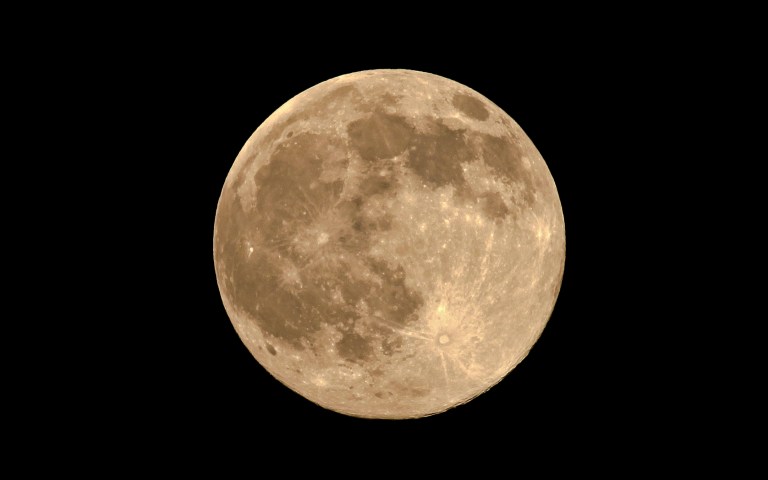
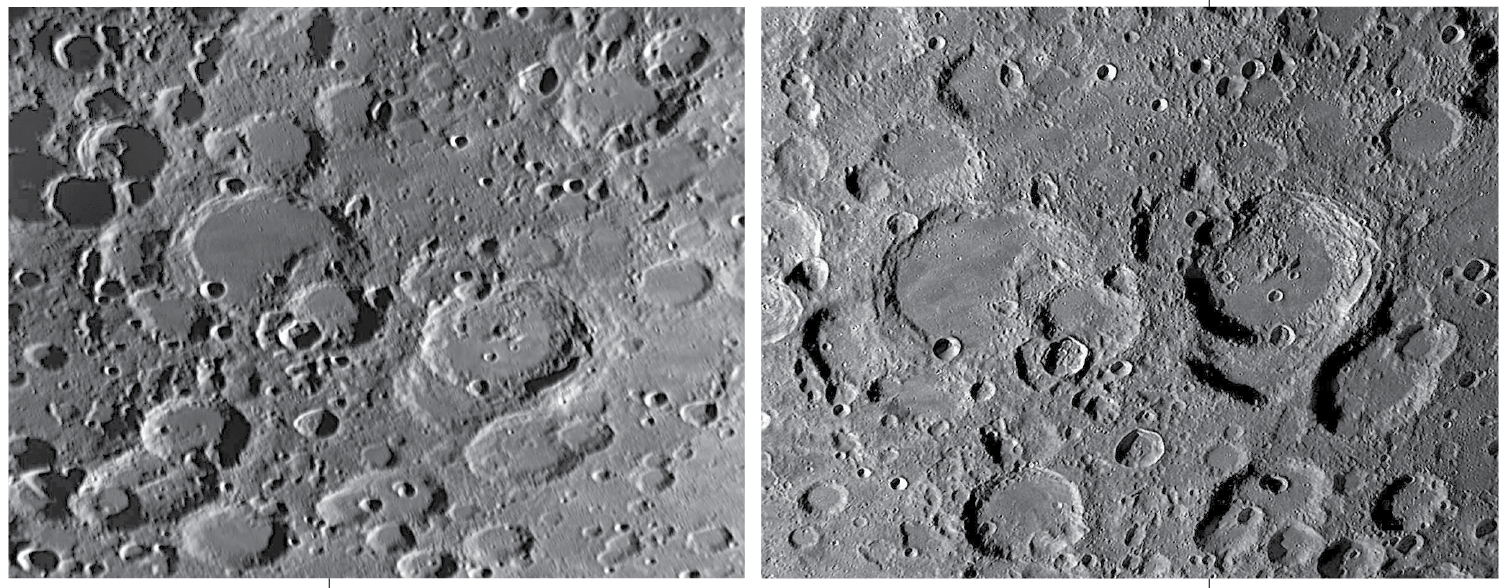
Good seeing is essential for high powers. Trying to discern small details on the Moon or split close double stars is impossible when the seeing is poor. Stars and objects in your images will be soft and blurred. The easiest way to determine your seeing conditions is to look at how rapidly the stars are twinkling. Seeing is usually measured on a scale of 1 to 5, with 1 being poor and 5 being excellent.
Look ahead
Can we know in advance what the conditions might be like for a given night? Yes! Meteorological modeling and weather satellite imagery are used to estimate what the transparency and seeing will be as far ahead as the next several nights. My favorite app for astronomical weather forecasts is Astrospheric (www.astrospheric.com), which shows cloud cover, transparency, seeing, wind speed and direction, temperature, dew point, and much more, including maps of smoke. I also often use Clear Dark Sky (www.cleardarksky.com) and Clear Outside (https://clearoutside.com).
Under transparent skies, drink in the beauty of nebulae and tease galaxies out of the background. And extended periods of excellent seeing are the best times to be at the eyepiece. We live for those clear, steady nights, but even if the conditions aren’t stellar, go out and love the night sky anyway.