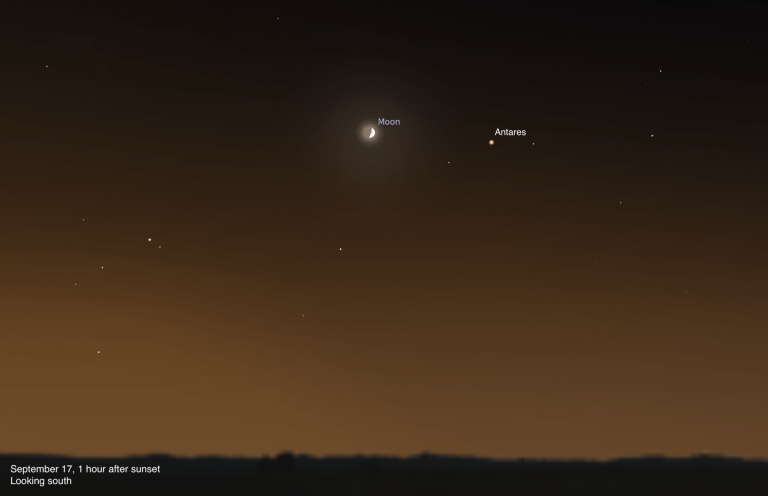
Looking for a sky event this week? Check out our full Sky This Week column.
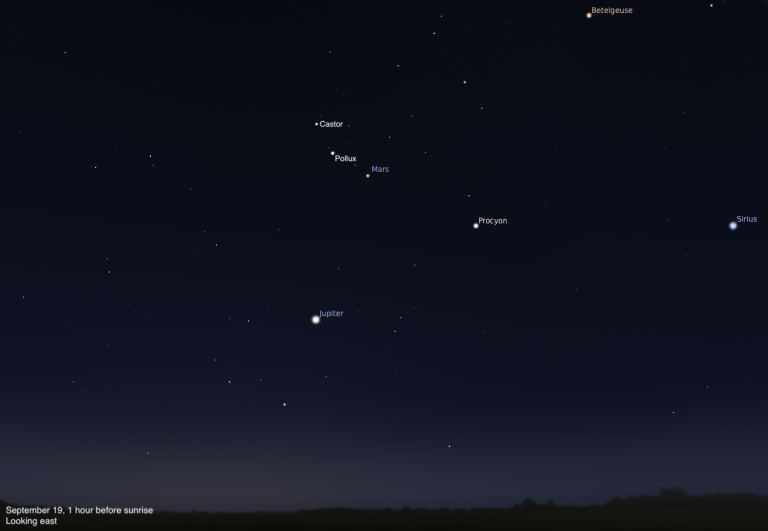
September 19: Mars meets Pollux
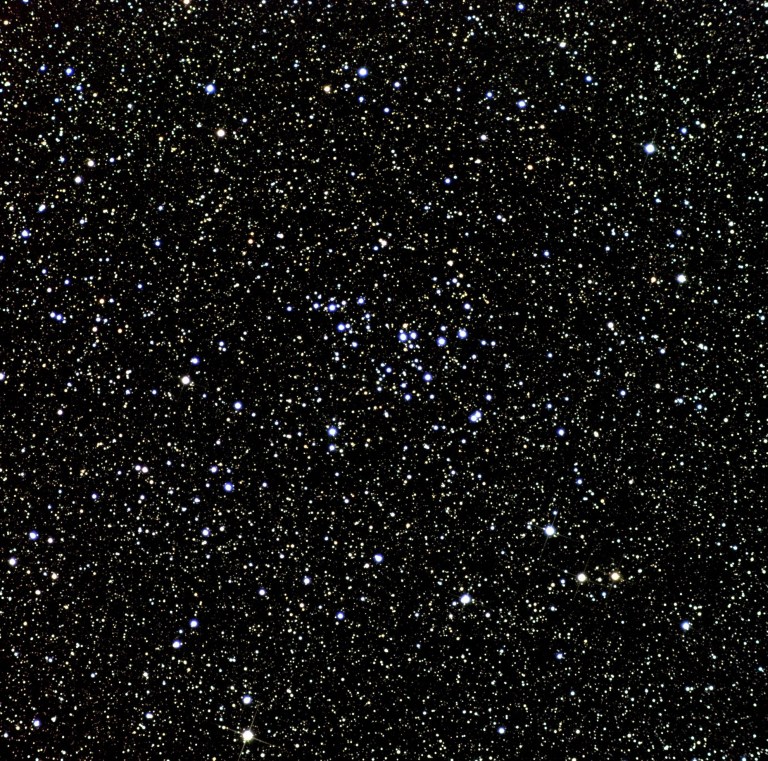
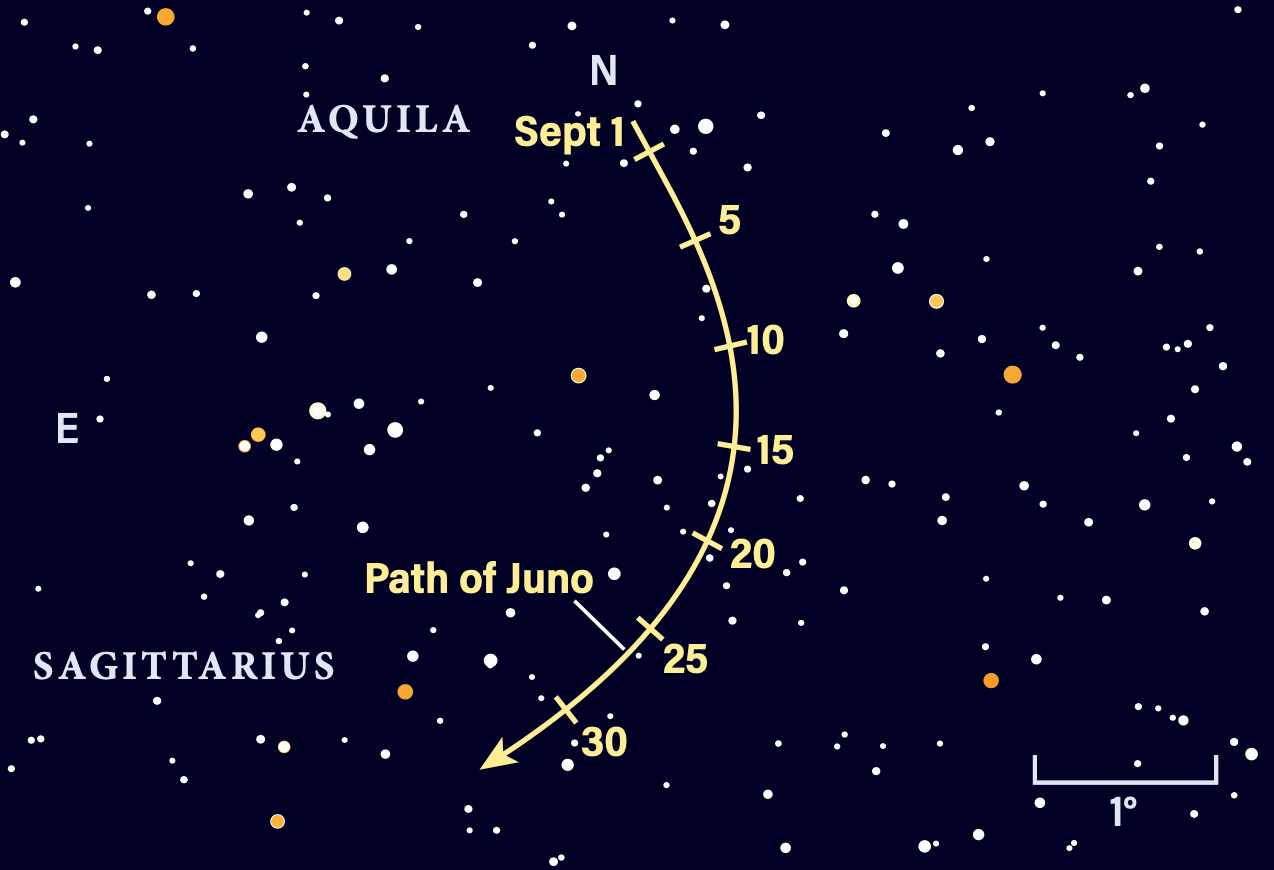
Now is the best time to catch 145-mile-wide 3 Juno as it passes through a random collection of 9th- and 10th-magnitude stars. Now located in far southern Aquila near its border with Sagittarius, Juno glows at magnitude 9.6. Around 9 P.M. local daylight time, it stands some 14° above the waxing gibbous Moon in the south.
The closest bright star is 4th-magnitude Algedi (Alpha [α] Capricorni), which lies just under 9° east-southeast of Juno. Slightly closer but fainter is 5th-magnitude Kappa (κ) Aquilae, which is 4.6° north-northwest of Juno. Once you’ve homed in on Juno’s location, you’ll spot a gaggle of stars. Draw or photograph the view, then come back tomorrow night and do it again. Comparing the two views will reveal Juno’s location, as it’s the only dot here that will have moved from one night to the next. From the 20th to the 21st, Juno slides nearly 7’ to the southeast, clearly changing its position relative to the fixed background stars.
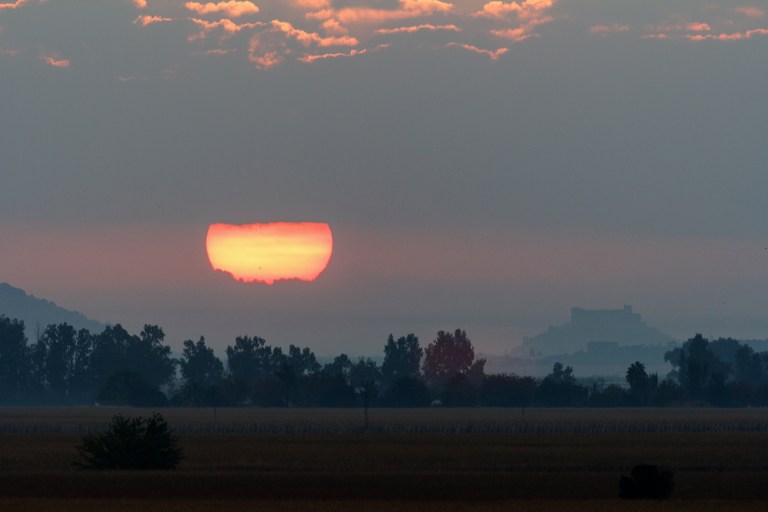
Sunrise: 6:46 A.M.
Sunset: 7:00 P.M.
Moonrise: 4:03 P.M.
Moonset: 12:16 A.M.
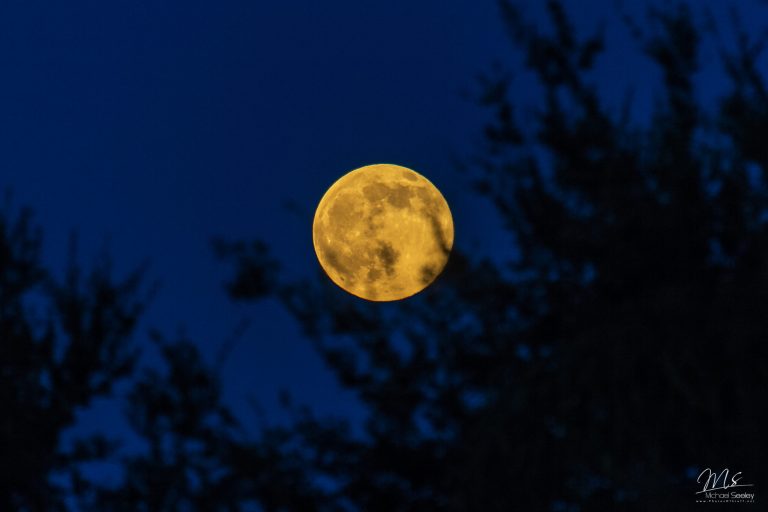
Moon Phase: Waxing gibbous (71%)
*Times for sunrise, sunset, moonrise, and moonset are given in local time from 40° N 90° W. The Moon’s illumination is given at 10 P.M. local time from the same location.
Alison Klesman is senior editor of Astronomy magazine. She holds a Ph.D. in astronomy and has studied a variety of topics, from minor planets to supermassive black holes.