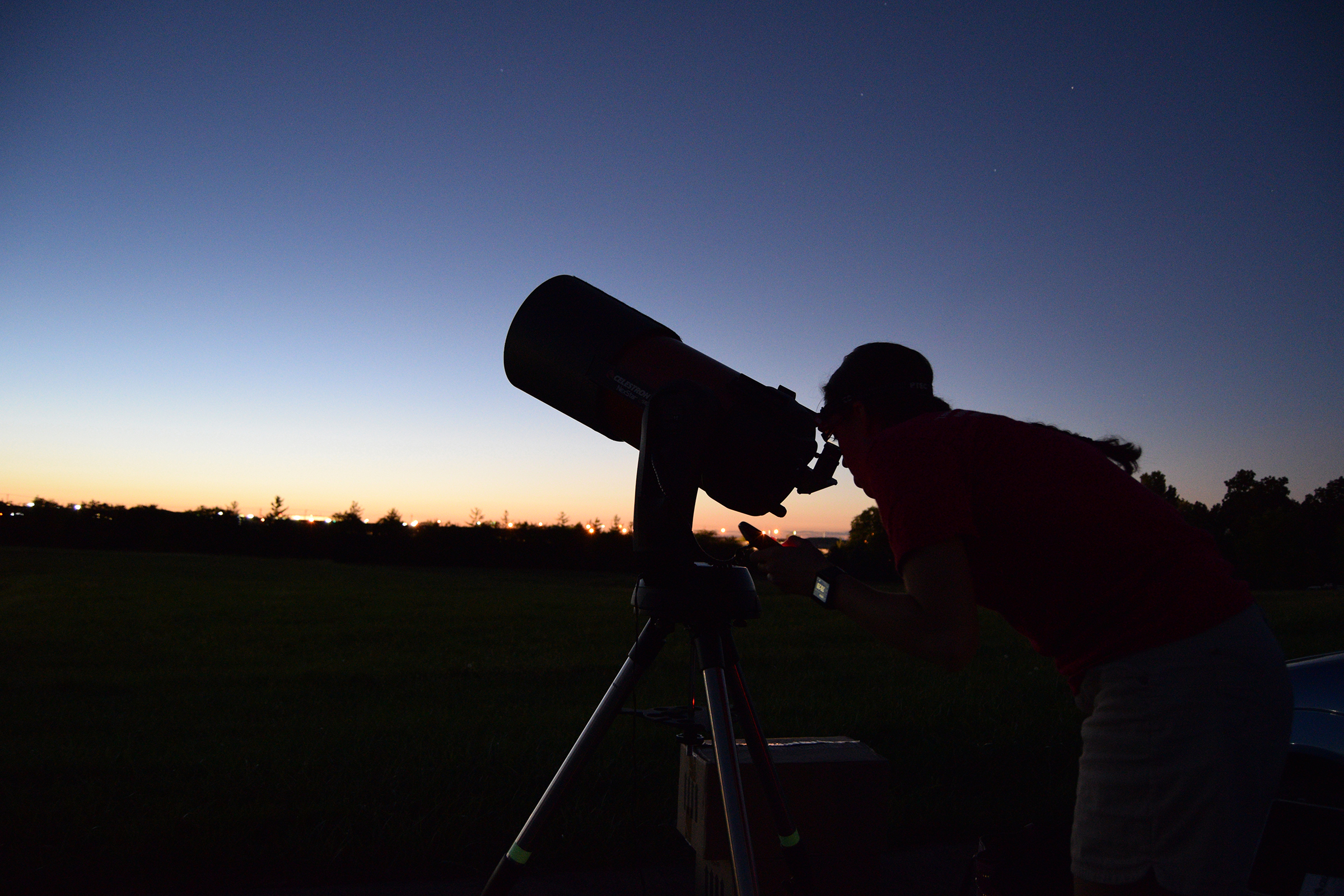
Spring is here and with the evening air growing warmer, it’s finally time to get back outside and enjoy the stars. It’s also a good time to team up with your local astronomy club or other interested observers and host some public outreach nights. As much joy as we get from looking through telescopes, that joy is multiplied when shared with others — particularly people who have never looked through an eyepiece before.
Guidelines
First, you must find a good place to host the event. A state or county park a little outside of town is ideal for darker skies, but sometimes you need to go to the people. My former astronomy club in Dayton, Ohio, frequently held events at local breweries, school parking lots, city parks, and sports fields. Aim for a spot with few overhead lights, or sometimes you can ask the property manager to turn them off. If there are no other options, put something between you and the lights, like a building. Wherever you end up, use cones to separate parking and observing areas to reduce disruptive headlights — and risk to people and equipment from vehicles moving in the dark. At our state park observing nights (our highest-attended, thanks to the nearby campground), we usually had a club member in a vest directing traffic.
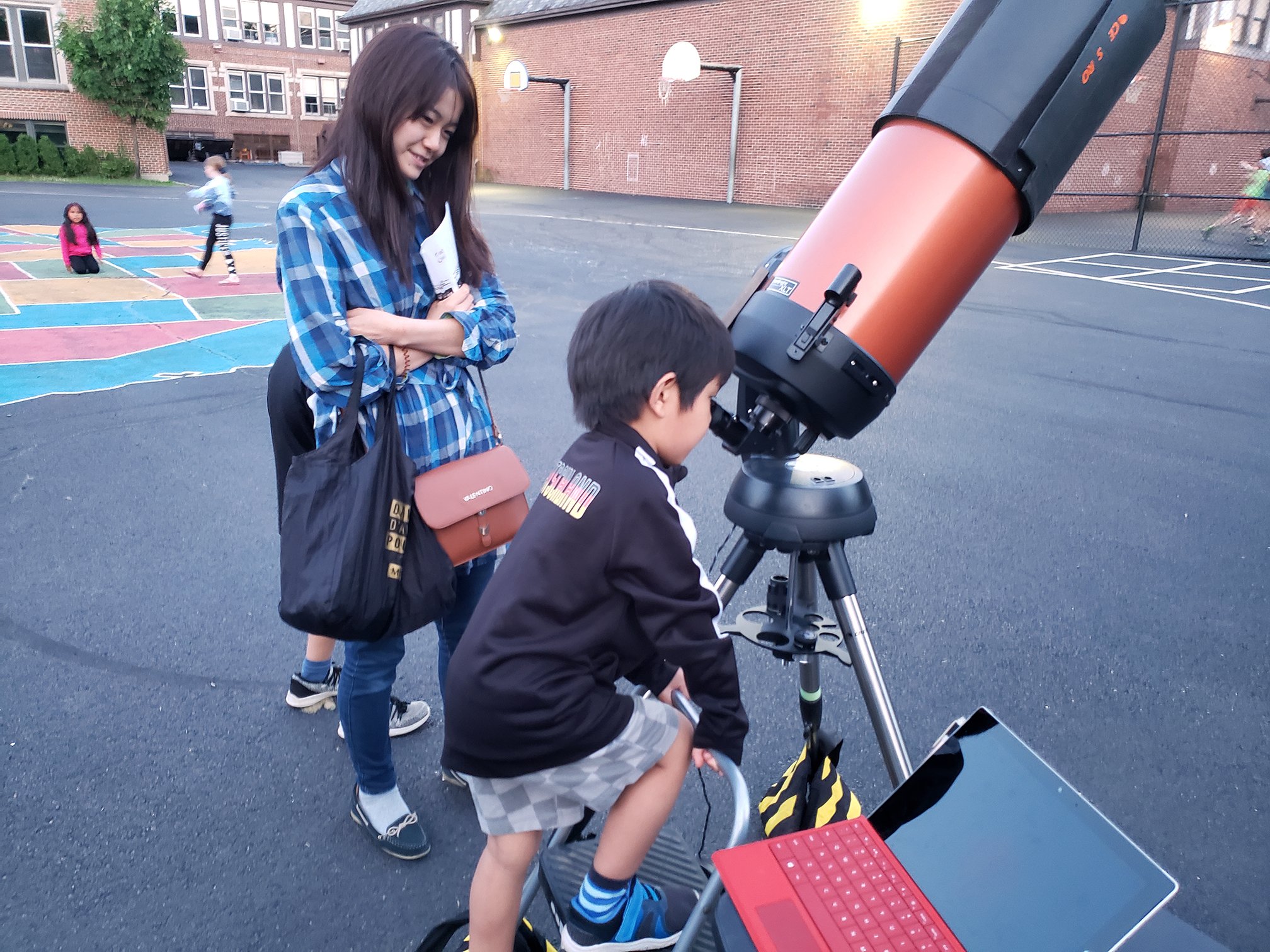
Having a variety of telescopes both is fun and helps get more observers involved. Dobsonians are excellent for public nights because they’re quick to set up and easy to use. However, I frequently bring my go-to alt-azimuth mount with an 8-inch Schmidt-Cassegrain, and I often let the kids excitedly push the “go” button to slew to the next target. Binoculars are excellent, especially if they’re on a parallelogram mount to quickly adjust for differences in height. Laser pointers or bright flashlights with narrow beams are useful as well for pointing out where we’re looking in the sky and sharing constellation lore while people wait in line.
Use red lights or glow-in-the-dark tape to mark tripod legs and other tripping hazards. A stepstool with some kind of handle or bar is great for small children and an excellent way to prevent people from grabbing the eyepiece. Choose eyepieces with large exit pupils and eye relief, even if it’s not the ideal magnification, because people will have a much easier time getting their eye lined up with them — and they can even keep their glasses on. Don’t forget to bring spare batteries for Telrads and any other devices.
Pick the winners
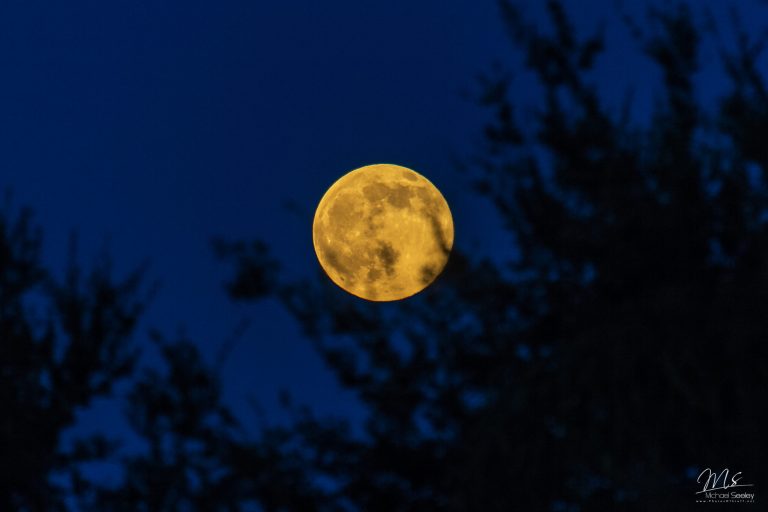
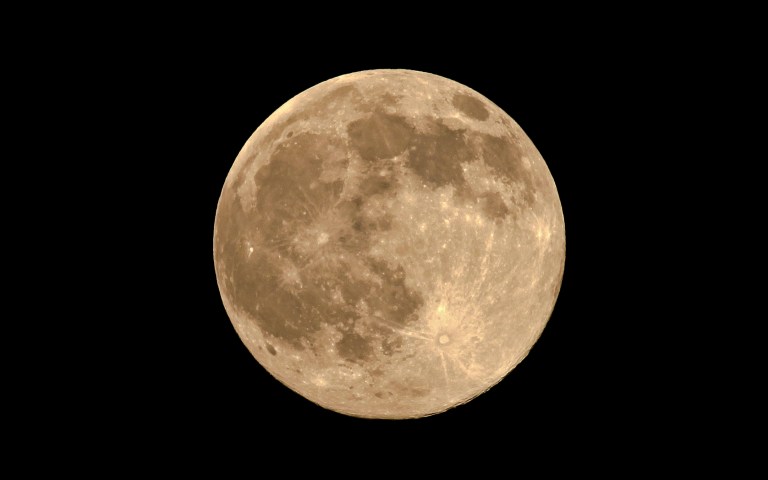
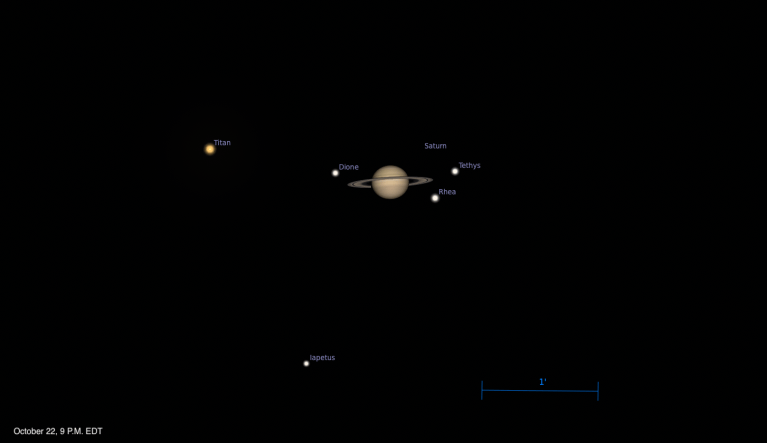
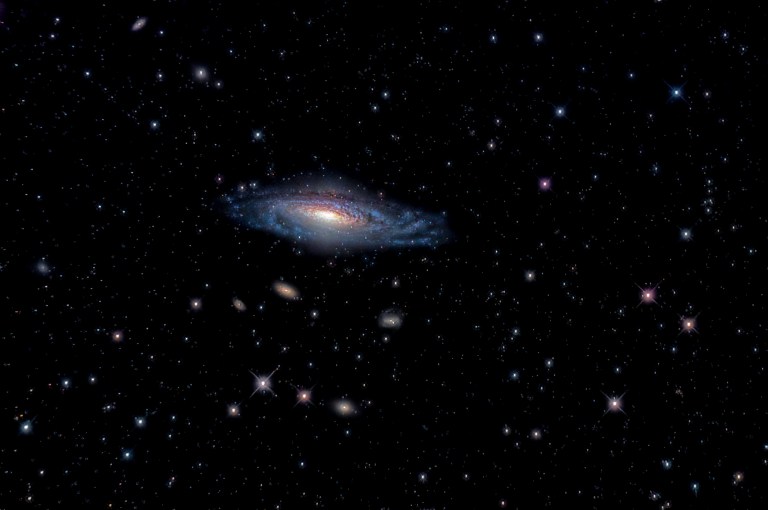
Choose bright and visually appealing targets. While amateur astronomers love to hunt down faint fuzzies, the public generally won’t appreciate them. Planets and the Moon are perfect targets with a huge “wow” factor. Even though we see the Moon all the time, witnessing the shadowed edges of craters up close is an entirely new experience for newbies. Open clusters, globular clusters, double stars, and bright nebulae such as the Dumbbell (M27), Ring (M57), and Orion (M42) are popular deep-sky targets. Both kids and adults are also fascinated just seeing a single bright star, like Vega or Sirius.
While people are in line and taking turns, describe what it is they’re looking at. I like to first tell people what they should look for (“a small gray circle,” “a cloud of stars,” “spiral arms”), and then more details about what it is. What kind of object is it? How far away? How large? Is it in our galaxy? How was it formed? What’s happening inside?
These are the ingredients for a perfect public outreach night. Now get out there and share the joy of the night sky!