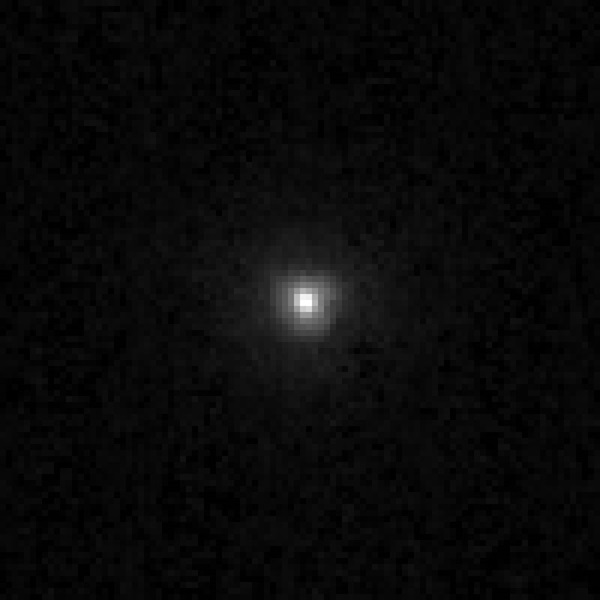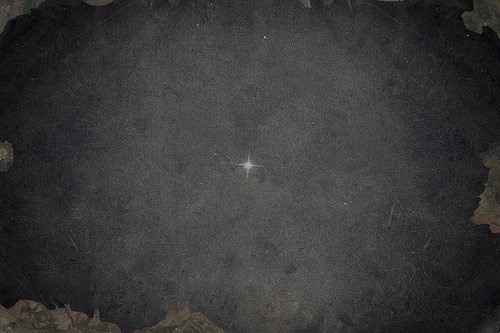
In 1839, the president of Harvard University invited William Bond to move into a house on campus and, by virtue of bringing along his own astronomical equipment, become the university’s first astronomer in residence. With public interest spurred by the 1835 passage of Halley’s Comet and the Comet of 1843, Harvard soon had enough money to establish an actual observatory, and ordered a 15-inch refracting telescope. Working with daguerreotypist John Adams Whipple, Bond took a 90-second exposure of Vega – the first photograph ever taken of a star (besides the Sun) – with that scope at Harvard College Observatory on the night of July 16-17, 1850. Pioneers in the nascent field of astrophotography, they’d go on to image the Moon the following year.
Elisa Neckar is senior production editor of Astronomy magazine, and the editor of the Today in the History of Astronomy feature on Astronomy.com.