Now Accepting Entries

Astronomy Magazine
Astrophotography Contest

Presented by Celestron
Opens May 15, 2026
Submissions close at the end of June 22, 2026, EDT
All skill levels welcome
No imaging equipment required
Submit Your Image

The night sky has never been more accessible — and the images being made today are extraordinary. We’re proud to announce the 2026 Astronomy Magazine Astrophotography Contest, presented by Celestron, open to photographers at every level worldwide.

Whether you’ve been imaging for decades or just unboxed your first smart telescope, there’s a category for you. You don’t even need imaging equipment to participate — the Processing category gives you a shared Telescope Live dataset to work from, and free software like Siril is all you need. Winners and shortlisted images will be featured in the December 2026 issue of Astronomy.


May 15
Opens
June 22
Deadline
8
Categories
5
Max submissions
Oct 23
Winners announced
Eight ways to enter
01
Deep Sky — Broadband
Galaxies, nebulae, and star clusters captured across the visible spectrum — LRGB, RGB, or one-shot color, with no narrowband filtering. The universe in natural light, from the warm spiral arms of a galaxy to the blue-white glow of a reflection nebula.
Category sponsored by
02
Deep Sky — Narrowband
Deep-sky objects imaged through emission-line filters — hydrogen, oxygen, sulfur, and beyond. Whether you paint in the Hubble palette or weave Hα detail into an LRGB frame, your image contains narrowband data, this is your category.
Category sponsored by
03
Solar System Objects
Planets, moons, dwarf planets, comets, asteroids, and the Moon. The solar system in all its variety, from a crescent Moon to Jupiter’s cloud belts to a comet’s tail.
Category sponsored by
04
Solar Imaging
The Sun, our star — sunspots, prominences, solar flares, and eclipses. All entries must be captured using appropriate solar filtration or safe and dedicated solar equipment.
Category sponsored by
05
Nightscapes
Images in which the night or twilight sky forms a prominent compositional element alongside a terrestrial landscape, structure, or human subject. Milky Way panoramas, star trails, and aurora with foreground are all eligible.
Category sponsored by Simulation Curriculum
06
Smartscopes
Images captured primarily using a smart telescope or all-in-one computerized imaging device. The device’s built-in stacking counts as part of the entry. Post-processing in external software is permitted and must be disclosed.
Category sponsored by
07
Processing — Telescope Live Dataset
No telescope or camera required. Download the free Telescope Live dataset and compete purely on creative vision and processing skill.
Category sponsored by
08
Newcomer
For photographers who are age 13 to 17 (U.S. residents only), or who began practicing astrophotography on or after May 15, 2024 (fewer than two years of experience). Any subject, any equipment. Newcomer entries may also be submitted separately in a general category.
What you could win
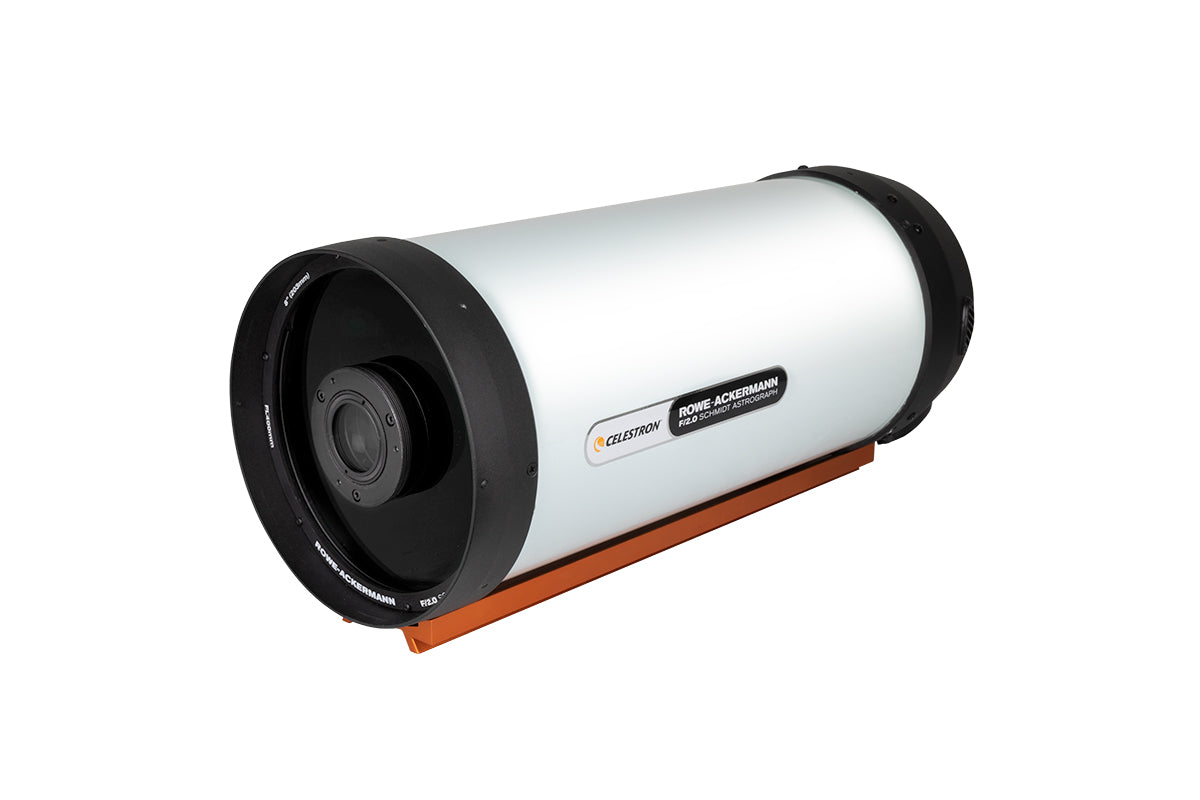
Celestron RASA 8 Telescope
Grand Prize — Best Overall
ARV $2,199  ·  Awarded to the single best image across all categories
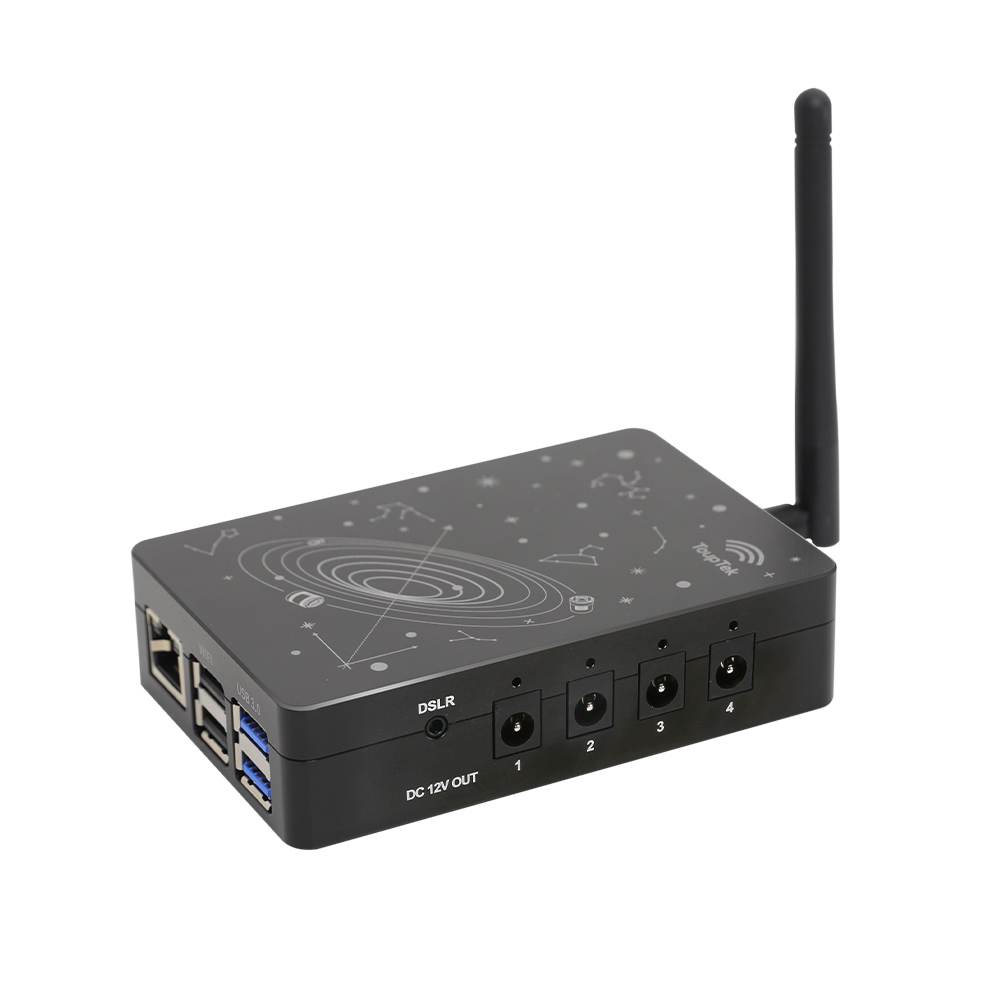
ToupTek Astro StellaVita
Deep Sky — Broadband
ARV $339
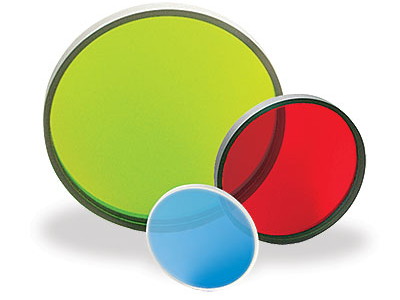
Chroma Technology Filters
Deep Sky — Narrowband
ARV $1,175
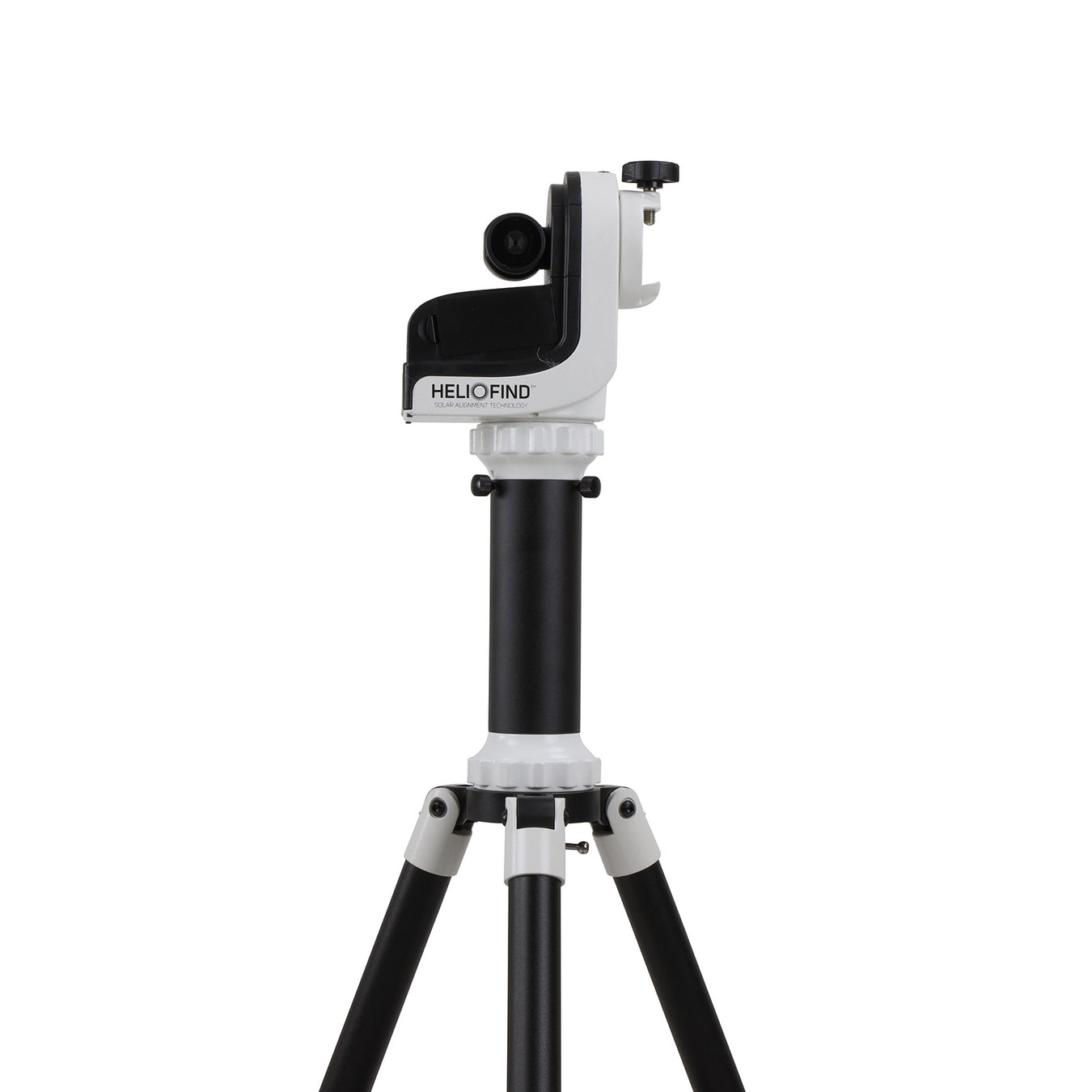
Sky-Watcher Solarquest Mount
Solar Imaging
ARV $499
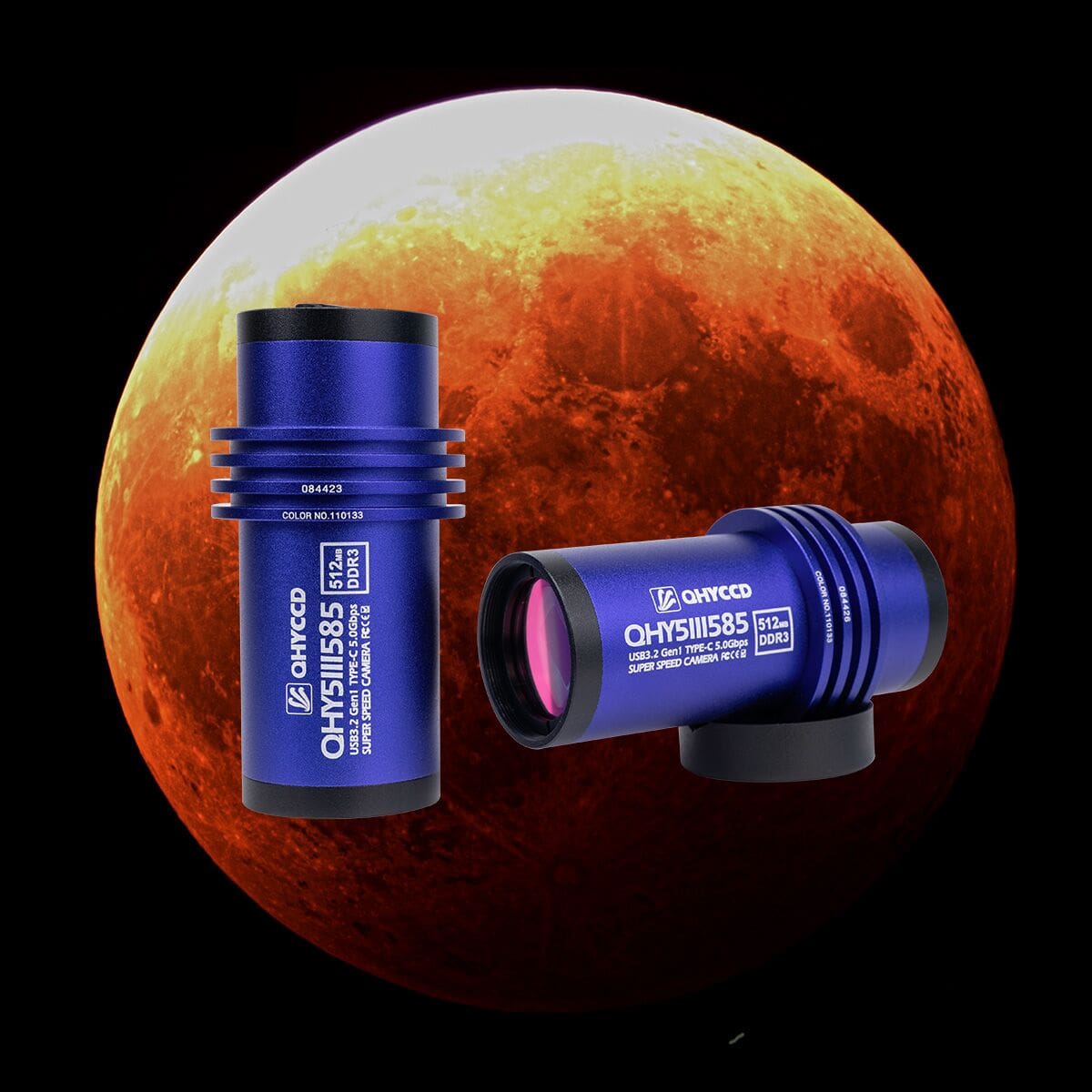
QHYCCD QHY5III585M Camera
Solar System Objects
ARV $399
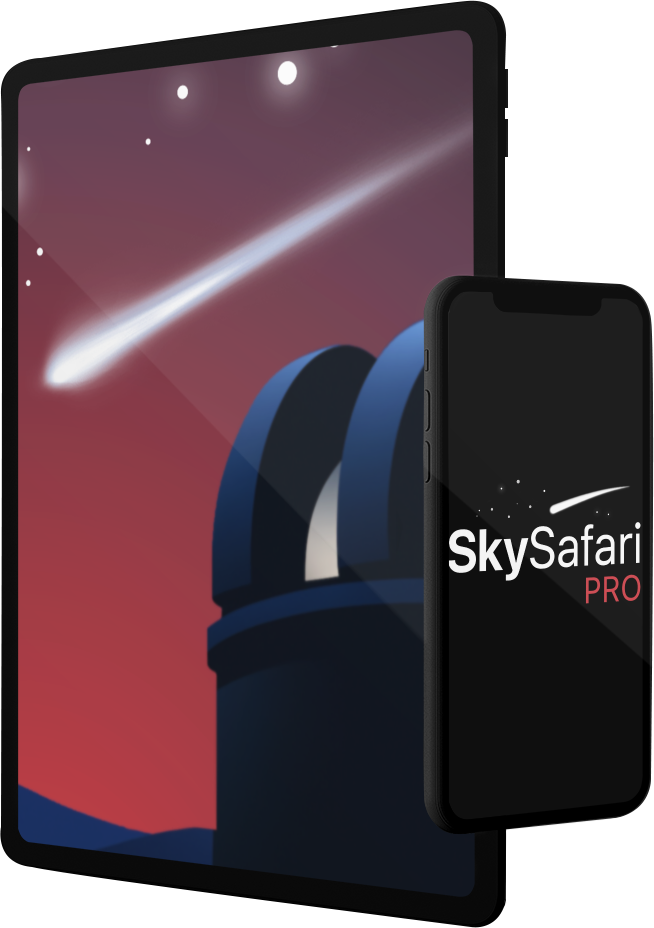
SkySafari 8 Pro
Nightscapes
ARV $360 · Simulation Curriculum
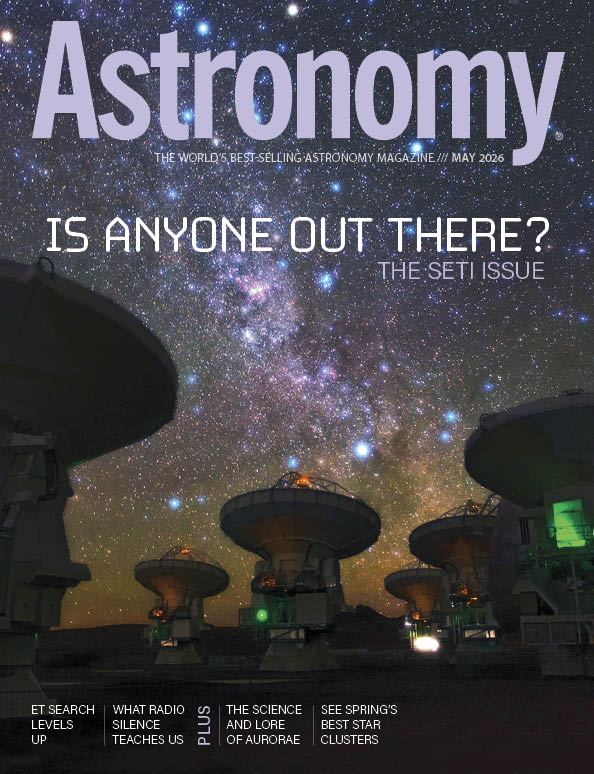
Astronomy Magazine
All Category Winners
Publication in Astronomy‘s December 2026 issue
Printed in the world’s best-selling astronomy magazine

No purchase necessary. Total approximate retail value of all prizes: $4,971. See Official Rules for complete prize details and conditions.

How entries are evaluated
  • Technical quality of the capture and processing
  • Artistic composition and visual impact
  • Originality and creative approach
  • Scientific interest of the subject

Entries will be evaluated by a panel of Astronomy magazine editors alongside guest judges with expertise in astrophotography and visual arts.

Guest judges to be announced
Four steps
1
Review the rules
Read the Official Rules before submitting. Key points: open worldwide to ages 13+; images must have been captured primarily on or after January 1, 2025; no watermarks or embedded identifying information.
2
Prepare your image
Export your file as JPEG, TIFF, or PNG. The maximum file size for submission is 10 MB. (We’ll reach out if we need a higher quality file to print.) Processing category entrants: download the Telescope Live dataset and process from that source data.
3
Fill out the entry form
Each submission requires a title, subject description, capture location, equipment used (telescope or lens, camera, mount, autoguider, filters), exposure details, and a description of your processing workflow including any AI or machine learning tools.
4
Submit — up to 5 entries
You may submit up to 5 images total across all categories. Each submission may be entered in one category only. A Newcomer entry and a general category entry of the same image count as two separate submissions toward this limit.
Submit Your Entry

Submissions close at the end of June 22, 2026, EDT.

Presented by

Associate Sponsor

Category Sponsors