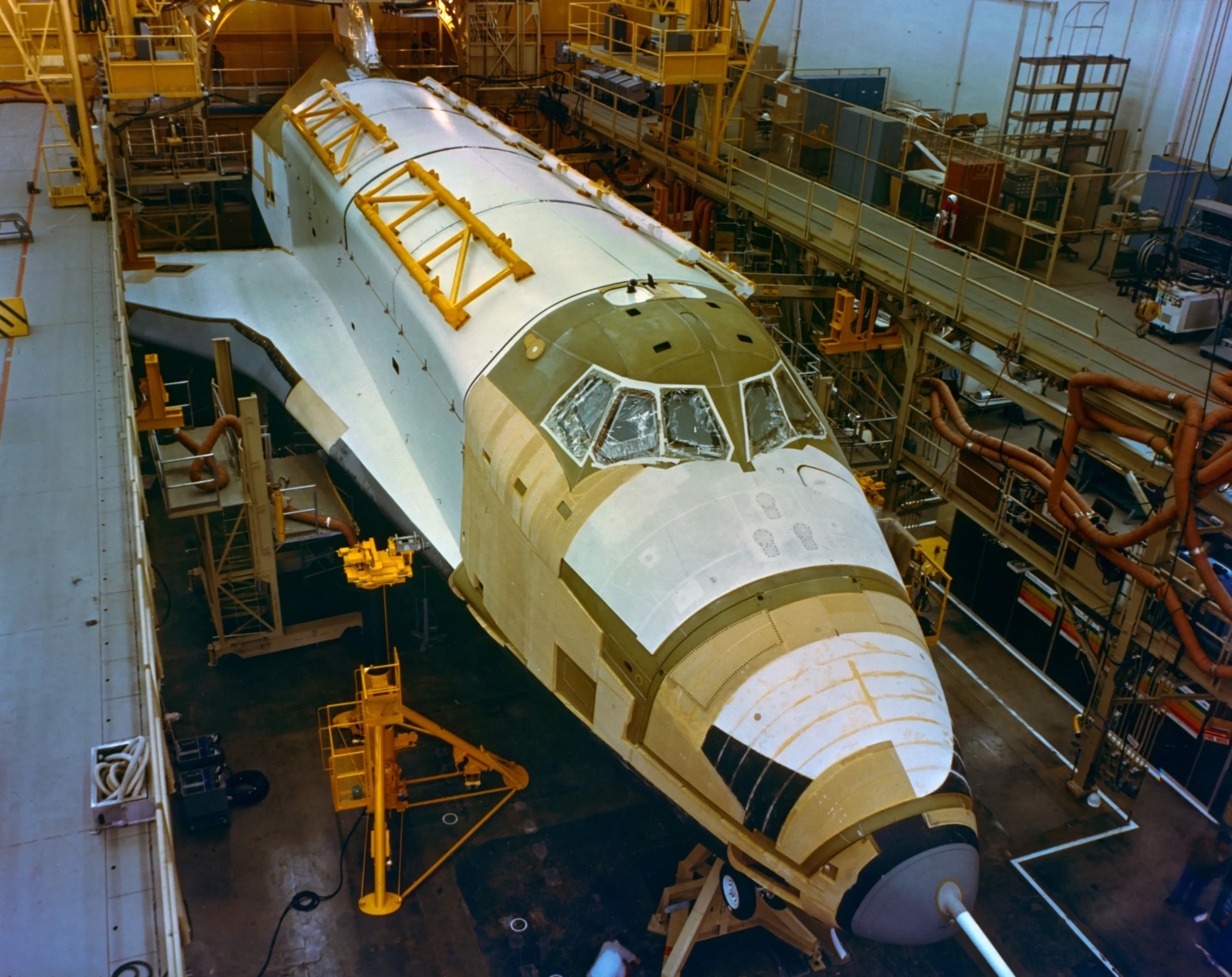
In 1972, President Nixon authorized the development of the space shuttle program, a new approach to space travel. By creating a reusable spacecraft, NASA aimed to establish a reliable system for ferrying personnel, supplies, and equipment. When Space Shuttle Columbia launched for the first time on April 12, 1981, on STS-1, it was the first of 135 missions. The two-day journey piloted by John Young and Robert Crippen demonstrated the launch and return capabilities of the shuttles.
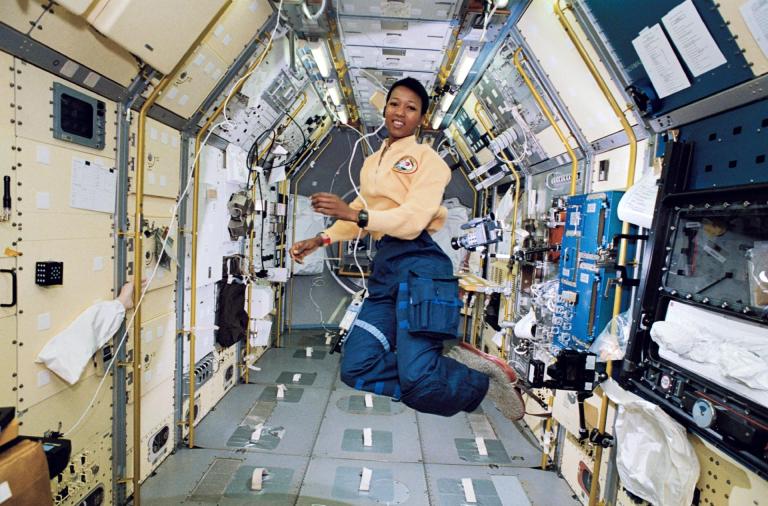
Over the course of 30 years, the space shuttles – Columbia, Challenger, Discovery, Atlantis, and Endeavour – launched and serviced satellites and observatories including the Hubble Space Telescope, were a key part of building the International Space Station, and served as a labs for a wide range scientific research in orbit. In all, 355 astronauts flew on the space shuttles. The program’s triumphs were marred by tragedy, though, when Challenger’s rocket exploded 73 seconds after liftoff in 1986, and Columbia broke up on reentry in 2003. Following the Columbia disaster, the shuttle program’s denouement was planned, and it ended on July 21, 2011, when Atlantis landed after completing STS-135.