I’ve read that the planned crewed Mars missions will take six months or two years to arrive. Which is it? Could a longer trip be due to the heavy payload? Our rovers took only eight to nine months to arrive.
Ronald Greene
Kingman, Arizona
When it comes to a trip to the Red Planet, your mileage may vary — literally. Earth and Mars are constantly moving, but they don’t stay a constant distance apart. Furthermore, spacecraft from Earth don’t travel in a straight line to the Red Planet. Instead, astronauts leaving Earth would follow a path known as the Hohmann transfer orbit, an ellipse from where Earth is now to where Mars will be in the future. This orbit requires the least energy (and thus the least fuel) and allows the spacecraft to arrive within seven to nine months.
But you can’t just decide to pick up and go. Mars and Earth are in their best position for interplanetary travel only every 26 months. A launch outside that window can dramatically increase how long the spaceship — and any astronauts — spend in space.
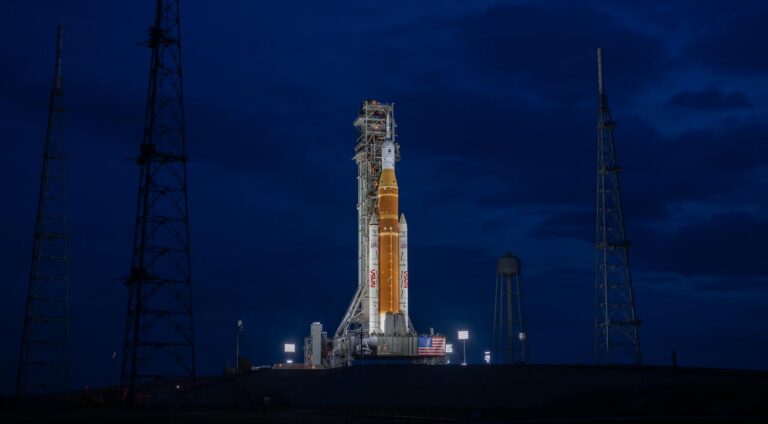
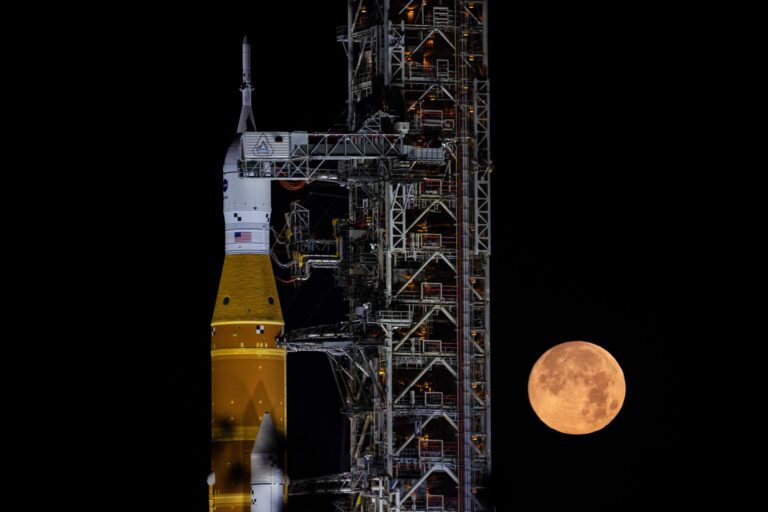
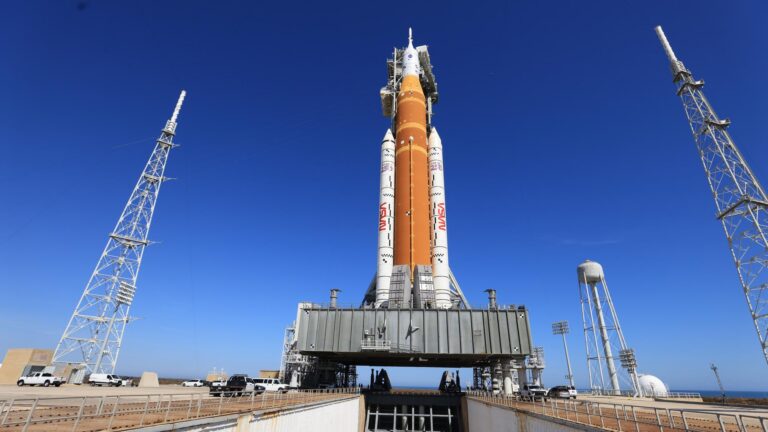
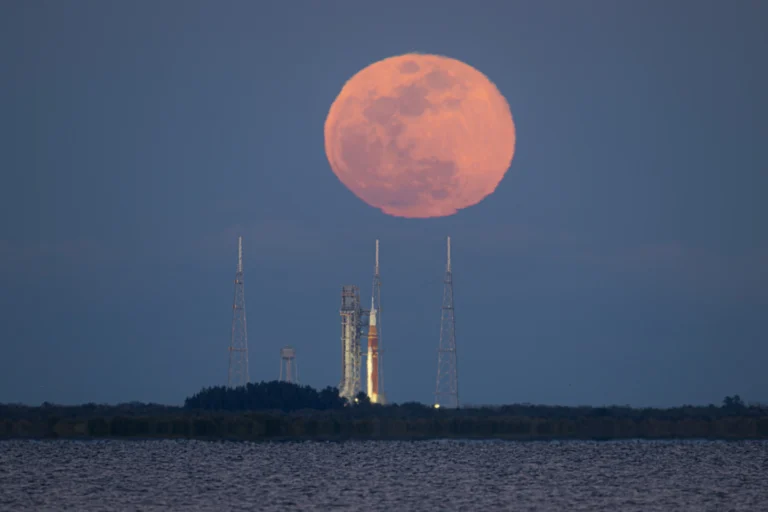
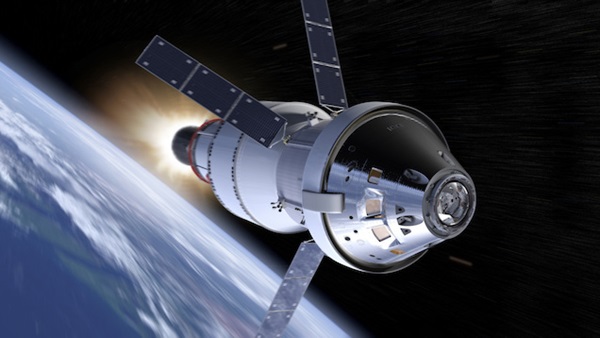
NASA’s Orion spacecraft will carry crew members to Mars on top of the Space Launch System (SLS) rocket, which will be more powerful than the Saturn V rocket that carried astronauts to the Moon. The agency first tested the pair with Artemis 1 (previously called Exploration Mission-1, or EM-1), an uncrewed journey around the Moon and back to Earth, in 2022. The agency is now planning to launch Artemis 2, which will send a crewed Orion capsule around the Moon, in March 2026.
Nola Taylor Tillman
Freelance science journalist and Astronomy contributor
This question and answer originally appeared in the June 2018 issue. It has been updated to include information about the Artemis 1 and 2 missions.