Wouldn’t a free-floating planet eventually cross paths with a star or even a black hole and start revolving around it?
Yin
Toronto, Ontario
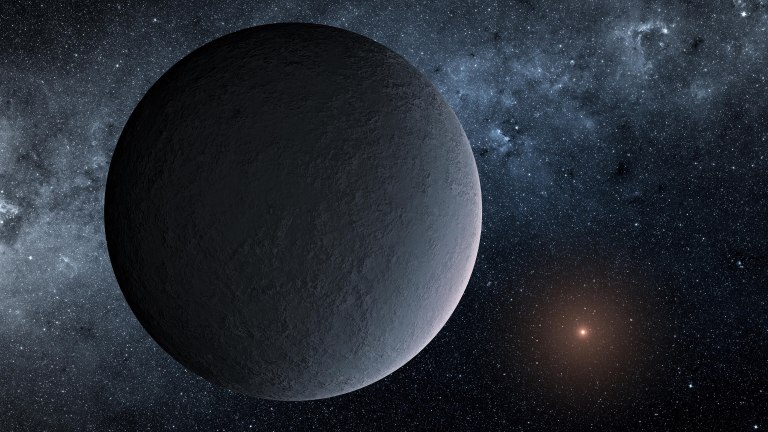
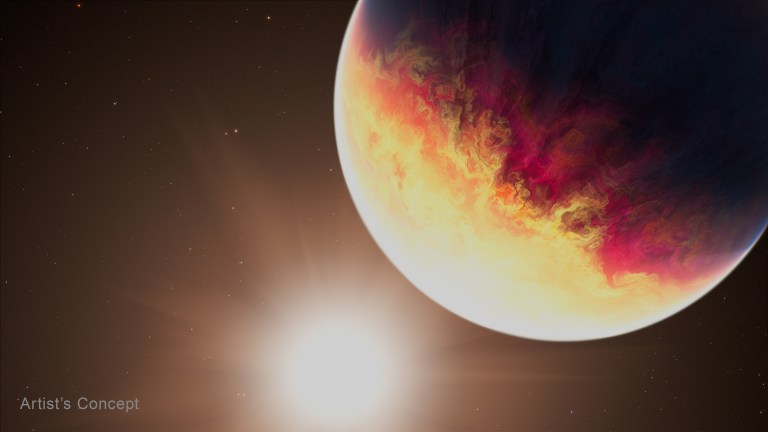
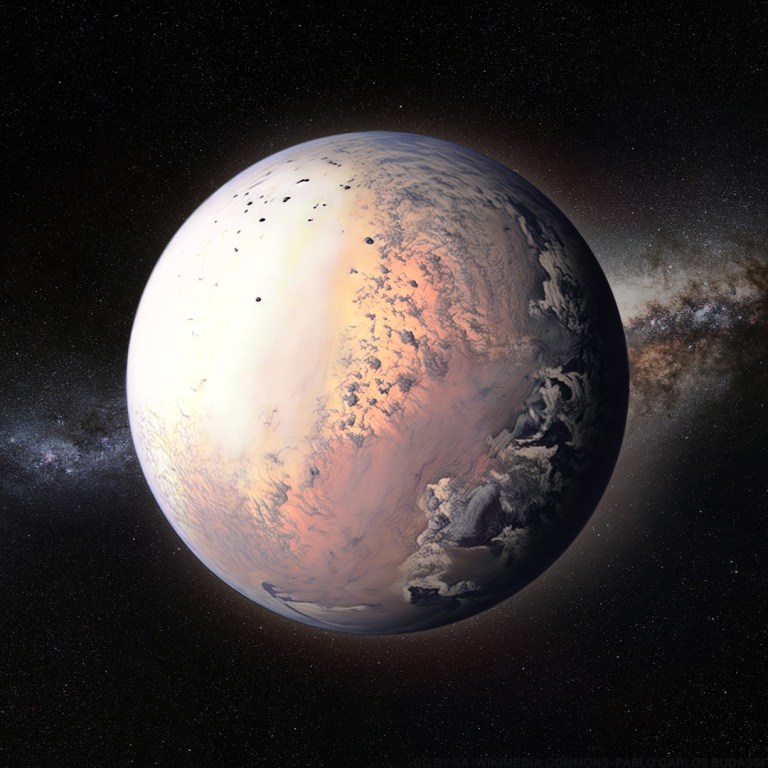
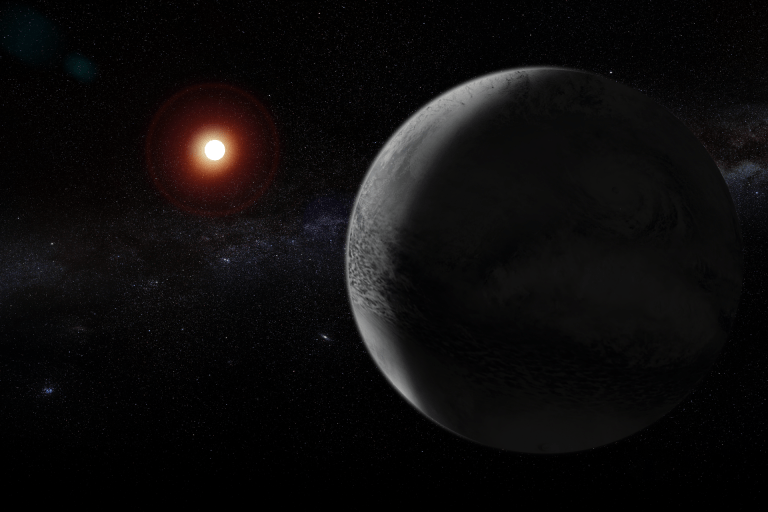
Free-floating planets (FFPs) or rogue planets are bodies that move through space by themselves, not locked into an orbit around a star. While some may have begun as typical planets flung out of their star’s orbit by interactions with other objects, other FFPs may have formed by themselves, like stars. Some scientists argue that FFPs that formed like stars should be classified as brown dwarfs, or even as a new type of object somewhere in between stars and planets.
However they formed, wandering FFPs may indeed encounter stars or black holes, but they’re not likely to be captured by them because of conservation of energy. The only way they could be captured is if they happen to lose some energy through an additional gravitational interaction with a planet in that system: As it passes through a star system, the FFP might happen to pass close enough to another planet to transfer energy to it through gravity. If it loses enough energy, then it could not escape the system and it would go into orbit around the star. (Usually this would be an elongated or elliptical orbit that would not be in the same plane as any other planets. However, the orbit could become circular over time due to weak interactions with other planets.)
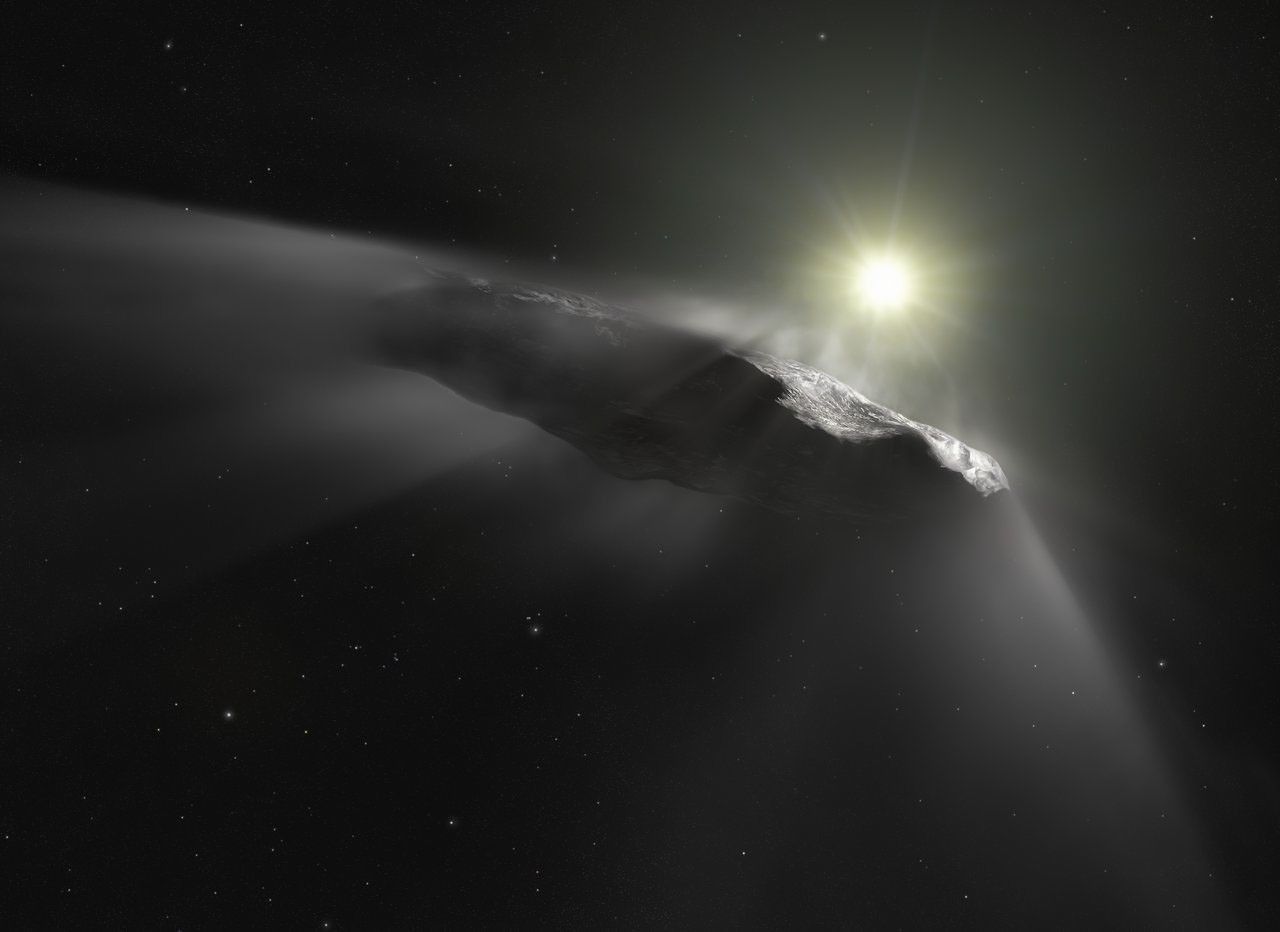
The situation is much like the three interstellar objects that have been spotted passing through our solar system in recent years. Their paths through space are deflected by the gravity of the Sun, but they would not usually become captured into an orbit because they have enough energy to escape the solar system. They move faster as they fall in closer to the Sun and then slow down as they move away, finally leaving at the same speed that they started with.
For the Sun to capture them, they would have needed to have a gravitational encounter with a planet that robs them of some of their energy.
Philip Lucas
Professor of Astrophysics, Centre for Astrophysics Research, University of Hertfordshire, England