Looking for a sky event this week? Check out our full Sky This Week column.
January 31: Saturn and Neptune stand close
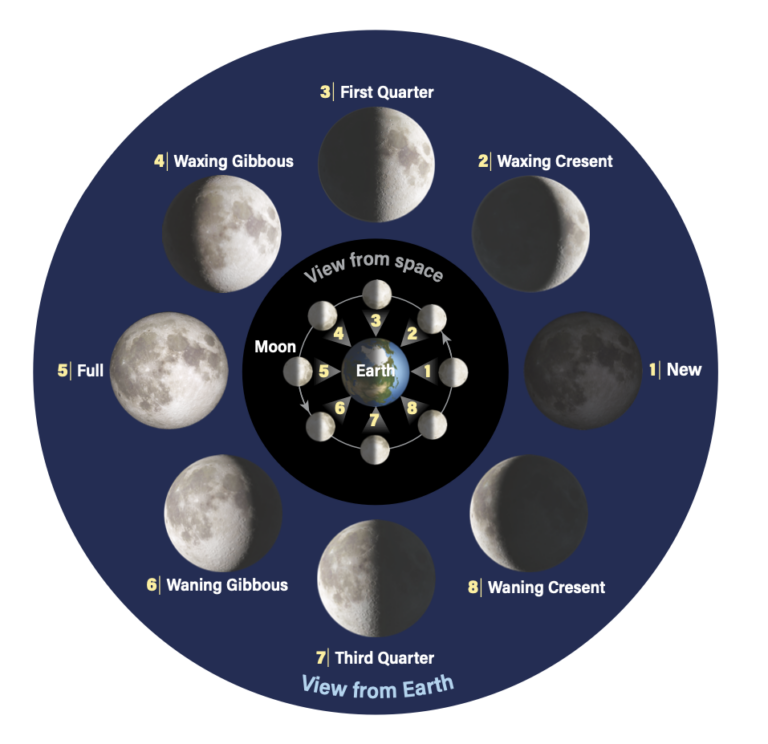
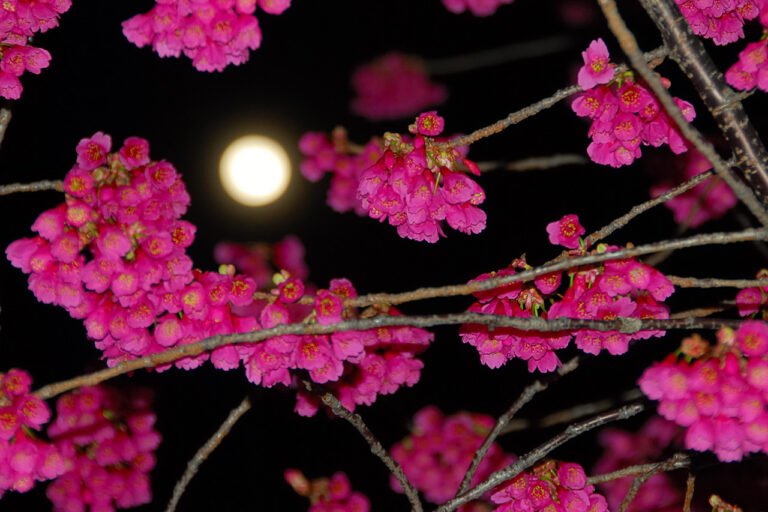
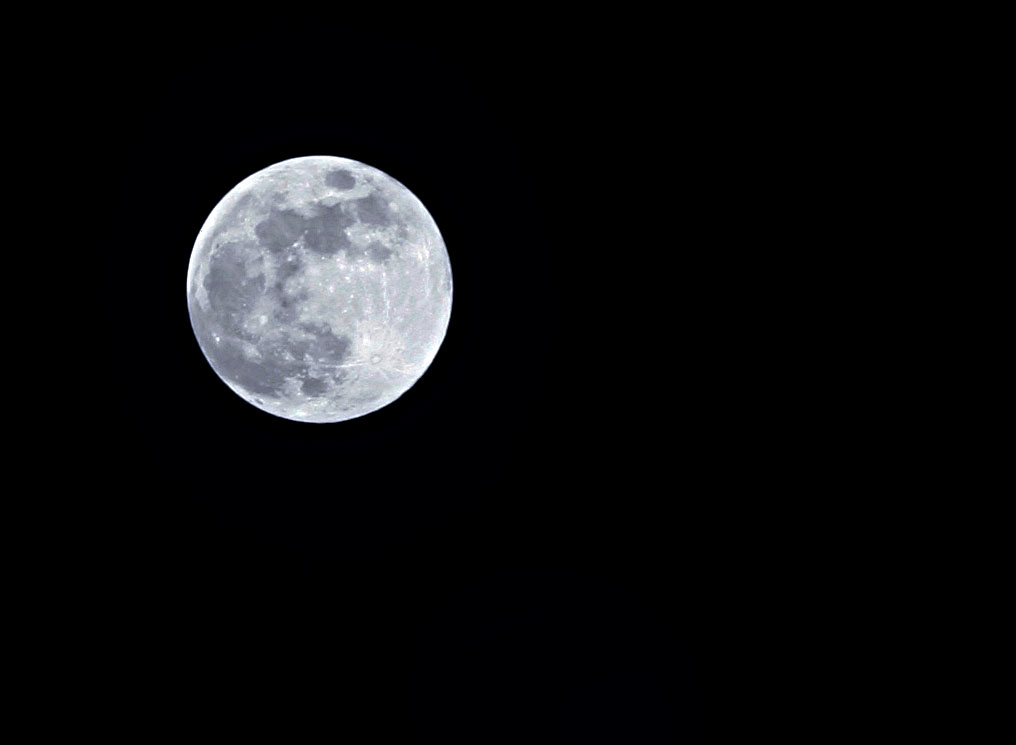
Full Moon occurs at 5:09 P.M. EST, bringing the light of the February Snow Moon to our nighttime skies. This name may seem particularly apt, given the weather much of the U.S. has been experiencing as of late! The Snow Moon gains its name from Native American cultures, whose land was similarly likely under a blanket of snow at this time of year. According to the Royal Museums Greenwich, the February Full Moon may also be called the Storm Moon or Hunger Moon.
When the Moon is Full, it rises roughly opposite the setting Sun at dusk and sets opposite the rising Sun and dawn. Its bright light floods the sky all night, reducing the number of stars we can see with our eyes from thousands to hundreds. The Full Moon’s magnitude is about –12.7. Compared with Sirius, the brightest star in the sky, whose magnitude is –1.4, the Full Moon is more than 250,000 times brighter. Observing the Full Moon with binoculars or a telescope can be fun, although you may need to wear sunglasses to keep from squinting!
Sunrise: 7:08 A.M.
Sunset: 5:20 P.M.
Moonrise: 5:13 P.M.
Moonset: 7:11 A.M.
Moon Phase: Full
*Times for sunrise, sunset, moonrise, and moonset are given in local time from 40° N 90° W. The Moon’s illumination is given at 10 P.M. local time from the same location.