Looking for a sky event this week? Check out our full Sky This Week column.
March 27: The Moon buzzes the Beehive
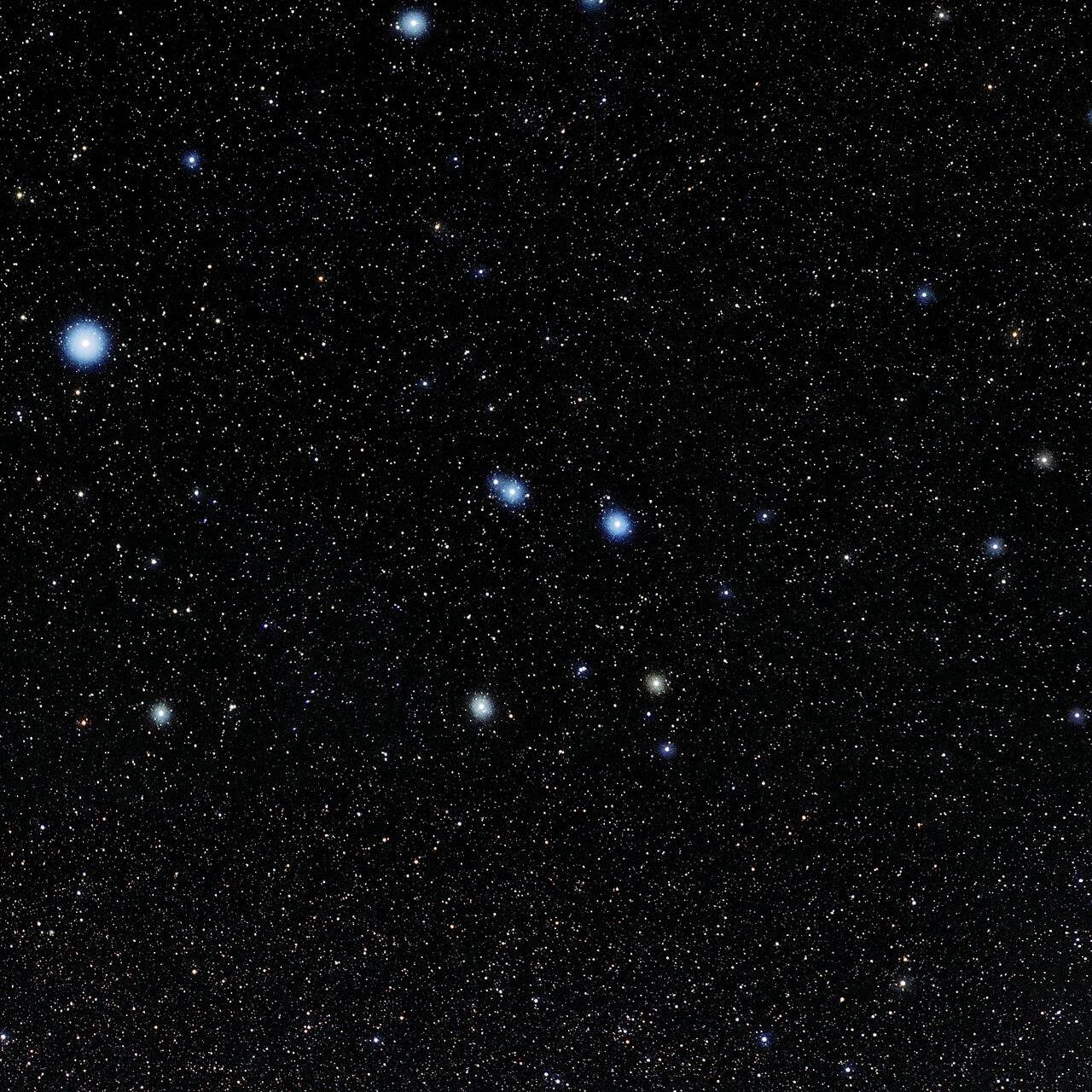
Today is the best day of the year to view the constellation Corvus the Crow, as it now lies directly opposite the Sun in the sky and is above the horizon all night long.
Around 10 P.M., Corvus is 20° high in the southeast, hanging to the lower right of much larger Virgo. Corvus is a small constellation, covering about 184 square degrees and ranking 70th in size among the 88 constellations. But four of its five major stars are all brighter than (or exactly at) 3rd magnitude, making it easy to pick out on the sky.
Around 10 P.M., locate bright Spica in Virgo. Look to its right — about 14.5° west of Spica is magnitude 2.9 Delta (δ) Corvi. From here, look another 3.5° west to find magnitude 2.6 Gamma (γ) Crv. If you picture Corvus as a box, right now these two stars serve as its top. 5.3° south-southeast of Gamma is magnitude 3.0 Epsilon (ε) Crv, and 5.7° east of this star we close out the bottom of the box with magnitude 2.7 Beta (β) Crv. The fifth star in the constellation lies just 2.1° south of Epsilon: magnitude 4.0 Alpha (α) Crv — the faintest star in this group, despite its designation.
Sunrise: 6:50 A.M.
Sunset: 7:21 P.M.
Moonrise: 2:53 P.M.
Moonset: 4:43 A.M.
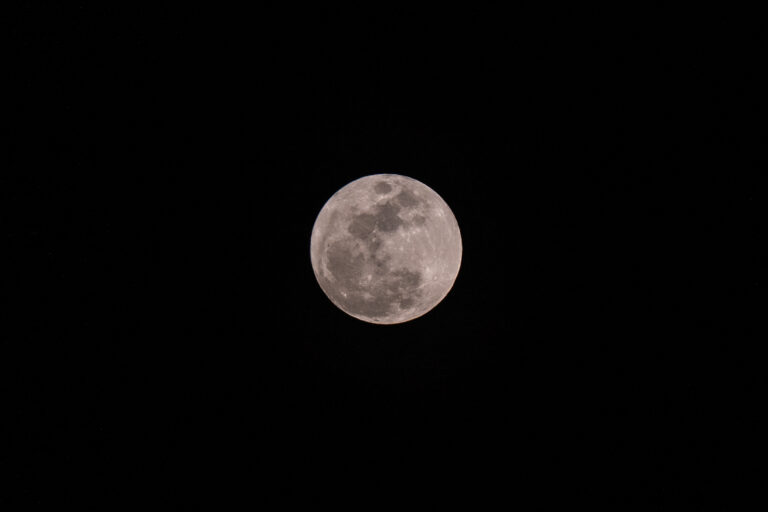
Moon Phase: Waxing gibbous (84%)
*Times for sunrise, sunset, moonrise, and moonset are given in local time from 40° N 90° W. The Moon’s illumination is given at 10 P.M. local time from the same location.