Mission Highlight: COSMO-SkyMed Second Generation (CSG-3)
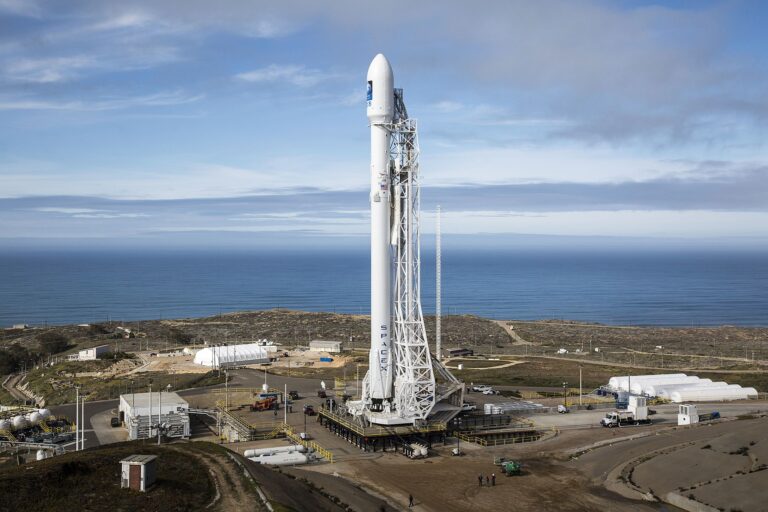
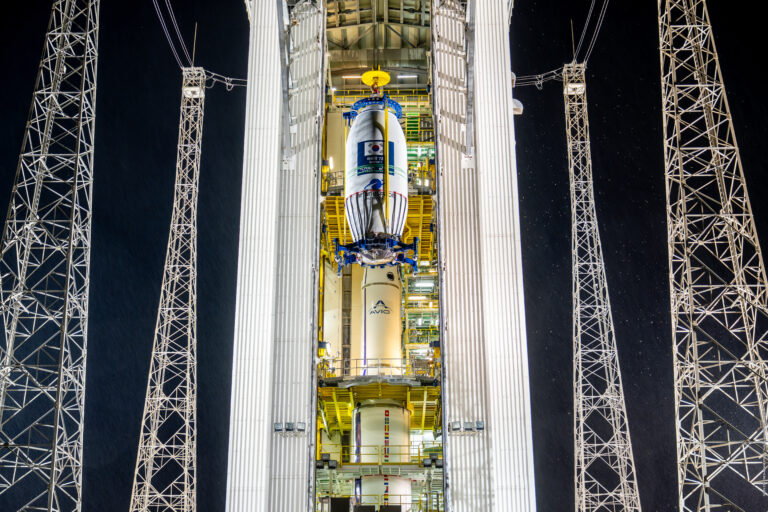
The mission highlight for the final week of 2025 is the launch of the third COSMO-SkyMed Second Generation (CSG-3) satellite. Scheduled for Wednesday, Dec. 31, at 9:09 p.m. EST, a Falcon 9 will lift off from Space Launch Complex 4E at Vandenberg Space Force Base in California. Following delays last week due to ground support equipment issues, the mission is now poised to be the final orbital flight of the year for the Western Hemisphere.
The CSG-3 satellite is a critical asset for the Italian Space Agency (Agenzia Spaziale Italiana, or ASI) and the Italian Ministry of Defense. It serves as the latest addition to a synthetic aperture radar (SAR) constellation — a type of radar used to create two-dimensional images or three-dimensional reconstructions of objects — designed to provide high-resolution, all-weather Earth observation. The Second Generation satellites provide significant improvements over the original COSMO-SkyMed fleet launched between 2007 and 2010, offering higher image quality and faster revisit times.
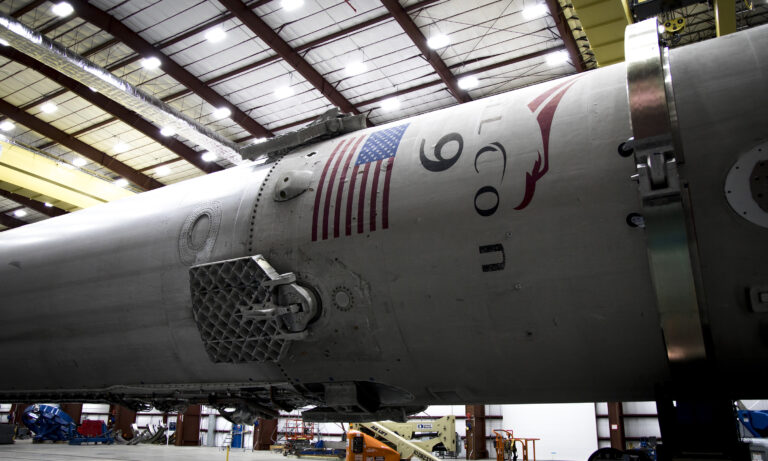
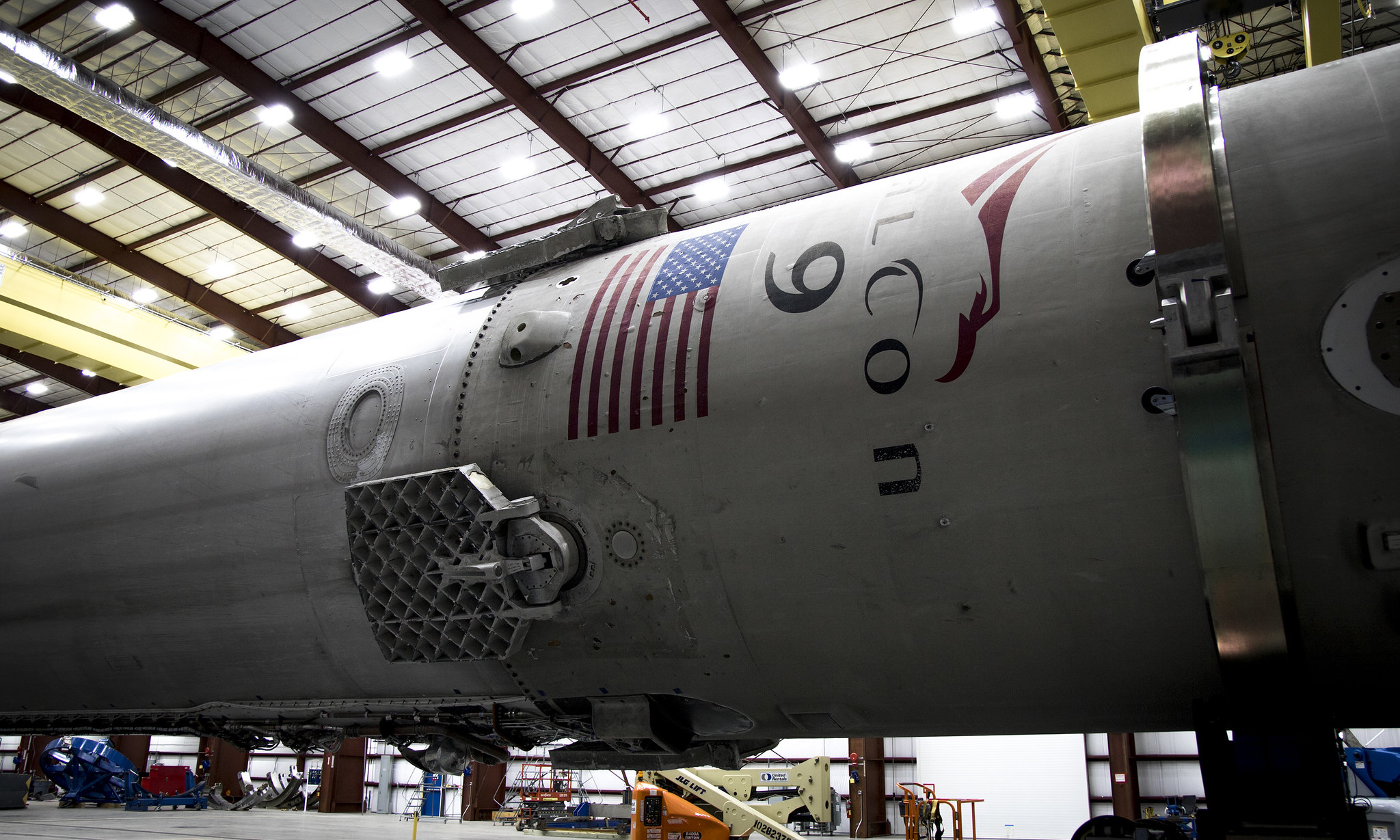
The first-stage booster for this mission, B1081, is making its 21st flight. This specific booster previously supported high-profile missions such as Crew-7 and multiple Transporter rideshares. Following stage separation, the booster is expected to return to Landing Zone 4 (LZ-4) at Vandenberg, potentially generating sonic booms audible across Santa Barbara, San Luis Obispo, and Ventura counties.
Other missions this week
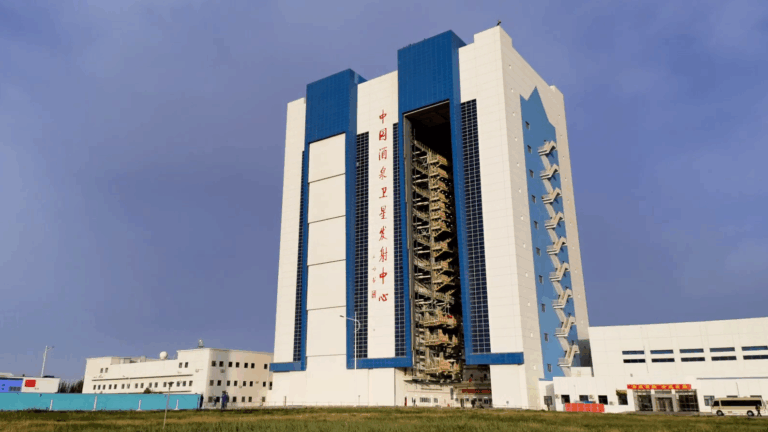
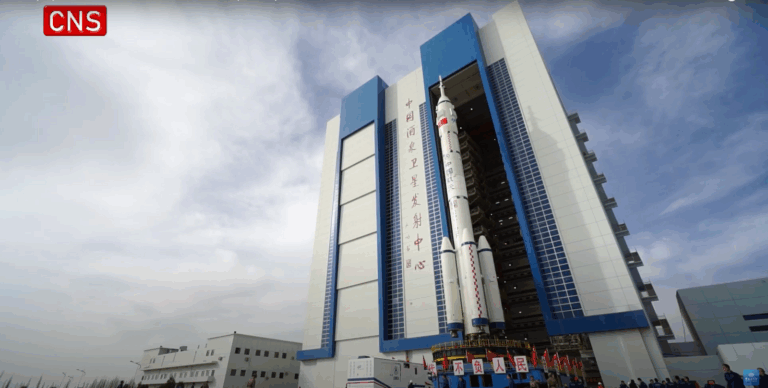
On Monday, Dec. 29, the week begins with a Long March 4B mission from the Jiuquan Satellite Launch Center in Gansu Province, China. While the specific payload has not been named, the 4B is a veteran workhorse typically used for Earth observation and meteorological satellites.
On Tuesday, Dec. 30, China’s China Aerospace Science and Technology Corporation (CASC) is targeting a Long March 7A mission from the Wenchang Space Launch Site in Hainan Province, China. The 7A is a specialized variant intended for high-energy geostationary transfer orbits, an intermediate orbit used to reach the altitudes necessary for geostationary orbits, in which a satellite remains over the same region of Earth. This launch marks a significant capstone for China, bringing its total successful orbital launches for 2025 to over 90, a new national record.
On Saturday, Jan. 3, SpaceX is scheduled to conduct the first orbital launch of 2026. A Falcon 9 will carry Starlink Group 6-88 — a batch of internet-beaming satellites — from SLC-40 at Cape Canaveral Space Force Station in Florida. The window opens at approximately 12:00 a.m. EST. Following launch, the first stage is expected to land on the company’s Autonomous Spaceport Drone Ship A Shortfall of Gravitas in the Atlantic Ocean.
Last week’s recap
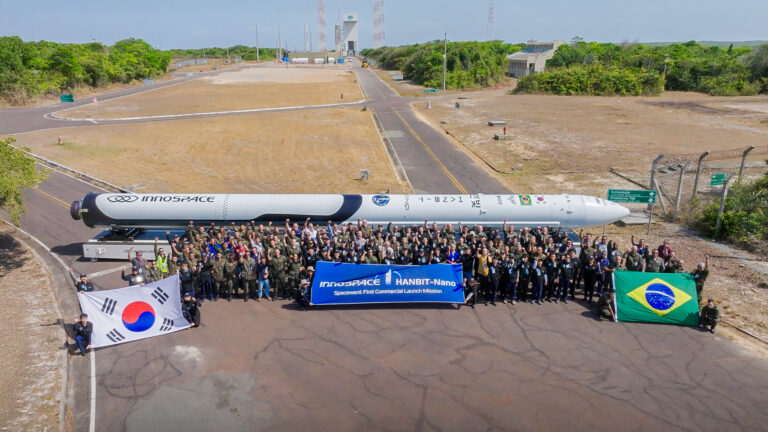
The week of Dec. 22–28 was headlined by the inaugural flight of China’s Long March 12A. While the second stage successfully reached its designated orbit, the ambitious attempt to recover the first stage ended in failure. South Korean startup Innospace attempted its Spaceward mission with the Hanbit-Nano rocket from the Alcântara Launch Center in Maranhão, Brazil, although this effort also ended in failure some 30 seconds after liftoff. The Indian Space Research Organisation (ISRO) successfully deployed the BlueBird Block 2 FM1 for AST SpaceMobile from the Satish Dhawan Space Centre in Andhra Pradesh, India; the satellite features a massive direct-to-cell communications array designed to provide broadband to standard mobile phones.
Russia’s Roscosmos was also active, launching the Obzor-R n°1 X-band radar imaging satellite from the Plesetsk Cosmodrome in Arkhangelsk Oblast, Russia. The agency concluded the week with a Soyuz mission from the Vostochny Cosmodrome in Amur Oblast, Russia, carrying the AIST-2T 01 and 02 stereoscopic imaging satellites, which will be used to create high-definition 3D maps. Additionally, China’s CASC launched the SatNet LEO Group 17 low Earth orbit communications satellites via a Long March 8A and the Fengyun-4C advanced geostationary weather satellite aboard a Long March 3B/E.
Looking ahead
The first full week of 2026 kicks off on Monday, Jan. 5, with SpaceX’s Twilight rideshare mission from Vandenberg, featuring NASA’s Pandora smallsat. On Wednesday, Jan. 7, a Falcon 9 will deploy the Starlink Group 6-96 batch from Cape Canaveral. Finally, on Friday, Jan. 9, ISRO will launch the Earth Observation Satellite EOS-N1 for agricultural monitoring aboard a PSLV-DL from Sriharikota, India.