Mission highlight: ‘That’s Not A Knife’
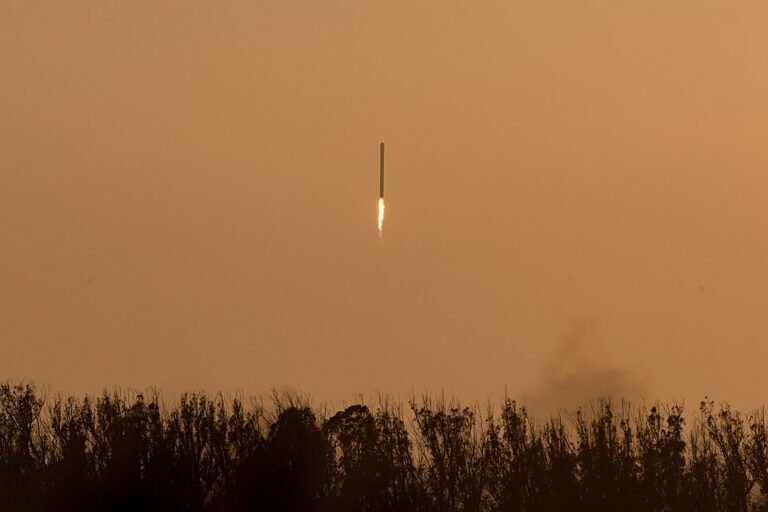
Rocket Lab is targeting Tuesday, Feb. 24, at 3:00 p.m. EST for the launch of its HASTE (Hypersonic Accelerator Suborbital Test Electron) rocket from Launch Complex 2 at Wallops Flight Facility in Virginia, according to Next Spaceflight.
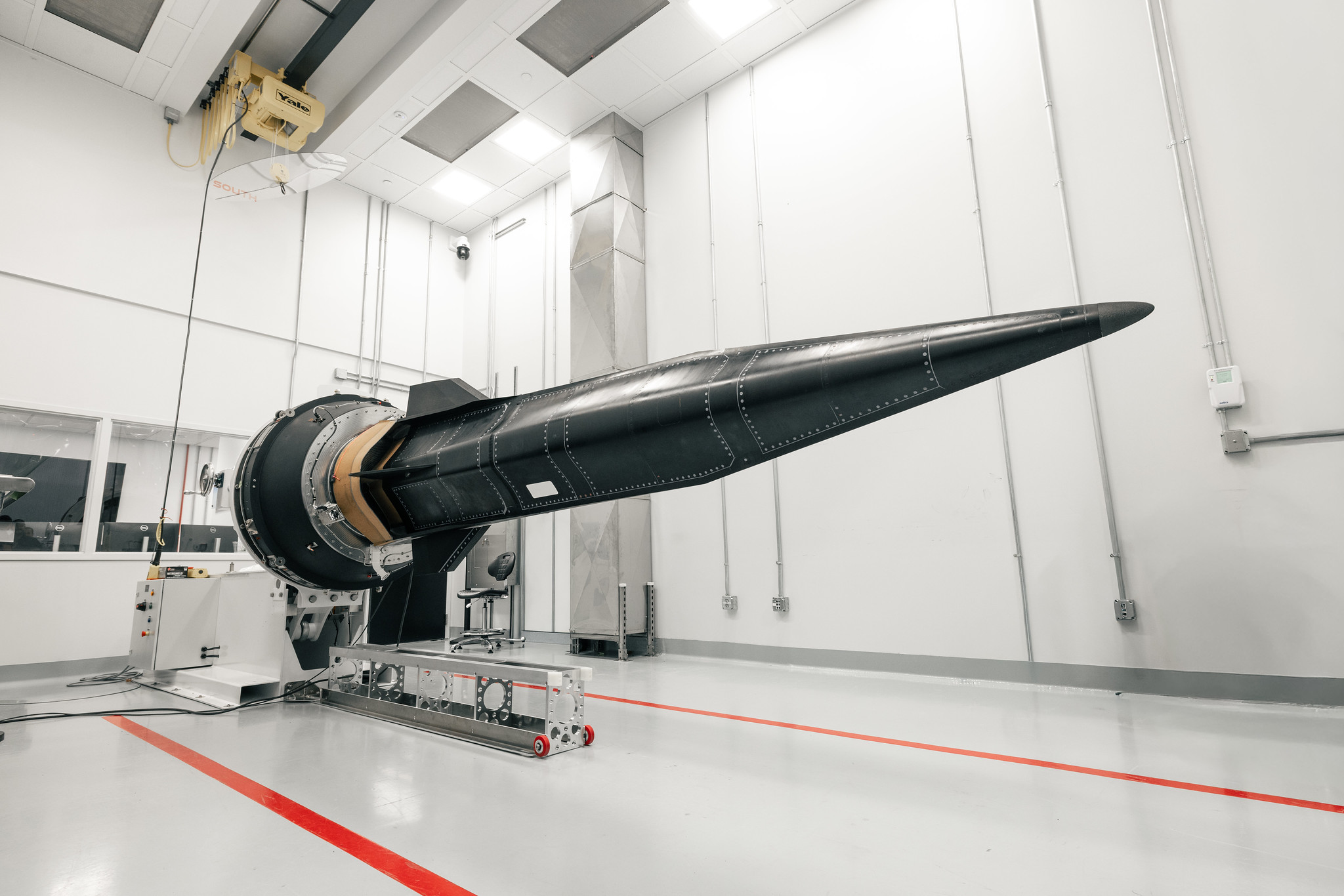
The suborbital mission, dubbed “That’s Not A Knife,” will carry DART AE — an autonomous hypersonic vehicle developed by Brisbane-based aerospace firm Hypersonix Launch Systems — on its inaugural flight. DART AE is powered by a scramjet, short for supersonic combustion ramjet.
While a typical jet engine can reach speeds of Mach 3 (three times the speed of sound), and the more advanced ramjet can reach up to Mach 6, scramjets are hypersonic engines capable of exceeding Mach 6. All jet engines are air-breathing, meaning that, unlike a rocket, they use oxygen from the atmosphere for combustion. Scramjets let that air flow at much higher speeds, allowing them to travel exceptionally fast. However, they cannot generate thrust from a standstill — they require an external boost to reach their operating speed, which is where Rocket Lab comes in.
The launch is part of the Pentagon’s Defense Innovation Unit (DIU) Hypersonic and High-Cadence Airborne Testing Capabilities (HyCAT) program, which aims to develop affordable test platforms for hypersonic technologies. Hypersonix was selected for the program in March 2023, beating out more than 60 applicants. They partnered with Rocket Lab shortly after to provide the HASTE booster.
HASTE is a modified variant of Rocket Lab’s Electron rocket, built for hypersonic test flights. Its liquid-fueled engines can be throttled and steered, allowing engineers to design custom flight profiles. For this mission, HASTE will boost the DART AE to Mach 5, at which point the vehicle’s own engine will ignite and take over.
That engine is what makes the payload especially notable. The DART AE is powered by Hypersonix’s proprietary SPARTAN engine — a completely 3D-printed hydrogen-fueled scramjet that produces zero carbon dioxide emissions, and can be switched on and off multiple times during a single flight. The ability to stop and restart the engine allows for a wide variety of trajectories that traditional engines cannot achieve. During this first flight, Hypersonix aims to demonstrate speeds of Mach 7, a range of up to 1,000 kilometers (620 miles), and multiple engine restarts — collecting data on propulsion and vehicle control.
Other missions this week
On Tuesday, Feb. 24, SpaceX opens the week’s orbital schedule with the Starlink Group 17-26 mission from Vandenberg Space Force Base in California at 9:00 a.m. EST. The Falcon 9 booster will target a landing on the droneship Of Course I Still Love You in the Pacific Ocean. These Starlink satellites will join SpaceX’s constellation of over 9,000 operational internet-beaming spacecraft in low Earth orbit.
Later that afternoon on Tuesday, Feb. 24, SpaceX will launch the Starlink Group 6-110 mission from Cape Canaveral Space Force Station in Florida at 3:56 p.m. EST, with the booster targeting a landing on the droneship Just Read the Instructions in the Atlantic Ocean.
On Friday, Feb. 27, SpaceX returns to the East Coast for the Starlink Group 6-108 mission from Cape Canaveral at 4:52 a.m. EST. The booster is slated to land on the droneship A Shortfall of Gravitas.
Later on Friday, Feb. 27, Firefly Aerospace is targeting 7:50 p.m. EST for the launch of its Alpha rocket on the “Stairway to Seven” mission from Space Launch Complex 2 West at Vandenberg Space Force Base. The mission, which represents the seventh and final flight of the Alpha Block 1 configuration, was delayed from its original Feb. 20 target.
On Sunday, March 1, SpaceX kicks off the new month with the Starlink Group 17-23 mission from Vandenberg at 3:00 a.m. EST, with the booster targeting a landing on Of Course I Still Love You.
Closing out the week on Sunday, March 1, SpaceX will launch the Starlink Group 10-41 mission from Cape Canaveral at 7:07 p.m. EST, with the booster slated to land on Just Read the Instructions.
Last week’s recap
The third week of February was an all-SpaceX affair, with four Starlink missions maintaining the company’s typical cadence.
The week opened on Monday, Feb. 16, with the launch of Starlink Group 6-103 from Cape Canaveral at 2:59 a.m. EST, landing on A Shortfall of Gravitas. On Wednesday, Feb. 19, the Starlink Group 10-36 mission lifted off from Cape Canaveral at 8:41 p.m. EST, with the booster returning to Just Read the Instructions. The weekend brought a double-header on Saturday, Feb. 21: Starlink Group 17-25 launched from Vandenberg at 4:04 a.m. EST, landing on Of Course I Still Love You, followed by Starlink Group 6-104 from Cape Canaveral at 10:47 p.m. EST, returning to A Shortfall of Gravitas.
Looking ahead
On Wednesday, March 4, SpaceX is slated to launch the Starlink Group 10-40 mission from Cape Canaveral at 3:40 a.m. EST.
Later on Wednesday, March 4, SpaceX will launch the Starlink Group 17-18 mission from Vandenberg at 4:00 p.m. EST.