
Key Takeaways:
- The China Manned Space Agency (CMSA) initiated the urgent, uncrewed launch of Shenzhou-22 to provide a contingency return vehicle and cargo resupply for the Shenzhou-21 crew currently aboard the Tiangong Space Station.
- This mission became necessary after a detected crack in the Shenzhou-20 return capsule window prompted the use of the Shenzhou-21 spacecraft for the safe return of the Shenzhou-20 crew, temporarily leaving the Shenzhou-21 taikonauts without an escape capsule.
- Concurrently, the specified week includes multiple additional space launches by the Russian Aerospace Forces (VKS RF), Korea Aerospace Research Institute (KARI), SpaceX, Roscosmos, and Arianespace, deploying a diverse range of payloads.
Mission Highlight: China’s Shenzhou-22 launches as an urgent crew lifeboat
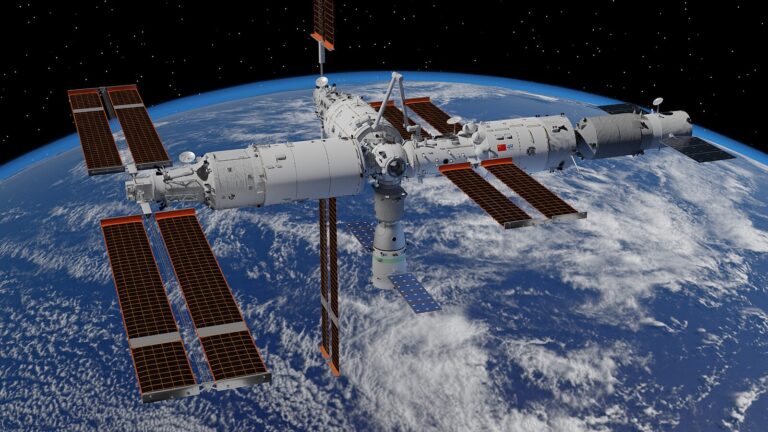
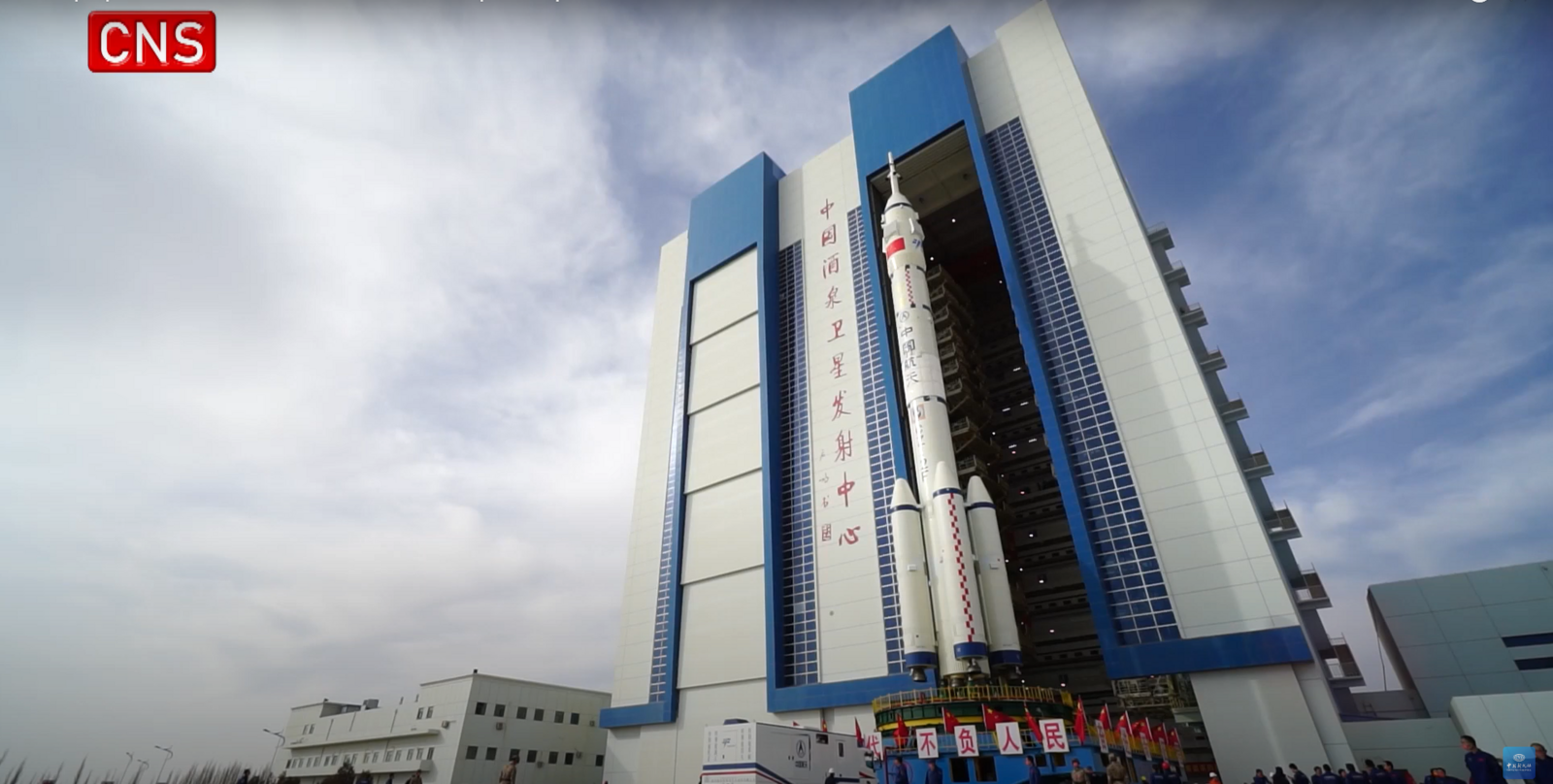
The mission highlight this week is the uncrewed launch of Shenzhou-22 by the China Manned Space Agency (CMSA). The launch is now officially confirmed for Tuesday, Nov. 25, from the Jiuquan Satellite Launch Center in China. CMSA reported on Monday that the Long March-2F Y22 carrier rocket is fully fueled with propellant, confirming its readiness for liftoff. The launch is scheduled for 12:11 p.m. local time (11:11 p.m. EST on Monday, Nov. 24), as reported by Next Spaceflight.
This rushed Shenzhou-22 mission is a contingency plan to provide a safe return for the Shenzhou-21 crew, who began their stay on the Tiangong Space Station on Oct. 31. The crisis arose when the outgoing Shenzhou-20 crew prepared to return. A small crack, likely caused by space debris, was found on the window glass of the Shenzhou-20 return capsule. Deemed unsafe, the CMSA made the crucial decision to use the newly arrived Shenzhou-21 spacecraft — intended for the replacement crew — to bring the Shenzhou-20 crew safely home on Nov. 14.
While the return was hailed as “the first successful implementation of an alternative return procedure,” it left the Shenzhou-21 crew temporarily aboard Tiangong without an escape capsule. CMSA has confirmed that the Shenzhou-21 astronaut crew is “functioning normally and in good condition in orbit.” The uncrewed Shenzhou-22 flight is essential, as it will dock with Tiangong to serve as the new lifeboat for the taikonauts and provide a cargo resupply for the station.
Other missions this week
Tuesday, Nov. 25: The Russian Aerospace Forces (VKS RF) is scheduled to launch an unknown military payload on an Angara 1.2 rocket from the Plesetsk Cosmodrome, Russia, at 8:00 a.m. EST.
Wednesday, Nov. 26: The Korea Aerospace Research Institute (KARI) is set to launch the CAS500-3 satellite on a KSLV-2 rocket (also known as Nuri) from the Naro Space Center, South Korea, at 10:54 a.m. EST.
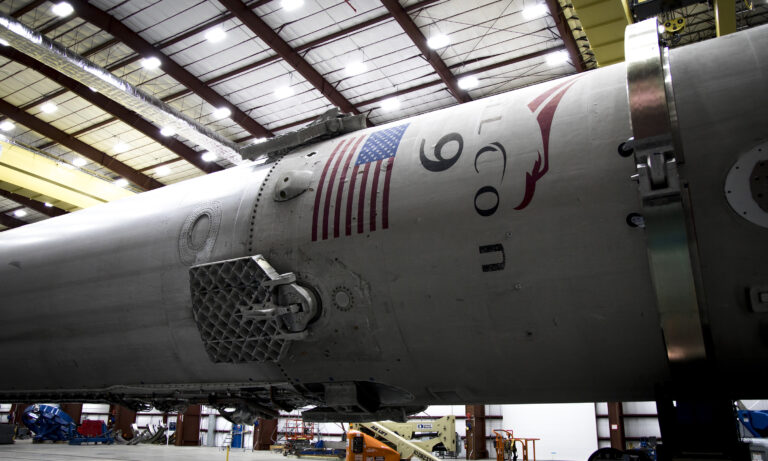
Wednesday, Nov. 26: SpaceX is scheduled to launch the Transporter 15 dedicated rideshare mission on a Falcon 9 Block 5 from Vandenberg SFB, California, at 1:18 p.m. EST. This flight carries dozens of small satellites to a Sun-synchronous orbit.
Thursday, Nov. 27: Roscosmos is scheduled to launch the three-person Soyuz MS-28 crew — comprised of Roscosmos cosmonauts Sergei Kud-Sverchkov, Sergei Mikayev, and NASA astronaut Christopher Williams — to the ISS on a Soyuz 2.1a rocket from the Baikonur Cosmodrome, Kazakhstan, at 4:27 a.m. EST.
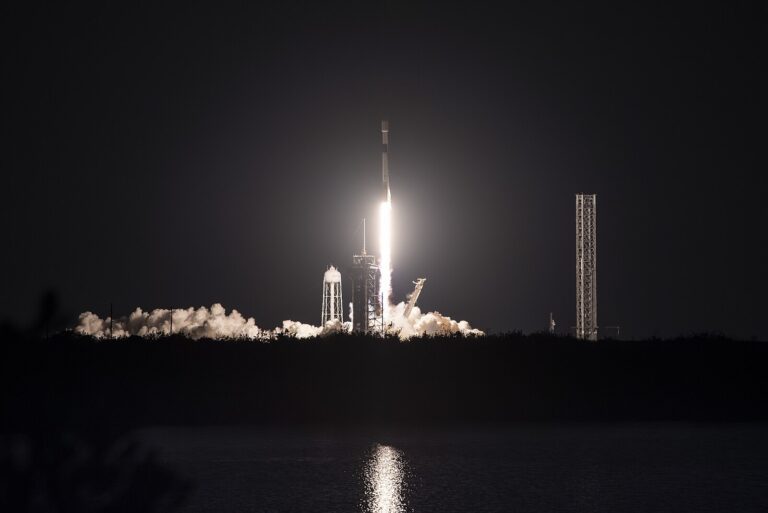
Saturday, Nov. 29: SpaceX is scheduled to launch the Starlink Group 15-10 mission on a Falcon 9 Block 5 from Vandenberg SFB, California, at 9:59 p.m. EST.
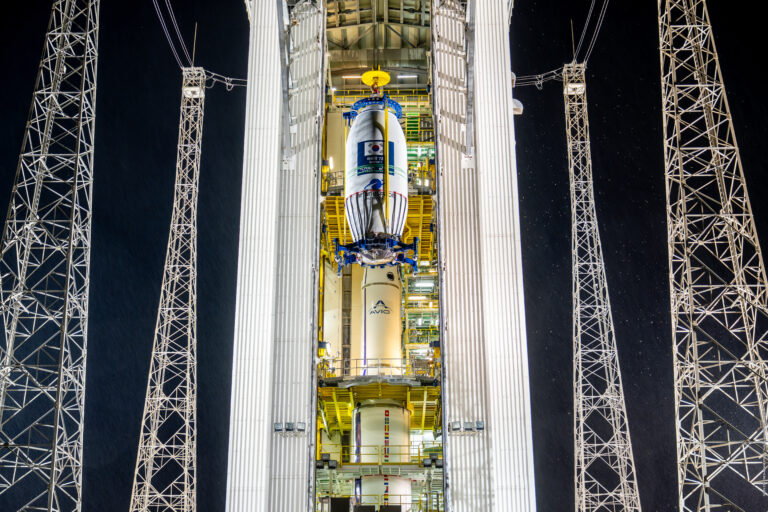
Sunday, Nov. 30: Arianespace is set to launch the South Korean Earth observation satellite, KOMPSAT-7, on a Vega C rocket from the Guiana Space Centre, French Guiana, at 12:21 p.m. EST.
Sunday, Nov. 30: In a separate flight, SpaceX is also scheduled to launch the Starlink Group 6-86 mission on a Falcon 9 Block 5 from Kennedy Space Center, Florida, at 3:11 p.m. EST.
Last week’s recap
The week of Nov. 17–Nov. 23 featured a very high launch cadence, particularly from SpaceX and China.
SpaceX launched three Starlink missions (Group 11-30, 6-79, and 6-78) from both coasts, maintaining its impressive launch tempo.
China successfully launched several missions, including the TJSW-21 satellite (Nov. 21) and the Shijian 30 A-C satellites (Nov. 18), both on Long March rockets.
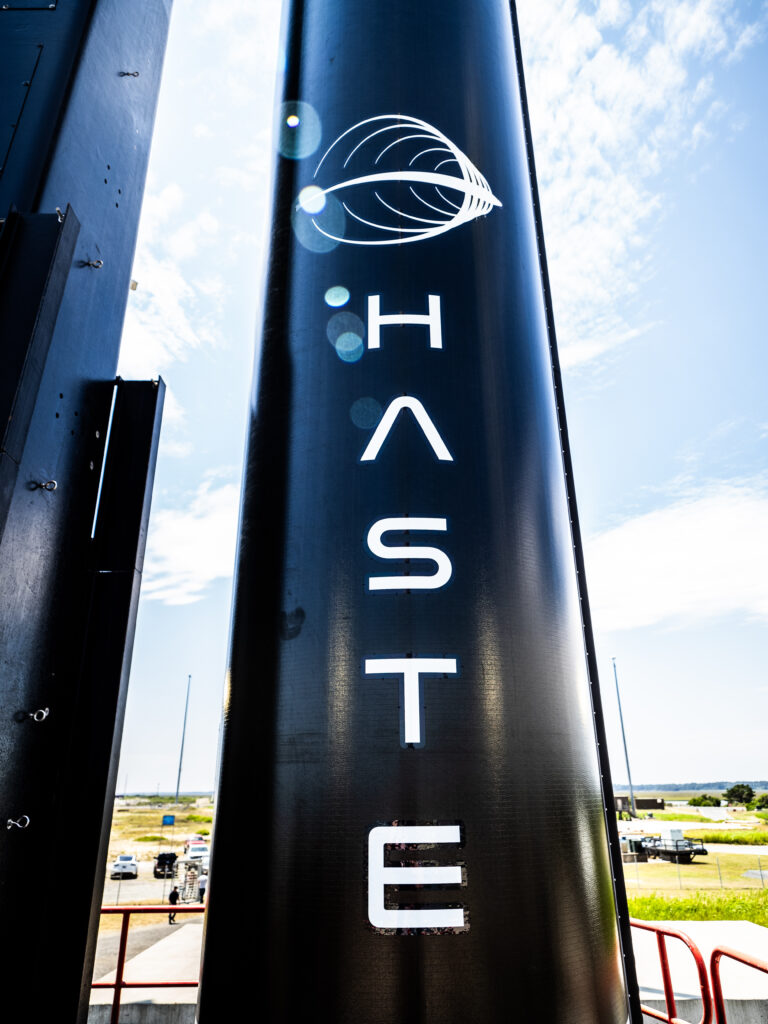
Rocket Lab had two Electron launches: the orbital “Follow My Speed” mission from New Zealand (Nov. 20) and the suborbital “Prometheus Run” test from Wallops Flight Facility, Virginia (Nov. 18).
Looking ahead
Next week kicks off a busy start to December, beginning with Tuesday, Dec. 2, which will see a double dose of SpaceX Starlink launches with the Group 11-25 mission from Vandenberg and the Group 6-95 mission from Cape Canaveral SFS. SpaceX continues its pace on Friday, Dec. 5, with the Starlink Group 11-15 mission. Finally, on Saturday, Dec. 6, the Japanese Space Agency (JAXA) and MHI are set to launch the Michibiki 5 satellite on the new H3-22S rocket from Tanegashima Space Center, Japan.