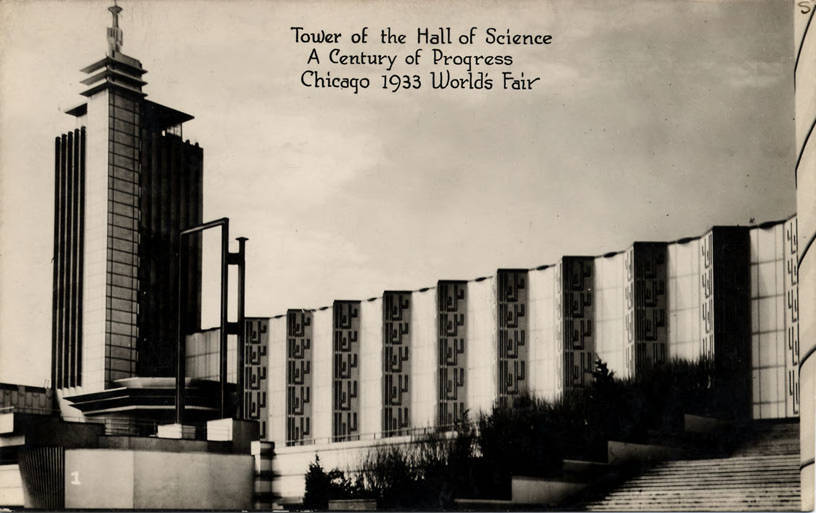
When organizers of the 1933 World’s Fair in Chicago wanted a splashy and futuristic way to kick things off on opening night, astronomer Edwin Frost of Yerkes Observatory had an idea: Turn on the lights with power generated by starlight. Thought to be located 40 light-years away, Arcturus was chosen for the poetic symbolism of 40 years having passed since Chicago’s last World’s Fair, in 1893. (We now know Arcturus is actually only 37 light-years away.)
Four observatories (those at Harvard University, Allegheny University, the University of Illinois, and Yerkes) tracked the star, ensuring that if the weather was bad in Chicago, the spectacle would still work. Each used a large telescope to focus the light from Arcturus onto photoelectric cells, converting that starlight into an electrical current. The current, in turn, was amplified and sent via telegraph wire to Chicago, where it powered the Fair’s floodlights. At 9:15 p.m. on May 27, 1933, they were turned on, and the star-powered floodlights illuminated a landscape of modern and futuristic architecture on the Fair’s grounds. Arcturus would be used symbolically throughout the Fair’s run, appearing in stylized form on pamphlets, season passes, banners, and advertisements.