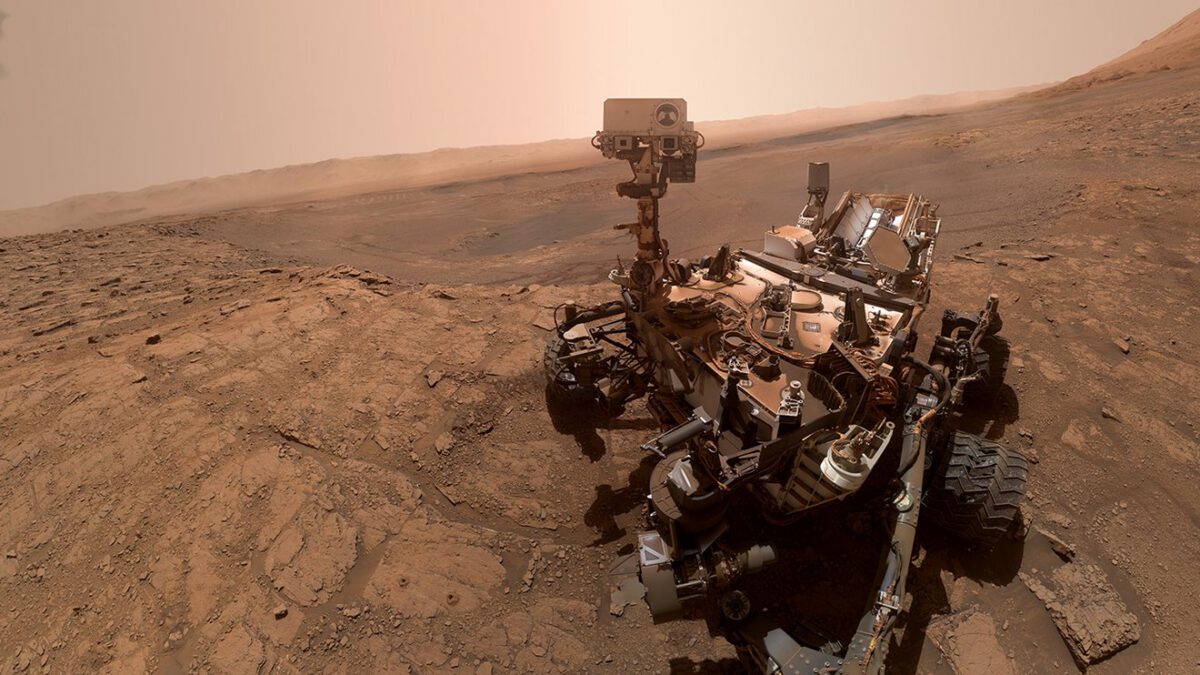
Famous for its selfies, Curiosity took this portrait in October 2019. Credit: NASA/JPL-Caltech/MSSS

Key Takeaways:
- The NASA Mars rover Curiosity, part of the Mars Science Laboratory (MSL) mission, launched on November 26, 2011.
- Equipped with ten science instruments and seventeen cameras, Curiosity's mission includes analyzing Martian minerals, searching for evidence of microbial life, and capturing images of the Martian surface.
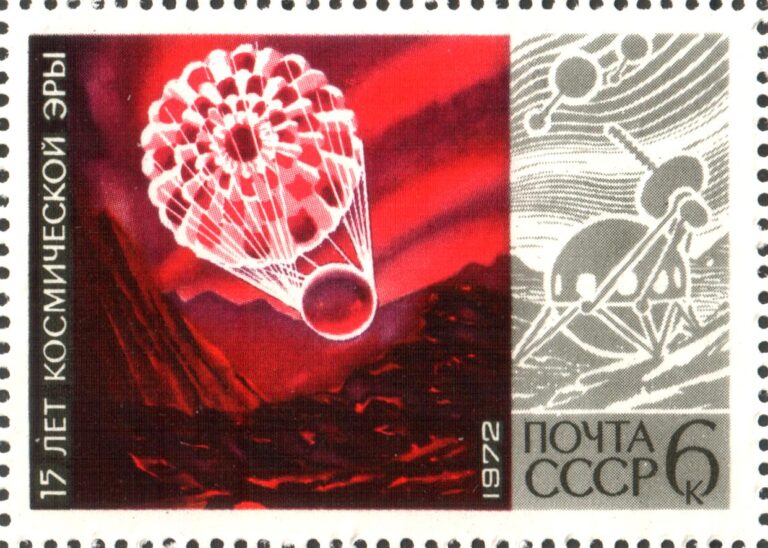
- Curiosity's landing utilized a novel procedure, referred to as the "seven minutes of terror," involving a supersonic parachute and a skycrane system.
- Curiosity successfully landed on Mars on August 6, 2012, and continues to function, transmitting data and images, including self-portraits.
NASA launched its Mars rover Curiosity inside the Mars Science Laboratory (MSL) on Nov. 26, 2011. Complete with 10 science instruments and 17 cameras, the robot can analyze mineral types, search for signs of microbial life, and take color panoramas of the Red Planet’s surface. Curiosity’s landing on Mars was a new process, nicknamed the “seven minutes of terror” for the amount of time it took. On Aug. 6, 2012, a supersonic parachute deployed after Curiosity entered the atmosphere, the heat shield and backshell separated, and a skycrane slowly lowered the rover from the MSL to the ground. Curiosity continues to operate on Mars today, returning data and images – including selfies taken by stretching out its robotic arm.