NASA has told crew aboard the International Space Station (ISS) to resume normal operations, ending a roughly two-hour period in which five astronauts sheltered inside a docked SpaceX capsule.
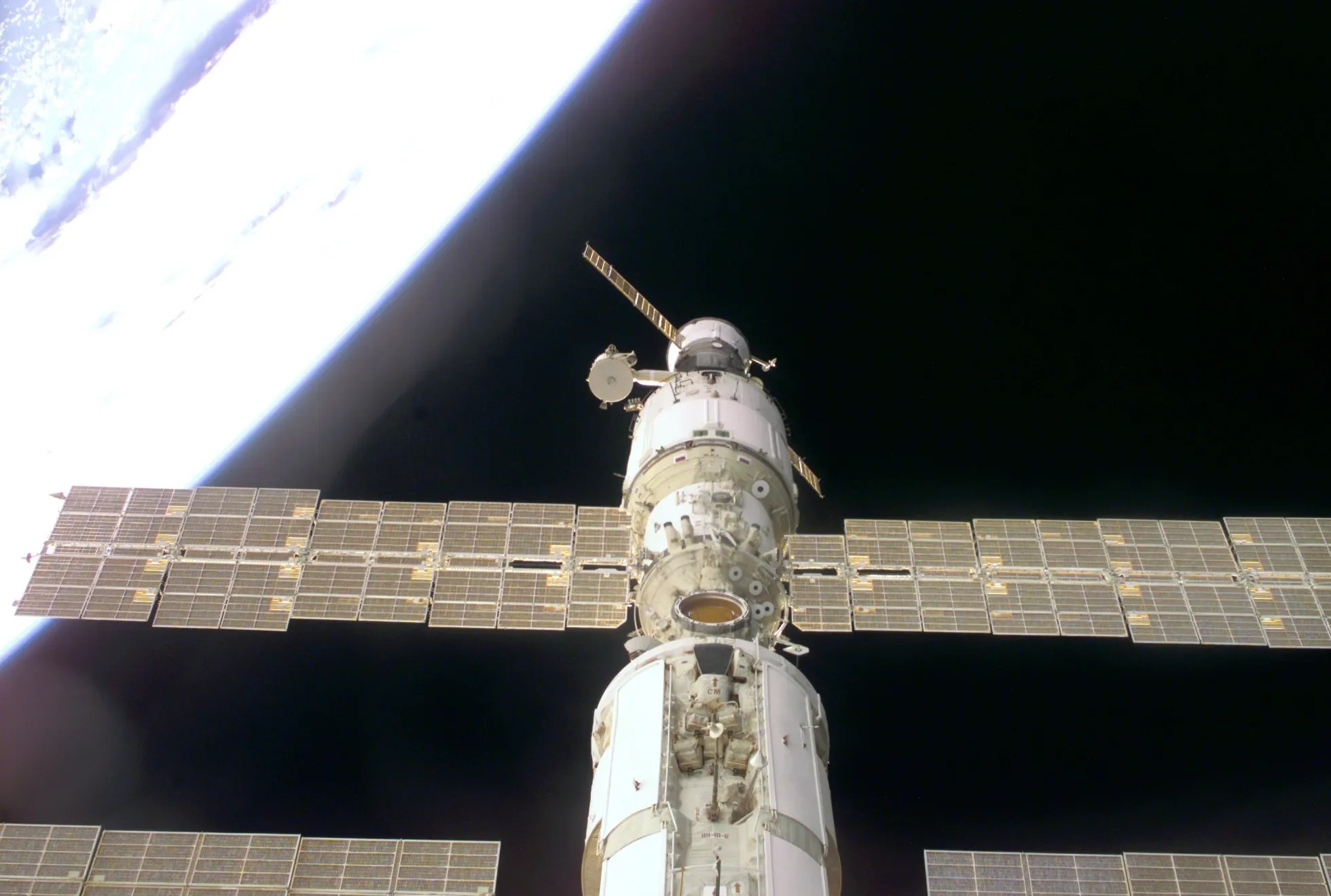
The shelter order came Friday morning as a precautionary measure to protect crew while Russian cosmonauts attempted a fix on the Zvezda service module’s transfer tunnel — a section known as PrK, which connects the module to one of the station’s rear docking ports. The tunnel has been plagued by air leaks from cracks in its hull for several years, which both agencies have managed through partial repairs and operational workarounds while searching for a permanent fix. Permanent closure of the tunnel would mean the loss of one of four Russian docking ports on the station and would complicate cargo resupply.
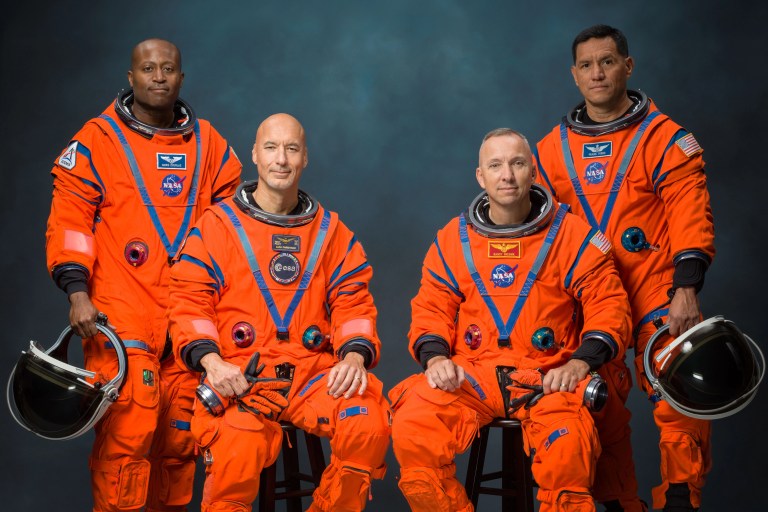
NASA’s directive to board the Dragon spacecraft arrived around 9:00 a.m. EDT, covering all four members of the SpaceX Crew-12 mission — Pilot Jack Hathaway and, Commander Jessica Meir of NASA, and mission specialists Sophie Adenot of the European Space Agency and Andrey Fedyaev of Roscomos — plus NASA astronaut Chris Williams, who launched aboard the Roscosmos Soyuz MS-28 spacecraft in November 2025. Two Russian cosmonauts remained inside the station to conduct the repair work.
NASA Press Secretary Bethany Stevens wrote on X at 9:16 a.m. EDT that “the cracks have always been a concern that NASA watches very closely,” and that the agency directed the crew to take “an elevated safety posture in the Dragon spacecraft” out of an abundance of caution while the repair was underway. Later, at 10:57 a.m. EDT, Stevens posted again to say Roscosmos had paused the repair work so engineers could assess newly collected data. As a result of this pause, NASA instructed the crew to end safe-haven procedures and return to normal operations for the time being.
The leak’s roots go back to at least 2021, when a small pressure drop first flagged a problem in the PrK, according to a NASA Office of Inspector General report. Russian cosmonauts located and sealed two cracks that year, but the tunnel kept losing air. By November 2024, NASA’s ISS Advisory Committee Cchair Bob Cabana said that NASA had expressed concerns about the structural integrity of the PrK and the possibility of catastrophic failure — a position Roscosmos did not share, SpaceNews reported. Last year, launch of the Axiom 4 private astronaut mission was delayed for a few weeks to allow engineers more time to evaluate a new pressure reading from the module following an earlier partial repair. The situation grew more urgent this week when the leak rate doubled to roughly 2two pounds of air per day, according to a senior NASA official who spoke to Reuters on the condition of anonymity.
It’s unclear when repair efforts will resume. The ISS is expected to remain operational through at least 2030, but Friday’s episode underscores the pressure on both NASA and Roscosmos to find a lasting fix. The PrK tunnel has largely remained closed off from the rest of the station to contain the problem, and Stevens said the two agencies continue working with the international community “to arrive at a more permanent resolution.”
Brooks Mendenhall is a staff writer for Astronomy and is based in Chattanooga, Tennessee