Organizations — political, scientific, and commercial — are showing interest in going to the Moon. But all trips there have produced trash that has no future use after being used on the Moon. Are there plans being made by these groups to address the trash problem?
Mike Sackheim
Evanston, Illinois
Yes, groups are making plans, but addressing the trash problem on the Moon is surprisingly complex. Currently, organizations are looking at the problem through three different lenses: preservation, mitigation, and recycling.
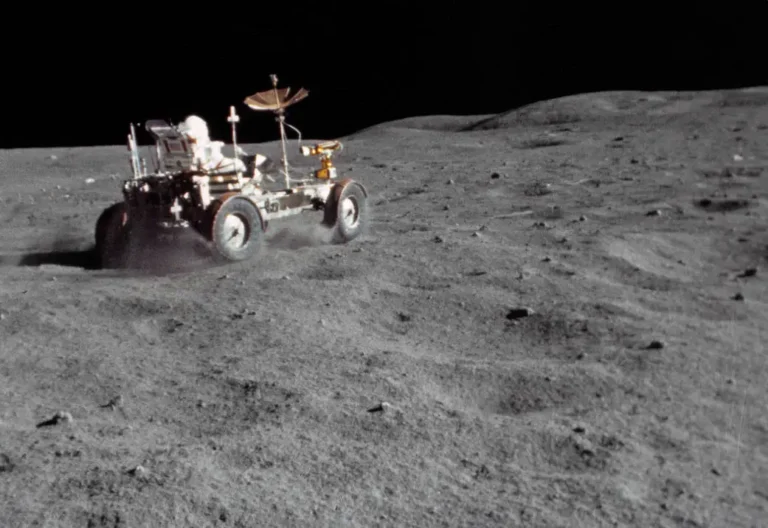
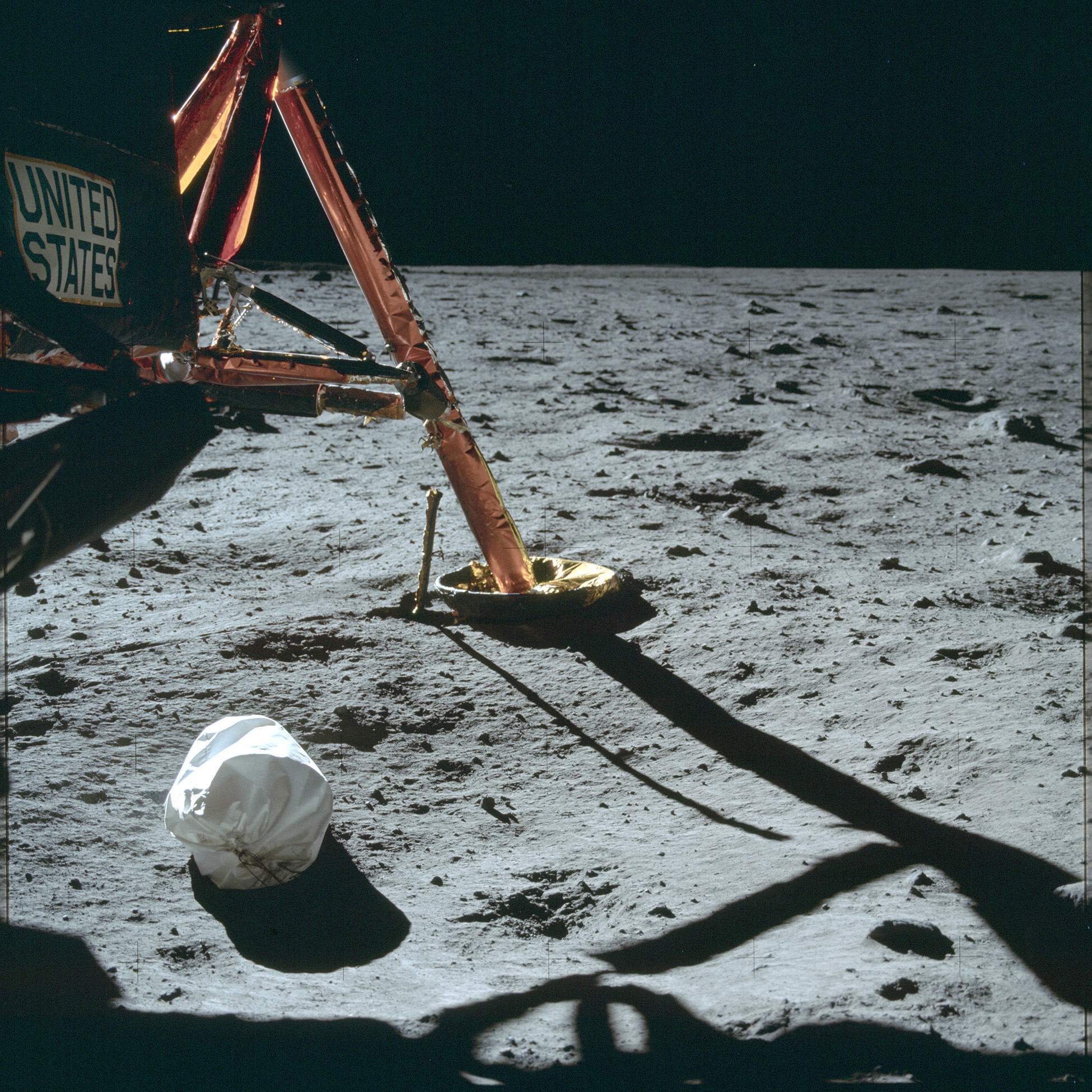
First, much of the roughly 400,000 pounds (181,440 kilograms) of existing “trash” on the lunar surface from past Apollo missions — all meticulously documented in NASA’s Catalogue of Manmade Material on the Moon — is now considered human heritage. This designation includes everything from rovers to the more absurd, like bags of human waste left by Apollo astronauts. All of the artifacts left by those missions are protected by the 2020 U.S. One Small Step to Protect Human Heritage in Space Act and will be left in place, memorializing the historic era of early human spaceflight.
Second, there’s a clear stated priority shift since the first space race toward more sustainable exploration. International bodies like the United Nations’ Committee on the Peaceful Uses of Outer Space, the European Space Agency, and the 55 signees of the Artemis Accords have all placed a heavy emphasis on mitigating the amount of debris created by this new era of exploration, with each organization outlining specific plans for end-of-mission spacecraft disposal.
However, this focus is primarily on minimizing orbital debris. Despite acknowledging the need for waste storage on future crewed and uncrewed missions, agencies like NASA haven’t yet outlined concrete strategies for dealing with trash accumulated on the lunar surface.
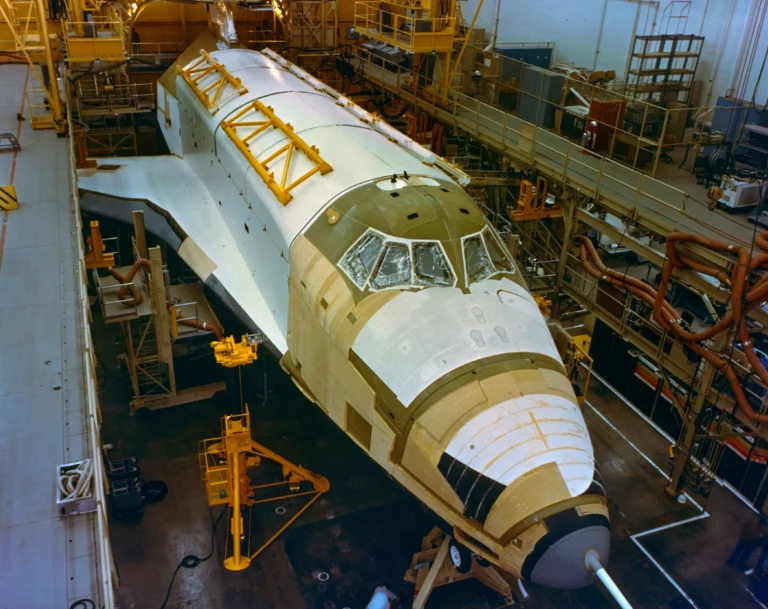
Given the lack of defined long-term waste storage strategies, the most forward-looking approach is recycling. In a December 2025 paper in Chem Circularity, experts assert that sustainable space exploration requires moving beyond the “use and discard” model and toward what they call a “circular space economy.” Future missions, they argue, should be designed from the outset to apply the principles of reusing, repairing, and recycling, ensuring that materials are launched once and used indefinitely.
Agencies are already taking concrete steps to make this vision a reality. For example, NASA’s LunaRecycle Challenge, which launched its first phase in late 2024, is actively soliciting innovations to transform waste — like the estimated 4,600 pounds (2,100 kg) of trash a four-person crew would generate in a year — into useful resources. By funding technologies that could transform discarded items into water, energy, fertilizer, or even construction components for habitats, initiatives like this are laying the groundwork for a more sustainable future.
Brooks Mendenhall
Staff Writer