Artemis 2 is still more than a day away from its lunar flyby. But as the crew of Integrity approaches the Moon, the excitement onboard is ramping up as they begin to view parts of the Moon’s farside that humans have never laid eyes on.
At around midnight EDT on Saturday, April 4, CapCom Jackie Mahaffey called up to Integrity and informed the crew that they had crossed the midway point between Earth and the Moon — closer to the Moon than to Earth for the first time. Koch was temporarily at a loss for words. “Wow, Jackie, thank you for sharing that with us. We all kind of had a collective — I guess, expression of joy at that. It’s hard to imagine,” she said. “We’re seeing more and more of the farside and it’s just a thrill to be here.”
On Friday, the crew got an unprecedented view of Mare Orientale, a large impact basin formed when an object slammed into the Moon some 3.7 billion years ago. Due to its location on the Moon’s extreme western edge as seen from Earth, we can only see the mountainous ridges surrounding it. But during a maneuver, the crew of Artemis 2 saw the Moon happen to swing into view through the docking hatch window, and they snapped some photos with a long zoom lens.
“After putting [the images] on the computer to look closer … we were able to see the entire thing,” said Glover, talking about Orientale at a public affairs event held that evening over video link from the craft. “It’s clear that we are not on Earth because that feature is not all visible from Earth. And so it’s already special the view that we have.”
“For humans who have looked at the Moon our entire lives, it just looked different out the window, and that is wild,” said mission commander Reid Wiseman. “It just really put our place in the universe in perspective.”
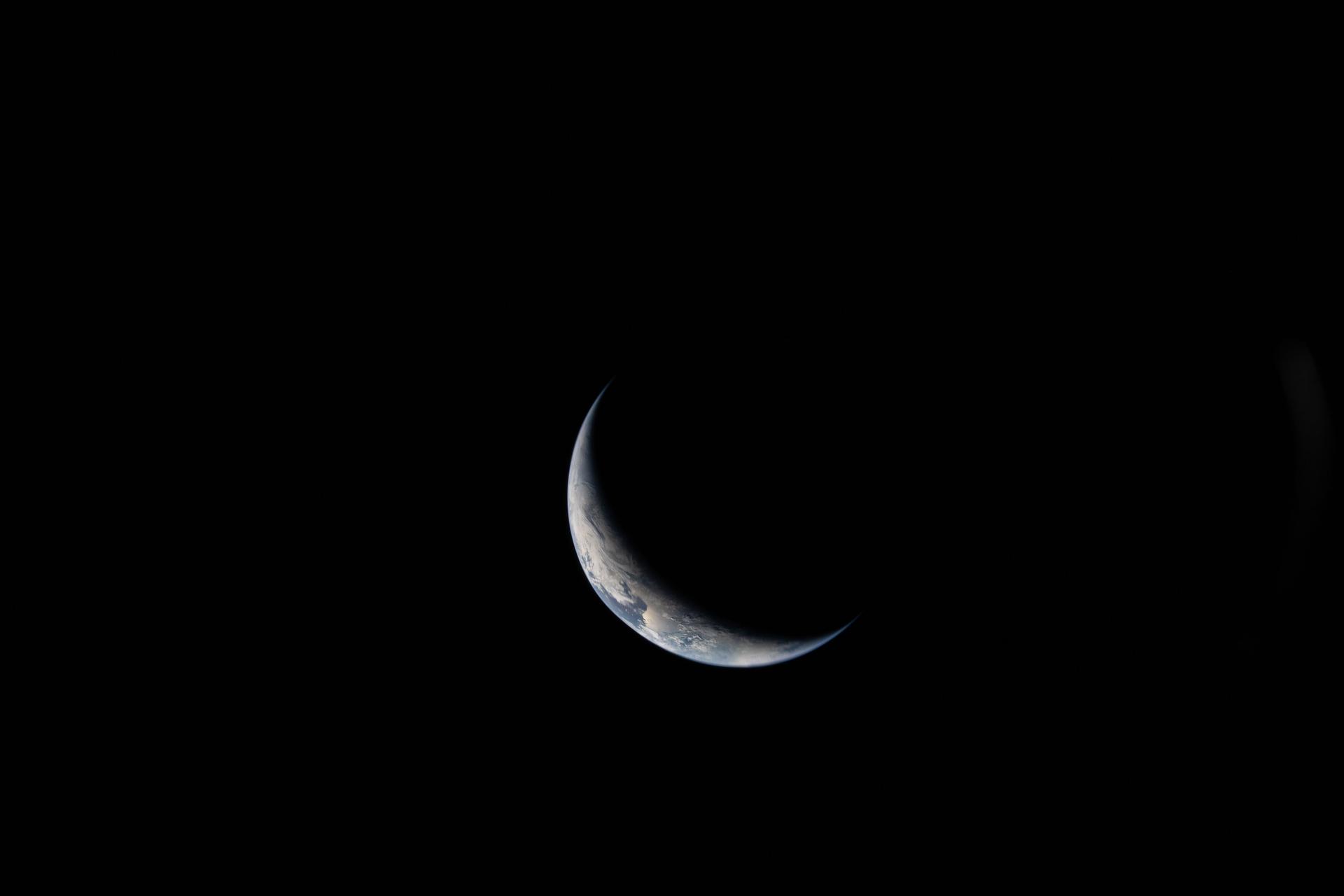
Science observations prompt tears
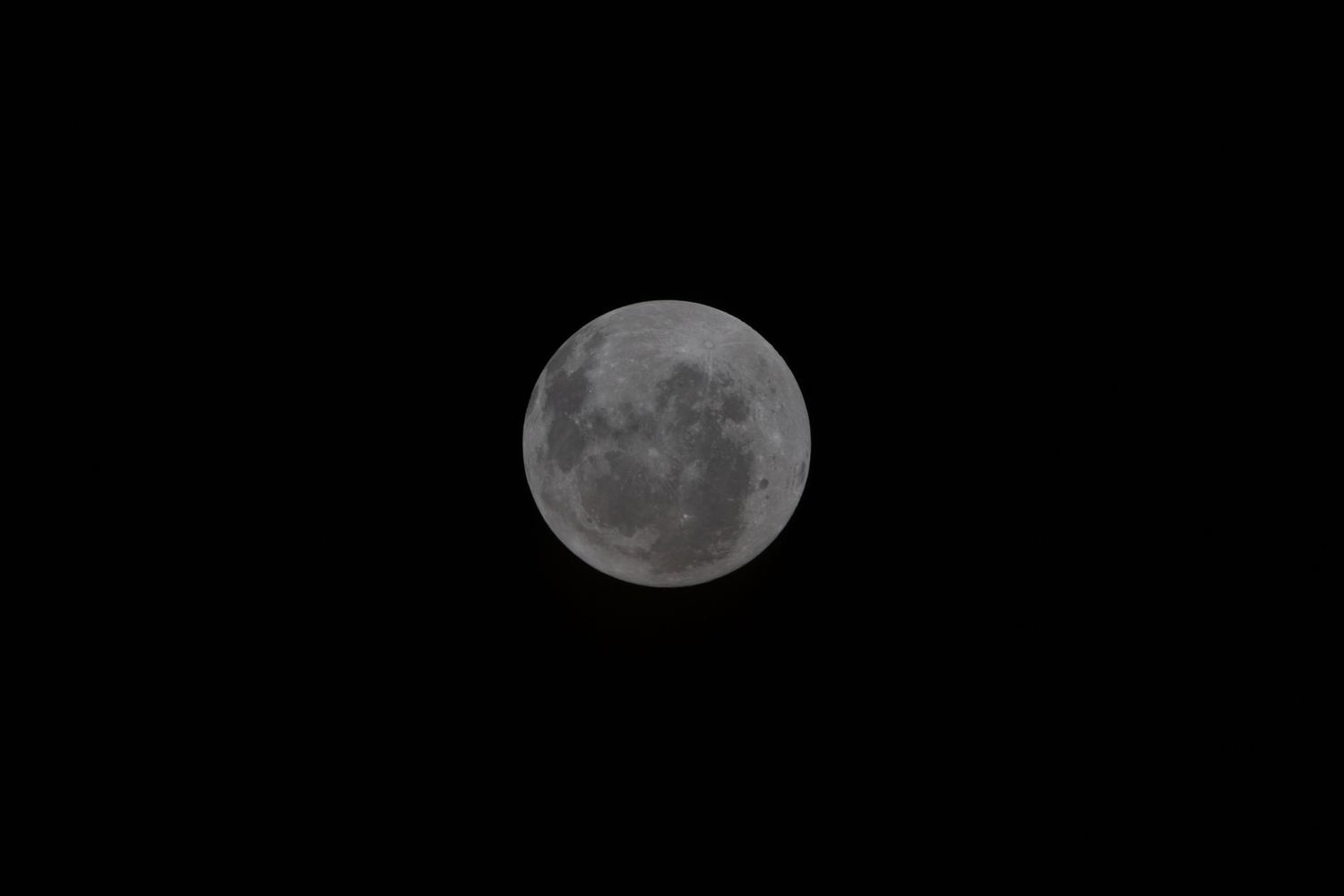
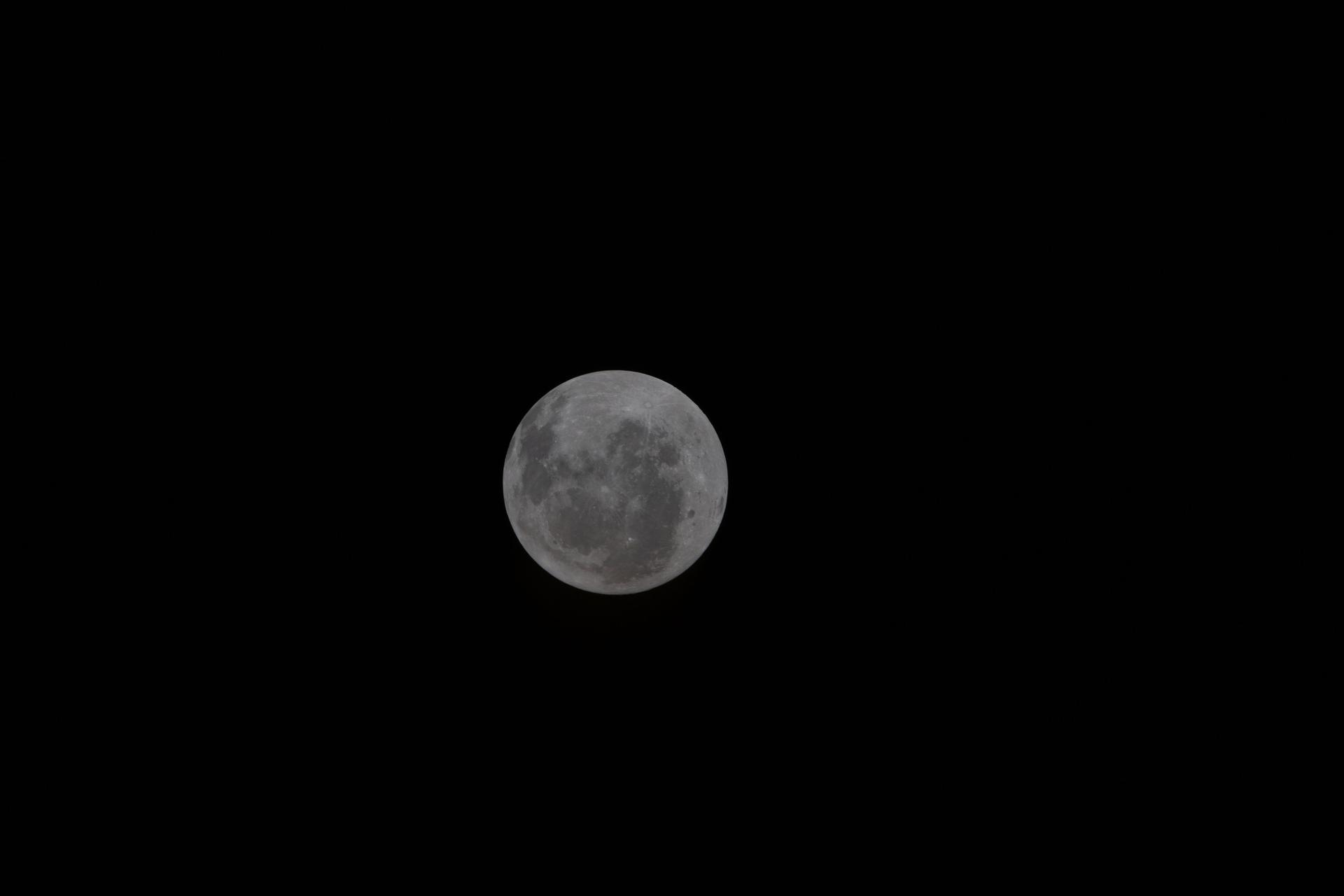
Later that flight day (late on Saturday night EDT) the crew maneuvered Orion into an attitude to observe and photograph the Moon in a planned observation session. As the Moon came into view, Wiseman called out to Mission Control, “That is an obviously large Moon looking out the window. Good gracious!” His scientific observations followed. “We can clearly see Grimaldi, Glushko. We can see over to Orientale with the naked eye. … Primary colors that we see right now — just a bright, bright white, especially on the South Pole and the farside, and then all the maria [lava plains] on the near side are just varying shades of gray. Not picking up any color yet just with the human eye, but we also haven’t dwelled very long on this. Definitely see all of the basin of Orientale, Aristarchus, Copernicus, easily all in view. This is so awesome.”
“The Moon we are looking at is not the Moon you see from Earth whatsoever,” said Christina Koch as she looked through a camera with a 400mm lens.
The observations prompted tears from the Mission Control backroom — the Science Observation Room, where the mission’s science team gathers — as for the first time in more than 53 years, researchers heard astronauts relay their observations of sights never before seen on another world.
“It was just amazing to hear,” said Sara Schmidt, Artemis 2 crew lunar observation lead, on NASA’s broadcast Saturday evening. “So much training and excitement and passion has gone into this mission … Having those observations be heard by us and having them call out specific features was just — it almost felt like a dream, like unreal. And you know, that was maybe 10 minutes of observations and we’re gonna have many, many hours of it. So we’re packing up on tissues.”
Integrity remains right on course for the Moon — so precisely, in fact, that scheduled course correction burns have been canceled for the past two days. The craft will enter the Moon’s sphere of gravitational influence in the overnight hours of Sunday night and make its closest approach to the Moon on Monday evening.