From the April 2007 issue

Why are there no green stars?

Frank Stonestreet, Moline, Illinois
By | Published: April 1, 2007 | Last updated on May 18, 2023

Gemini Sparkle

Key Takeaways:

  • Green stars demonstrably exist, with their emitted color serving as an indicator of their temperature.
  • These stars radiate most intensely at wavelengths corresponding to the green segment of the visible-light spectrum.
  • Despite their peak emission in green, these stars also emit radiation across the entire spectrum of visible light wavelengths.
  • Human visual perception interprets the combined broad-spectrum emissions of such stars as white light, rather than a distinct green.
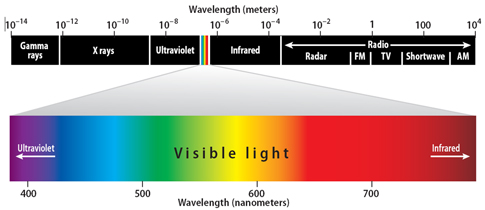
The electromagnetic spectrum
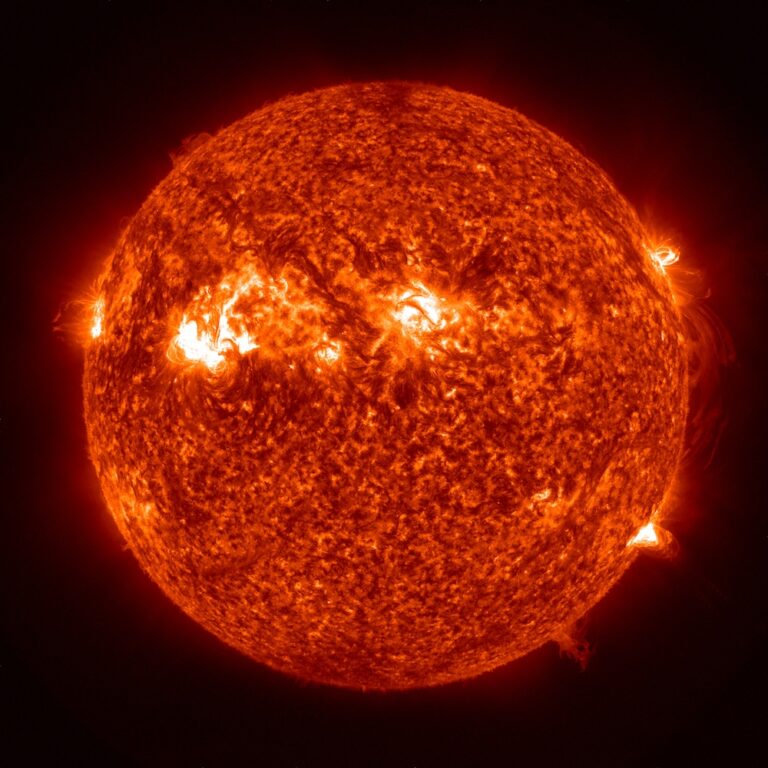
Green stars do exist. A star’s color indicates its temperature. Green stars emit radiation most intensely at wavelengths in the green part of the visible-light spectrum. They also emit radiation over the range of visible-light wavelengths.

White light contains all the visible-light colors smeared together. The human eye detects green, but green is in the middle of the visible-light spectrum. Your eyes see white when looking at a star emitting its peak radiation in the green part of the visible-light spectrum. — Laura Layton, Associate Editor