Looking for a sky event this week? Check out our full Sky This Week column.
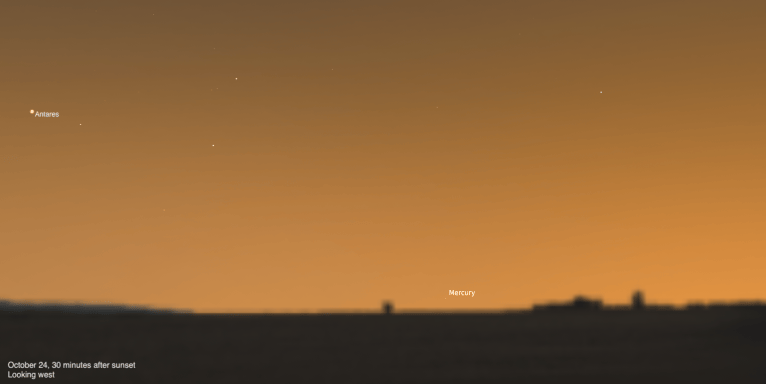
July 28: Mercury appearing
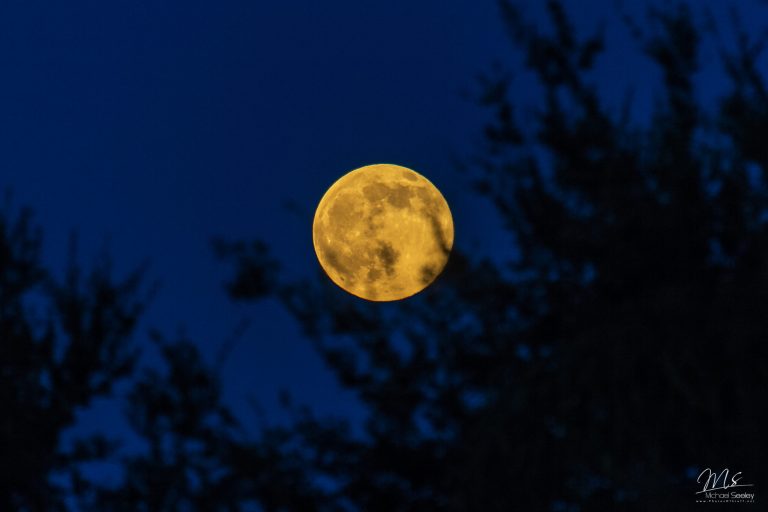
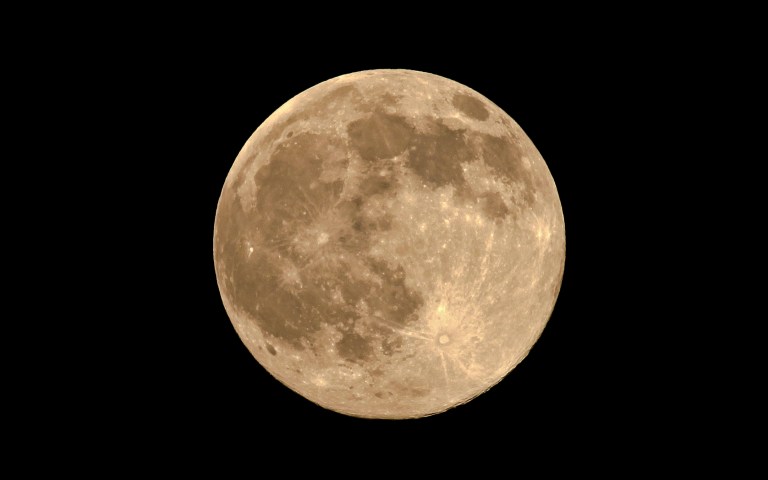
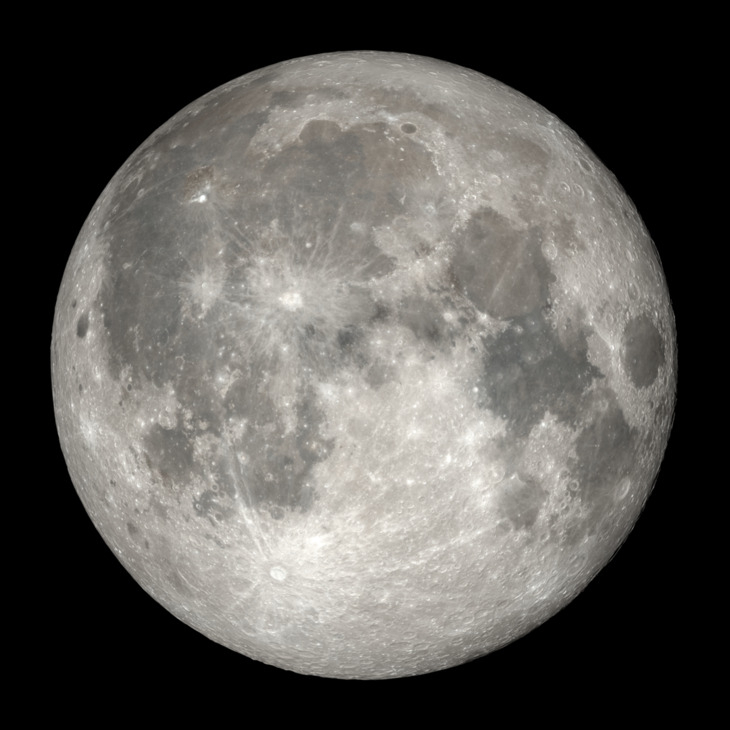
Full Moon occurs this morning at 10:36 A.M. EDT. Also called the Buck Moon, the July Full Moon will rise this evening within 20 minutes of sunset. Dominating the constellation Capricornus, the Buck Moon’s bright light will make it difficult to see fainter objects — including many stars — in the sky. Many people think Full Moon is a great time to observe our satellite, but it can actually be quite challenging, as the brightly lit face shows few shadows with the Sun high overhead from the lunar surface’s point of view — it is now noon on the Moon. But while it’s difficult to pick out detail, it’s still a great time to study the lunar face simply with your eyes, tracing out the large dark regions (called maria, or seas) that signal where old lava flows have long since cooled into flatter terrain.
In the south, more rugged features make this portion of our satellite appear brighter, but the large crater Tycho still stands out. See if you can trace the long, bright rays of material (called ejecta) that were thrown outward during the impact that created it. These rays are more difficult to spot during the Full phase, but sharp-eyed observers may still see them.
If you do opt for a telescope to view the Moon tonight, try using a Moon filter or even wearing sunglasses to help cut down the glare and make viewing more comfortable.
Sunrise: 5:56 A.M.
Sunset: 8:16 P.M.
Moonrise: 8:36 P.M.
Moonset: 5:44 A.M.
Moon Phase: Full
*Times for sunrise, sunset, moonrise, and moonset are given in local time from 40° N 90° W. The Moon’s illumination is given at 10 P.M. local time from the same location.
Alison Klesman is senior editor of Astronomy magazine. She holds a Ph.D. in astronomy and has studied a variety of topics, from minor planets to supermassive black holes.