Looking for a sky event this week? Check out our full Sky This Week column.
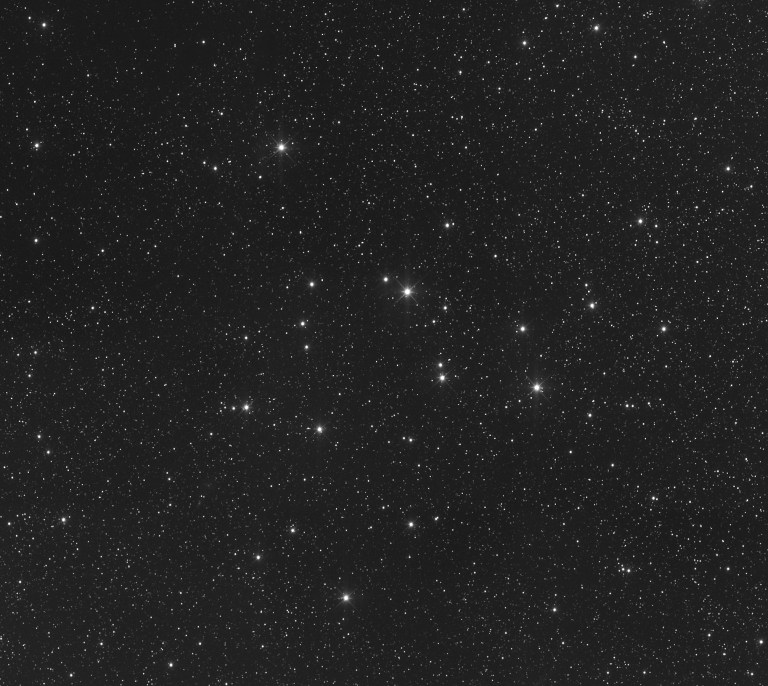
September 28: Open cluster M39 shines
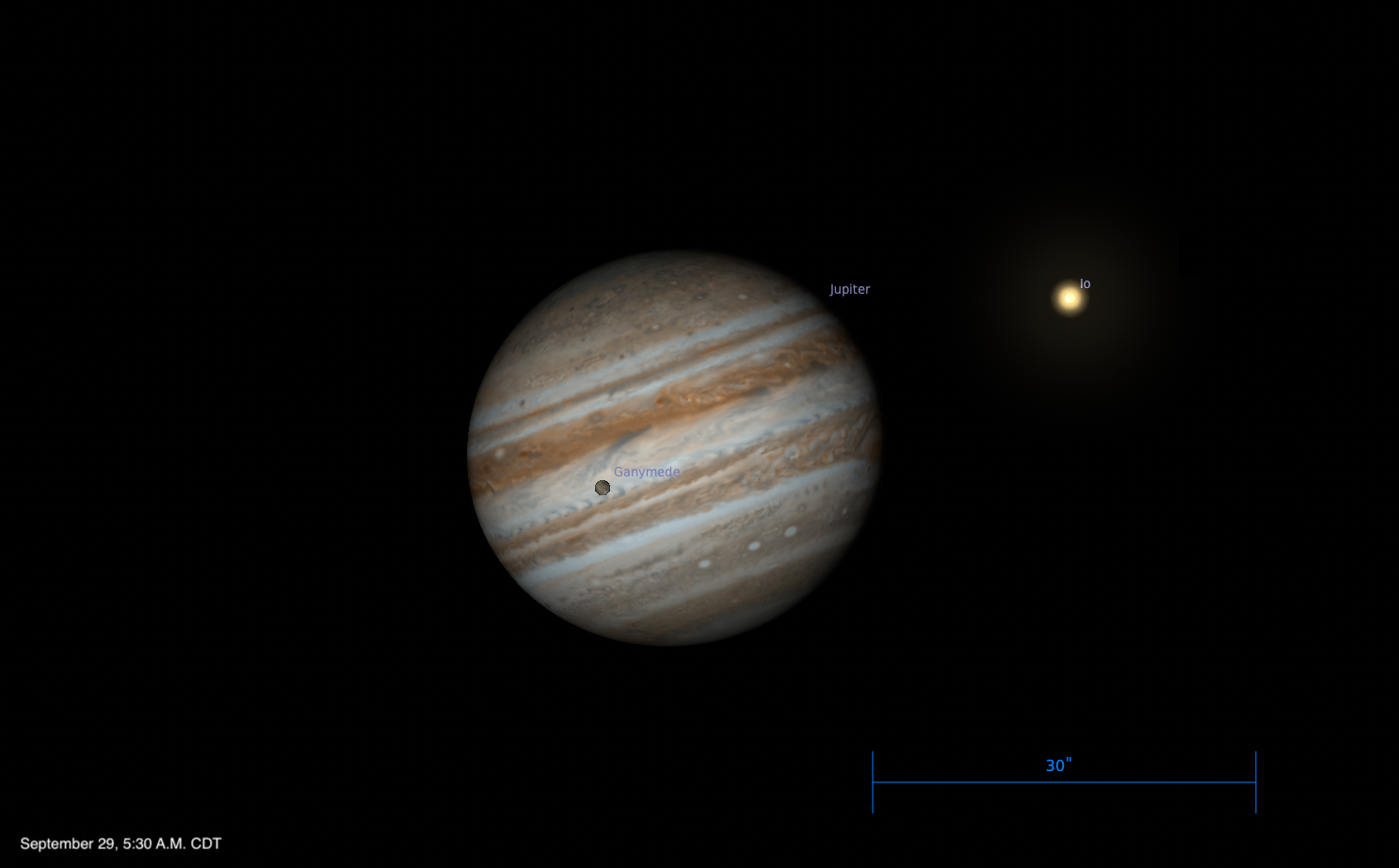
Jupiter’s largest moon, Ganymede, transits the gas giant’s disk this morning. Some part of the event, which lasts more than three hours in total, is visible for all U.S. observers.
Jupiter is currently in Leo, rising around 3 A.M. local daylight time. The bright planet shines at magnitude –1.9, outshining 1st-magnitude Regulus, the Lion’s brightest star, which lies to Jupiter’s east and follows it up into the eastern sky. Through a telescope, the gas giant’s disk spans 33”. For those in the eastern half of the U.S., the planet is flanked by two moons on each side as it rises: Callisto and Ganymede on the east, and Io and Europa on the west. Ganymede is closing in on the eastern limb and its transit begins at 5:24 A.M. EDT. It continues across the disk as the hours pass and the sky brightens, until those in the western portion of the country see Ganymede finally exit the disk at 6:02 A.M. PDT.
But Ganymede isn’t the only moon to watch: Not long before Ganymede reaches a halfway point across the disk, Io winks out of view on Jupiter’s western side as it passes into the planet’s long, dark shadow around 5:45 A.M. CDT (just before or around sunrise on the East Coast). It is occulted by the planet about an hour later, and won’t reappear until after sunrise on the West Coast.
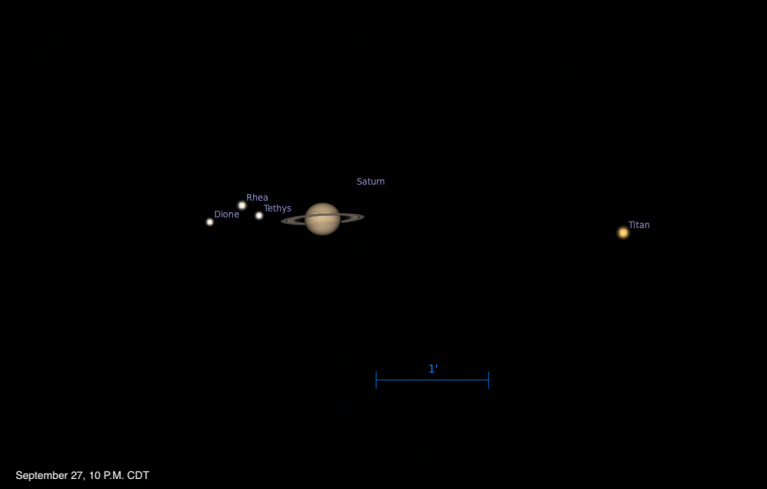
Speaking of sizable satellites, Saturn’s largest moon, Titan, sits just to the planet’s southwest today, and to its southeast tomorrow night. With the bright satellite so close to the ringed world, it’s a great chance to easily view both together.
Sunrise: 6:54 A.M.
Sunset: 6:45 P.M.
Moonrise: 8:09 P.M.
Moonset: 10:22 A.M.
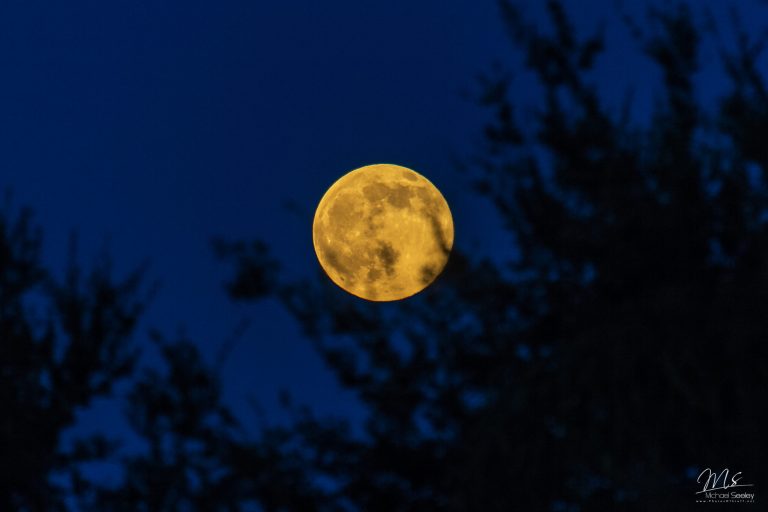
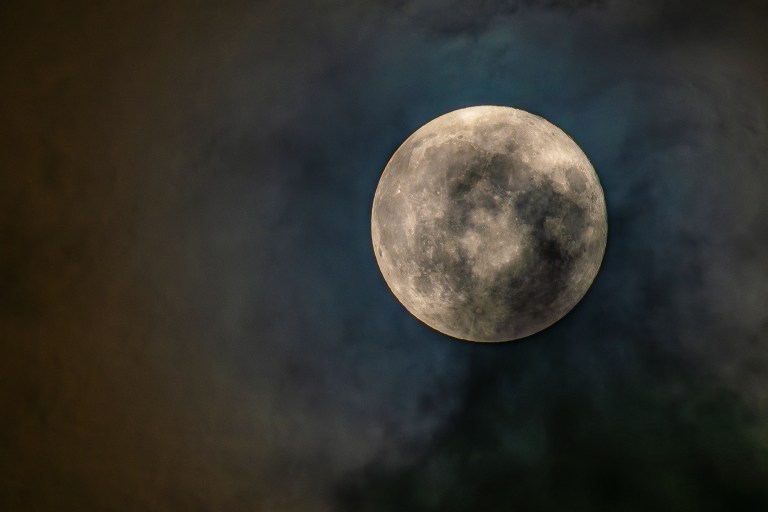
Moon Phase: Waning gibbous (86%)
*Times for sunrise, sunset, moonrise, and moonset are given in local time from 40° N 90° W. The Moon’s illumination is given at 10 P.M. local time from the same location.
Alison Klesman is senior editor of Astronomy magazine. She holds a Ph.D. in astronomy and has studied a variety of topics, from minor planets to supermassive black holes.