
Key Takeaways:
- Mercury is currently observable as a bright –0.6 magnitude object in the predawn sky, though its visibility is rapidly decreasing as it approaches superior conjunction in late January.
- Optimal observation is suggested approximately 30 minutes before sunrise, when the planet is 3° high in the southeast, with binoculars recommended for successful detection.
- Within this brief observational window, Antares (magnitude 1.1) may also be discernible above the horizon, positioned to Mercury's far upper left, although it will disappear earlier with the onset of dawn.
- The article provides specific astronomical event times and moon phase data for a location at 40° N 90° W, while underscoring the critical importance of ceasing observations several minutes prior to local sunrise for safety.
Looking for a sky event this week? Check out our full Sky This Week column.
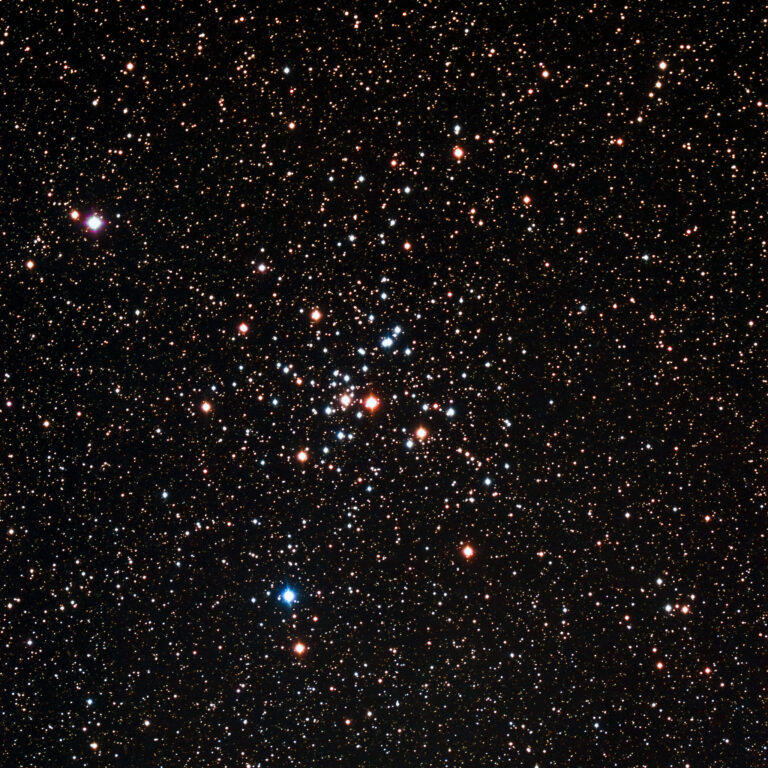
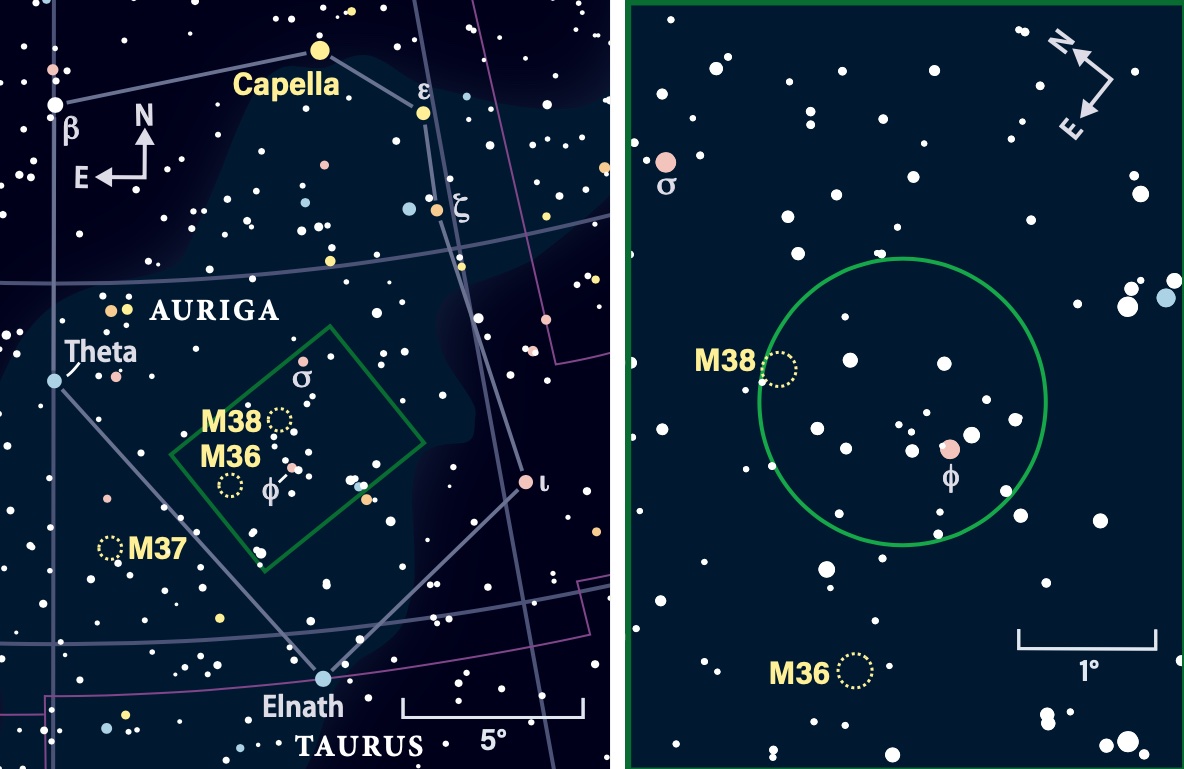
December 29: Colorful M41
Mercury may be a bright magnitude –0.6, but it is sinking quickly toward the horizon. The small planet will only be visible in the predawn sky for a few more days at most, so try to grab your chance to spot it now. It is heading toward superior conjunction in late January, a configuration that places the planet behind the Sun from our point of view. Some 94 percent of Mercury’s face is now lit by the Sun, helping to keep the planet bright in the early-morning sky.
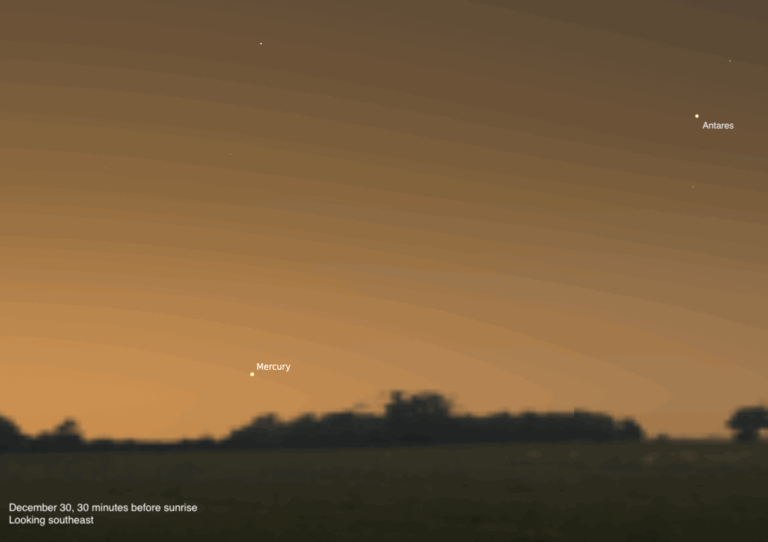
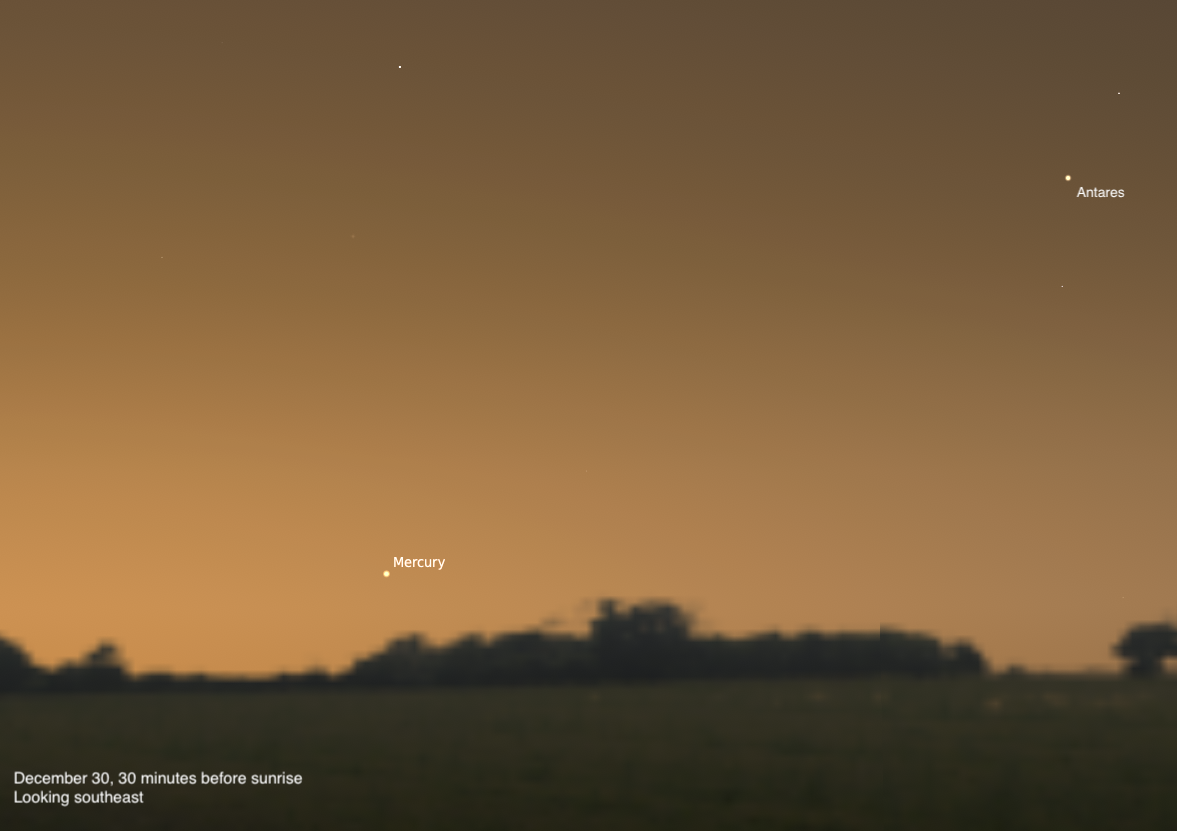
See if you can find Mercury in the growing twilight some 30 minutes before sunrise, when it is just 3° high in the southeast. Your best bet is to sweep the southeastern horizon with binoculars, moving slowly back and forth to look for the planet’s reflected light. A bit earlier you might spot Antares — the ruby-hued heart of Scorpius the Scorpion — above the horizon as well. Mercury lies to this star’s far lower left. Antares, at magnitude 1.1, will disappear first in the oncoming dawn.
The observing window is very short, and you should make sure to stop your search and put away your instruments at least several minutes before sunrise from your specific location, which may differ from the time given below.
Sunrise: 7:22 A.M.
Sunset: 4:44 P.M.
Moonrise: 1:04 P.M.
Moonset: 3:09 A.M.
Moon Phase: Waxing gibbous (85%)
*Times for sunrise, sunset, moonrise, and moonset are given in local time from 40° N 90° W. The Moon’s illumination is given at 10 P.M. local time from the same location.