Looking for a sky event this week? Check out our full Sky This Week column.
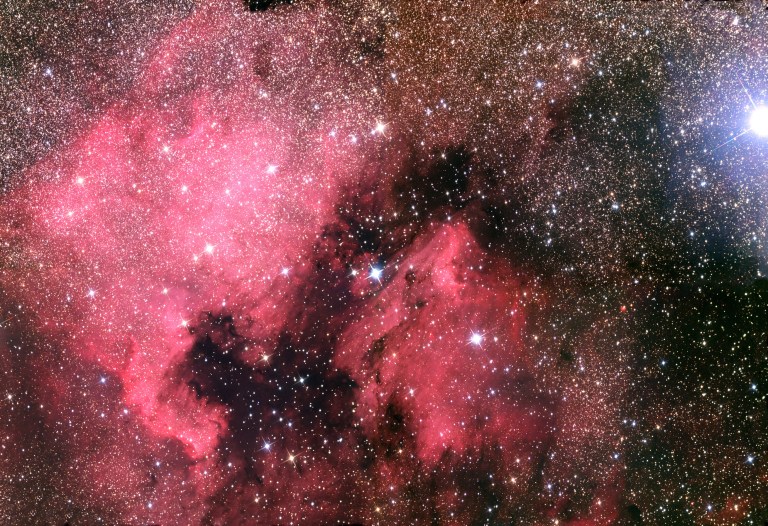
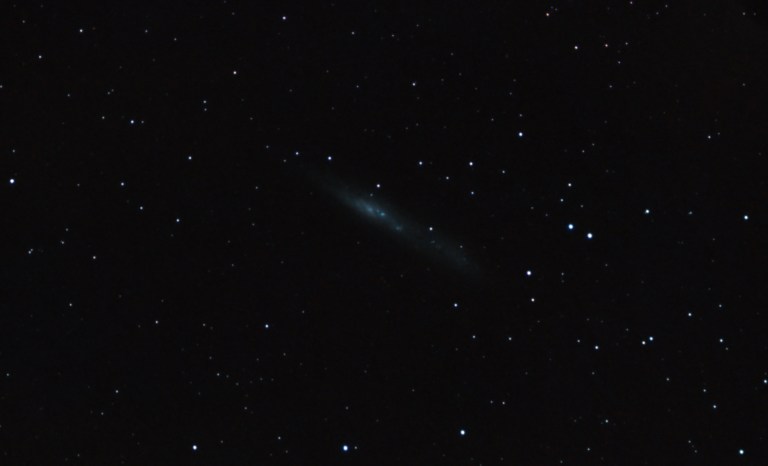
November 6: Nab the North America Nebula
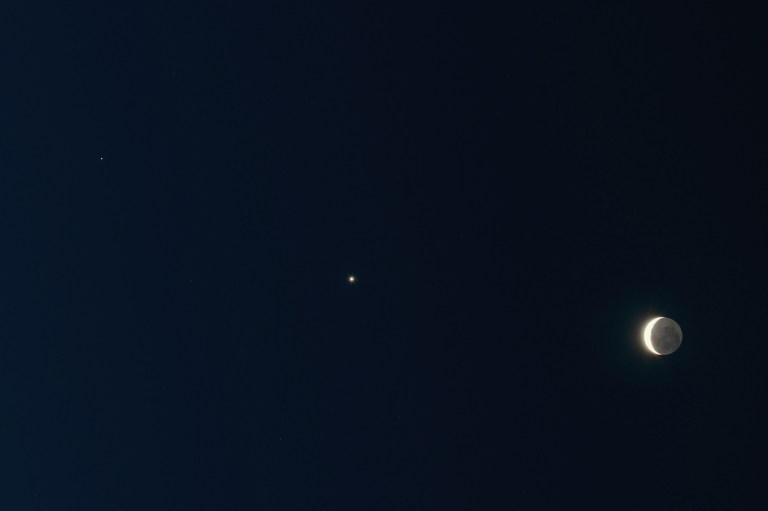
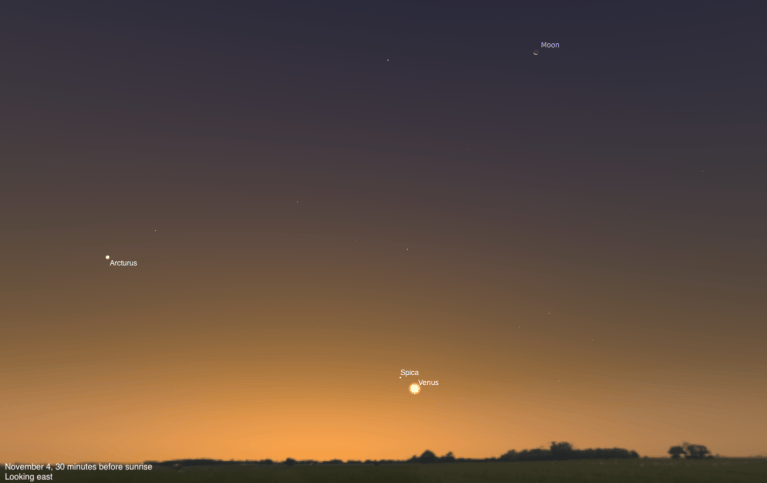
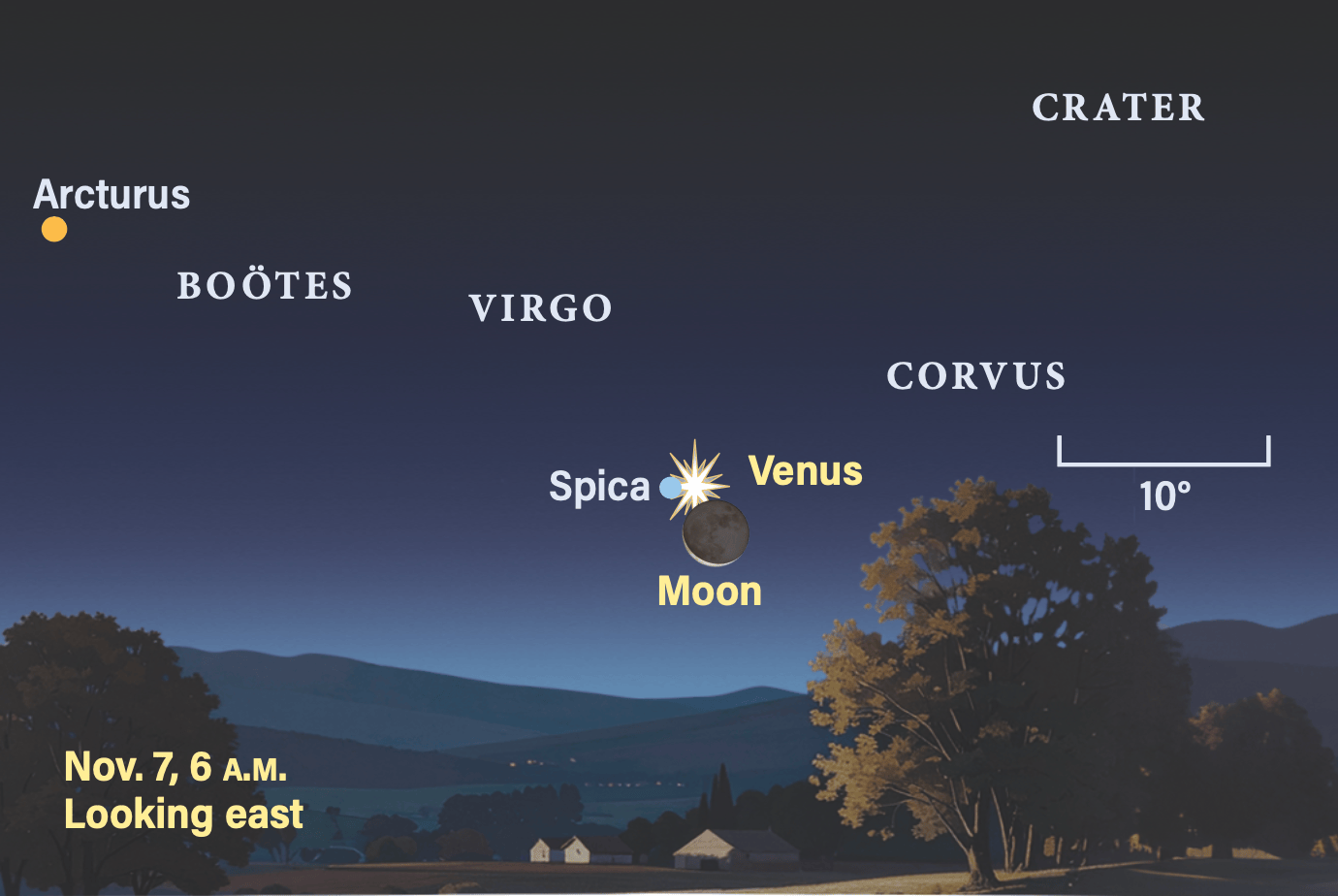
Venus is already primed to capture attention above the eastern horizon before sunrise. This morning, the Moon passes 1.1° due south of Earth’s sister planet at 7 A.M. EST.
You can easily catch the pair an hour before sunrise, some 6° high in the east and climbing as the sky begins to brighten. Magnitude –4.5 Venus blazes to the upper left of the delicate crescent Moon, whose western limb is just barely lit as the Sun sets across the lunar nearside. Look for earthshine on the already-shadowed portion of Luna’s face, as sunlight bouncing off Earth lights it up.
Near Venus is another bright light: This is Spica, Virgo’s alpha star, shining at magnitude 1.0 and also lingering in the morning twilight. This morning it lies 1.3° northeast of Venus, with the planet and star roughly side by side above the horizon. Use this view as an anchor point: By the 10th, Venus will have moved to stand due west of this star and will be located to its upper right.
Sunrise: 6:36 A.M.
Sunset: 4:51 P.M.
Moonrise: 5:01 A.M.
Moonset: 3:40 P.M.
Moon Phase: Waning crescent (1%)
*Times for sunrise, sunset, moonrise, and moonset are given in local time from 40° N 90° W. The Moon’s illumination is given at 10 P.M. local time from the same location.
Alison Klesman is senior editor of Astronomy magazine. She holds a Ph.D. in astronomy and has studied a variety of topics, from minor planets to supermassive black holes.