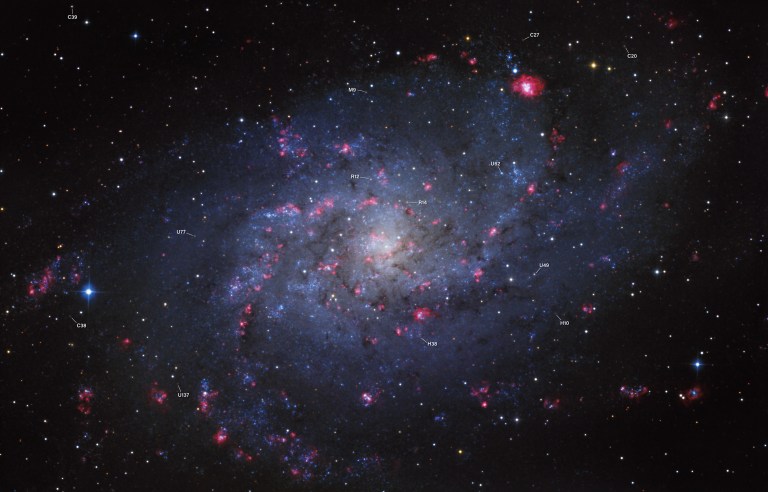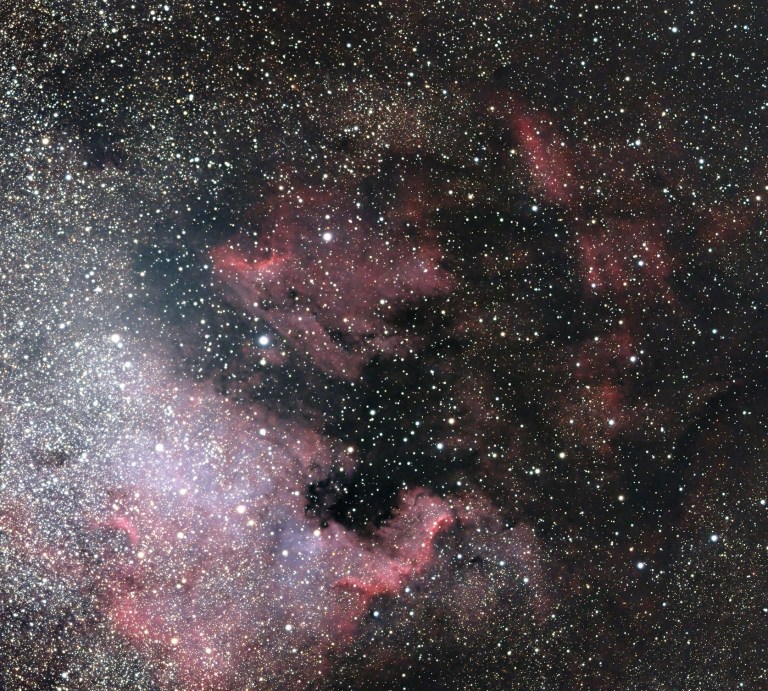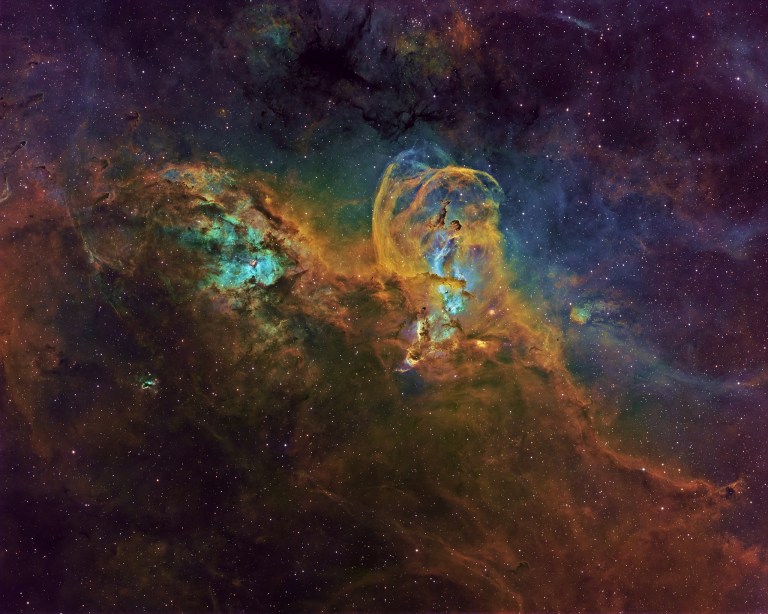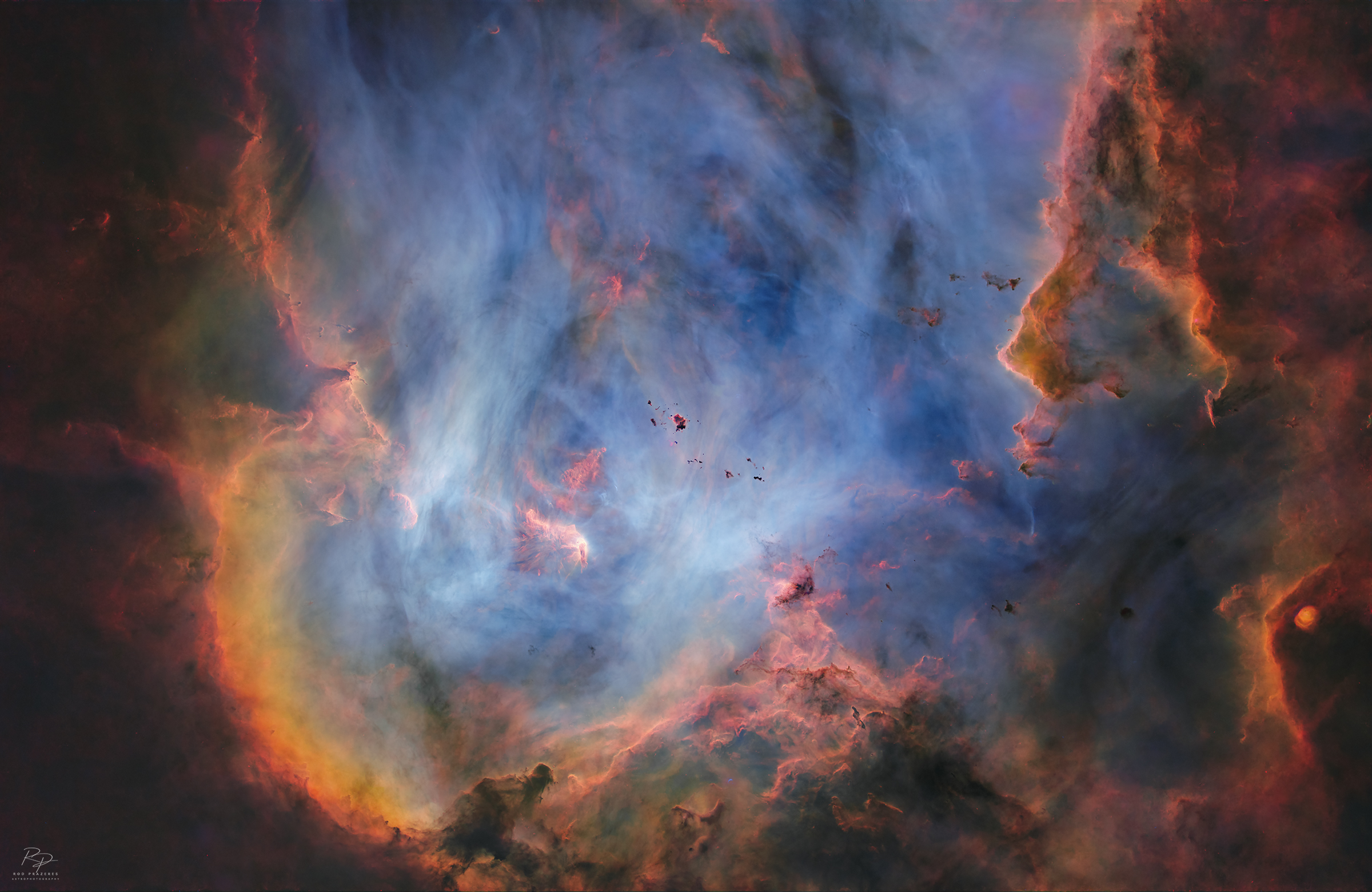
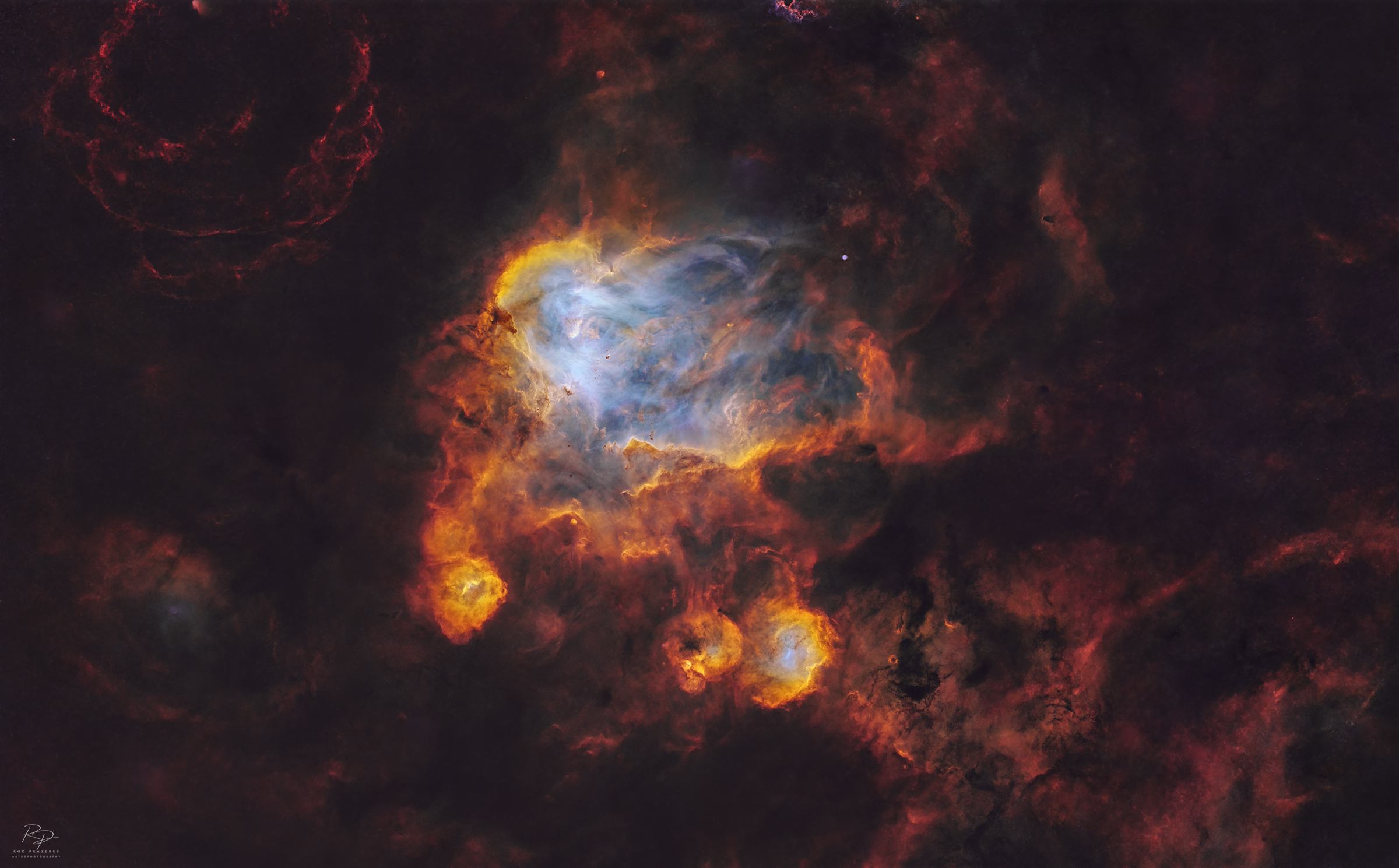
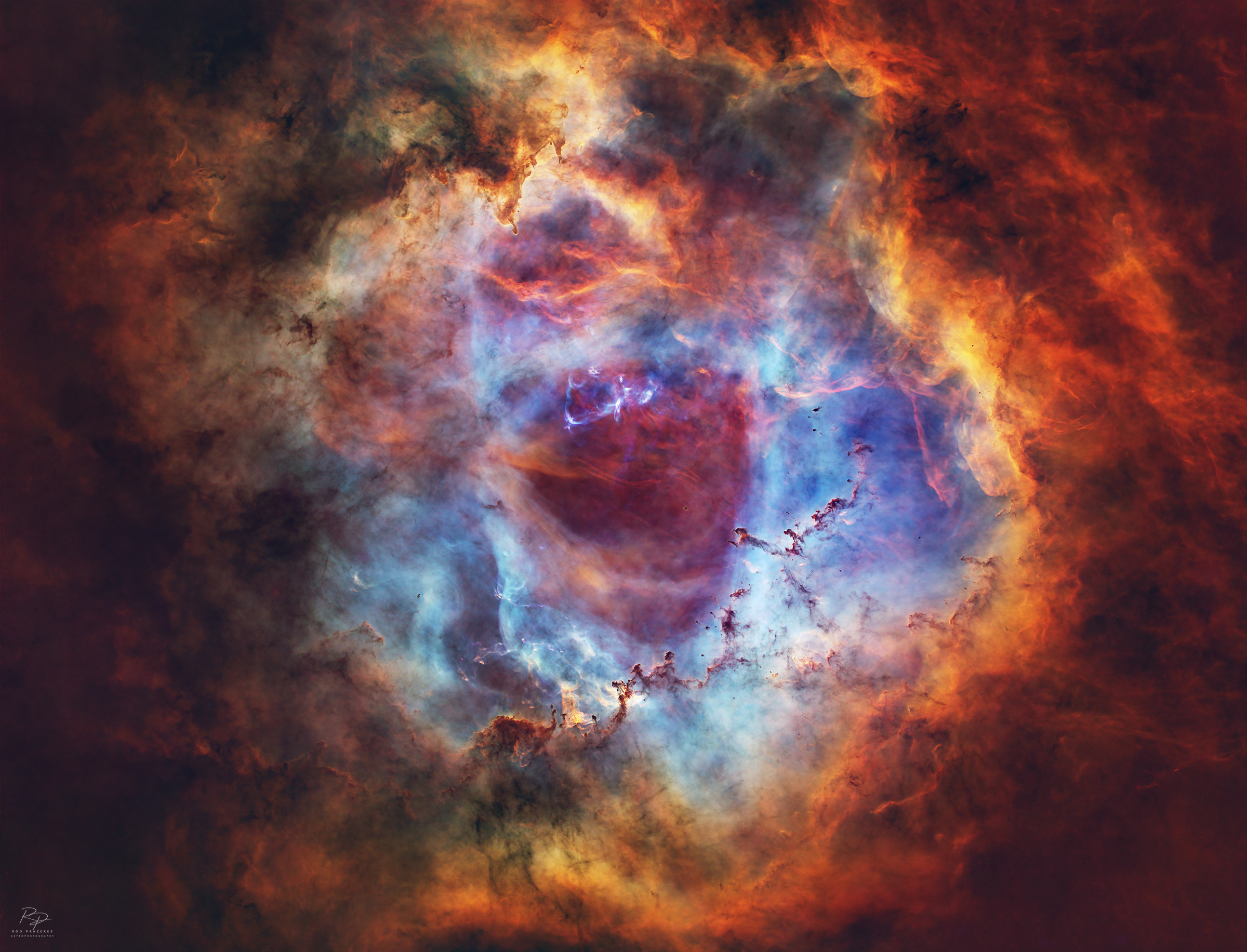
If you plan to see Project Hail Mary this weekend, make sure to stick around for the end credits. Scrolling alongside the names of the cast and crew is Brisbane-based astrophotographer Rod Prazeres, whose deep-sky imagery provides the backdrop for the film’s closing sequence. The production team opted for authentic astronomical data over CGI, featuring his captures of real nebulae structures. Prazeres delivered starless versions of his work, allowing the studio to roll the credits clearly over the vibrant celestial colors. Take a look at some of the stunning images featured in the film and read our conversation with Prazeres about his work appearing on the big screen.
RELATED: Andy Weir on the science of ‘Project Hail Mary’
Astronomy: How did it feel to receive that initial message, and — if you haven’t seen a pre-screening already — what are you most looking forward to when the credits roll?
Prazeres: My first reaction was honestly skepticism. I remember thinking, surely this can’t be real. But once the conversation started, it felt very real very quickly, and then it became incredibly exciting. As an astrophotographer, you never really expect your work might end up in a major science fiction film, so it felt surreal and a real honour.
I’ve since seen the film at an advance screening in Brisbane, and seeing my work on a giant cinema screen was a very special moment. Until then, I had never seen my images any bigger than a print on a wall, so seeing them that large and watching the detail hold up so well was amazing. Having my family there with me made it even more memorable.
Astronomy: Why do you think it is important for a major science fiction production to use real astronomical data rather than generating images with CGI or AI?
Prazeres: I think it matters because the universe is already more extraordinary than anything we could invent. There is something powerful about knowing the audience is looking at real structures in space, captured from real astronomical data over many hours, rather than something generated just to look convincing.
That does not mean there is no processing involved. Astrophotography absolutely relies on careful calibration, stacking, and image processing, but that is very different from inventing a scene from scratch. For me, the important thing is that the underlying data is real. The image is shaped and refined, but it is still grounded in actual photons collected from real objects in space.
Astronomy: Were these images from your existing portfolio or captured specifically for the film, and did the studio request specific color palettes to match the movie’s aesthetic?
Prazeres: The material came from my existing body of work rather than being captured as a one-off project specifically for the film. The main request was for starless versions that could work cleanly behind the end credits.
There was no rigid colour brief in the sense of being asked to match one exact palette. It was more about selecting and preparing imagery that would sit well in that cinematic context while remaining true to the original data.
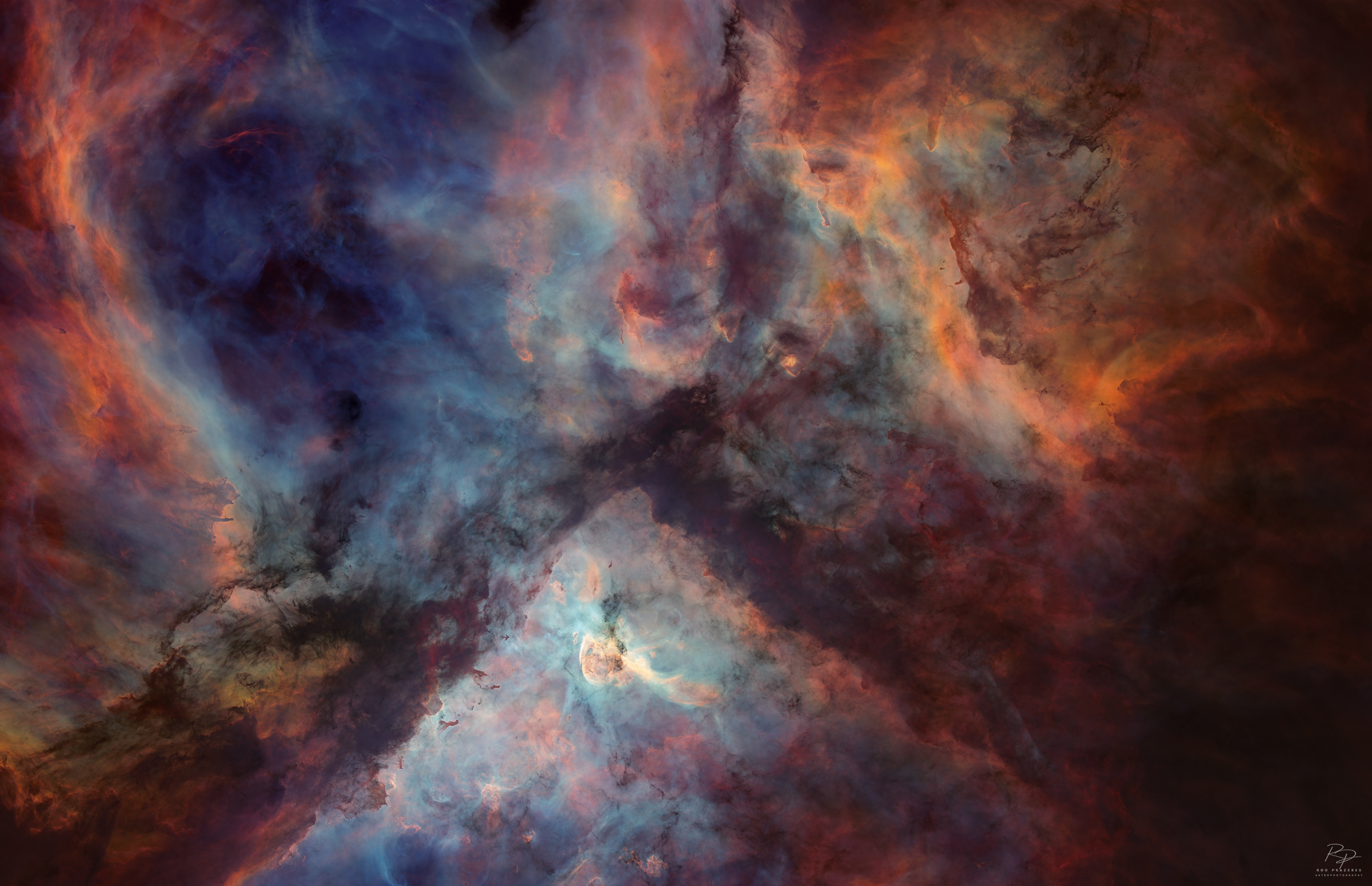
Astronomy: What specific telescope and camera setup did you use to capture these images?
Prazeres: A lot of my astrophotography has been captured using two main setups: a William Optics RedCat 51 II and an Askar 130PHQ, both paired with a ZWO ASI2600MM Pro camera, typically on a Sky Watcher NEQ6 Pro mount, along with narrowband and RGB filters depending on the target. Those setups have been central to my work because they let me capture anything from wide-field nebula scenes to more detailed deep sky compositions, while still maintaining the image quality needed for large-scale presentation.
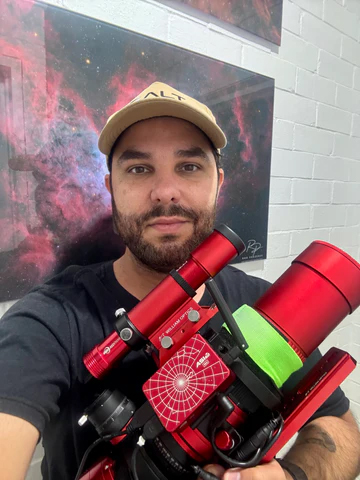
Astronomy: Since the studio needed “starless” backgrounds for the credits, what was your technical process for removing stars while keeping the underlying data intact?
Prazeres: My process was to work from the real astrophotography data during processing, where separating the stars from the underlying nebula or dust is already part of my normal workflow. I created a starless version using dedicated astrophotography software (StarXTerminator), refined it manually to preserve the natural structure and detail, and then normally the stars would be added back at the final stage. For the film, the starless version itself was what was needed.
RELATED: How to remove stars from images with AI tools
The goal was never to repaint or invent anything. It was simply to separate the stars from the underlying signal in a clean way, while preserving the original structure, gradients, and detail that were already present in the data.
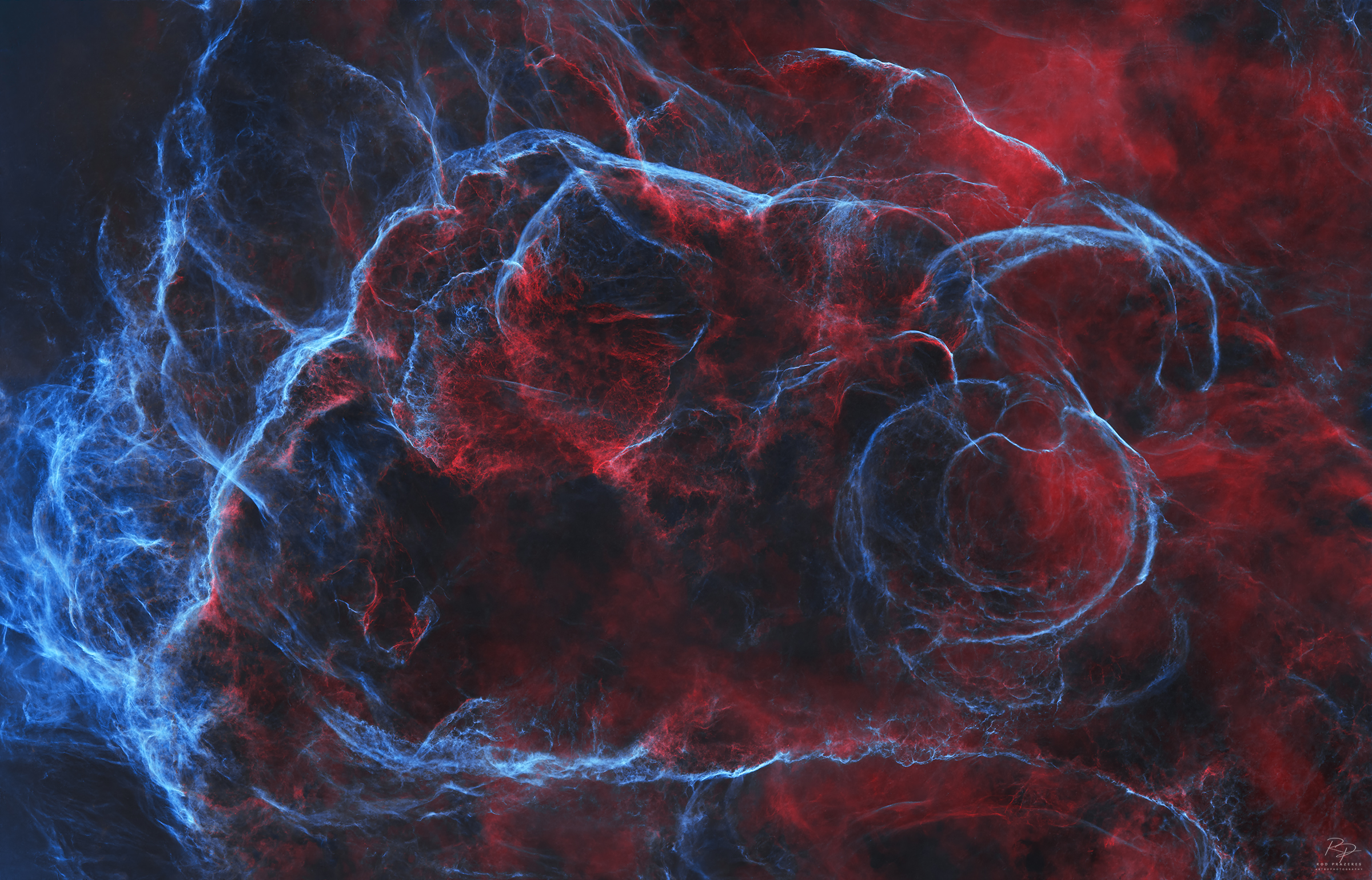
Astronomy: You mentioned that your astrophotography journey started in your Bortle 6 backyard in Brisbane. Were these images captured from that same location or a darker, remote site?
Prazeres: A lot of the work that built this opportunity came from suburban Brisbane, which is one of the things I love most about the story. It still amazes me that you can capture deep sky objects in meaningful detail from a Bortle 6 backyard, bright suburban skies, with enough patience, planning, and processing.
That said, darker skies always help, and I have also been expanding into remote imaging. But the suburban backyard is absolutely where this journey began, and it remains a big part of who I am as an astrophotographer.
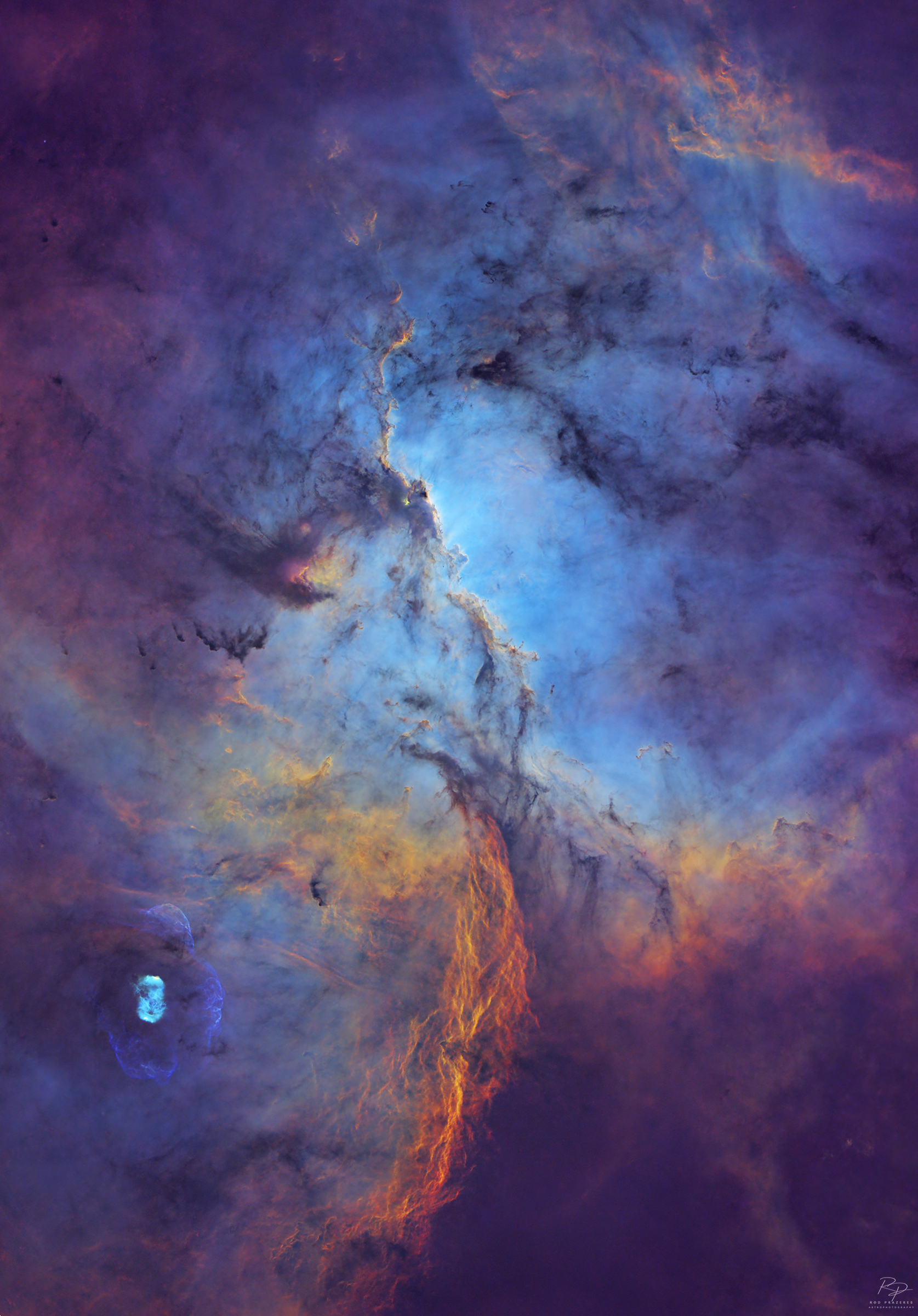
Astronomy: Now that your work has been featured in a major motion picture, what’s next? What are you working on?
Prazeres: Right now, I’m excited to keep pushing the quality of the work and seeing where it can go next. I have recently sent my main astrophotography rig to a remote observatory in Victoria, which gives me access to darker skies and the ability to capture cleaner, deeper data remotely using my own equipment.
So the next chapter is really about building on what started in my backyard and taking it further: creating better work, exploring new targets, and hopefully continuing to share the beauty of deep sky objects with a wider audience. If any opportunities arise from that, then that’s just the cherry on top.