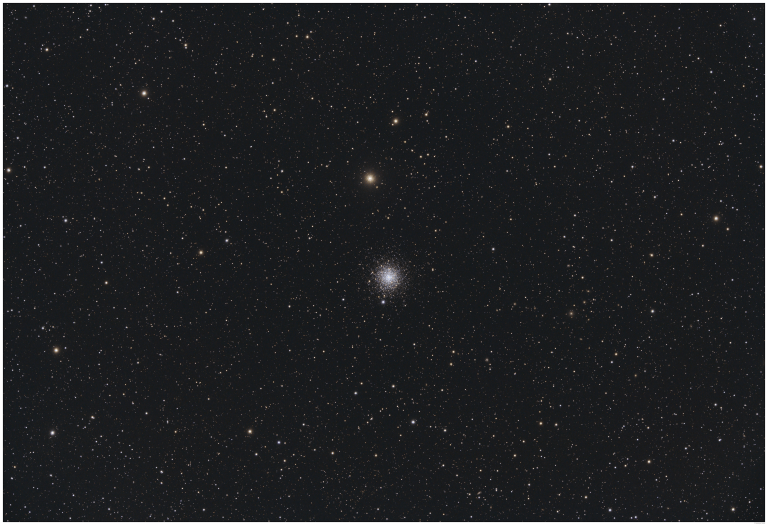
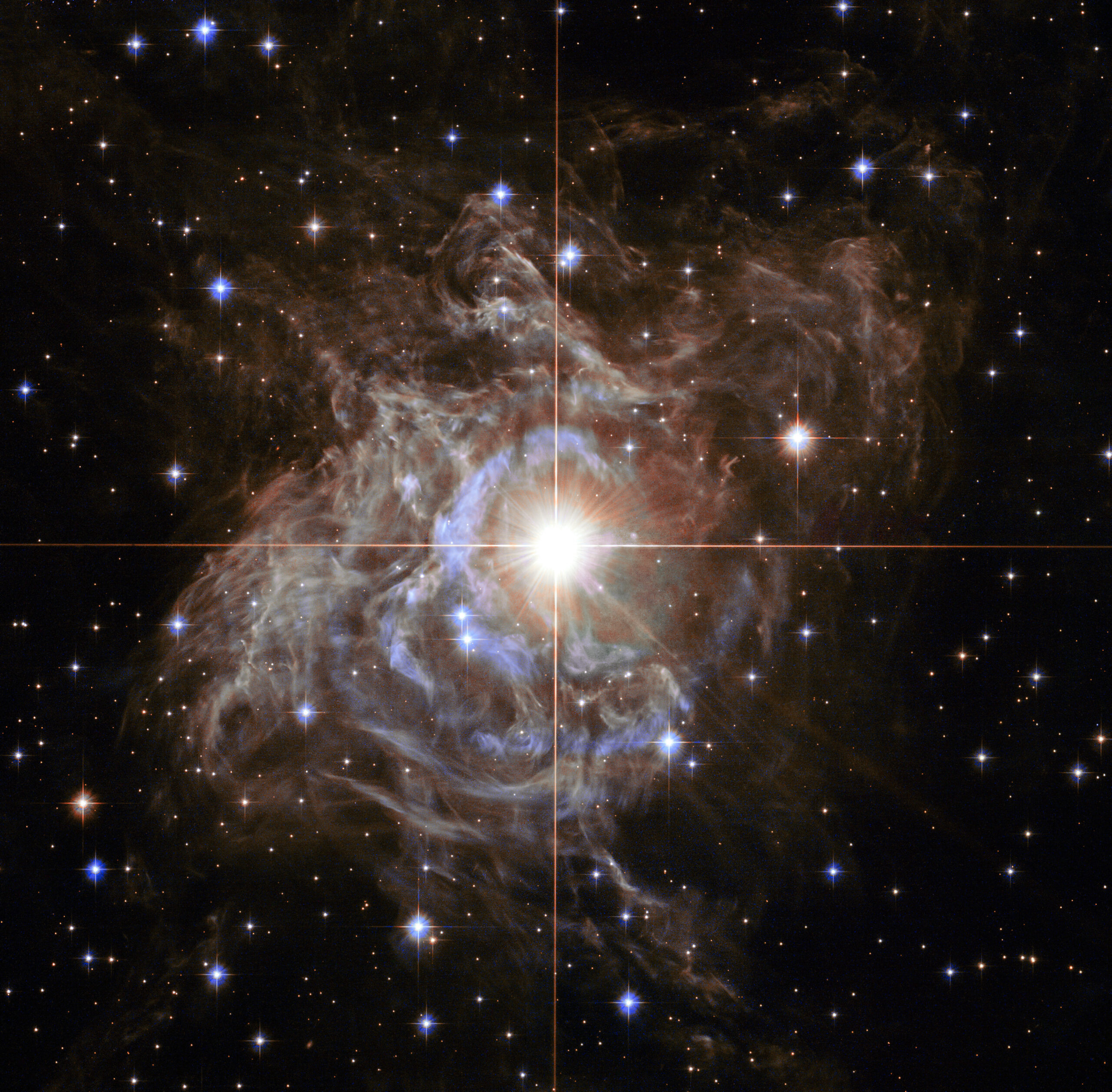
As an astrophotographer, you might feel that you will eventually run out of targets. I disagree — amateurs are discovering new targets all the time, and old targets can look brand new with better skills and different gear — but if you are looking for a fresh astronomical challenge, look no further than the American Association of Variable Star Observers (AAVSO). With equipment you already have, you can become a scientific observer, submitting data on variable stars, exoplanet transits, and even sunspots.
Despite the name, the AAVSO unites professional and amateur astronomers on an international level. While major observatories receive more proposals than they can possibly cover, amateur observers have many eyes on the sky all over the world at every hour. Through the AAVSO, thousands of observers around the globe contribute millions of observations to a database that is more than a century old, augmenting professional efforts with critical data for scientific research. For example, a citizen science observation campaign facilitated by the AAVSO gathered extensive data during the most recent eclipse of the star Epsilon (ε) Aurigae from 2009 to 2011 to better understand this strange multiple-star system.
Monitoring variable stars lets us delve into the physics behind these universal building blocks. Stars change brightness for many reasons: Some are eruptive recurring novae, while others pulsate regularly over periods of seconds to years. By observing these changes, we can learn about the interiors of stars and how they evolve, how galaxies and black holes form, and more. And because many stars are in multistar systems, like Epsilon Aur, studying these offers further clues about star birth and evolution.
I observe more than a dozen variable stars on a regular basis, including the much-anticipated recurring nova T Coronae Borealis (T CrB); the mysterious Tabby’s Star (KIC 8462852), which attracted attention in 2017 with unusual dimming behavior; and the erratic symbiotic binary CH Cygni. The AAVSO also runs observing campaigns, usually at the request of professional astronomers, on particular stars or classes of stars of interest. Observations are often done in concert with Hubble Space Telescope, the James Webb Space Telescope, and the Chandra X-ray Observatory. You can also learn to observe exoplanet transits, following up on the thousands of candidates from the Transiting Exoplanet Survey Satellite and Kepler space telescope.

Anyone can contribute
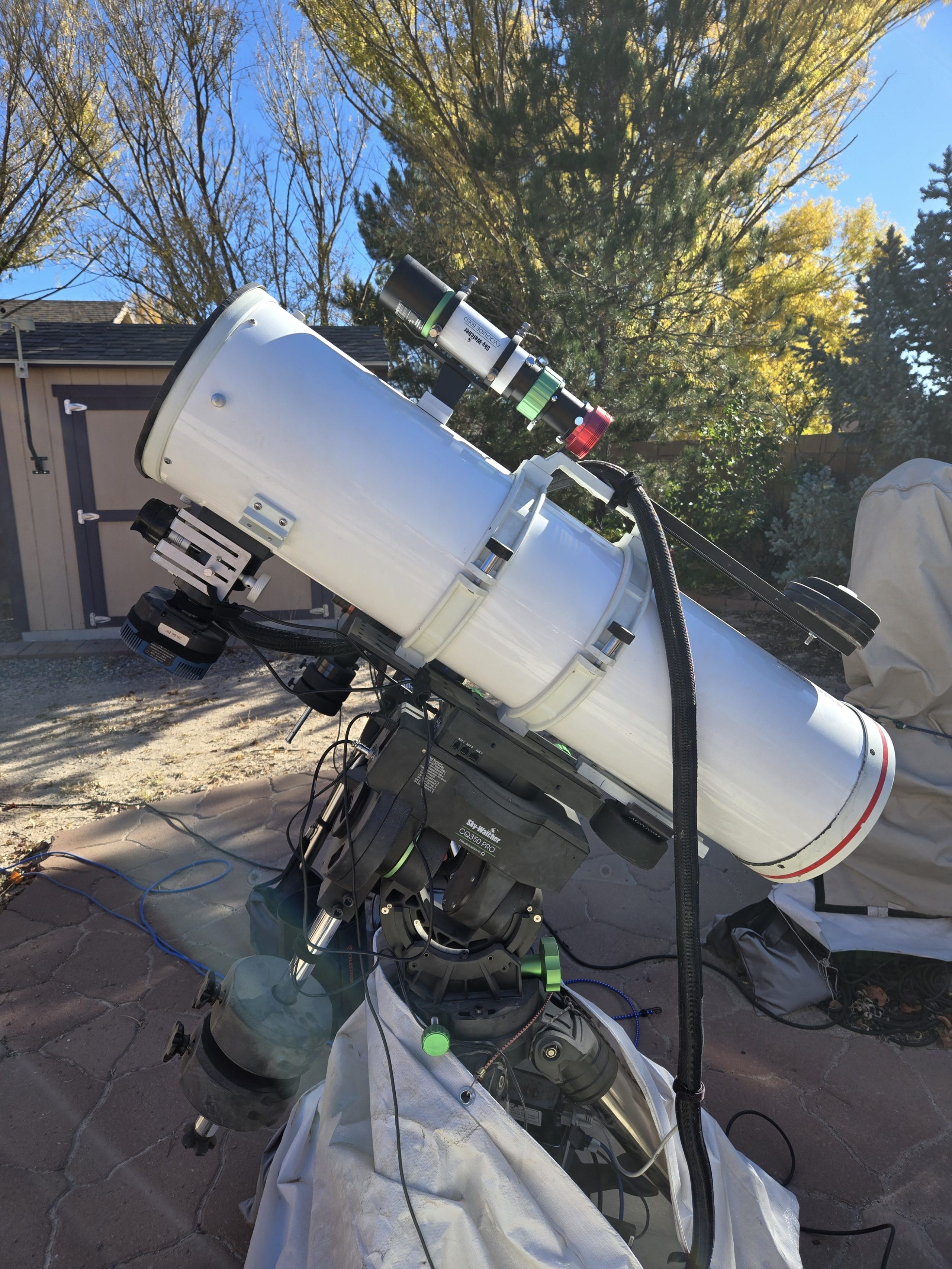
You don’t need a giant telescope or an exquisite camera to participate. Pretty much any telescope and camera you already have will work, even color cameras and DSLRs. I use a modest 8-inch f/5 Newtonian telescope with an old KAF-8300-chip CCD camera from my light-polluted backyard to monitor dozens of variable stars.
To do so, I take frames with 1- to 5-minute exposure times (depending on the star’s magnitude), calibrate them with flats and darks, and align them. Then I use the AAVSO’s online software VPhot, which is free for members, to perform the photometry (brightness) calculations. It spits out a text file that I upload and quality check against other observations using the submission tool. That’s it! You don’t need perfect focus, ideal seeing, flawless tracking, or the lowest-noise camera to contribute meaningful data. I use a monochrome camera with photometric filters, but the green channel from one-shot color cameras also provides useful information to researchers. You can even use smart scopes like the ZWO Seestar and Unistellar eVscope. The AAVSO is working with several smart telescope companies to make the process of variable star observing even easier.
Ready to get involved? Check out the AAVSO’s website, www.aavso.org, to learn how to observe. There are manuals, videos, online courses, and a mentorship program.
Turn your astrophotography into impactful science!
Molly Wakeling is an avid astrophotographer active in STEM outreach. She has a Ph.D. in nuclear engineering.
Browse the Observing basics archive at www.Astronomy.com/author/molly-wakeling