From the March 2011 issue

Why are all planetary systems and most galaxies disk-shaped?

Jaison Solomon, Trivandrum, India
By | Published: March 28, 2011 | Last updated on May 18, 2023

Gemini Sparkle

Key Takeaways:

  • The article identifies NGC 3982 as a face-on spiral galaxy, with observation credits to NASA/ESA/the Hubble Heritage Team.
  • It posits that the force of gravity is responsible for the spherical morphology of certain celestial bodies, exemplified by the Sun.
  • Furthermore, the combined effect of an object's spin and gravitational forces results in the formation of a rotating disk.
  • This resultant rotating disk is characterized by a vertical thickness significantly smaller than its radial dimension.
NGC3982
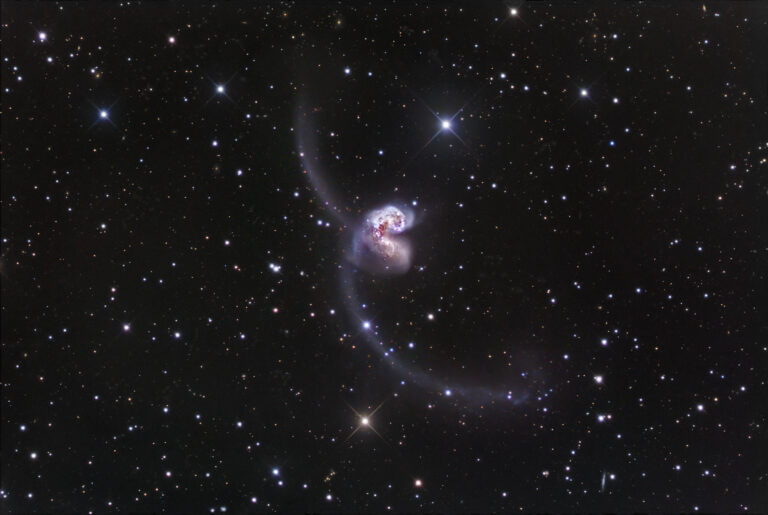
Face-on spiral galaxy NGC 3982. NASA/ESA/the Hubble Heritage Team (STScI/AURA)

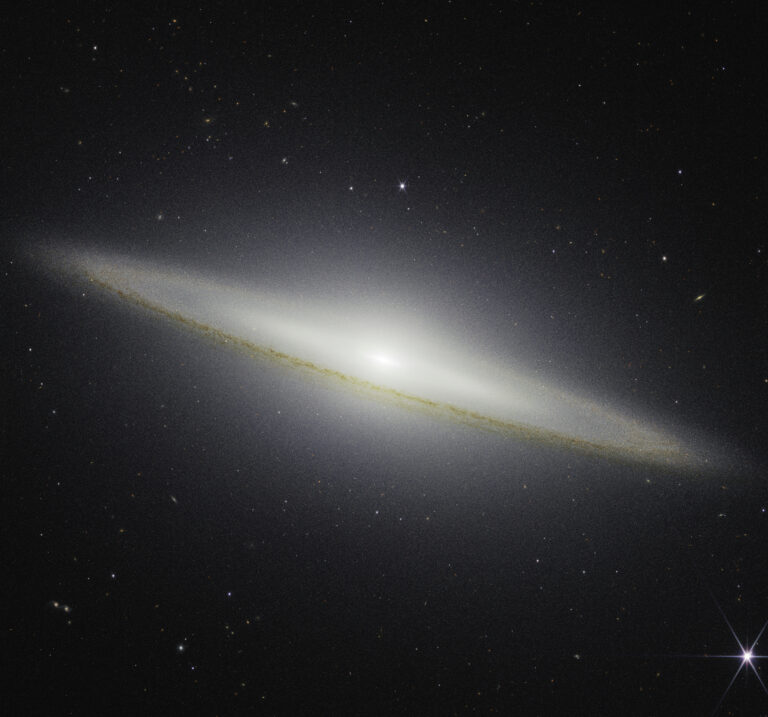
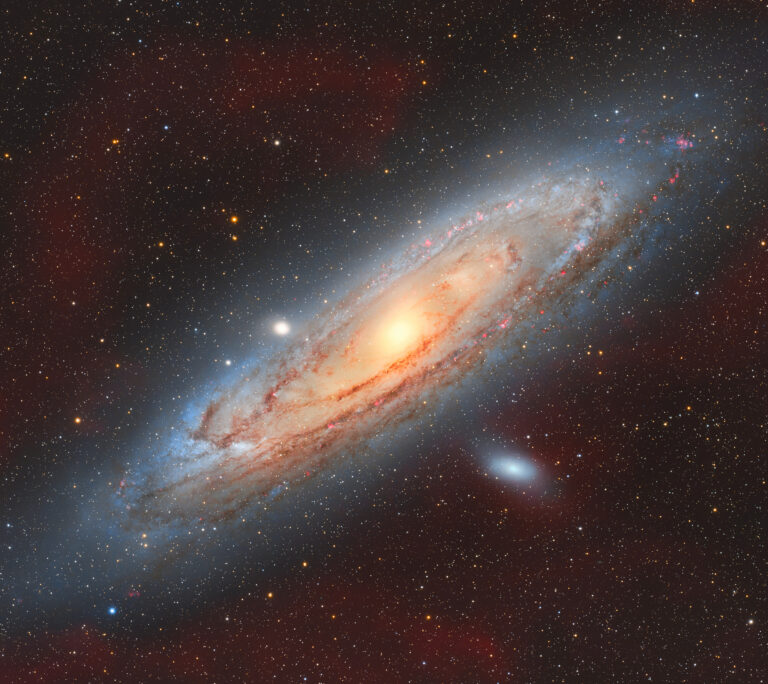
The force of gravity makes some objects, such as the Sun, spherical. Spin plus gravity equals a rotating disk with a vertical thickness much less than its radius.