Looking for a sky event this week? Check out our full Sky This Week column.
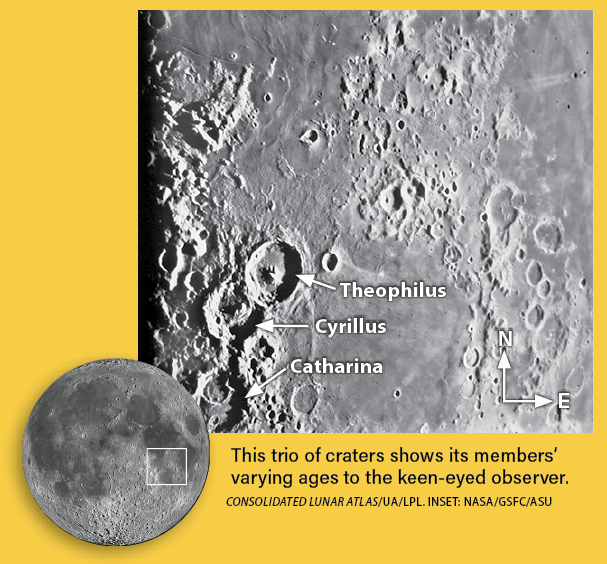
February 22: Track three craters on the Moon
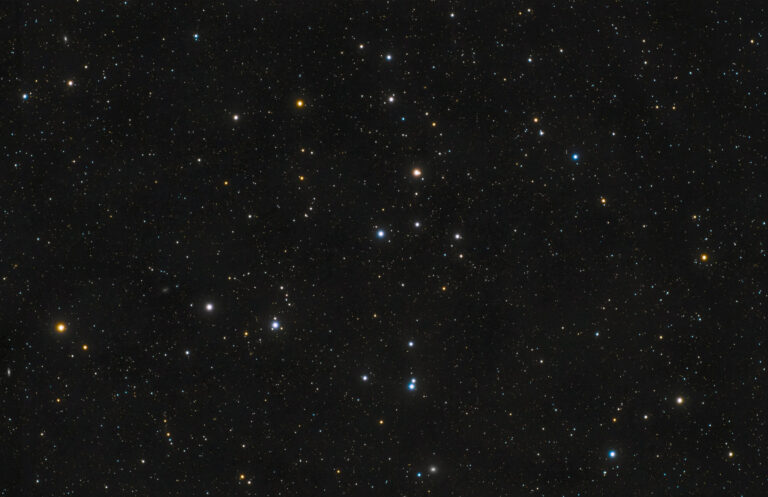
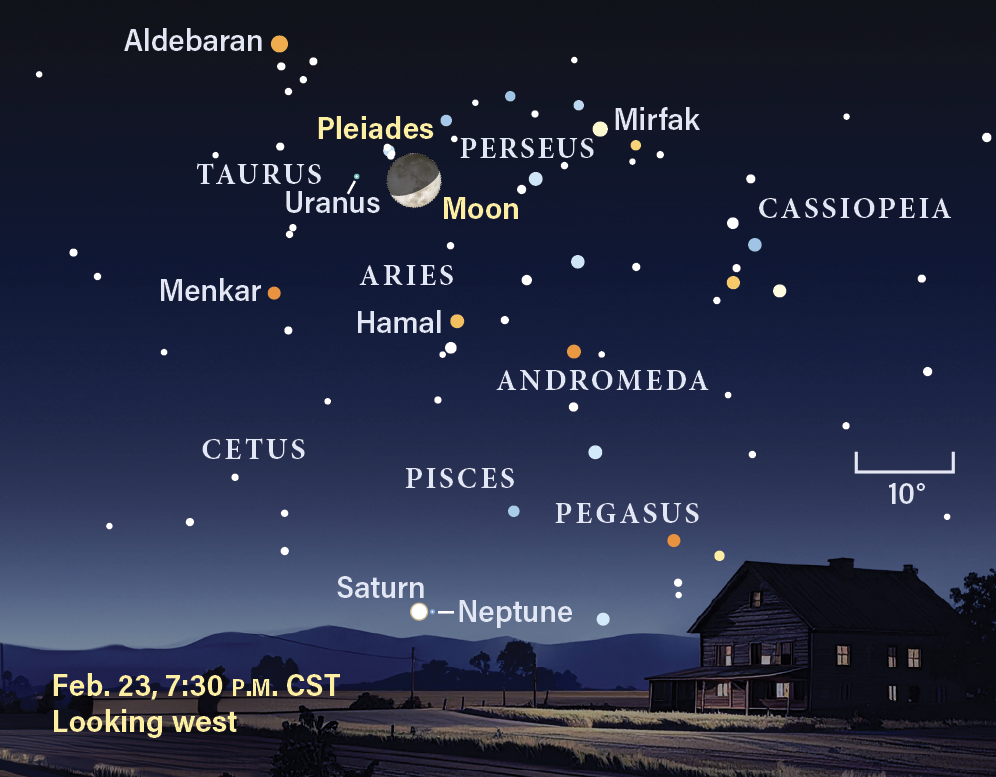
Uranus, the seventh planet from the Sun, is currently in Taurus, located roughly 5° south-southwest of the Pleiades star cluster (M45). Glowing at magnitude 5.8, the ice giant requires binoculars or a telescope to spot.
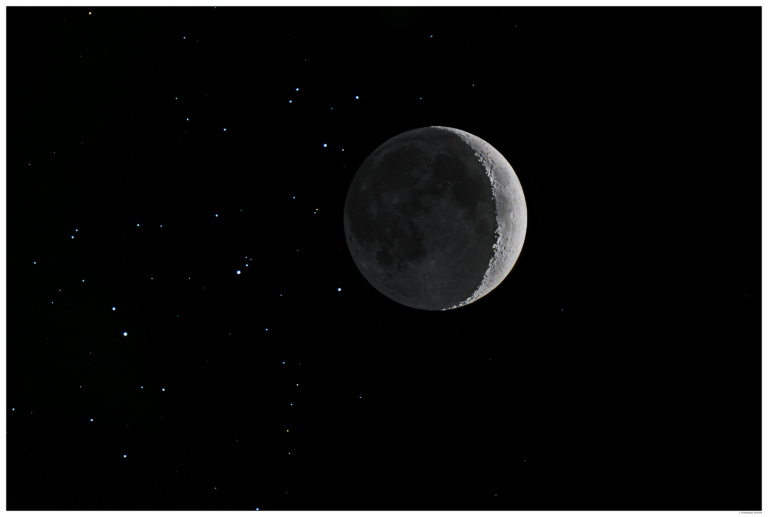
The Moon passes 6° north of Uranus at 8 P.M. EST; around the same time, our satellite grazes the stars of the Pleiades, passing just north of the main cluster. For about four hours, from 9 P.M. to 1 A.M. EST (moonset along the East Coast), the Moon is quite close to the Pleiades’ stars, occulting some of the fainter members in the group’s northern reaches during this timeframe. If you focus on the Moon’s leading (dark) edge with binoculars or a telescope and watch closely, you may be able to see some of the cluster’s stars wink out as they are covered by our satellite. Their reappearance at the brighter, illuminated trailing limb will be much harder to catch.
Which stars disappear and the time of their disappearance depends heavily on your location — for example, 6th-magnitude 18 Tauri will disappear around 9:15 P.M. CST from Springfield, Illinois. The International Occultation Timing Association has more details on this and other upcoming occultations, or you can chart the event from your specific location using your favorite planetarium program.
Sunrise: 6:42 A.M.
Sunset: 5:46 P.M.
Moonrise: 9:40 A.M.
Moonset: 12:01 A.M.
Moon Phase: Waxing crescent (46%)
*Times for sunrise, sunset, moonrise, and moonset are given in local time from 40° N 90° W. The Moon’s illumination is given at 10 P.M. local time from the same location.