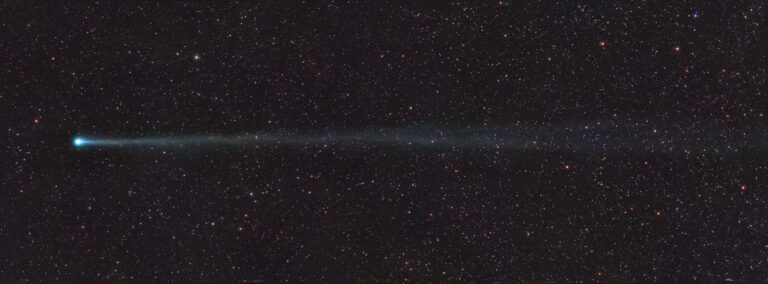
French astronomer Charles Messier did not intend to be remembered for his discoveries of galaxies, nebulae, and stars clusters when he looked to the sky in the 1750s. Dubbed the “Ferret of Comets” by French King Louis XV after Messier’s acceptance into the French Academy of Sciences in 1770, he discovered 13 comets and observed many more, expecting to be remembered for his comet work.
One night while searching the sky to recover Halley’s Comet on its predicted return in 1758, he came across a fuzzy patch of light in Taurus. He determined through subsequent observations that it was stationary, and thus not a comet. He recorded its position so as not to mistake it for a comet in the future. Messier 1 (M1) — later known as the Crab Nebula — thus began his list of “nuisance” objects to be avoided while comet hunting.
Related: An introduction to common astronomical catalogs
Messier’s catalog
Messier published the first edition of his catalog for other comet-hunters in the Journal of the French Academy of Sciences in 1774. It contained 45 objects, 17 of which were discovered by Messier and the remaining by others. By 1780, the total number reached 80, and finally 103 when it was published in the annual Connaissance des temps (Knowledge of the Times) in 1781. He primarily observed all of these with a 100mm (4-inch) refractor from the Hôtel de Cluny (now the Musée national du Moyen Âge) in downtown Paris, which of course had darker skies in the 18th century. After 1921, six more objects were added by astronomers who scoured Messier’s notes, rounding out the Messier catalog at 109 deep-sky objects.
Today, Messier’s catalog is a great place for beginning astronomers to learn the art of observing because it contains some of the brightest and most beautiful objects in the sky. Most of these are also visible through modest telescopes, and many are discernible through binoculars.
One important fact about the Messier objects is that they’re not evenly distributed across the sky. There is a lack of objects between right ascensions 21h40m to 23h20m; therefore, it is possible, from some northern latitudes, to observe all 109 objects in a single night for a few-week period between mid-March and early April. Although ideal from 25° north, it is possible to catch the whole catalog between about 3° and 42° north. For 2026, the best weekend night is March 21, which is nearest to the New Moon on March 18.
The Messier marathon was created by several amateur astronomers around the same time in the 1970s, including Tom Hoffelder, Tom Reiland, and Don Machholz. Now many astronomy clubs hold annual events for those who are willing to stay up all night. Are you ready to take the challenge?
Running the marathon
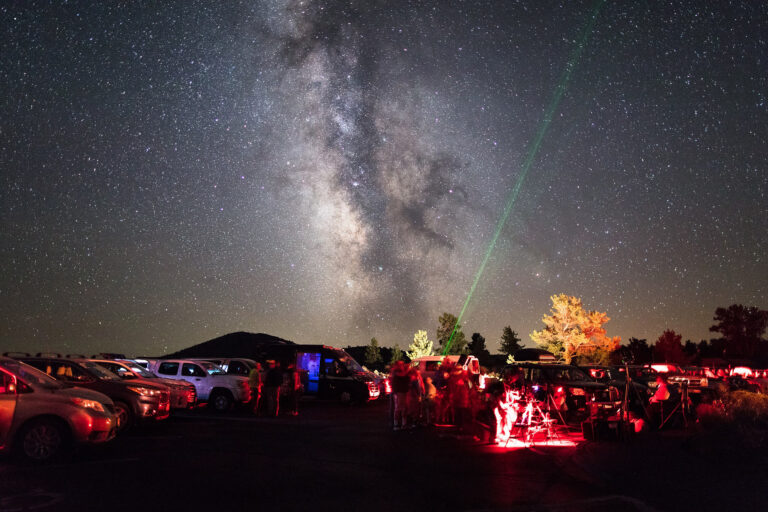
To have the best chance of success, some preparations are necessary. Scout a site that has a good eastern and western horizon. Arrive early so you’re ready to roll during astronomical twilight. You’ll need to hunt for some of the targets before it’s fully dark.
Make a plan. You’ll need to observe several of the targets quickly, so know where to point your scope next by having a checklist. You’ll want at least a 4-inch telescope, but the bigger, the better. And don’t forget important support equipment, such as dew zappers, Telrads, red lights, chairs, tables, and extra batteries.
To catch the first objects before they set, you may need to search in twilight, depending on your latitude. The galaxies M77 and M74 in particular will be difficult. View the first 10 quickly, and then you can slow your pace. But not too much. Use that energy so you have some extra time to tackle the dense Virgo Cluster later. I recommend taking a 15- to 30-minute break before visiting these galaxies. Have a snack, rest your feet, and prepare for the next sprint.
After winding through the Virgo Cluster, continue down the list at a more leisurely pace until you hit the horizon. Then you can take another break until the Milky Way is higher in the sky. You even have a couple hours to take a nap. But be sure to set an alarm!
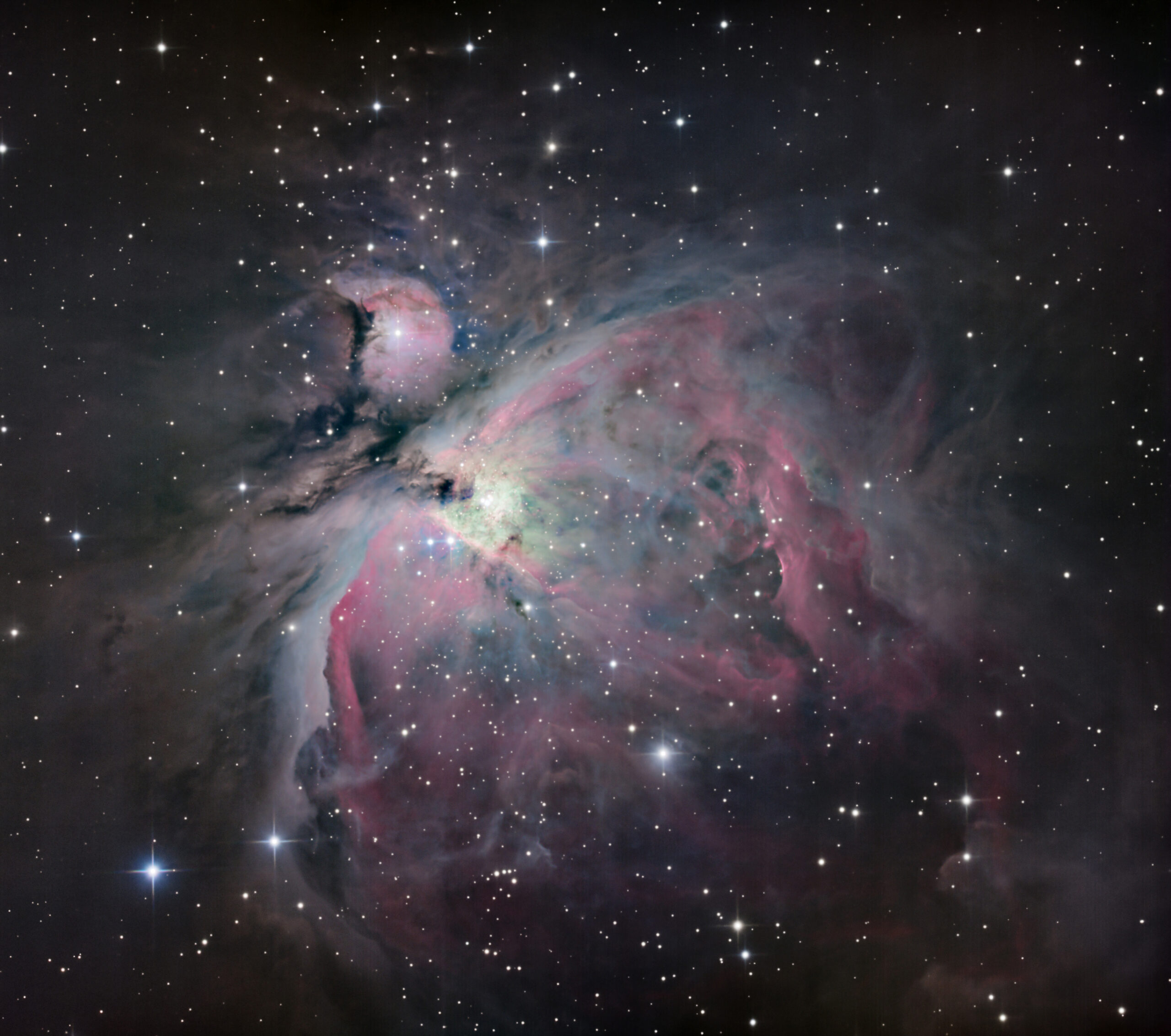
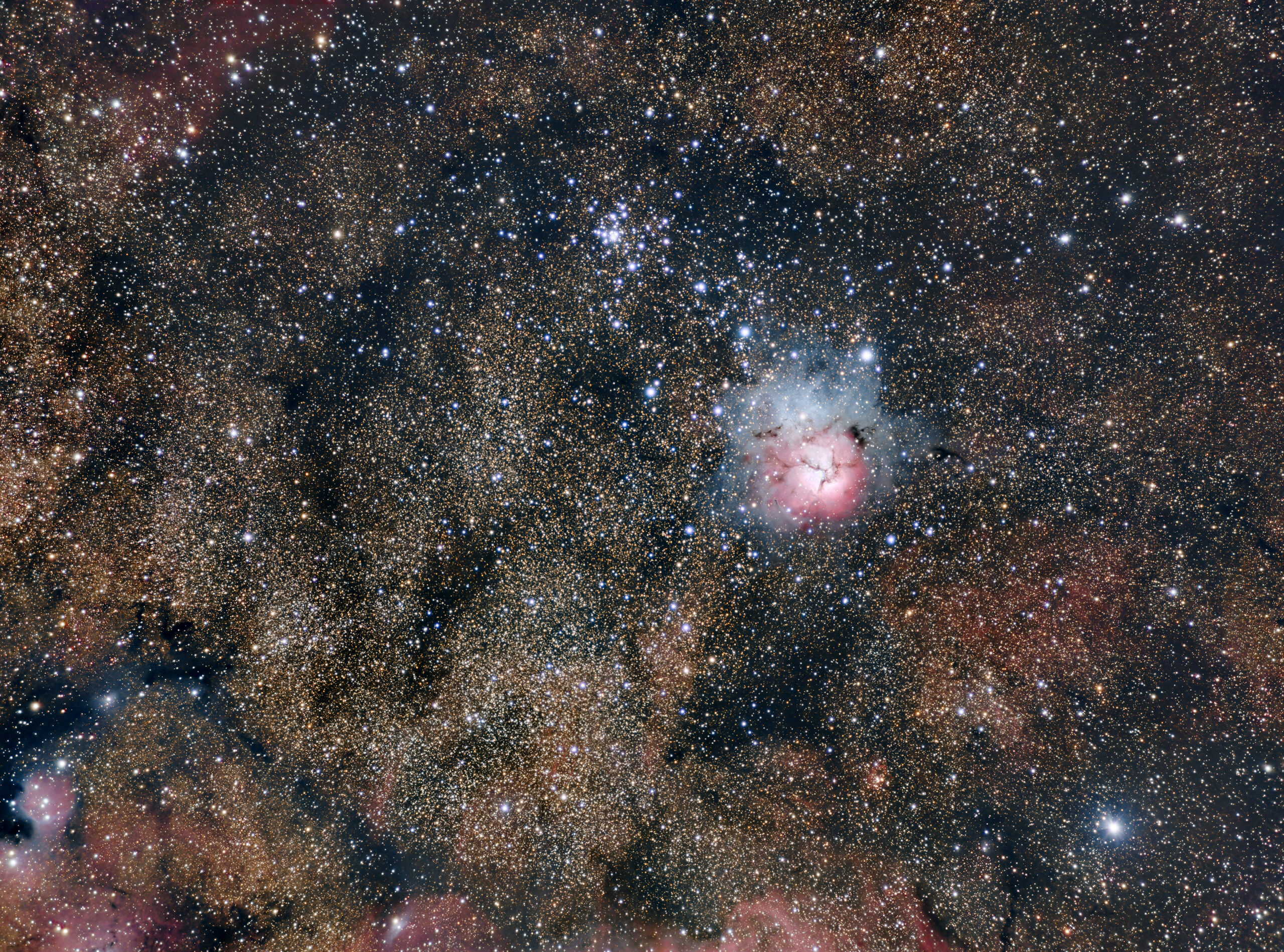
In the wee hours, enjoy the 15 objects in Sagittarius, including the Lagoon Nebula (M8) and the Trifid Nebula (M20). A nebula filter is nice, but you’re not doing detailed observing. Check them off your list and keep going.
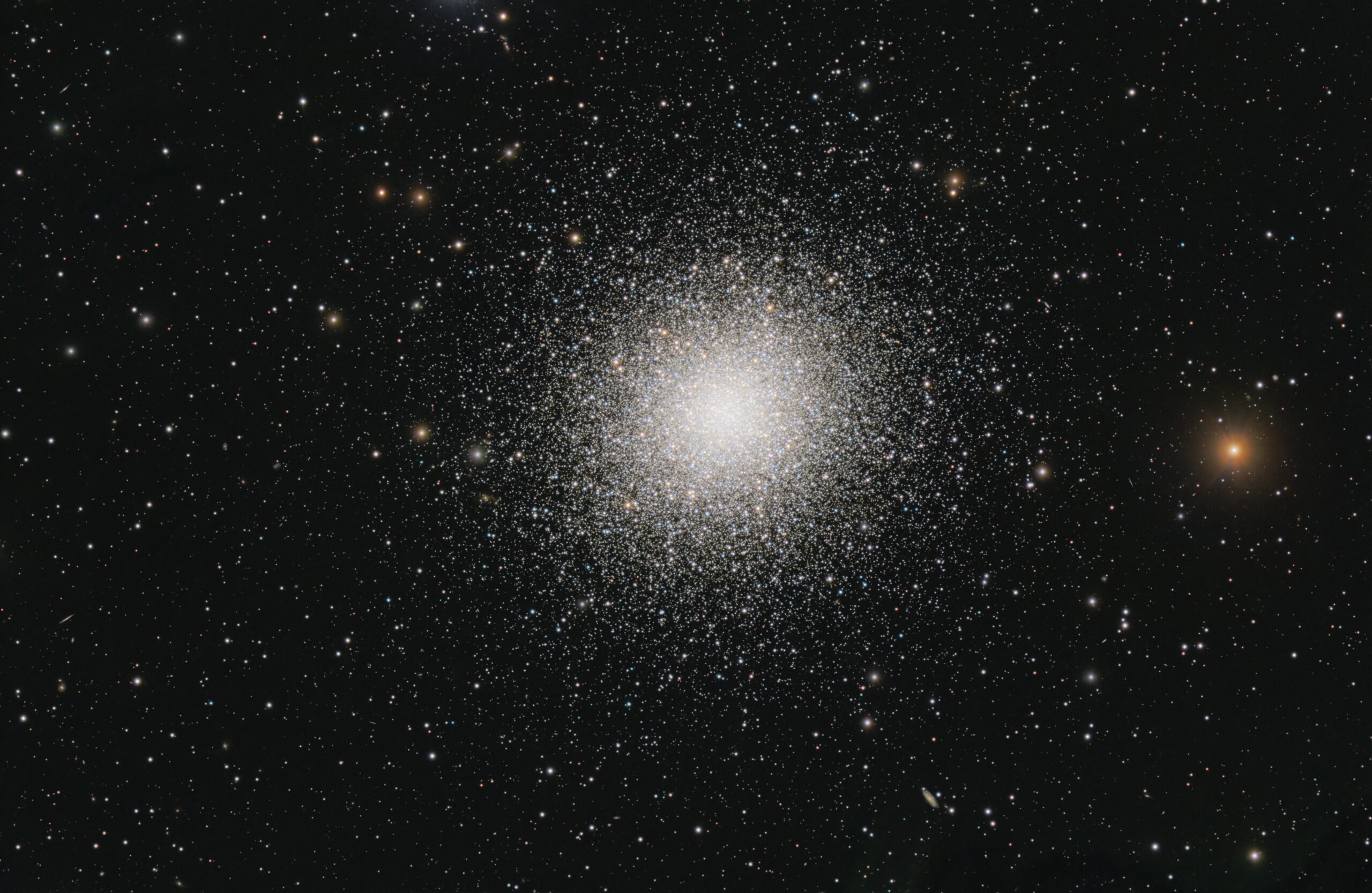
Gather your energy for the last stretch: You must catch the faint globular cluster M72, dim four-star asterism M73, and the just-rising globular cluster M30 as the Sun threatens to hide them. You may want to do a dry run before the night of the marathon on the twilight objects and the winding path through the Virgo Cluster to have the best chance of success on the actual night.
The most important part of a Messier marathon is to have fun. Even if you don’t sweep up all 109 objects, you’ll have improved your observing skills, and you’ll have a night to remember.

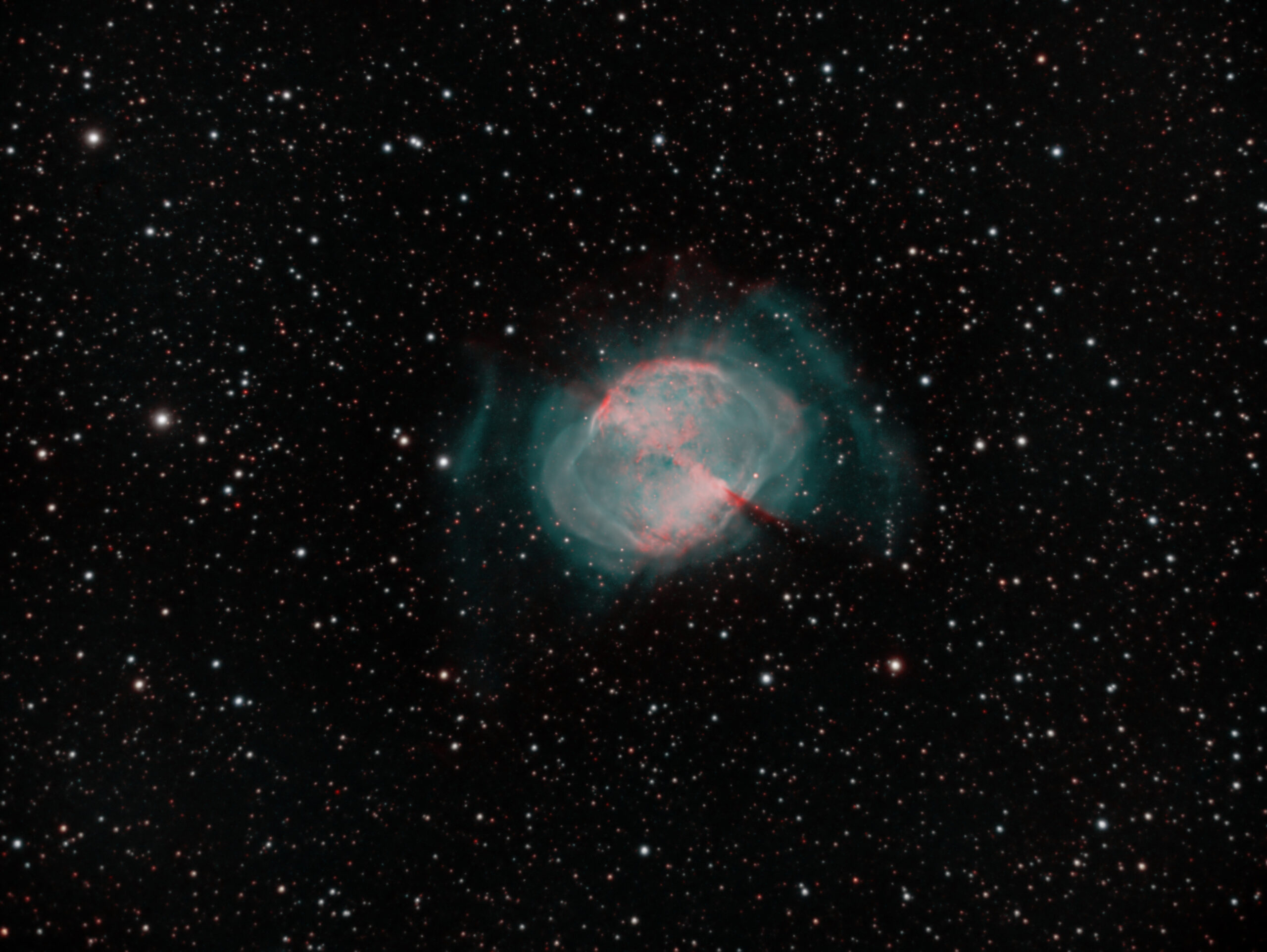
What about M102?
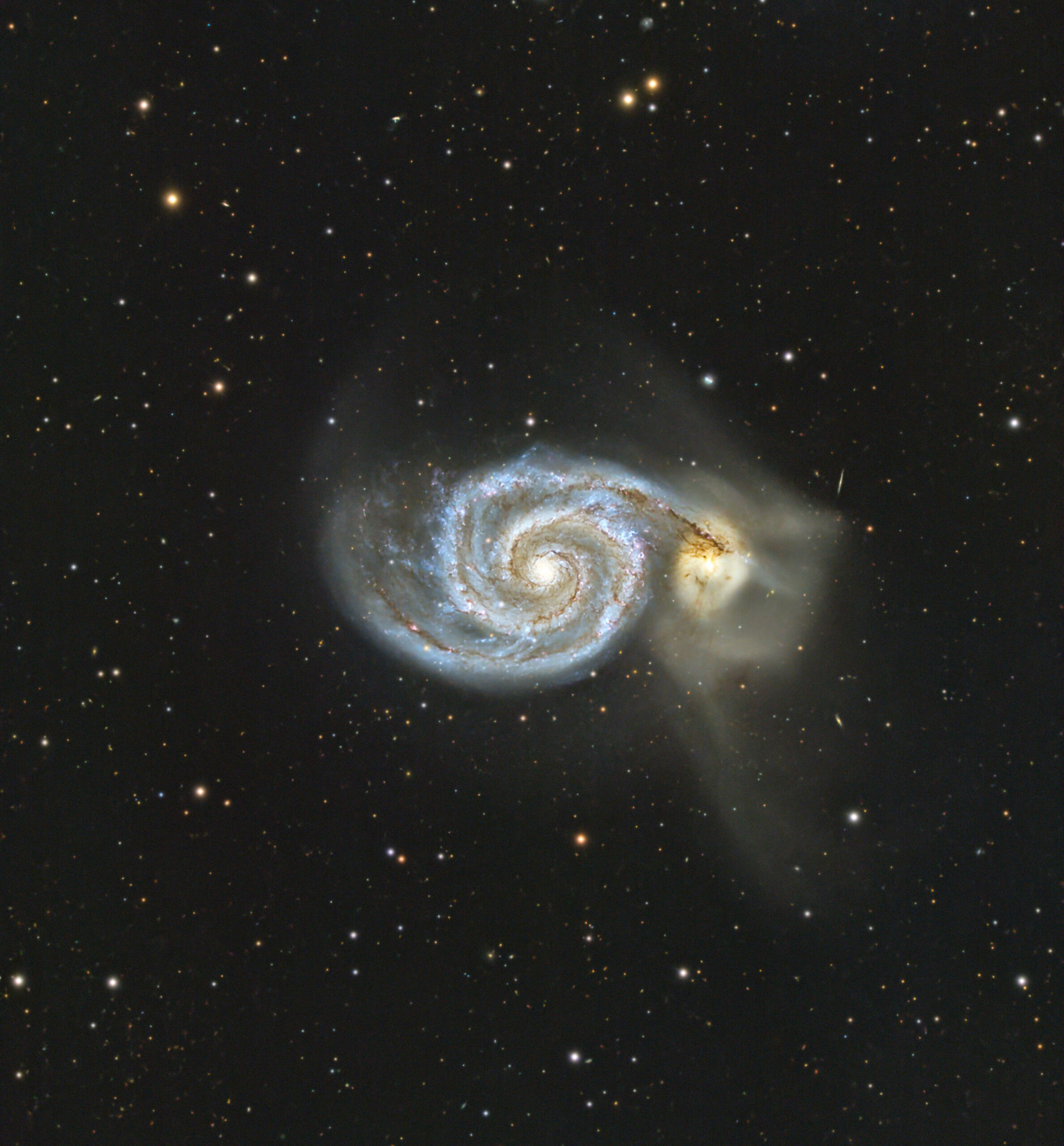
You may have heard about the controversy over M102. In 1781, Messier’s friend and assistant Pierre Méchain discovered it but later believed that M102 had been a reobservation of M101, so he retracted it from the published list. However, there is historical evidence that the Spindle Galaxy (NGC 5866) is what he observed. For what it’s worth, the Hubble Space Telescope’s Messier catalog images include the Spindle Galaxy as M102.
An imaging marathon?
With the ever-growing popularity of astroimaging, a photographic Messier marathon is possible. I attempted one in 2021, where 100 of the objects were visible from my San Francisco-area backyard. I managed to catch 66, but it took me a week and two telescopes to do it. Now that I’m more experienced, I plan on attempting it again this year.
Like a visual Messier marathon, some preparation is required. Make sure your mount is well aligned. If your alignment is good enough, you may be able to skip plate solving and centering the target, which will save a significant amount of time.
If you’re using sequencing software, make the sequence in advance and test it. You may want to rearrange some of the targets so you’re not bouncing back and forth across the meridian, depending on where you are in the list.
If you’re using a smart telescope, time how long it takes for it to find a target and start imaging so you can plan your night. It may well require more than one night to accomplish the whole list.
While some traditionalists may complain that part of the challenge of the Messier marathon is finding all the objects by hand, it’s a different challenge to image so many targets in one or a few nights. Both the visual and astrophotography marathons are difficult and exciting.
On your mark … get set …
Running the Messier marathon isn’t for the faint of heart — it’s a challenge of one’s stamina and observing skills. Whether you’re imaging with an automated rig, using a go-to mount, or star-hopping your way around the sky, the challenge is also the thrill.
If the skies clear around the New Moon in March and you’re ready to pull an epic all-nighter, get out there and rock the magnificent list of Charles Messier!
Target the Messier objects in this order
Planning to run this year’s Messier marathon? Your ideal order will differ with latitude, but this is a good place to start. Be sure to set up well before dark, and try to log the first few objects while there’s still some light in the sky.
| Messier number | Constellation | Type | Magnitude |
|---|---|---|---|
| M77 | Cetus | Gal | 8.9 |
| M74 | Pisces | Gal | 9.4 |
| M33 | Triangulum | Gal | 5.7 |
| M31 | Andromeda | Gal | 3.4 |
| M32 | Andromeda | Gal | 8.2 |
| M52 | Cassiopeia | OC | 6.9 |
| M103 | Cassiopeia | OC | 7.4 |
| M76 | Perseus | PN | 10.1 |
| M34 | Perseus | OC | 5.2 |
| M45 | Taurus | OC | 1.5 |
| M79 | Lepus | GC | 7.7 |
| M42 | Orion | Neb | 3.7 |
| M43 | Orion | Neb | 9.0 |
| M78 | Orion | Neb | 8.0 |
| M1 | Taurus | SNR | 8.0 |
| M35 | Gemini | OC | 5.1 |
| M37 | Auriga | OC | 5.6 |
| M36 | Auriga | OC | 6.0 |
| M38 | Auriga | OC | 6.4 |
| M41 | Canis Major | OC | 4.5 |
| M93 | Puppis | OC | 6.2 |
| M47 | Puppis | OC | 4.4 |
| M46 | Puppis | OC | 6.1 |
| M50 | Monoceros | OC | 5.9 |
| M48 | Hydra | OC | 5.8 |
| M44 | Cancer | OC | 3.1 |
| M67 | Cancer | OC | 6.0 |
| M95 | Leo | Gal | 9.7 |
| M96 | Leo | Gal | 9.2 |
| M105 | Leo | Gal | 9.3 | M65 | Leo | Gal | 9.3 | M66 | Leo | Gal | 8.9 | M81 | Ursa Major | Gal | 6.9 | M82 | Ursa Major | Gal | 8.4 | M97 | Ursa Major | PN | 9.9 | M108 | Ursa Major | Gal | 10.0 | M109 | Ursa Major | Gal | 9.8 | M40 | Ursa Major | DS | 9.6/10.0 | M106 | Canes Venatici | Gal | 8.4 | M94 | Canes Venatici | Gal | 8.2 | M63 | Canes Venatici | Gal | 8.6 | M51 | Canes Venatici | Gal | 8.4 | M101 | Ursa Major | Gal | 7.9 | M102 | Draco | Gal | 9.9 | M53 | Coma Berenices | GC | 7.7 | M64 | Coma Berenices | Gal | 8.5 | M3 | Canes Venatici | GC | 6.0 | M98 | Coma Berenices | Gal | 10.1 | M99 | Coma Berenices | Gal | 9.9 | M100 | Coma Berenices | Gal | 9.4 | M85 | Coma Berenices | Gal | 9.1 | M84 | Virgo | Gal | 9.1 | M86 | Virgo | Gal | 8.9 | M87 | Virgo | Gal | 8.6 | M89 | Virgo | Gal | 9.8 | M90 | Virgo | Gal | 9.5 | M88 | Coma Berenices | Gal | 9.6 | M91 | Coma Berenices | Gal | 10.2 | M58 | Virgo | Gal | 9.7 | M59 | Virgo | Gal | 9.6 | M60 | Virgo | Gal | 8.8 | M49 | Virgo | Gal | 8.4 | M61 | Virgo | Gal | 9.7 | M104 | Virgo | Gal | 8.0 | M68 | Hydra | GC | 8.0 | M83 | Hydra | Gal | 7.5 | M5 | Serpens | GC | 5.7 | M13 | Hercules | GC | 5.8 | M92 | Hercules | GC | 6.5 | M57 | Lyra | PN | 8.8 | M56 | Lyra | GC | 8.3 | M29 | Cygnus | OC | 6.6 | M39 | Cygnus | OC | 4.6 | M27 | Vulpecula | PN | 7.3 | M71 | Sagitta | GC | 8.0 | M107 | Ophiuchus | GC | 7.8 | M12 | Ophiuchus | GC | 6.7 | M10 | Ophiuchus | GC | 6.6 | M14 | Ophiuchus | GC | 7.6 | M9 | Ophiuchus | GC | 7.8 | M4 | Scorpius | GC | 5.4 | M80 | Scorpius | GC | 7.3 | M19 | Ophiuchus | GC | 6.8 | M62 | Ophiuchus | GC | 6.7 | M6 | Scorpius | OC | 4.2 | M7 | Scorpius | OC | 3.3 | M11 | Scutum | OC | 5.8 | M26 | Scutum | OC | 8.0 | M16 | Serpens | Neb | 6.0 | M17 | Sagittarius | Neb | 6.0 | M18 | Sagittarius | OC | 6.9 | M24 | Sagittarius | SC | 2.5 | M25 | Sagittarius | OC | 4.6 | M23 | Sagittarius | OC | 5.5 | M21 | Sagittarius | OC | 5.9 | M20 | Sagittarius | Neb | 6.3 | M8 | Sagittarius | Neb | 4.6 | M28 | Sagittarius | GC | 6.8 | M22 | Sagittarius | GC | 5.1 | M69 | Sagittarius | GC | 7.4 | M70 | Sagittarius | GC | 7.8 | M54 | Sagittarius | GC | 7.6 | M55 | Sagittarius | GC | 6.3 | M75 | Sagittarius | GC | 8.3 | M15 | Pegasus | GC | 6.3 | M2 | Aquarius | GC | 6.3 | M72 | Aquarius | GC | 9.3 | M73 | Aquarius | OC | 8.9 | M30 | Capricornus | GC | 7.3 |
KEY: DS = double star; GC = globular cluster; Gal = galaxy; Neb = nebula; SC = star cloud; OC = open cluster; PN = planetary nebula; SNR = supernova remnant