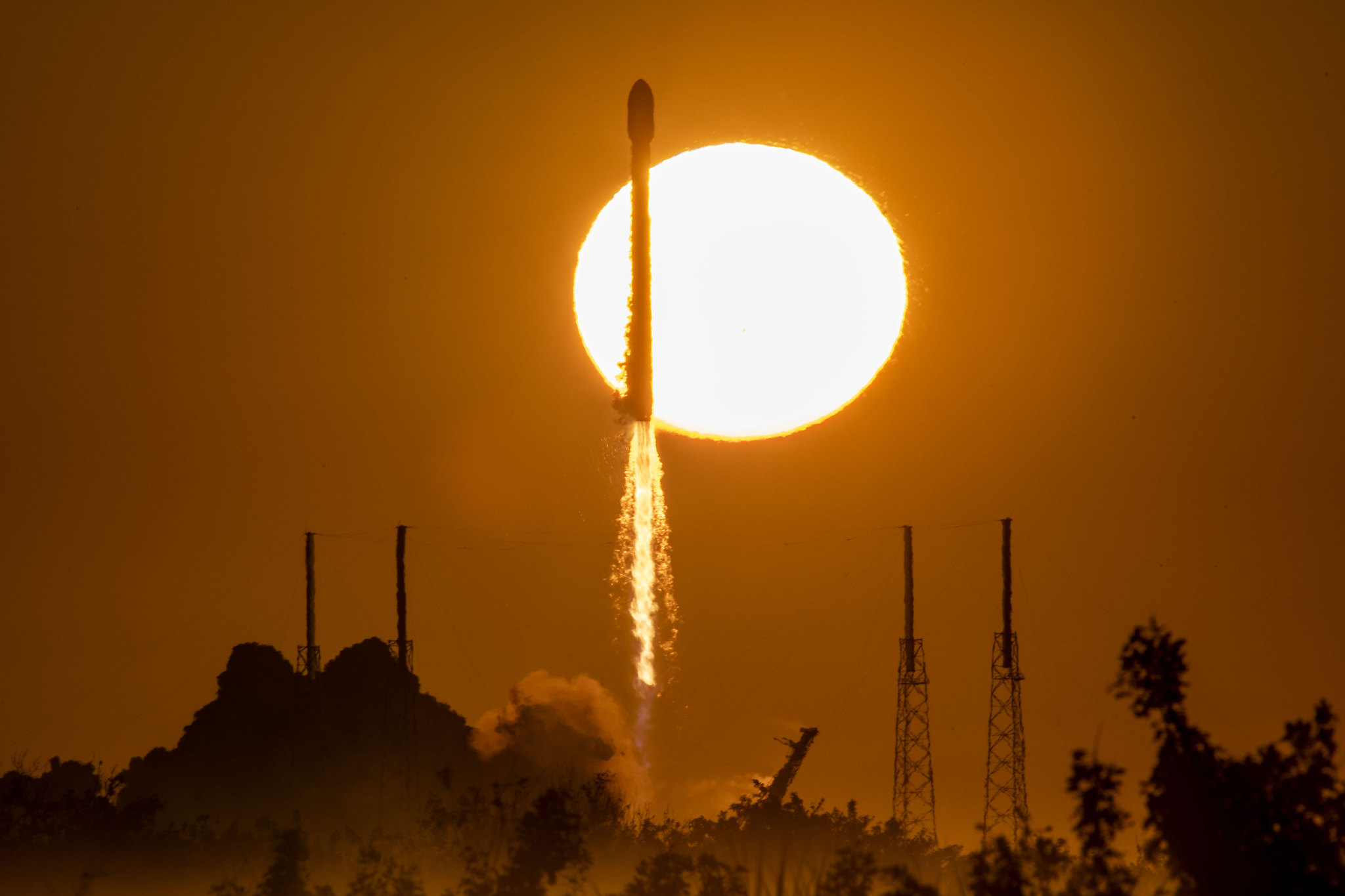
Mission Highlight: GPS III SV09
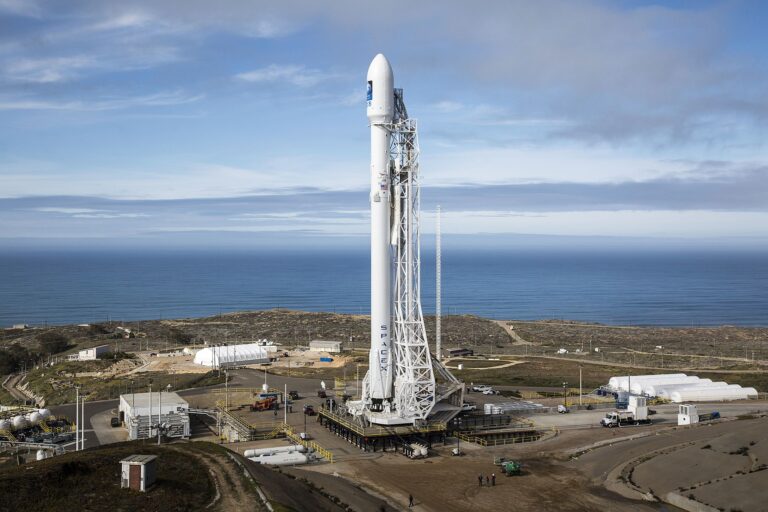
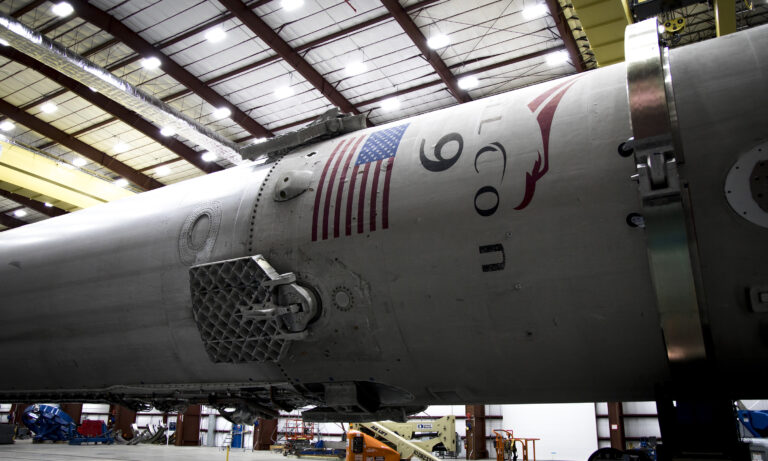
SpaceX is set to launch a Falcon 9 carrying a GPS (Global Positioning System) III satellite into medium-Earth orbit from Cape Canaveral Space Force Station in Florida, on Tuesday Jan. 27, 2026. The launch window opens at 11:38 p.m. EST with a backup window scheduled for Wednesday, Jan. 28, at 11:34 p.m. EST. The first stage booster, making its fifth flight, will land on the droneship A Shortfall of Gravitas in the Atlantic Ocean.
You can stream the launch here.
This mission marks the ninth of the next-generation GPS Block III satellites launched since SpaceX first carried the variant to orbit in December 2018. Designed by Lockheed Martin, this satellite is part of the ongoing effort to modernize the constellation. There are 31 satellites currently active — eight of which are GPS Block III — although the constellation only requires 24 to maintain operations. Block III satellites provide three times the positioning accuracy and eight times the anti-jamming capabilities of their predecessors. Lockheed Martin will reinforce the constellation with the up and coming GPS Block IIIF (Follow-on) satellites for launch no earlier than 2027. The Block IIIF satellites will introduce greater anti-jamming capabilities and the constellation’s first fully digital navigation payload, meaning the satellite’s brain can be updated from the ground without redesigned hardware.
The first GPS satellite launched in 1978. Originally a classified U.S. military asset, the signal was opened to other industries in 1983 by President Ronald Reagan, transforming global commerce and creating a utility that has since become ubiquitous. Today, while GPS remains a vital tactical tool for the U.S. military, billions around the world rely on it every day, alongside other global navigation satellite systems like Europe’s Galileo, Russia’s GLONASS, and China’s BeiDou.
Other missions this week
The week continues with Rocket Lab’s “Bridging The Swarm” mission, launching an Electron rocket from the Māhia Peninsula in New Zealand on Tuesday Jan. 27 at 07:55 p.m. EST. The launch, which will carry a Korean disaster monitoring satellite, was orignally scheduled for December 2025, but was scrubbed when the engines failed to fire.
SpaceX has two launches scheduled for Thursday Jan. 29: first, the Starlink Group 17-19 mission will lift off from Vandenberg Space Force Base in California at 10:17 a.m. EST, followed by Starlink Group 6-101 from Cape Canaveral SFS at 11:00 p.m. EST.
Last week’s recap
Recapping last week’s events, the Starlink Group 17-20 mission launched yesterday at 12:30 p.m. EST from Vandenberg SFB.
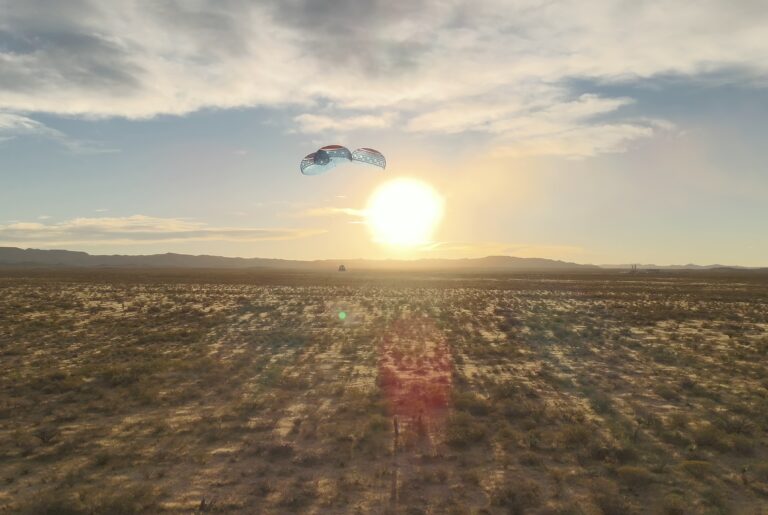
On Jan. 22, the schedule was packed with Blue Origin’s NS-38 suborbital flight from West Texas at 11:25 a.m. EST, Rocket Lab’s “The Cosmos Will See You Now” mission from New Zealand at 05:52 a.m. EST, and another SpaceX flight, Starlink Group 17-30, at 12:47 a.m. EST.
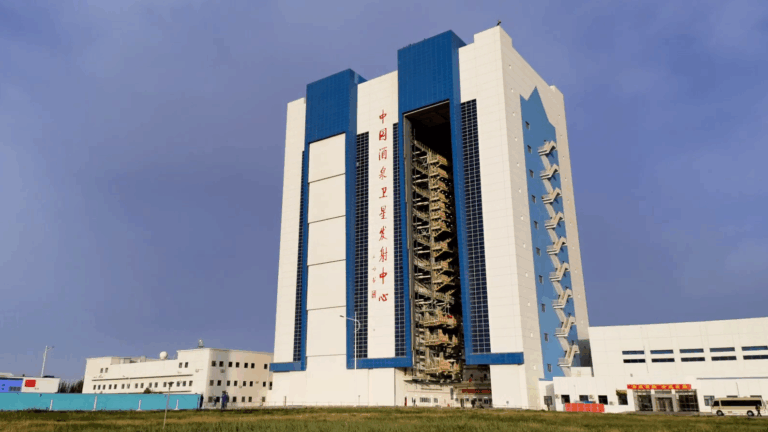
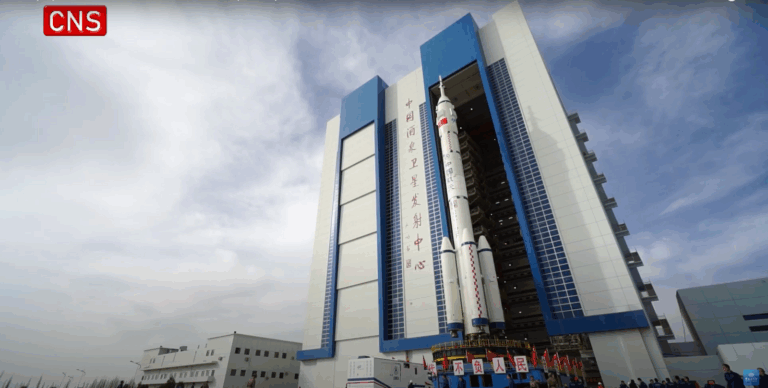
Earlier in the week on Jan. 19, the China Aerospace Science and Technology Corporation launched the SatNet LEO Group 19 mission aboard a Long March 12 from the Wenchang Space Launch Site in China at 02:48 a.m. EST.
Looking ahead
SpaceX maintains a high cadence with a cluster of Starlink launches scheduled for early February — including Group 6-103 this Sunday at 06:04 p.m. EST, followed by Groups 17-32, 6-104, and 17-33 between Feb. 2nd and 6th.
However, all eyes are on the horizon for NASA’s historic Artemis 2 mission. Slated to launch an SLS Block 1 from the Kennedy Space Center, the Feb. 6th target at 09:41 p.m. EST represents the first available opportunity in a critical series of launch windows.
RELATED: NASA unveils Artemis 2 launch windows: What we know